Why Roof Age Affects Your Homeowners Insurance (And What to Do)
9 Min Read
POSTED 10.11.2026

The relationship between homeowners insurance roof age policies and your coverage is one of the most consequential details Wisconsin homeowners overlook until a renewal notice arrives with a surprise. Insurance companies have steadily tightened underwriting around roof age over the past five years, and the thresholds that trigger coverage changes have moved earlier than they used to be. A roof over 15 years old can trigger a shift from Replacement Cost Value to Actual Cash Value coverage, a required inspection before renewal, significantly higher premiums, or in some cases non-renewal entirely. Understanding what your insurer actually looks at and what you can do about it protects your coverage and your wallet. If you’re coming up on a roof age milestone and want to understand your options, roof replacement consultations with a contractor who understands the insurance side of roofing is a smart first step.
Here is what this guide covers:
- Why insurance companies care so much about roof age
- The age thresholds that trigger coverage changes
- What happens at 10, 15, 20, and 25 years
- 5 actions you can take to protect your coverage
- How roofing material affects the insurance timeline
- Common questions Wisconsin homeowners ask about roof age and insurance
Why Insurance Companies Care So Much About Roof Age
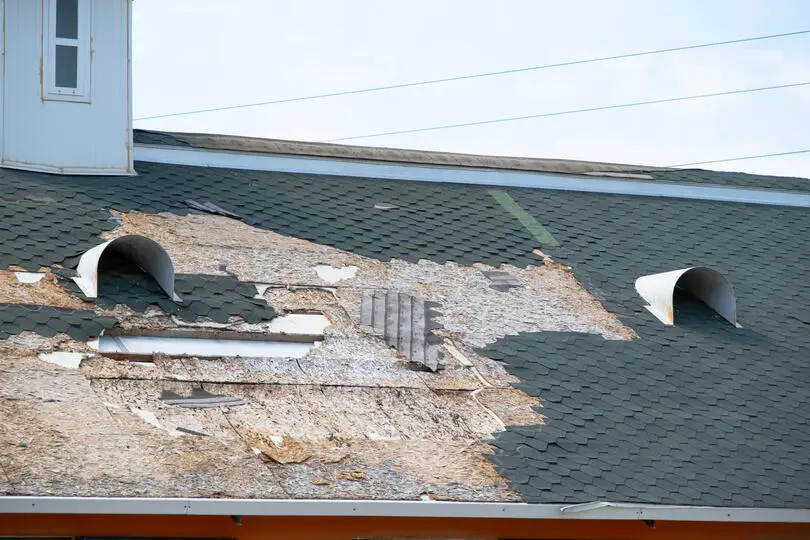
The roof is the single building component insurers scrutinize most closely because it is the part of the house most exposed to the perils that drive claims. Wind, hail, water infiltration, and ice-related losses all start at the roof, and the probability of a claim rises steeply as roofs age. For insurers managing risk portfolios, roof age is one of the most reliable predictors of future claim frequency and severity.
According to the Insurance Information Institute, the average homeowners insurance premium rose by 11.2 percent in 2022 from 2021, with aging roofs cited as a significant factor in rising claim frequency and underwriting pressure nationwide. That trend has continued since, which is why carriers are implementing stricter roof age thresholds and shifting more coverage to Actual Cash Value for older roofs.
We’re proud to serve homeowners in Fitchburg, WI, and nearby communities with roof replacement, storm damage inspections, and free on-site estimates.
The Age Thresholds That Trigger Coverage Changes
Different insurers use different thresholds, but patterns across the industry have converged around a few key age milestones. Understanding where your roof falls in this timeline helps you anticipate what your insurer may do at renewal.
Under 10 Years: Full Coverage, Lowest Premiums
Roofs under 10 years old typically qualify for full roof replacement coverage at Replacement Cost Value with minimal underwriting questions. Premiums are at their lowest, inspections are rarely required, and claims process smoothly when they occur.
- Coverage type: Full RCV standard
- Inspection requirements: Rarely needed
- Premium impact: Lowest tier
- Renewal risk: Minimal
10 to 15 Years: Watch Zone
Some carriers begin tightening underwriting at the 10-year mark, particularly in hail-prone areas. An inspection may be required at renewal, premiums may begin to rise, and some carriers begin shifting roof coverage to Actual Cash Value for wind and hail claims specifically.
- Coverage type: Usually RCV, with some carriers moving to ACV
- Inspection requirements: Increasingly common at renewal
- Premium impact: May begin to rise
- Renewal risk: Low but increasing
15 to 20 Years: Coverage Changes Common
This is the age range where most Wisconsin homeowners see tangible changes. Many carriers switch roof coverage from RCV to Actual Cash Value (ACV) at 15 years, premiums rise noticeably, and some insurers require documented inspection or certification to maintain coverage.
- Coverage type: Many carriers switch to ACV at this point
- Inspection requirements: Often required
- Premium impact: Noticeable increases typical
- Renewal risk: Moderate; some carriers begin flagging policies
20 to 25 Years: Coverage Limitations Expand
At 20 years, most asphalt shingle roofs face significant coverage limitations, and many insurance companies will not write new policies on homes with roofs this old. ACV is common across the industry, some carriers decline to renew, and homeowners may need to shop around to maintain coverage at reasonable terms.
- Coverage type: ACV common; some carriers refuse to insure
- Inspection requirements: Mandatory with most carriers
- Premium impact: Significant increases typical
- Renewal risk: High; non-renewal becomes real possibility
25+ Years: Replacement Often Required
At 25 years or older, many insurers will not renew coverage without a documented roof replacement. Specialty insurance may be available but at substantially higher premiums with narrower coverage. For most Wisconsin homeowners at this stage, roof replacement is the practical path to maintaining insurability.
- Coverage type: Often requires replacement to maintain coverage
- Inspection requirements: Mandatory
- Premium impact: Dramatic increases
- Renewal risk: Very high; non-renewal probable
5 Actions You Can Take to Protect Your Coverage
Being proactive about roof age and insurance is far more effective than reacting after a non-renewal notice arrives. These five steps give Wisconsin homeowners the strongest position with their insurer.
1. Know Your Roof’s Actual Age
Many homeowners underestimate how old their roof actually is. If you purchased the home, the roof may have been near end-of-life when you bought it. Pulling building permits, reviewing closing documents, or getting a professional assessment establishes the real age and condition. This information matters at every policy renewal and especially before any claim.
- Check permit records: Local building departments maintain roof permit records
- Review home inspection reports: The inspection at purchase typically notes roof age estimates
- Get a professional assessment: A roofing contractor can estimate age and remaining useful life
- Document the information: Keep records with your insurance paperwork for easy reference
2. Request Your Current Carrier’s Roof Age Thresholds
Not all carriers use the same thresholds. Before your next renewal, ask your insurance provider specifically what thresholds they apply for roof age, when ACV coverage begins, and what inspection requirements exist. Having this information before renewal lets you plan rather than react.
- Ask directly: What age triggers an inspection? When does ACV coverage apply?
- Get the policy in writing: Verbal assurances don’t hold up at claim time
- Review on every renewal: Carriers change these policies, sometimes without obvious notice
- Compare carriers: Different insurers may have very different thresholds
3. Schedule a Professional Roof Inspection
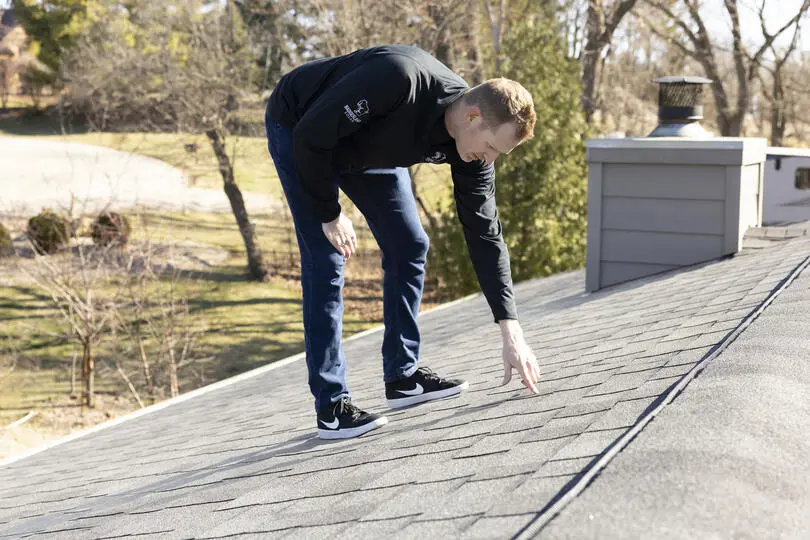
A documented roof inspection from a qualified contractor provides evidence of condition that supports both your insurance coverage and any future claims. Many Wisconsin roofing contractors offer free inspections, which makes this an easy preventive step.
- Timing: Schedule before policy renewal when possible
- Documentation: Request written inspection reports with photos
- Address identified issues: Minor repairs now prevent larger coverage issues later
- Keep records: File inspection reports with your insurance documentation
4. Plan Ahead for Replacement
If your roof is approaching the age thresholds that trigger coverage changes, planning replacement before the deadline is often more cost-effective than paying increased premiums or ACV depreciation on a storm claim. Scheduling flexibility, favorable pricing, and material selection all improve when replacement isn’t an emergency.
- Budget 12 to 18 months out: Allows for planning and contractor selection
- Consider seasonality: Late winter through early spring often offers lower contractor demand
- Explore impact-resistant shingles: Class 4 impact resistance can qualify for insurance discounts
- Get multiple estimates: Three written proposals from qualified contractors is the industry standard
5. Document the New Roof Thoroughly
When you do replace your roof, documentation matters significantly for future insurance interactions. Permits, contractor invoices, warranty documents, and photos of the completed work all establish the new baseline age for your insurer.
- Pull required permits: Permitted work establishes legal age baseline
- Save all contractor documentation: Invoices, scope documents, warranty paperwork
- Photograph completed work: Visual record for insurance purposes
- Submit documentation to your insurer: Reset your roof age on file with the carrier
How Roofing Material Affects the Insurance Timeline
The timeline above applies primarily to asphalt shingle roofs, which represent 75 percent of U.S. residential roofs. Other roofing materials face different timelines.
- Three-tab asphalt shingles: 15 to 20 years before major coverage concerns
- Architectural asphalt shingles: 20 to 25 years before major coverage concerns
- Metal roofing: 30 to 40 years before major coverage concerns
- Slate and tile: 40 to 50 years before major coverage concerns
- Wood shake: 15 to 20 years, with earlier concerns in some markets
Choosing longer-lifespan materials at replacement time can defer insurance concerns by decades, which is one reason some Wisconsin homeowners consider metal or premium architectural shingles despite higher upfront costs.
Frequently Asked Questions About Homeowners Insurance and Roof Age

Wisconsin homeowners thinking about insurance and roof age tend to ask the same questions. Here are direct answers.
At what age will my insurance stop covering my roof?
There’s no universal cutoff, but most Wisconsin carriers begin tightening coverage at 15 years and may decline to renew asphalt shingle roofs over 25 years. Longer-lifespan materials like metal and tile face later thresholds. Your specific carrier’s policies determine what happens on your renewal.
Will replacing my roof lower my insurance premium?
Often yes. A new roof may qualify for premium reductions, impact-resistant shingles may qualify for additional discounts, and replacing before coverage shifts to ACV preserves your replacement cost coverage. Contact your insurance agent to confirm what discounts and credits your carrier offers.
Can my insurance drop me because of my roof’s age?
Yes. Carriers can choose not to renew policies based on roof age, and this has become more common across the industry. In most states, including Wisconsin, carriers must provide advance notice but have broad authority to decline renewal based on underwriting factors like roof age and condition.
Does Badgerland Exteriors help with roof age and insurance documentation?
Yes. Badgerland provides free roof inspections with written documentation that supports both proactive insurance interactions and claim documentation after storms. Our team can help you understand your roof’s condition and remaining useful life so you can plan accordingly.
Should I replace my roof before it’s absolutely necessary to protect my insurance?
Often yes. The combination of rising premiums, ACV depreciation on claims, and non-renewal risk means proactive replacement before coverage shifts can be more cost-effective than waiting until replacement is forced. A professional assessment helps you weigh the specific economics for your situation.
Protect Your Coverage With Badgerland Exteriors
Roof age is not just a maintenance question; it’s an insurance question that affects what you pay and what your coverage actually delivers when you need it. Badgerland Exteriors has been helping Fitchburg homeowners and their neighbors across central Wisconsin understand their roofing options and insurance implications since 2009, with free inspections, honest assessments, and no-pressure consultations.
Request your free roof assessment from Badgerland Exteriors today.
Recent Articles
Read the Badger Blog
Let’s Get Started
Fix Your Roof the Badger Way
Got a question? Want to learn more about your options when it comes to caring for your home exterior? Our team is standing by with the information you need to start you roof replacement project today!