The Complete Roof Inspection Services Guide: What’s Checked & Why It Matters
9 Min Read
POSTED 09.06.2026
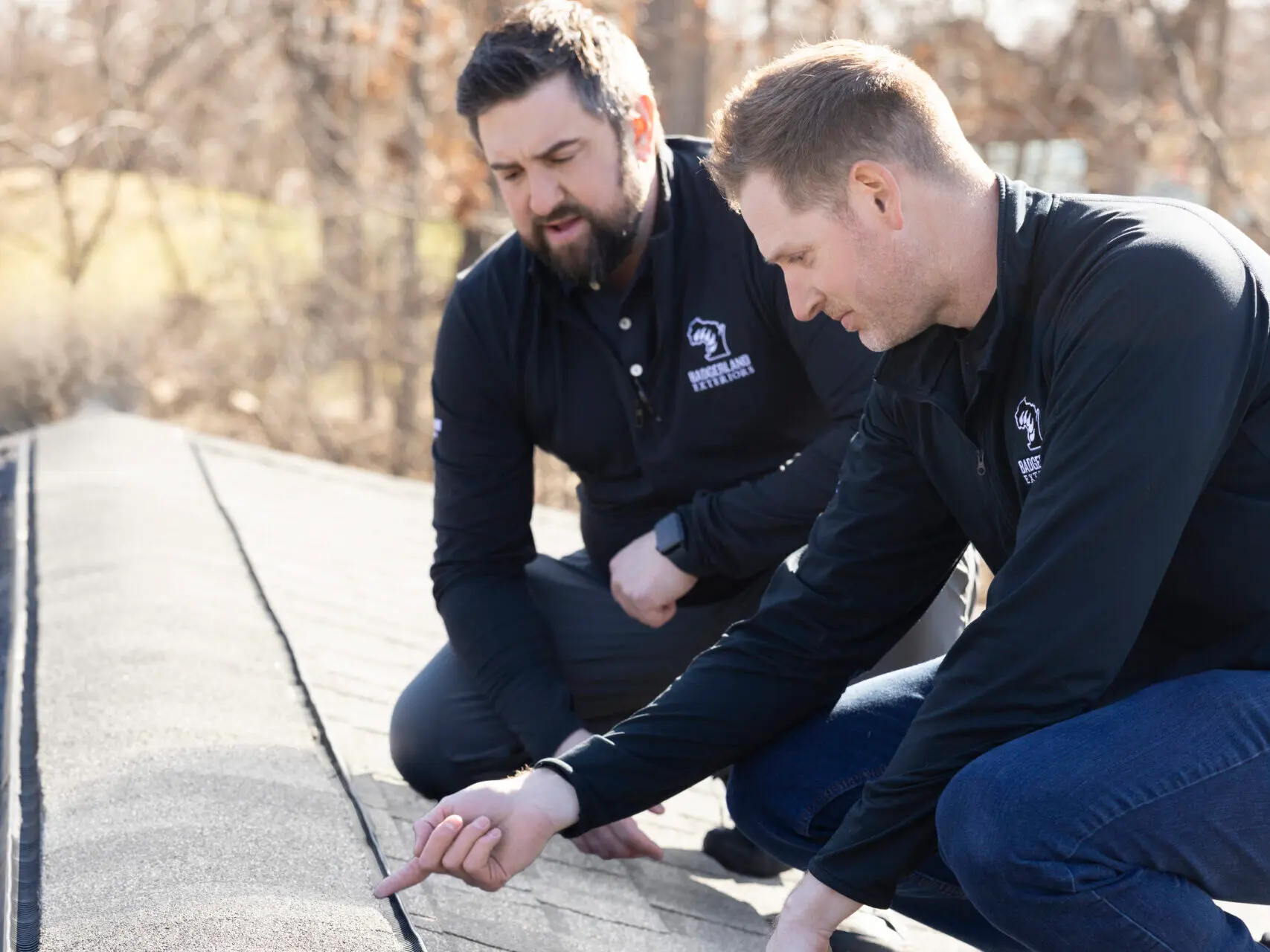
Roof inspection services exist for one reason: most roof problems start small, stay hidden, and only reveal themselves once they’ve turned into costly repairs. A cracked flashing, a soft spot in the decking, granule loss on aging shingles — none of these announce themselves. By the time water appears on your ceiling, the issue has usually been developing for months. Getting a professional roof inspection puts eyes on your roof before that happens, so the right repairs get made at the right time rather than after a crisis forces the conversation.
Here’s what this guide covers:YED
- What a professional roof inspection includes and why each check matters
- The most common problems inspectors find in Wisconsin homes
- When you should schedule a roof inspection
- What to expect from your inspection report
- Frequently asked questions homeowners ask most
What Does a Roof Inspection Include?

A professional roof inspection is a systematic evaluation of every component that keeps your home dry and structurally sound. It goes well beyond a visual once-over from the driveway. A trained roof inspector works through the exterior surface, penetrations, drainage systems, attic, and interior ceiling to build a complete picture of your roof’s condition.
Knowing what gets checked helps you ask better questions and understand the report you receive afterward.
1. Shingles and Roof Surface
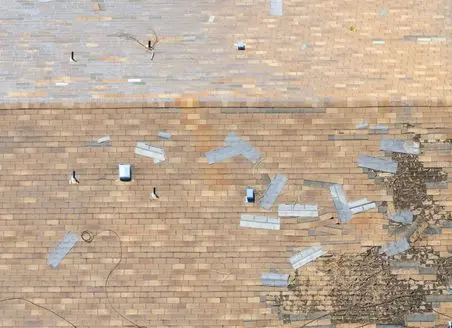
The surface material is the first and most visible layer of protection your roof provides. Inspectors look for curling, cracking, missing shingles, and granule loss, which is a sign that asphalt shingles are nearing the end of their useful life. Blistering, staining, and uneven wear patterns can all indicate underlying issues that aren’t visible from the street.
- Granule loss: Excessive granule buildup in gutters or bare patches on shingles signals accelerated aging, often triggered by storm damage or poor attic ventilation.
- Curling and cupping: Shingles that lift at the edges or cup in the center are no longer lying flat against the deck, which creates entry points for wind and water.
- Missing shingles: Even a single missing shingle exposes underlayment and decking to moisture intrusion and should be addressed promptly.
2. Flashing and Sealants
Flashing is the thin metal or membrane material installed around chimneys, vents, skylights, and roof-to-wall transitions to direct water away from joints and seams. It is one of the most failure-prone components on any roof. Industry data cited by the National Roofing Contractors Association indicates that flashing failures are a leading cause of roof leaks. Inspectors check every transition point for lifting, corrosion, cracking, and sealant that has dried out or pulled away from the substrate.
- Chimney flashing: Both the step flashing along the sides and counter-flashing at the top must seal tightly or water will track straight into the wall cavity.
- Pipe boot seals: Rubber boots around plumbing vents degrade over time, especially through Wisconsin’s freeze-thaw cycles, and often fail long before the shingles around them show wear.
- Skylight and vent flashing: Any roof penetration is a potential leak point and requires clean, intact seals to function correctly.
3. Gutters and Drainage
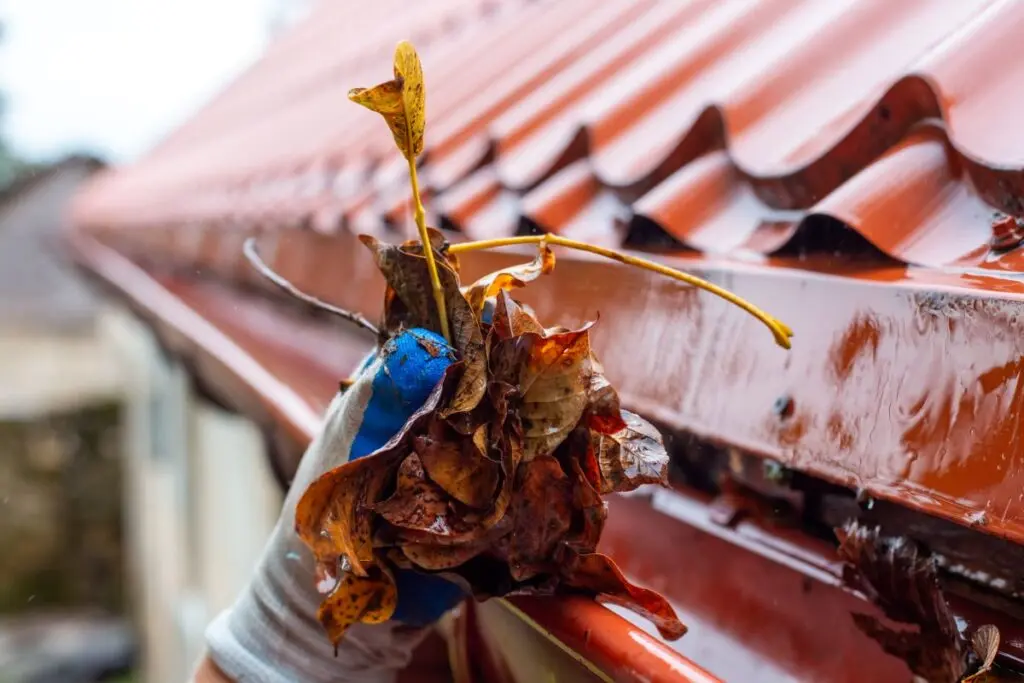
Roof inspections always include an evaluation of the drainage system. Clogged or sagging gutters cause water to back up under shingles, accelerate fascia rot, and can contribute to ice dam formation during Wisconsin winters. Inspectors check for proper slope, secure attachment, granule accumulation (a secondary sign of shingle wear), and any signs of overflow damage to the fascia or soffits below.
4. Attic and Interior
A thorough roof health assessment includes the attic because many of the most expensive roof problems show up there first. Inadequate ventilation, moisture accumulation, compressed insulation, and early signs of mold growth can all indicate a failing roofing system even when the exterior looks intact. Inspectors also check interior ceilings for water stains, soft spots, and discoloration that trace back to a specific leak point.
- Ventilation check: Poor attic ventilation traps heat and moisture, accelerating shingle deterioration from below and increasing the risk of ice dams in winter.
- Insulation condition: Wet or compressed insulation loses its R-value and can signal a slow leak that hasn’t yet reached the living space.
- Structural decking: Soft spots, sagging, or delaminated sheathing are signs of prolonged moisture exposure and typically require repair before any new roofing material is installed.
Common Problems Found During a Home Roof Inspection in Wisconsin
Wisconsin’s climate puts roofs through a demanding cycle every year. Extreme cold, heavy snow loads, ice damming, hail, and summer heat all stress different components at different times. Here are the roof issues that come up most often during a professional roofing inspection in this region.
- Ice dam damage: Ice dams form when heat escapes through the roof deck and melts snow, which refreezes at the cold eaves. The resulting ice pushes up under shingles and forces water into the structure.
- Hail impact: Even moderate hail leaves dents in shingles that aren’t visible from the ground. These impact points accelerate granule loss and can void manufacturer warranties if left undocumented.
- Flashing separation: Freeze-thaw movement causes flashing to expand and contract, loosening sealants and pulling joints apart over time.
- Fascia and soffit rot: Water intrusion from failed gutters or ice dams works its way into the wood trim, which can compromise the structural edge of the roof.
- Ventilation deficiencies: Homes throughout the Waunakee area and surrounding communities frequently show signs of under-ventilated attics, a problem that shortens shingle life and drives up heating and cooling costs.
We’re proud to serve homeowners in Waunakee, WI, and nearby communities with professional roof inspections, storm damage assessments, and full roofing services.
When Should You Schedule a Roof Inspection?
More than 60% of U.S. homeowners did not check their roofs for damage in a given year, making roof inspections the household maintenance task least likely to be performed, according to a Harris Poll conducted for The Hanover Insurance Group. That gap between what homeowners intend to do and what actually happens is exactly where small problems become expensive ones.
The National Roofing Contractors Association recommends scheduling a professional inspection at least twice per year, once in spring and once in fall, plus after any significant storm. In Wisconsin, those timing recommendations align with the seasons that do the most damage: late fall before freeze-up, and early spring after the thaw reveals what winter left behind.
Beyond the standard schedule, a roof inspection is especially important in these situations:
- After a hail or wind event: Storm damage is not always visible to the untrained eye, and undocumented damage can complicate or delay an insurance claim.
- Before buying or selling a home: A pre-listing roof inspection gives sellers documentation of the roof’s condition, and buyers a clear picture of what they’re inheriting.
- When a roof is 10 or more years old: Aging roofs need more frequent evaluations to protect the roof’s integrity as materials move closer to the end of their effective service life.
- If energy bills are rising unexpectedly: Damaged or poorly ventilated roofs often drive up heating and cooling costs in ways that aren’t immediately attributed to the roof.
What to Expect From Your Roof Inspection Report
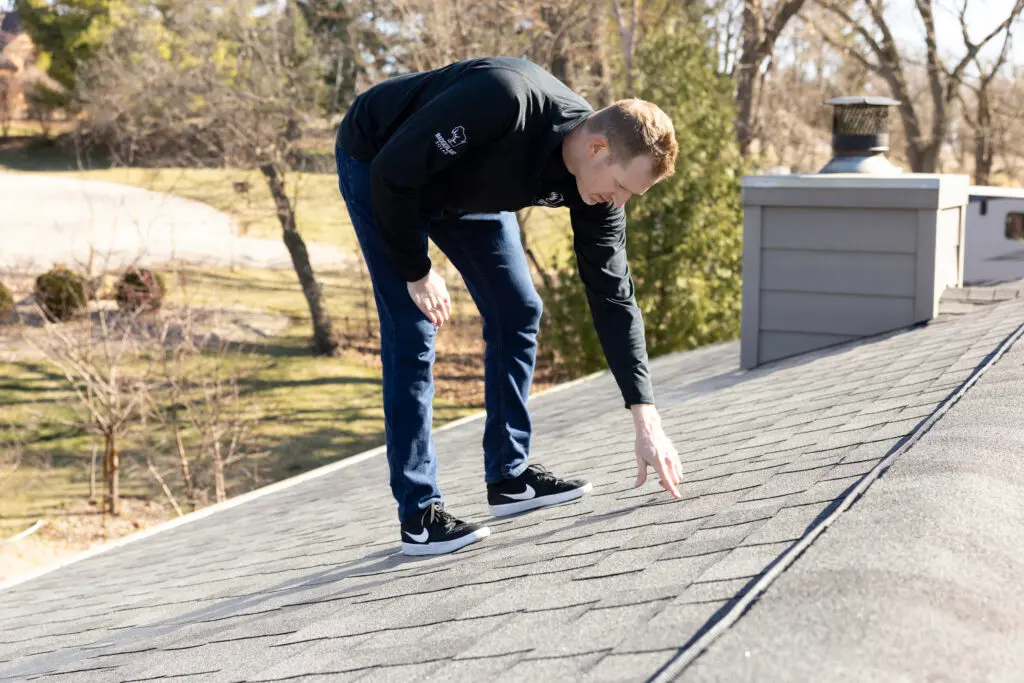
A quality detailed report does more than list what’s wrong. It documents every finding with photos, notes the severity of each issue, and helps you understand which items require immediate attention versus long-term monitoring. A good report separates urgent repairs from routine maintenance items and gives you the documentation you need if an insurance claim becomes necessary.
At Badgerland Exteriors, our inspection process is education-first. We walk you through what we found, explain what it means for your home, and give you honest guidance on next steps — whether that’s a minor repair today or a full roof replacement down the road.
Common FAQs About Roof Inspection Services
Homeowners tend to have a consistent set of questions before and after a roof inspection. Here are the most common ones, answered plainly.
How much does a roof inspection cost?
Storm damage inspections with Badgerland Exteriors are free. Inspections for real estate purposes, such as pre-listing or pre-purchase evaluations, are $250 — and that fee is credited toward the cost of any roof replacement you move forward with. For general maintenance inspections, we offer free estimates that give you a starting point before any commitment.
How long does a roof inspection take?
Most residential roof inspections take between one and two hours, depending on the size and complexity of the roof and whether an attic inspection is included. A thorough job takes time, and any contractor who claims to have inspected your roof in fifteen minutes did not check everything that matters.
Can I inspect my own roof?
You can walk the perimeter of your home and look for obvious issues — missing shingles, visible granules in the gutters, sagging areas — but a DIY visual inspection from the ground misses most of what a professional roofing inspection catches. Attic conditions, flashing integrity, moisture infiltration, and subtle impact damage all require trained eyes and, in some cases, specialized equipment to identify accurately.
What happens if damage is found?
If your inspection turns up storm-related damage, a qualified contractor can help you document the findings and navigate the insurance claim process. Badgerland Exteriors has worked with homeowners across central Wisconsin on storm damage claims and understands how to build a thorough, accurate case for your insurer. If the damage is unrelated to a storm, we’ll walk you through repair versus replacement options with honest guidance and no pressure.
Know What’s Over Your Head — Badgerland Exteriors Can Help
Badgerland Exteriors has been providing professional roofing services to homeowners across central Wisconsin since 2009. Our inspection process is thorough, our reporting is honest, and our team will never recommend work your roof doesn’t actually need. Whether you’re scheduling a routine annual checkup, assessing storm damage, or thinking about what a new roof might involve, we’re here to give you clear answers and reliable service.
Schedule your free inspection with Badgerland Exteriors today and find out exactly what’s going on up there.
Let’s Get Started
Fix Your Roof the Badger Way
Got a question? Want to learn more about your options when it comes to caring for your home exterior? Our team is standing by with the information you need to start you roof replacement project today!