Storm Damage Roof Repair: How to Spot Hidden Issues
7 Min Read
POSTED 09.04.2026
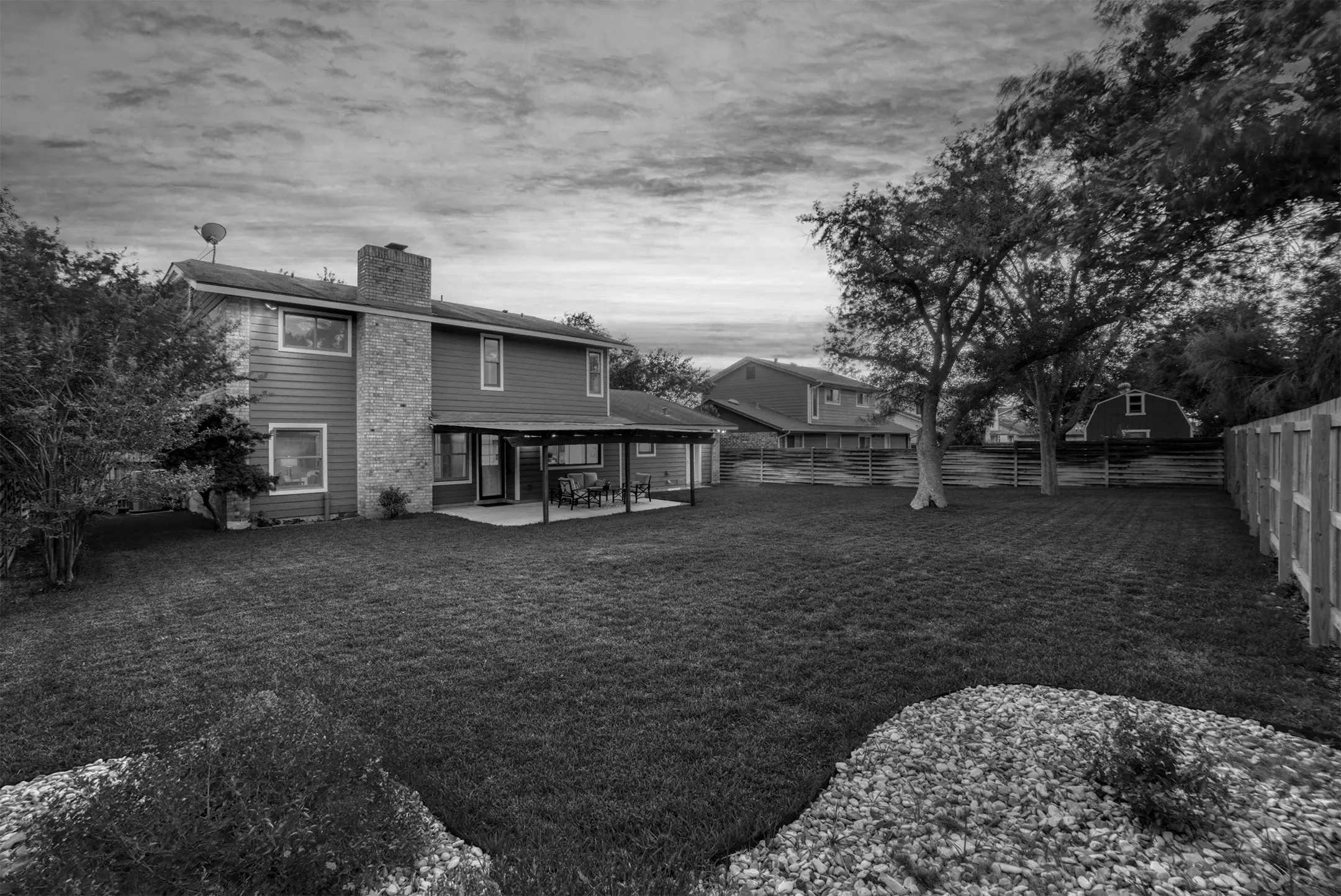
After severe weather, many homeowners assume their roof is fine if there are no missing shingles on the ground. However, storm damage roof repair often involves identifying problems that are not immediately visible from the driveway. In Janesville, WI, high winds, hail damage, heavy rain, and falling debris can all cause roof damage in ways that are easy to overlook.
Before the next storm rolls in, keep these key concerns in mind:
- Not all storm damage is obvious: Leaks may begin weeks after the event.
- Small issues escalate quickly: Minor cracks can lead to major water intrusion.
- Early inspection reduces repair costs: Prompt action prevents larger structural repairs.
We’re proud to serve homeowners in Janesville, WI and surrounding communities with storm inspections, roof repairs, and long term roofing solutions.
Why Storm Damage Is Not Always Visible

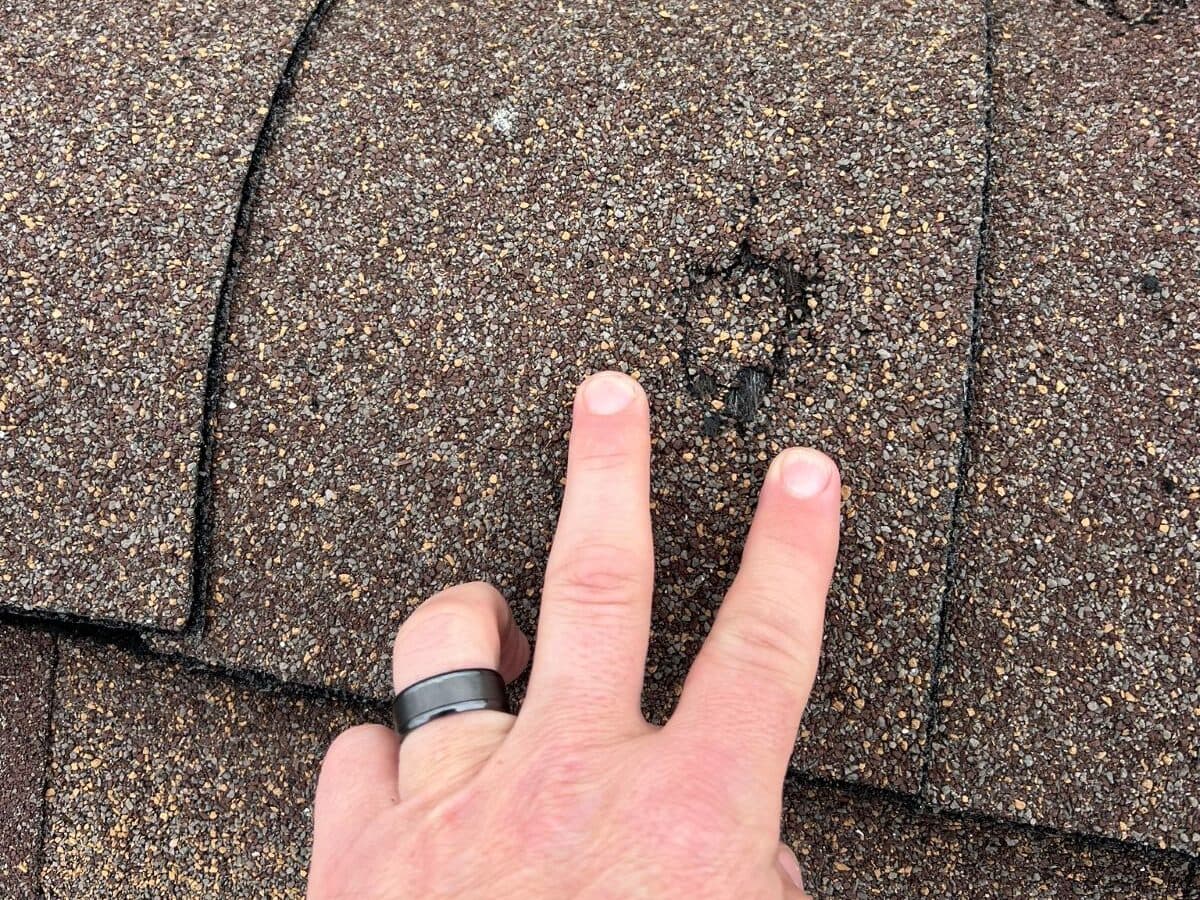
Storm damage does not always appear as dramatic shingle loss. In many cases, the most serious roof damage occurs beneath the surface. Wind damage can loosen shingles just enough to break their seal without tearing them off completely. Hail damage can bruise asphalt shingles, weakening protective shingle granules while leaving the surface looking intact from the ground.
Moisture or moss may infiltrate small gaps around flashing, vents, or valleys and eventually reach the roof deck. Over time, that hidden water can cause rot, insulation damage, or interior staining. Because roofing systems are layered, visible issues often signal deeper structural concerns that require evaluation by a qualified roofing contractor.
Common Types of Storm Related Roof Damage
Different weather events create different types of roof damage. Recognizing the source helps you know what to look for.
Wind Damage
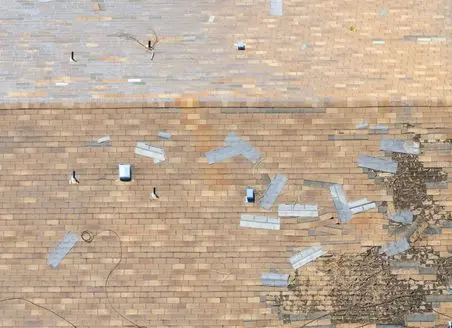
Strong wind damage can compromise shingles and flashing even if nothing appears severely displaced.
- Lifted shingle edges: Broken adhesive seals reduce wind resistance.
- Missing or broken shingles: Exposed underlayment vulnerable to moisture.
- Loose flashing: Metal components separating from roof transitions.
If left untreated, wind damage often leads to leaks and more extensive roof repairs.
Hail Damage
Hail damage may not be visible from the ground but can shorten the lifespan of roofing materials. According to the Insurance Institute for Business & Home Safety, there are approximately 3,000 hailstorms annually in the US, resulting in average insured losses of $1.6 billion — making prompt post-storm inspection essential for homeowners.
- Granule loss: Bare spots where shingle granules have been displaced.
- Soft impact marks: Bruised areas that weaken asphalt layers.
- Cracked vents or skylights: Damage to roof penetrations.
Homes with impact resistant shingles may perform better during hailstorms, but even those materials should be inspected after severe events.
Falling Debris
Branches and other falling debris can puncture shingles or damage structural components.
- Puncture holes: Direct openings allowing water entry.
- Dented flashing: Compromised metal transitions.
- Stress on the roof deck: Impact that weakens underlying structure.
Even small impacts can create vulnerabilities that require prompt repair.
7 Hidden Signs You May Need Storm Damage Roof Repair
Even if your roof looks intact from the yard, these warning signs may indicate underlying storm damage.
1. Interior Water Stains
Discoloration on ceilings or walls may appear days or weeks after a storm.
- Yellow or brown rings: Evidence of slow leaks.
- Peeling paint: Moisture trapped behind surfaces.
2. Excess Shingle Granules in Gutters
After hail or heavy rain, inspect gutters for unusual buildup.
- Dark sediment: Indicates surface deterioration.
- Clogged drainage: Granule accumulation restricting flow.
3. Warped or Curled Shingles
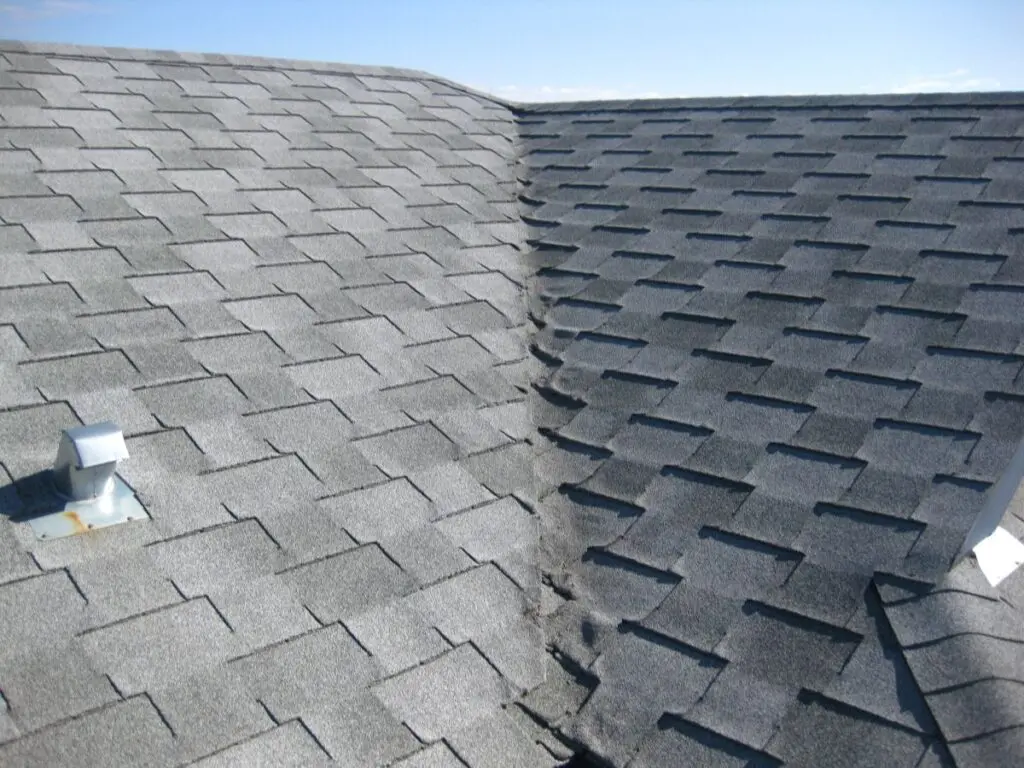
Wind damage can distort shingles even if they remain attached.
- Uneven edges: Shingles no longer lying flat.
- Cracked corners: Stress fractures from gusts.
4. Damaged Flashing
Flashing protects vulnerable transitions along the roof.
- Loose metal strips: Gaps around chimneys or vents.
- Rust or separation: Signs of water intrusion.
5. Sagging Roof Sections
Water infiltration can weaken the roof deck beneath the shingles.
- Uneven roofline: Subtle dips visible from ground level.
- Soft spots: Areas that feel unstable under pressure.
6. Increased Energy Bills
Storm damage can compromise insulation and ventilation systems.
- Higher cooling costs: Heat entering through weakened areas.
- Drafty attic spaces: Reduced thermal efficiency.
7. Mold or Musty Odors
Trapped moisture creates ideal conditions for mold growth.
- Persistent humidity: Damp air lingering after storms.
- Dark spotting on wood: Early signs of mold development.
If any of these symptoms appear, contacting a roofing contractor for a professional inspection is recommended.
How to Choose the Right Roofing Contractor After a Storm
After widespread storm damage, many roofing companies may be operating in your area. Choosing the right professional is critical for quality workmanship and long term protection.
- Verify licensing and insurance: Protects you from liability and ensures compliance.
- Check local experience: Contractors familiar with Janesville weather patterns understand regional challenges.
- Request a detailed written estimate: Clearly outlines scope of work and repair costs.
- Ask about roofing materials: Including options like impact resistant shingles for future protection.
- Confirm warranty coverage: Understand workmanship and material guarantees.
Selecting an experienced roofing contractor ensures your storm damage roof repair is handled correctly and professionally.
What to Do After a Major Storm
Taking prompt action after severe weather can limit further roof damage and reduce repair costs.
- Inspect from the ground: Look for missing or broken shingles and visible debris.
- Check attic areas: Watch for moisture or visible light penetration.
- Document damage: Take photos to share with your insurance company.
- Schedule an inspection: Have a roofing contractor assess hidden issues.
- Arrange temporary repairs if needed: Tarping exposed areas can prevent further water intrusion.
Temporary repairs stabilize your roof until permanent repairs can be safely completed.
Frequently Asked Questions About Storm Damage Roof Repair
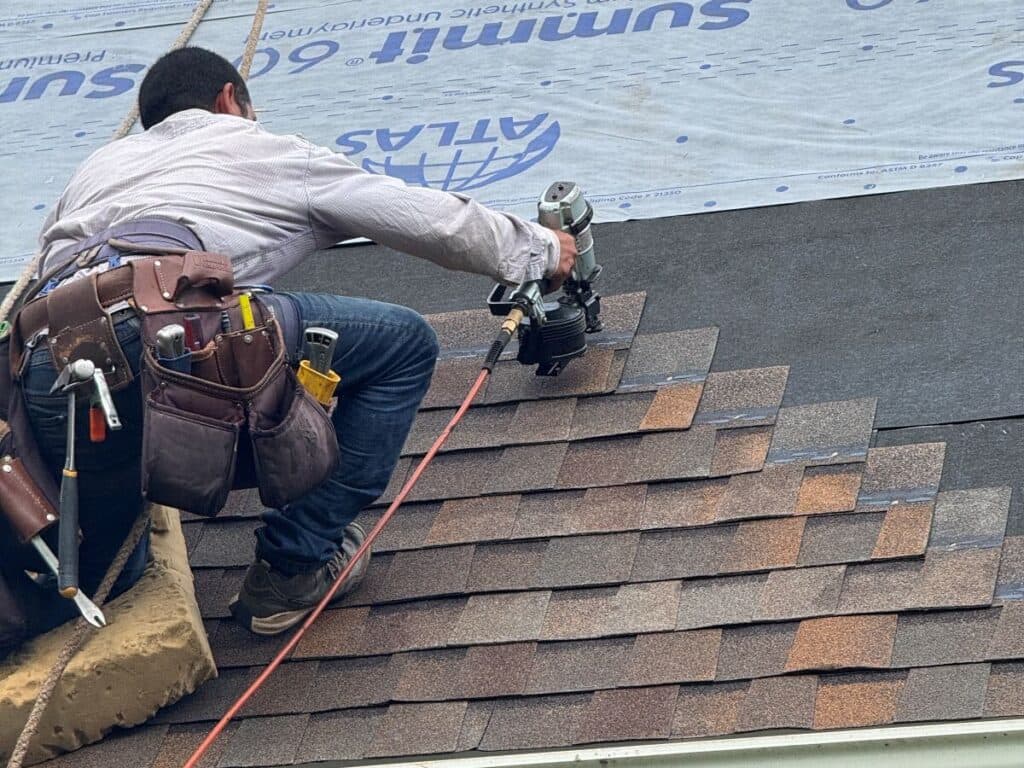
Homeowners often have important questions following severe weather.
What should I do immediately after a storm?
Start with a safe visual inspection from the ground. Look for missing or broken shingles, debris, and signs of wind damage. Check your attic for leaks or damp insulation. Avoid climbing onto the roof. Contact a roofing contractor to inspect for hidden storm damage and assess whether roof repairs are necessary.
How much do storm damage repairs typically cost?
Repair costs vary depending on the extent of roof damage, the type of roofing materials involved, and whether the roof deck or structural components are affected. Minor repairs may be affordable, while widespread hail damage or wind damage may require more extensive work. Early action often reduces overall repair costs.
How does the insurance claims process work?
After documenting visible storm damage, notify your insurance company to initiate a claim. An adjuster will typically inspect the property to determine coverage eligibility. Working with an experienced roofing contractor helps ensure all damage is identified and documented properly before roof repairs begin.
Do all storms require roof replacement?
No. Some storms cause isolated damage that can be resolved with targeted roof repairs. However, if wind damage, hail damage, or deterioration affects a large portion of the roofing system, replacement may be the more practical long term solution.
Why Homeowners Trust Badgerland Exteriors
Badgerland Exteriors provides comprehensive storm damage roof repair services designed to protect homes from hidden issues. Our team conducts detailed inspections, evaluates wind damage and hail damage, and recommends durable solutions tailored to your roof’s condition. Whether you need minor roof repairs, structural evaluation of the roof deck, or guidance through working with your insurance company, we focus on quality workmanship and long term protection. Contact Badgerland Exteriors today to schedule your storm damage inspection in Janesville, WI or nearby communities.
Let’s Get Started
Fix Your Roof the Badger Way
Got a question? Want to learn more about your options when it comes to caring for your home exterior? Our team is standing by with the information you need to start you roof replacement project today!