
Are Solar Panels Worth It for Your Home? 8 Pros & Cons
7 Min Read
POSTED 30.12.2025
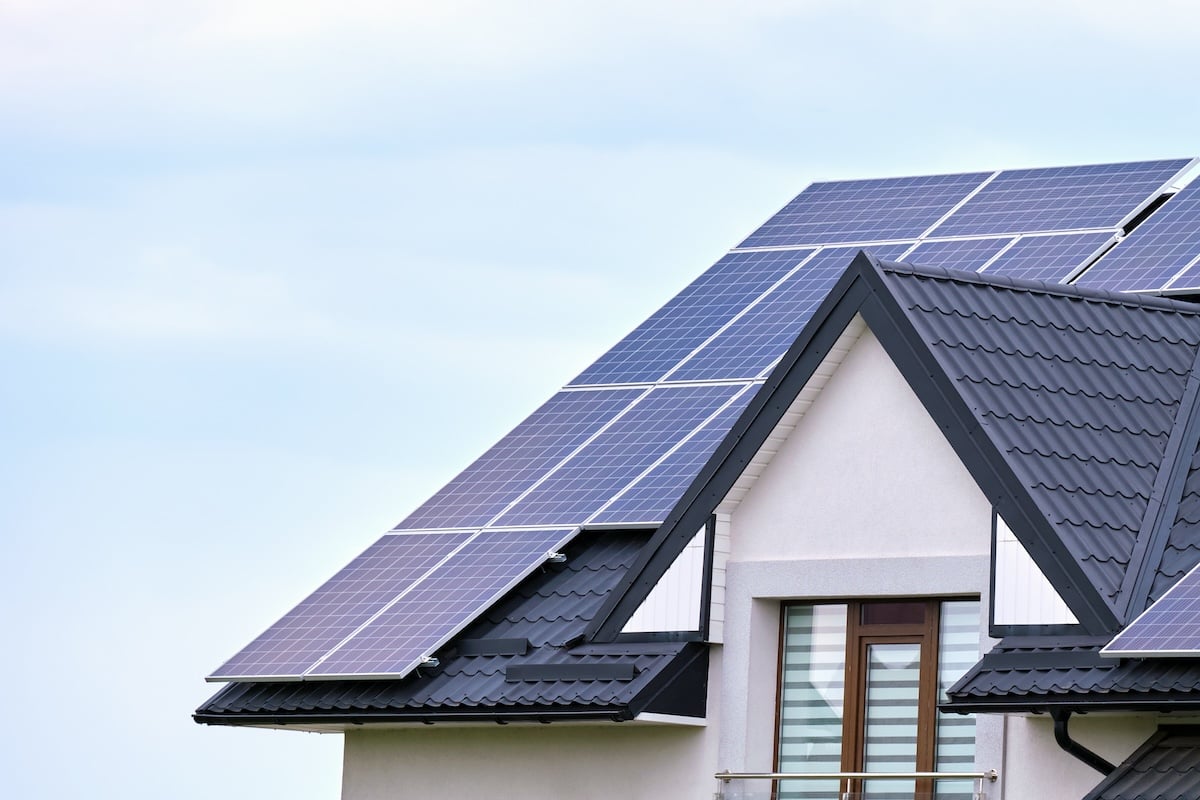
If you’ve ever asked yourself are solar panels worth it, you’re not alone. Many homeowners exploring renewable energy want to understand how solar power affects monthly electric bills, long term solar savings, and overall sustainability goals. Reviewing how these systems function, along with the potential upfront costs and benefits, helps you decide whether now is the right time to install solar panels as part of a long term solar investment. Exploring solar roofing options can also provide insight into how integrated systems maximize efficiency and performance.
Here is what this guide will cover:
- The main advantages and disadvantages of solar panels
- Financial implications and long term savings potential
- Environmental and practical considerations
- How to determine if solar is a good fit for your home
- Steps to take if you choose to install solar panels
If you are a homeowner in Waunakee, WI, this breakdown will help you make an informed and confident decision.
Why Evaluating Solar Panels Matters
Solar panels represent a significant investment, both financially and environmentally, which is why understanding their value is essential. As energy prices fluctuate and interest in sustainability grows, more homeowners want to know whether their home and lifestyle are well suited for solar. Evaluating your energy goals, usage patterns, and long term expectations brings clarity to the decision making process. Our guide on what the maintenance cost of solar panels looks like breaks down what homeowners should realistically expect after installation.
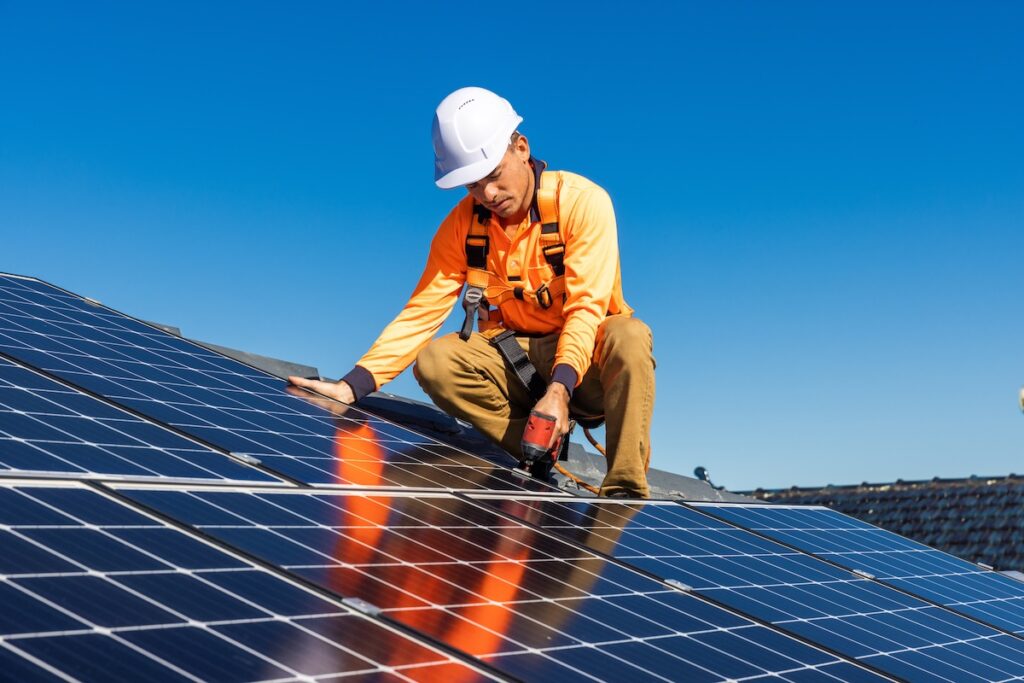
Determining whether solar panels will benefit your home means reviewing factors beyond equipment cost. Solar installations affect property value, carbon footprint, and overall independence from the electric utility company. By considering performance, incentives, and proper maintenance requirements, homeowners can better understand how solar fits their long term plans.
- Financial impact: Long term savings compared to upfront costs.
- Environmental benefits: Reduction in carbon emissions and reliance on fossil fuels.
- Energy independence: More control over utility expenses and grid fluctuations.
- Home value: Potential boost to resale appeal.
- Maintenance needs: Awareness of simple upkeep tasks such as cleaning and inspection.
8 Key Pros and Cons to Consider When Asking “Are Solar Panels Worth It?”
Evaluating the full range of advantages and drawbacks allows homeowners to make a confident choice about integrating solar power. The following eight points summarize the most important considerations.
1. Cost Savings Over Time
Solar panels can significantly reduce your monthly electric bill by generating energy directly from sunlight. Over time, solar savings can help offset the upfront costs associated with installation.
- Initial costs: Installation and equipment represent the major upfront costs.
- Electric bill reduction: Homeowners often notice substantial decreases in utility expenses.
- Return on investment: Many systems pay for themselves within 5 to 10 years depending on usage and climate.
2. Environmental Impact
Solar panels generate renewable energy that significantly lowers a home’s environmental footprint. This is one of the strongest motivators for homeowners considering solar.
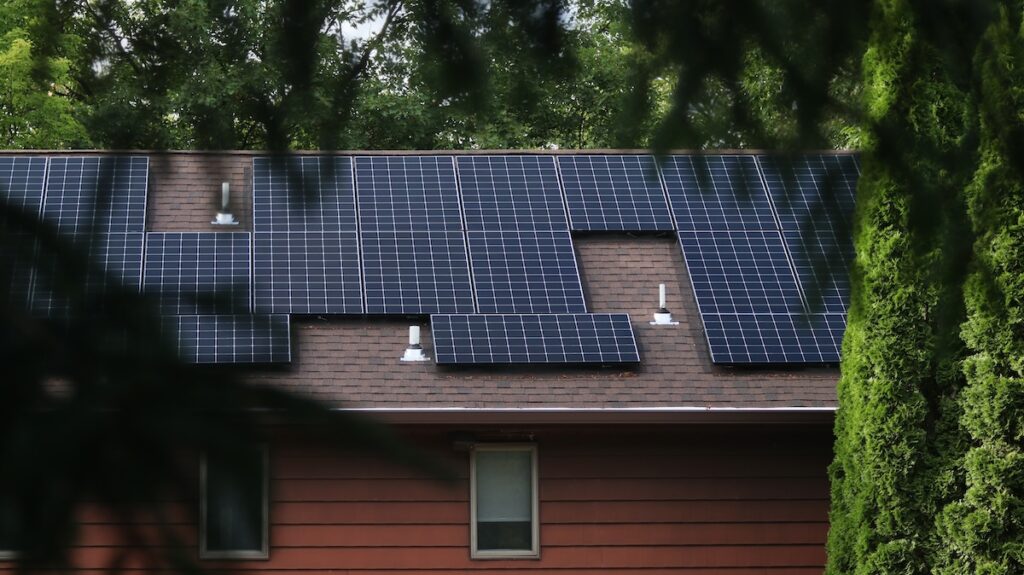
- Carbon footprint reduction: Clean energy production helps reduce greenhouse gas emissions.
- Renewable source: Solar energy is abundant, sustainable, and accessible.
3. Energy Independence and Reliability
Solar allows homeowners to become less dependent on the electric utility company, creating more predictable long term energy costs. Pairing solar with batteries increases resilience.
- Protection from rate increases: Producing your own energy insulates you from rising utility charges.
- Backup options: Batteries store excess energy for use during outages.
4. Incentives and Tax Breaks
Government programs can significantly reduce the cost to install solar panels. Availability depends on location.
- Federal and state tax credits: Reduce the net cost of installation.
- Local rebates: Municipal incentives may provide additional savings.
5. Property Value Impact
Solar panels can positively influence your home’s value, especially as buyers increasingly prioritize energy efficiency.
- Resale considerations: Many buyers view solar as a valuable asset.
- Market trends: Energy efficient homes continue to grow in demand.
6. Installation and Maintenance Challenges
Installing solar must be handled by qualified professionals to ensure proper alignment, roof compatibility, and long term performance. Understanding how roofing upgrades factor into solar readiness is essential, and our breakdown of common roof upgrades explains which improvements may be needed before moving forward with solar installation.
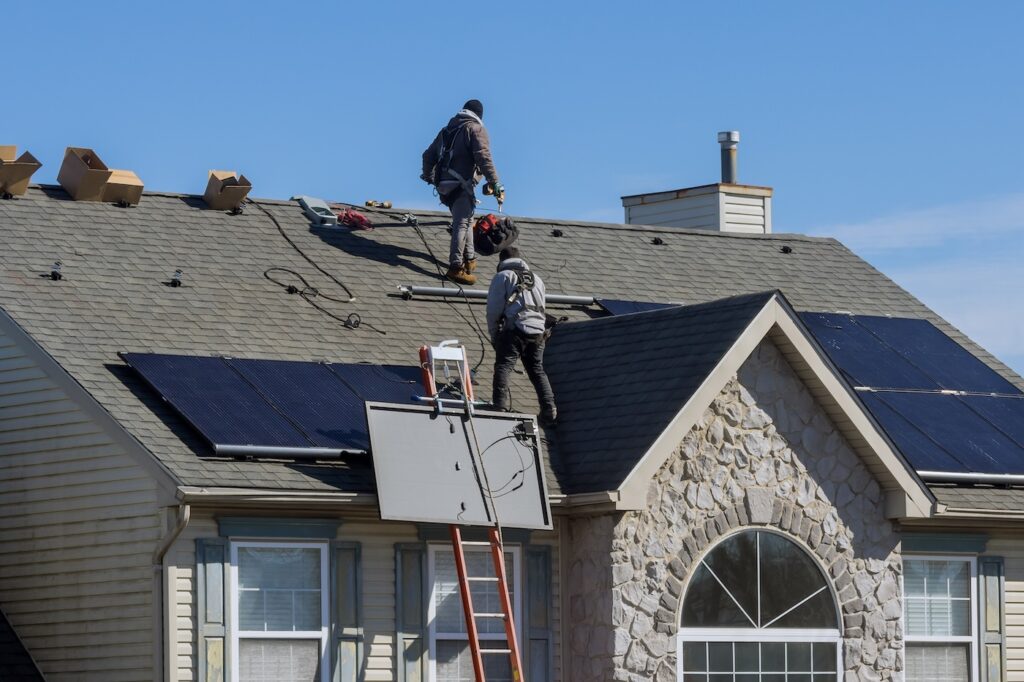
- Installation complexity: Roof type and shading influence feasibility and cost.
- Maintenance needs: Occasional cleaning and inspection keep systems operating efficiently.
7. Limitations Due to Location and Climate
Solar performance varies by region and depends strongly on sunlight exposure. Homes with shade or frequent cloud cover may see reduced output.
- Solar access: Shaded roofs produce less energy.
- Seasonal variations: Winter months may generate less consistent output.
8. Lifespan and Long Term System Performance
Solar panels are built to last decades, which makes them a strong long term energy solution for many homeowners.
- Long lifespan: Most systems last 25 to 30 years.
- Performance guarantees: Warranties often cover expected energy output levels.
Breaking Down the Benefits and Considerations for Homeowners
Choosing to install solar panels involves reviewing factors that extend beyond immediate cost. Many homeowners find that long term savings, energy independence, and sustainability benefits make solar a compelling upgrade. Considering these categories ensures your decision supports your long term goals.
Financial Incentive Details
Solar incentives significantly improve affordability by reducing upfront costs. Tax credits, rebates, and utility programs can all contribute to lowering installation expenses and improving long term solar savings. Evaluating available incentives helps homeowners predict the total return on investment.
Technology Advancements
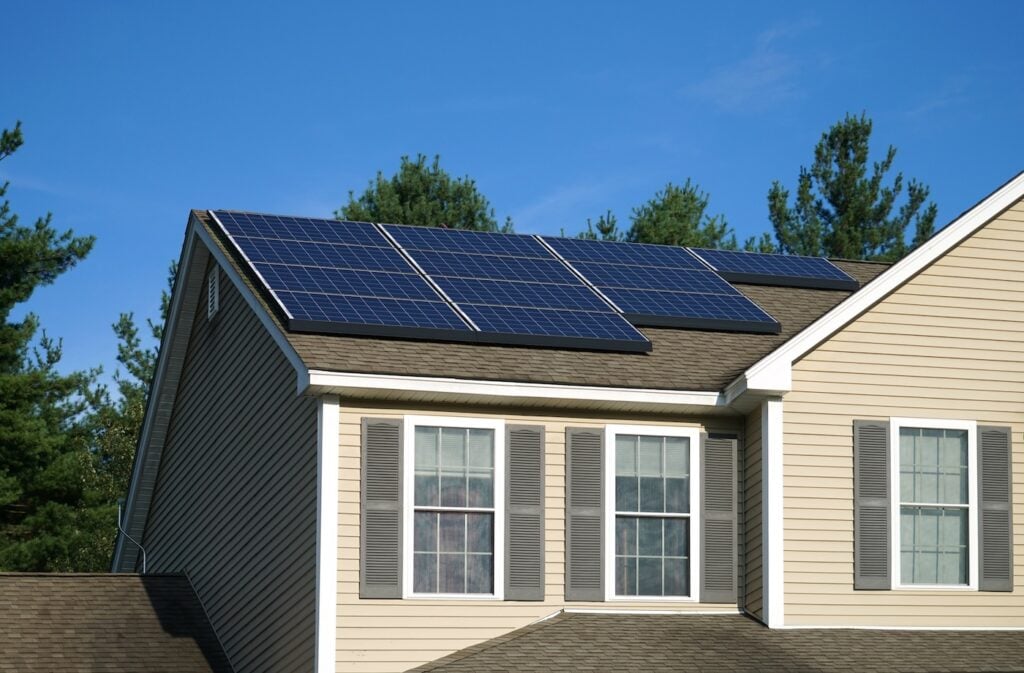
Modern solar panels are more efficient and durable than earlier generations. Advances in panel design, conversion efficiency, and battery storage allow homeowners to capture and utilize excess energy more effectively.
Environmental and Social Impact
Choosing renewable power plays a role in broader environmental goals. Reducing reliance on fossil fuels supports cleaner air and demonstrates a commitment to sustainable living. This choice influences community awareness and inspires broader adoption of renewable technologies.
Design and Integration
Solar technology has advanced to allow panels to blend more seamlessly with existing rooftops. Some systems integrate directly with roofing materials, offering a cleaner appearance without sacrificing performance.
Frequently Asked Questions About Solar Panels
Homeowners often have questions while deciding whether solar is the right fit for them. These insights help clarify expectations before moving forward.
- How long do solar panels last? Most panels last 25 to 30 years with gradual efficiency decline.
- Do solar panels work during outages? Grid-tied systems need batteries to supply power during outages.
- What maintenance is required? Annual inspections and occasional cleaning usually maintain efficiency.
- Can solar increase insurance costs? Some policies adjust premiums slightly, so checking ahead is recommended.
- Do roofs require repair before installation? Older roofs may need reinforcement or replacement before adding solar.
Making the Decision: Is Solar Right for You?
Solar panels can be a valuable investment when properly matched to your home’s location, energy needs, and long term goals. Reviewing the pros and cons ensures you make a confident decision based on financial outcomes and environmental priorities. Homeowners in Waunakee, WI often benefit from professional evaluations that consider roof orientation, sunlight exposure, and local incentives.
Badgerland Exteriors is here to help you evaluate whether solar is a smart investment for your home. Our team provides personalized recommendations, expert assessments, and quality installation designed for long term performance. If you are ready to explore how solar can reduce your monthly electric bill, increase solar savings, and support energy independence, contact us today to get started. Homeowners seeking roofing and solar guidance in Madison, WI can rely on experienced professionals who evaluate both energy performance and roof durability to ensure long-term results.
For homeowners in Verona, WI, working with a trusted local contractor helps ensure solar installations align with roofing integrity, energy goals, and neighborhood standards while maximizing long-term savings.

Let’s Get Started
Fix Your Roof the Badger Way
Got a question? Want to learn more about your options when it comes to caring for your home exterior? Our team is standing by with the information you need to start you roof replacement project today!
