
9 Gutter Downspout Problems Homeowners Often Miss
7 Min Read
POSTED 03.03.2026
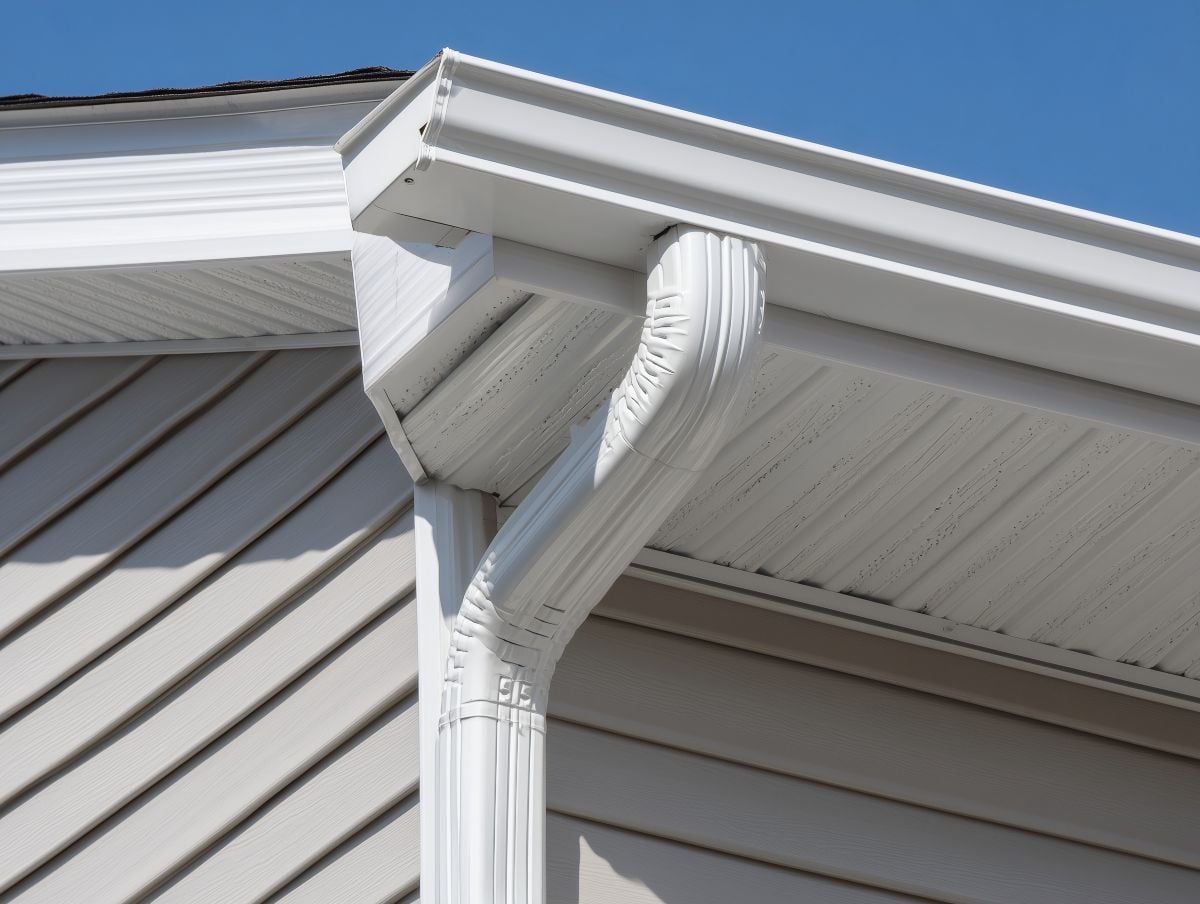
A properly functioning gutter downspout system is essential for directing water away from your home. In Brookfield, WI, where heavy rain, snowmelt, and freeze thaw cycles are common, even small drainage issues can lead to foundation damage, basement moisture, or siding deterioration. While many homeowners focus on cleaning gutters, downspout problems are often overlooked until visible damage appears.
Before storm season hits, keep these key concerns in mind:
- Water must exit efficiently: Blocked or undersized downspouts cause overflow.
- Drainage direction matters: Water should flow away from the foundation.
- Hidden clogs are common: Debris buildup inside downspouts often goes unnoticed.
We’re proud to serve homeowners in Brookfield, WI and surrounding communities with gutter inspections, downspout repairs, and complete drainage system evaluations.
Why Downspouts Matter More Than You Think
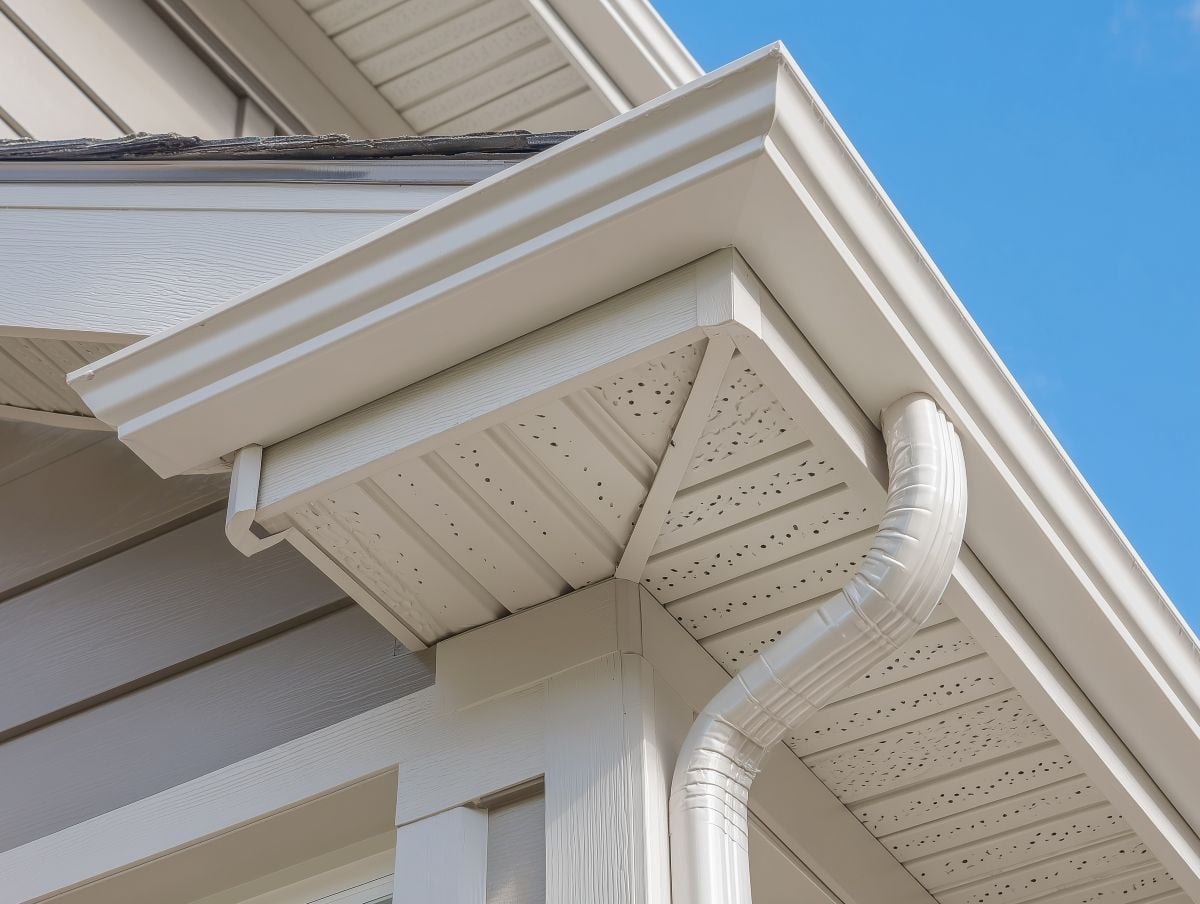
Gutters collect water from the roof, but downspouts carry that water safely to the ground. If downspouts are clogged, disconnected, or improperly positioned, water can pool near the home’s foundation. Over time, this increases the risk of soil erosion, basement leaks, and structural movement.
Downspout performance directly impacts the entire drainage system. Even if your gutters are clean and properly sloped, a blocked or damaged downspout can prevent water from flowing away as intended. The correct length, proper elbow placement, and secure installation with durable screws all contribute to long term performance. Material choice, whether aluminum, vinyl, or copper, also affects durability and lifespan.
9 Gutter Downspout Problems Homeowners Often Miss
Downspout issues can develop gradually and may not be obvious from ground level. The following problems are among the most common and can cause significant damage if left unresolved.
1. Hidden Internal Clogs
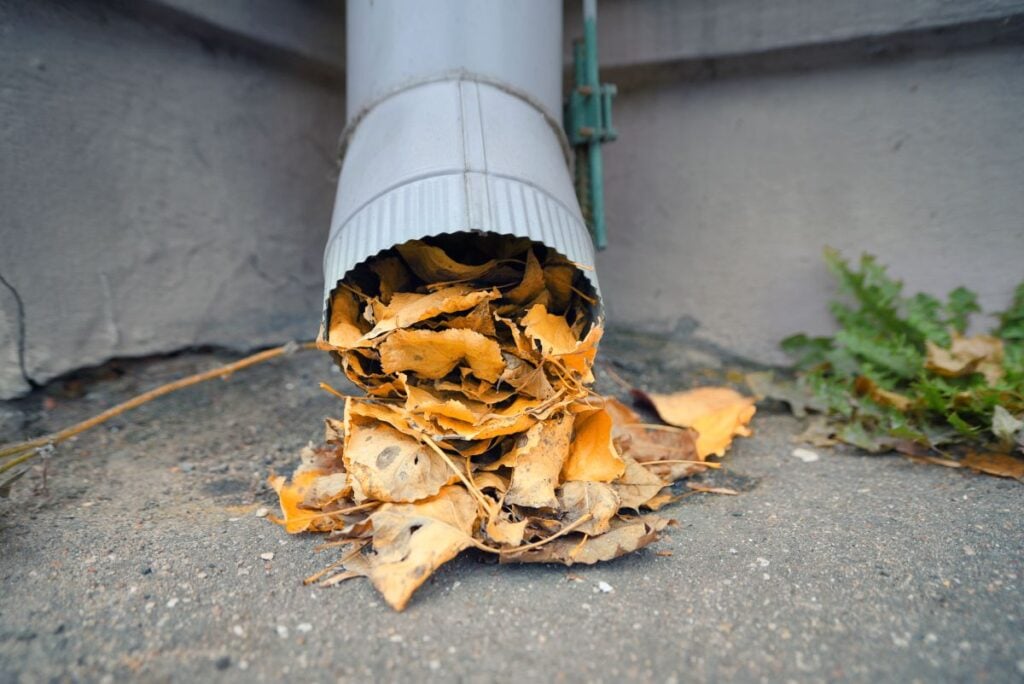
Leaves, twigs, and shingle granules can travel from gutters into downspouts and accumulate out of sight. Over time, this debris restricts water flow and causes backups. Installing a gutter guard can reduce debris entering the system, but it does not eliminate the need for periodic inspection.
- Slow drainage: Water drains sluggishly during rainfall.
- Overflow at gutter edge: Water spills over even when gutters appear clean.
2. Improper Downspout Placement
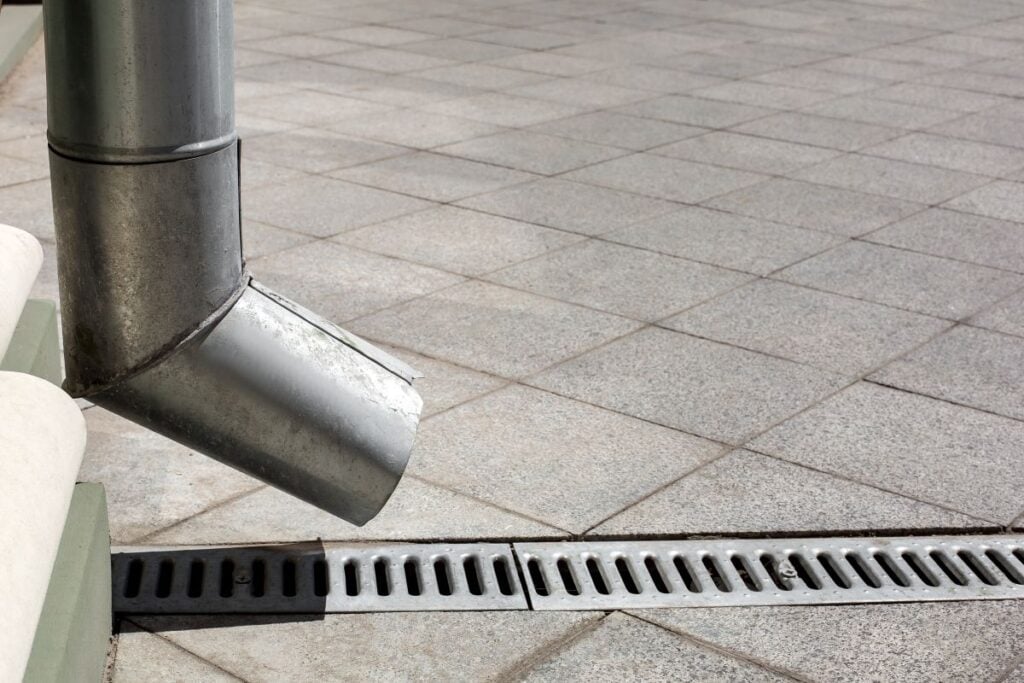
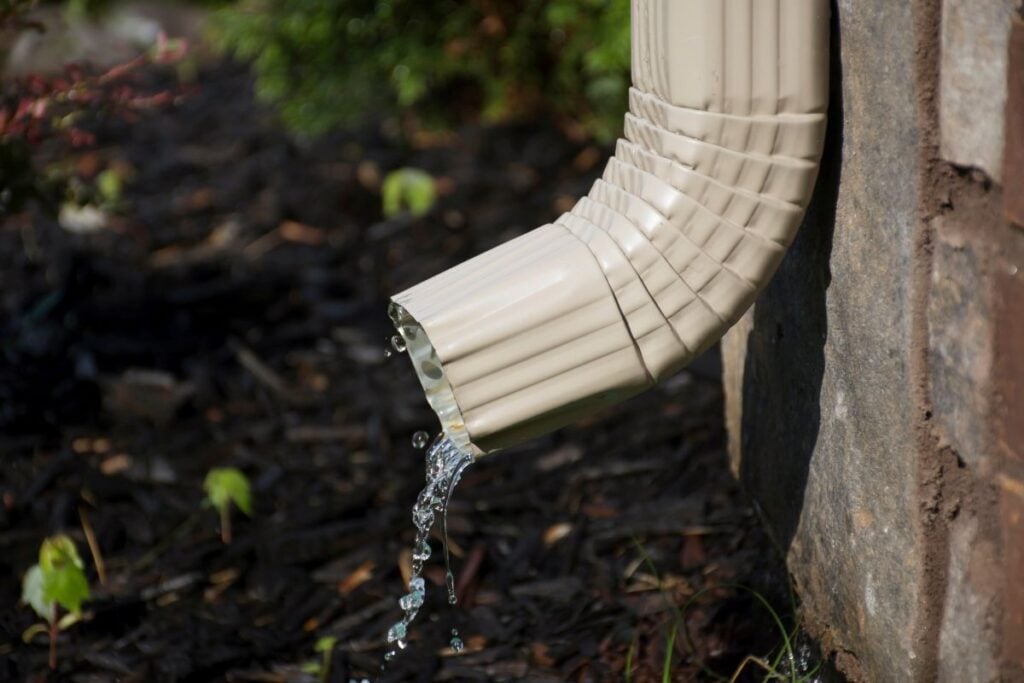
Downspouts that discharge water too close to the foundation can cause pooling and soil erosion. Water should be directed several feet away from the home, often using extensions or splash blocks.
- Short extensions: Water empties directly at the base of the house.
- Pooling soil: Ground remains saturated after storms.
3. Disconnected Joints
Over time, brackets and joints can loosen due to weather exposure. Gaps in the system allow water to escape before reaching the ground. Loose screws or improperly secured connections during installation often contribute to this issue.
- Visible separation: Sections pull apart at seams.
- Dripping connections: Water leaks from mid sections during rainfall.
4. Crushed or Bent Sections
Lawn equipment, falling branches, or shifting siding can dent or bend downspouts. These obstructions restrict proper water flow and may require replacement sections.
- Flattened areas: Visible compression along the pipe.
- Water splashing outward: Misaligned discharge during storms.
5. Insufficient Downspout Capacity
Some homes have too few downspouts for the size of the roof. Heavy rainfall overwhelms the system, causing overflow. In certain cases, adding a downspout adapter or additional outlet improves flow efficiency.
- Overflow during moderate rain: System struggles even in lighter storms.
- Wide roof sections: Large roof planes feeding limited outlets.
6. Underground Drainage Blockages
If downspouts connect to underground drain lines, clogs can occur below the surface. These are especially difficult to detect without inspection.
- Backflow from bottom opening: Water reverses direction.
- Persistent standing water: Ground remains wet long after rainfall ends.
7. Ice Blockages in Winter
In colder climates like Brookfield, WI, trapped water inside downspouts can freeze, creating ice blockages that prevent drainage. Ice can also stress joints and seams.
- Ice bulges: Visible swelling or frost buildup.
- Winter overflow: Water spills from gutter edges during thaw cycles.
8. Missing Splash Blocks or Extensions
Splash blocks and extensions help disperse water away from the foundation. Without them, concentrated discharge can erode soil and expose foundation walls. A properly angled elbow at the bottom of the downspout helps guide water efficiently.
- Soil erosion: Washed out landscaping near discharge point.
- Foundation exposure: Dirt pulling away from base walls.
9. Improper Slope or Alignment
Downspouts must maintain a clear path for water flow. Sections that tilt inward or outward disrupt drainage. The funnel shaped top connection between the gutter and downspout must also remain secure to prevent leaks at the transition point.
- Standing water inside pipe: Indicates alignment issue.
- Uneven appearance: Pipe not flush against siding.
Signs Your Downspout System Needs Attention
Sometimes the warning signs appear inside the home before you notice exterior problems. Basement dampness, musty odors, or cracks near the foundation can all point to drainage concerns. Interior symptoms often develop gradually, making routine checks essential.
Exterior clues may include water stains on siding, peeling paint near downspouts, excessive mulch displacement after storms, or visible erosion around discharge areas. If you notice corrosion on copper or cracking in vinyl sections, replacement may be necessary to maintain durability.
How to Prevent Downspout Problems
Routine maintenance helps reduce the likelihood of serious drainage issues. Homeowners can take proactive steps to ensure water flows freely through the entire system.
- Inspect after storms: Look for separation, dents, or pooling.
- Flush with water: Use a hose to test internal flow.
- Secure loose screws: Tighten fasteners along brackets and joints.
- Confirm proper length and slope: Ensure water exits far from the foundation.
- Schedule professional installation checks: Verify adapters, elbows, and connections remain secure.
Professional evaluations can uncover issues not easily visible from ground level, especially when underground lines or specialized adapters are involved.
Downspout Repair vs Replacement
Not every issue requires full replacement. Minor clogs, loose joints, or small dents can often be repaired quickly and restore proper drainage. However, severely corroded copper sections, cracked vinyl components, or improperly installed adapters may require partial or full replacement to ensure water flows safely away from the home.
Consider repair when:
- Clogs are isolated: A single blockage can be cleared without replacing sections.
- Connections are loose: Re securing brackets or replacing screws restores alignment.
- Minor dents exist: Small bends that do not significantly restrict flow can be corrected.
Replacement may be the better option when:
- Frequent backups occur: Ongoing drainage issues suggest deeper problems.
- Severe corrosion is present: Rust or cracks compromise structural integrity.
- System is undersized: Additional capacity or length is needed to handle roof runoff.
- Adapters or elbows are damaged: Compromised fittings affect overall performance.
A professional evaluation determines whether targeted repairs will restore function or if upgrading to a more efficient configuration is the better long term solution.
Frequently Asked Questions About Gutter Downspouts
Homeowners often have questions about how downspouts affect overall drainage and foundation protection. The answers below provide additional clarity.
How far should a downspout extend from the house?
Downspouts should generally direct water at least three to six feet away from the foundation. This helps prevent soil saturation, erosion, and long term structural movement.
What materials last the longest?
Copper offers exceptional durability and longevity, while aluminum provides a balance of cost and performance. Vinyl is budget friendly but may crack in extreme cold temperatures.
Can clogged downspouts cause basement leaks?
Yes. When water cannot exit properly, it pools around the foundation. Over time, this increases hydrostatic pressure against basement walls, potentially leading to leaks and interior moisture problems.
Do gutter guards eliminate downspout clogs?
A gutter guard reduces large debris entering the gutter, but smaller particles can still pass through and accumulate in the downspout. Periodic inspections are still necessary.
Why Homeowners Trust Badgerland Exteriors
Badgerland Exteriors provides professional gutter and downspout services designed to protect homes from water damage. Our team evaluates drainage performance, inspects adapters and elbow connections, verifies secure installation, and recommends practical solutions tailored to your home’s layout. Whether you need minor repairs or a full gutter system upgrade, we focus on long term performance and reliable workmanship. Contact Badgerland Exteriors today to schedule your gutter downspout evaluation in Brookfield, WI or nearby communities.
Let’s Get Started
Fix Your Roof the Badger Way
Got a question? Want to learn more about your options when it comes to caring for your home exterior? Our team is standing by with the information you need to start you roof replacement project today!
