
10 Gutter Maintenance Tips Before Storm Season Start
6 Min Read
POSTED 12.02.2026
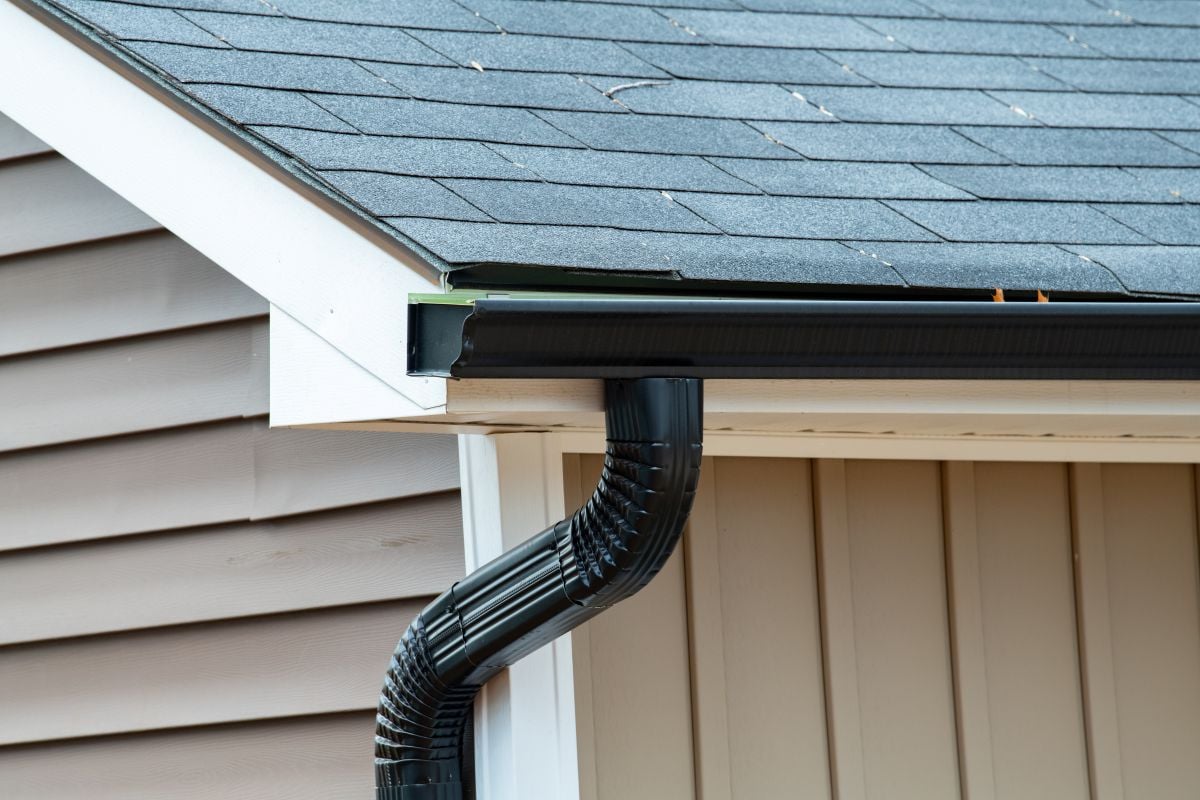
Preparing your home before heavy rain arrives is one of the best ways to prevent water damage. Proper gutter maintenance tips before storm season start can help homeowners in Janesville, WI protect their roof, siding, and foundation from unnecessary wear. When existing gutters are clogged or misaligned, stormwater cannot drain properly, increasing the risk of leaks and structural issues within the entire roofing system.
Before storm season arrives, keep these priorities in mind:
- Clear drainage prevents overflow: Clean gutters reduce the chance of water backing up under roof shingles.
- Stable attachments improve performance: Secure brackets help gutters handle heavy rainfall.
- Early inspections reduce costly repairs: Addressing small issues prevents larger structural damage later.
We’re proud to serve homeowners in Janesville, WI and surrounding communities with gutter services, roof inspections, exterior evaluations, and storm preparation support.
Why Gutter Maintenance Matters Before Storm Season
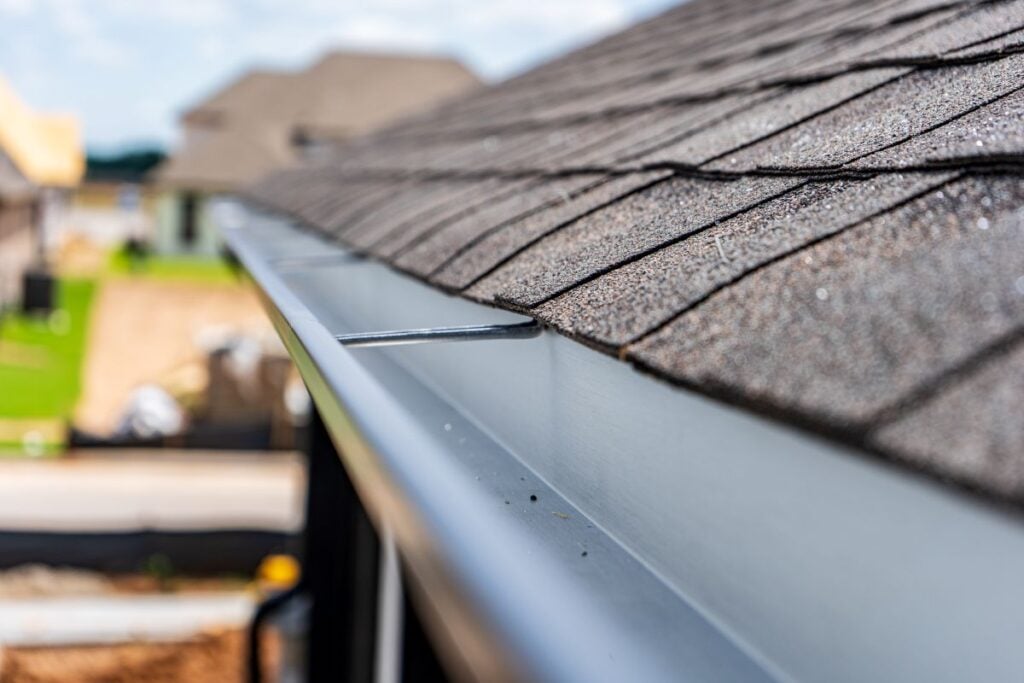
Storm season brings intense rainfall, wind, and debris. Gutters are designed to channel water away from your roofline and home’s foundation, but when they are blocked or damaged, water can overflow and collect in areas that are not designed to handle constant moisture. Wet debris trapped inside gutters becomes heavy and restricts drainage, placing strain on brackets and fascia boards.
Routine maintenance helps preserve siding, fascia boards, landscaping, and basement walls. Water that pools near the home’s foundation can gradually weaken soil stability and increase the risk of interior moisture problems. Taking preventive steps before storms arrive ensures your roofing system performs when you need it most and helps prevent ice dams during colder months.
10 Gutter Maintenance Tips to Prepare for Storm Season
Proactive care makes a significant difference in how your home handles severe weather. The following tips outline practical steps homeowners can take before the next storm system rolls in.
1. Remove Leaves and Debris
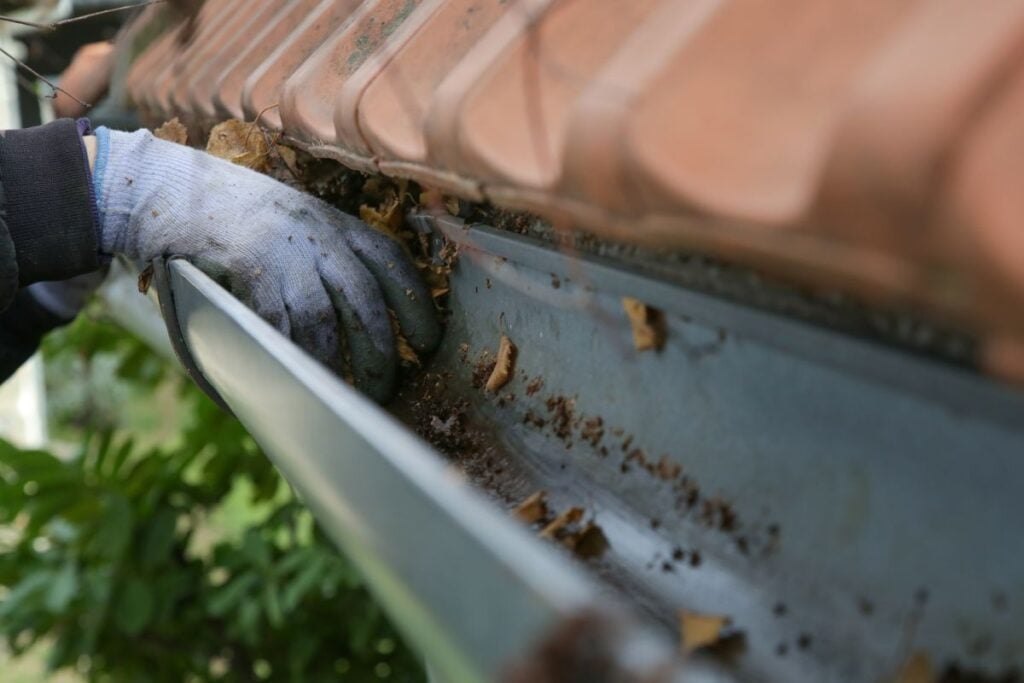
Accumulated wet debris is one of the most common causes of clogged gutters. Clearing out leaves, twigs, and dirt improves water flow and reduces overflow risk.
- Manual clearing: Use gloves or a gutter scoop to remove buildup.
- Flush with water: Rinse the channel to confirm smooth drainage.
2. Check Downspouts for Blockages
Even if gutters appear clean, downspouts can be clogged internally. A blocked downspout prevents proper drainage during heavy rainfall.
- Water flow test: Run a hose to confirm steady discharge.
- Clear obstructions: Remove buildup using appropriate tools.
3. Inspect for Sagging Sections
Sagging gutters cannot maintain proper slope, which prevents water from draining efficiently. Storm season increases weight stress due to rainfall and debris.
- Bracket inspection: Tighten loose fasteners.
- Slope correction: Ensure gutters angle slightly toward downspouts.
4. Seal Leaks and Joint Gaps
Small cracks or open seams can expand under heavy rainfall. Addressing these early helps repair leaks before they spread into surrounding materials.
- Apply gutter sealant: Use exterior grade products.
- Check corner joints: Reinforce vulnerable connection points.
5. Confirm Secure Attachment to Fascia
High winds can loosen damaged gutters that are not properly secured. Checking attachment points before storms reduces the risk of detachment.
- Fastener check: Replace missing or loose screws.
- Structural support: Ensure fascia boards remain stable.
6. Extend Downspouts Away From the Foundation
Water discharged too close to the home can pool around the base. Proper extensions help protect the home’s foundation and reduce soil erosion.
- Add extensions: Direct water several feet away.
- Check grading: Ensure soil slopes away from the house.
7. Trim Overhanging Branches
Nearby tree limbs contribute debris and can break during storms. Reducing overhang helps keep existing gutters cleaner.
- Prune branches: Remove limbs directly above rooflines.
- Prevent buildup: Reduce leaf accumulation during wind events.
8. Inspect for Rust or Corrosion
Metal gutters can deteriorate over time. Identifying weak spots before heavy storms helps prevent sudden failure.
- Surface rust: Sand and reseal affected areas.
- Deep corrosion: Replace compromised sections.
9. Consider Installing Gutter Guards
Some homeowners choose to install gutter guards to reduce debris accumulation. While they do not eliminate maintenance, they can reduce the frequency of cleaning.
- Debris reduction: Limits buildup from leaves and twigs.
- Improved flow: Supports consistent drainage during storms.
10. Schedule a Professional Inspection
A roofing professional can assess both gutter performance and roof condition before storm season. Identifying early warning signs reduces the risk of unexpected damage to roof shingles and other roofing system components.
- Comprehensive review: Evaluate roofline and drainage system together.
- Preventive planning: Address vulnerabilities before storms arrive.
Common Storm-Related Gutter Problems
Storm season often exposes hidden weaknesses in gutter systems. Heavy rainfall can overwhelm clogged sections, while strong winds may detach damaged gutters. In colder conditions, blocked gutters increase the likelihood of ice dams forming along roof edges, which can lead to additional water intrusion under shingles.
Proactive inspection and reinforcement reduce the likelihood of emergency service calls once storms begin. Addressing maintenance concerns early supports overall roof performance and helps homeowners avoid costly repairs.

Common Gutter Maintenance FAQs
Homeowners often have questions about how often gutters should be cleaned and what signs indicate professional help is needed. The answers below clarify key concerns before storm season begins.
How often should gutters be cleaned before storm season?
Most homes benefit from cleaning at least twice per year, typically in spring and fall. However, properties with heavy tree coverage may require more frequent maintenance to prevent clogs and overflow during storms.
What happens if gutters overflow during heavy rain?
Overflowing gutters can direct water toward siding, windows, and the home’s foundation. Over time, this increases the risk of erosion, basement moisture issues, and roof leaks.
Are gutter guards enough to prevent clogs?
Gutter guards reduce debris buildup but do not eliminate the need for maintenance. Even when you install gutter guards, small particles can still accumulate and should be checked regularly.
Can clogged gutters cause roof leaks?
Yes. When water backs up due to blockages, it can seep under roof shingles and create leaks. This is why early maintenance plays an important role in protecting the entire roofing system.
When should I call a professional instead of cleaning gutters myself?
If gutters are high, severely clogged, sagging, or showing signs of damage, it is safer to schedule a professional inspection. Roofing professionals can evaluate the entire drainage system and identify related roof concerns before they require larger repairs.
Why Homeowners Trust Badgerland Exteriors
Badgerland Exteriors provides professional gutter services, gutter repairs, and full system installations, along with comprehensive roof inspections and exterior evaluations. Our team installs and services gutter systems, addresses drainage issues, and identifies vulnerabilities that could worsen during severe weather. Whether you need routine maintenance, repairs, or a full gutter upgrade, we offer dependable service and practical recommendations. Contact Badgerland Exteriors today to schedule your gutter or roof evaluation in Janesville, WI or nearby communities.
Let’s Get Started
Fix Your Roof the Badger Way
Got a question? Want to learn more about your options when it comes to caring for your home exterior? Our team is standing by with the information you need to start you roof replacement project today!
