
How to Install Solar Panels on Roof? DIY vs Hiring Pros
6 Min Read
POSTED 24.02.2026
Understanding how to install solar panels on roof systems is an important step for homeowners considering renewable energy. In Sun Prairie, WI, solar installations continue to grow in popularity as homeowners look for ways to reduce energy costs and increase long term efficiency. A properly designed solar panel system not only supports energy savings but also enhances property value and sustainability. While installing solar panels may seem straightforward, the process involves structural considerations, electrical work, and precise placement to ensure safety and performance. Proper planning also helps protect your roofing system and ensures your solar investment performs reliably for years to come.
Before deciding whether to handle installation yourself or hire professionals, consider these key factors:
- Roof structure matters: The roof must support the weight of solar equipment and panel mounting hardware.
- Electrical expertise is required: Solar power systems must be properly connected to your home’s electrical system.
- Local regulations apply: Permits and inspections are typically required for residential solar installations.
We’re proud to serve homeowners in Sun Prairie, WI and surrounding communities with roofing inspections, structural evaluations, and exterior guidance that supports solar readiness.
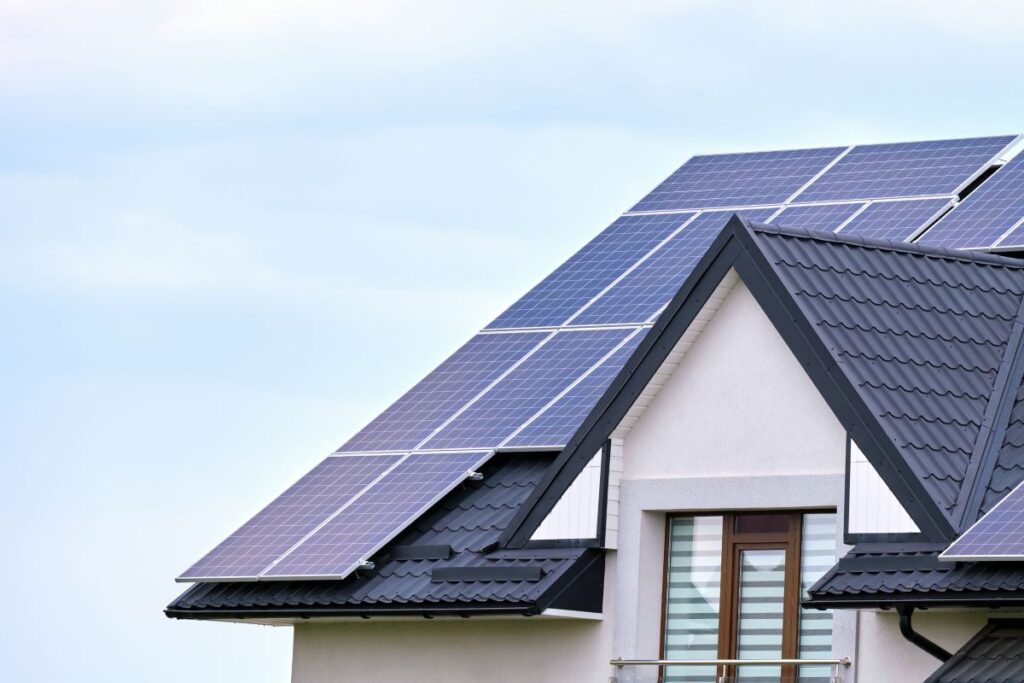
Understanding How Solar Panels Are Installed on a Roof
Solar panel installation involves more than attaching panels to the roof surface. The process requires careful planning, structural assessment, and precise alignment to ensure optimal energy production and long term roof performance. Proper installation also protects the roofing system from leaks and structural damage that could compromise your home.
The typical installation process includes evaluating roof condition, selecting the correct mounting system, installing flashing around penetrations, and securely attaching solar panels. Each step must be completed accurately to maintain the integrity of both the solar panel system and the roof. Installers also consider roof orientation, shading patterns, and seasonal sun exposure to maximize solar power generation and overall efficiency.
6 Steps to Install Solar Panels on a Roof
Whether you are exploring a DIY project or considering professional installation, understanding the process helps you make informed decisions. Below are the essential steps involved in installing solar panels on a residential roof.
- Evaluate Roof Condition and Structure: Inspect the roofing system to confirm it is in good condition and capable of supporting the added weight. Roof repairs or reinforcement may be necessary before installation begins, especially on metal roofs or aging structures.
- Determine Panel Placement and Orientation: Panels should be positioned to maximize sunlight exposure. South facing roof slopes typically provide the best performance in Wisconsin climates, while shading from nearby structures should be minimized.
- Install Mounting Hardware: Mounting brackets are secured to roof rafters using flashing and sealants to create a watertight connection. Proper panel mounting prevents moisture intrusion and protects the roofing structure.
- Attach Solar Panels to Mounts: Panels are carefully secured to the mounting system and aligned for optimal efficiency. Precision is essential to ensure long term durability and consistent solar power generation.
- Connect Electrical Components: Wiring, inverters, and electrical connections are installed to convert solar energy into usable electricity. Grid tied systems allow homeowners to send excess energy back to the utility grid when production exceeds household demand.
- Complete Inspection and System Activation: Once installation is finished, the system is inspected and connected to the electrical grid. Final approval ensures the system meets local building codes and safety requirements.
DIY Solar Panel Installation: Pros and Cons
Some homeowners consider installing solar panels themselves to reduce costs. While DIY installation may seem appealing, it comes with both advantages and potential risks. Understanding these factors can help you determine whether a hands on approach is realistic for your experience level and safety considerations.
Pros of DIY Installation
- Lower upfront cost: Eliminates professional labor expenses.
- Hands on involvement: Provides direct control over the installation process.
- Flexible timeline: Work can be completed according to your schedule.
Cons of DIY Installation
- Safety risks: Working at heights and handling electrical components increases risk.
- Permit and code challenges: Navigating local regulations can be complex.
- Potential roof damage: Improper installation may lead to leaks or structural issues, particularly on tile roof surfaces.
- Warranty limitations: Manufacturer warranties may require professional installation.
Hiring a Professional Solar Installer: Pros and Cons
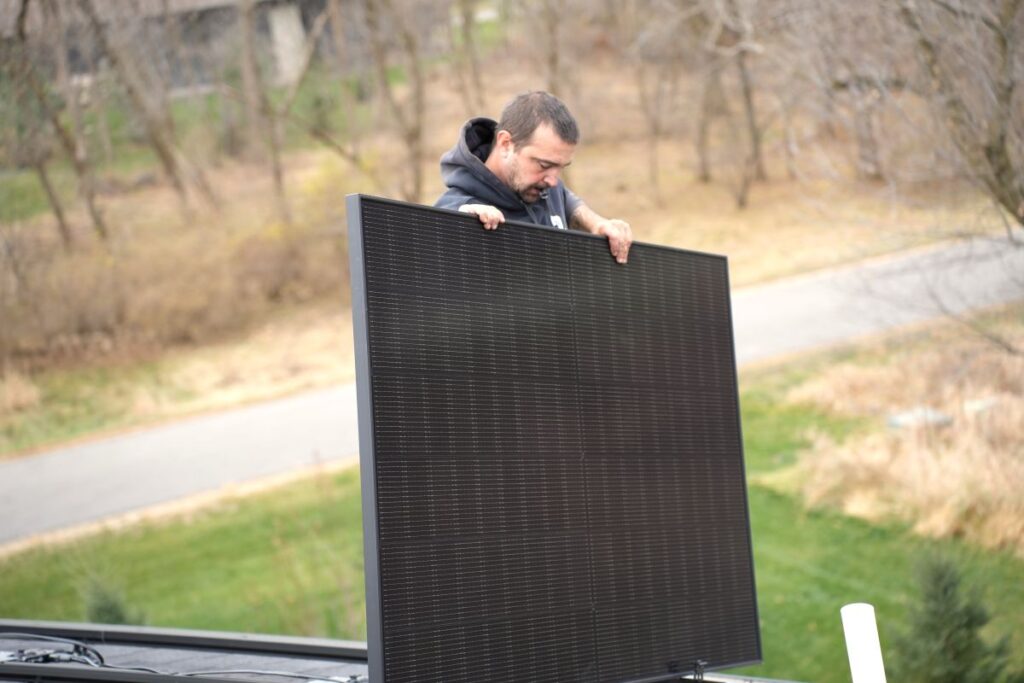
Hiring professionals ensures your solar panel system is installed safely, efficiently, and in compliance with local regulations. Professional installers bring specialized expertise, proper equipment, and industry knowledge to every project, reducing the likelihood of installation errors and improving long term system performance.
Pros of Professional Installation
- Code compliance: Licensed professionals ensure proper permitting and inspections.
- Warranty protection: Professional installation often maintains manufacturer warranties.
- Structural assurance: Installers evaluate roof integrity before beginning work.
- System optimization: Panels are positioned for maximum solar power efficiency and output.
Cons of Professional Installation
- Higher upfront cost: Professional labor increases initial investment.
- Scheduling considerations: Installation timelines depend on contractor availability.
DIY vs Hiring Pros: Quick Comparison
| Factor | DIY Installation | Professional Installation |
| Cost | Lower upfront expense | Higher initial investment |
| Safety | Increased risk | Professionally managed safety |
| Permits & Inspections | Homeowner responsibility | Handled by contractor |
| Warranty Protection | May be limited | Typically included |
| Installation Quality | Varies by skill level | Consistent professional results |
Understanding these differences helps homeowners determine which option best aligns with their budget, experience, and long term goals.
Key Considerations Before Installing Solar Panels
Before proceeding with installation, homeowners should evaluate several important factors. These considerations ensure the solar panel system performs efficiently while preserving the integrity of the roofing structure and supporting long term sustainability goals.
- Roof age and condition: Older roofs may require replacement before installation.
- Sun exposure and shading: Trees, chimneys, and nearby structures can impact performance.
- Structural capacity: The roof must support the added weight of solar equipment.
- Local building codes: Permits and inspections are required for compliance.
- Long term energy goals: Solar systems should align with household energy needs and potential energy savings.
Why Homeowners Trust Badgerland Exteriors
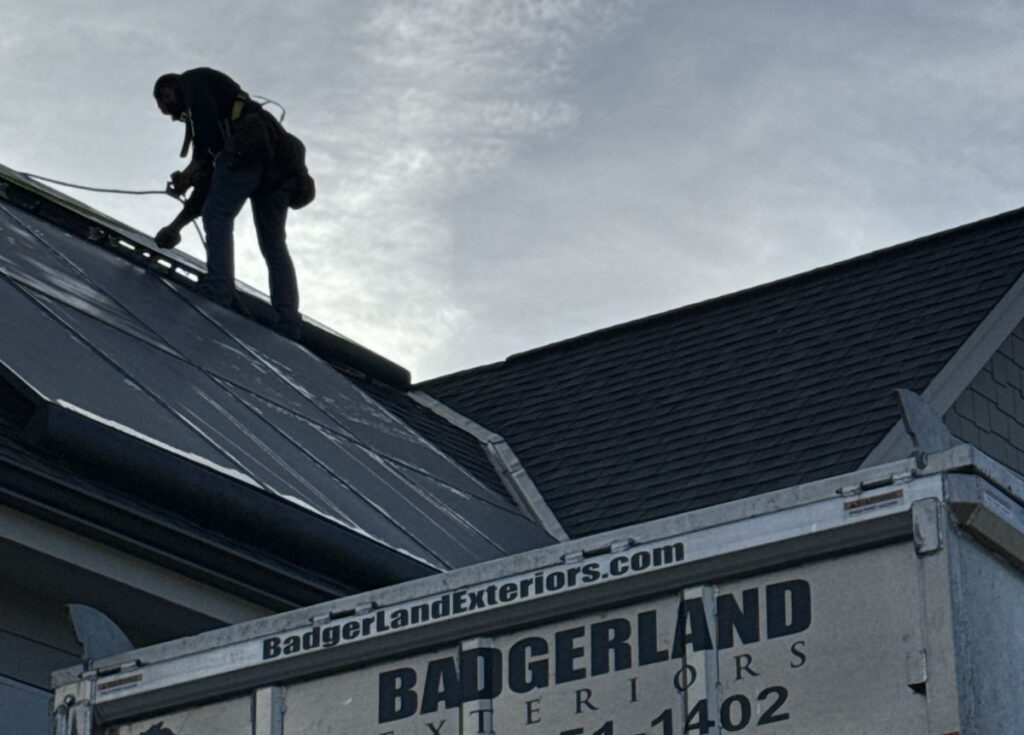
Badgerland Exteriors provides thorough roof inspections and structural evaluations to ensure homes are ready for solar panel installation. Our team assesses roof condition, ventilation, and load bearing capacity to support safe and efficient solar integration on various roofing materials, including asphalt shingles and metal roofs. Whether you are planning a new solar project or preparing your roof for future installation, we offer expert guidance and dependable service. Contact Badgerland Exteriors today to schedule your roof evaluation in Sun Prairie, WI or nearby communities.
Let’s Get Started
Fix Your Roof the Badger Way
Got a question? Want to learn more about your options when it comes to caring for your home exterior? Our team is standing by with the information you need to start you roof replacement project today!
