
Save Your Roof: Metal Roof Hail Damage Solutions
7 Min Read
POSTED 11.11.2025
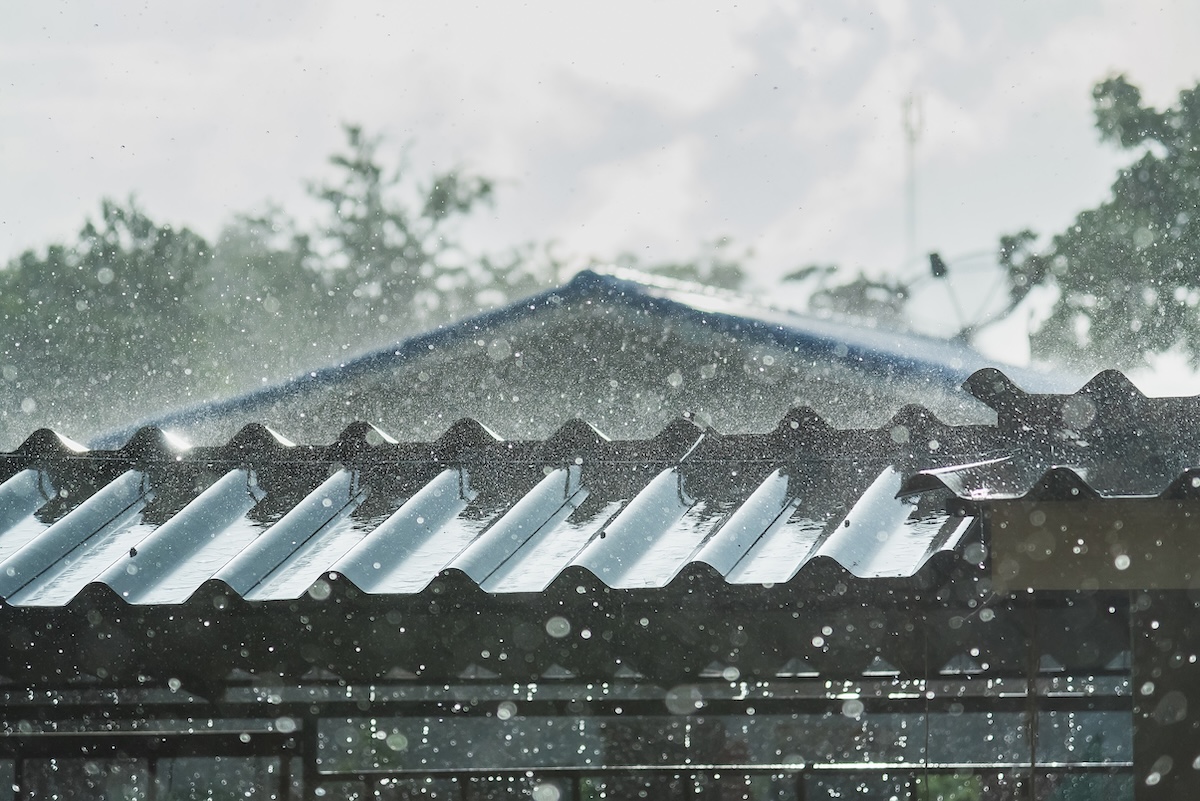
When severe weather strikes, your home’s exterior faces numerous threats, with hailstorms ranking among the most destructive. Understanding how to identify and address metal roof hail damage is crucial in preserving your home’s safety and value. A metal roof is known for its durability, but even the strongest materials can suffer from hail impact, leading to costly repairs if ignored. For those seeking expert assistance with roofing repairs and maintenance, exploring professional roofing services can provide peace of mind and reliable results.
- How metal roofs respond to hail damage and why timely detection matters
- Key signs indicating your metal roof has hail damage
- Practical steps for assessing and repairing hail damage on metal roofing
- Preventative measures and maintenance strategies to extend the life of your metal roof
Why Metal Roof Hail Damage Matters
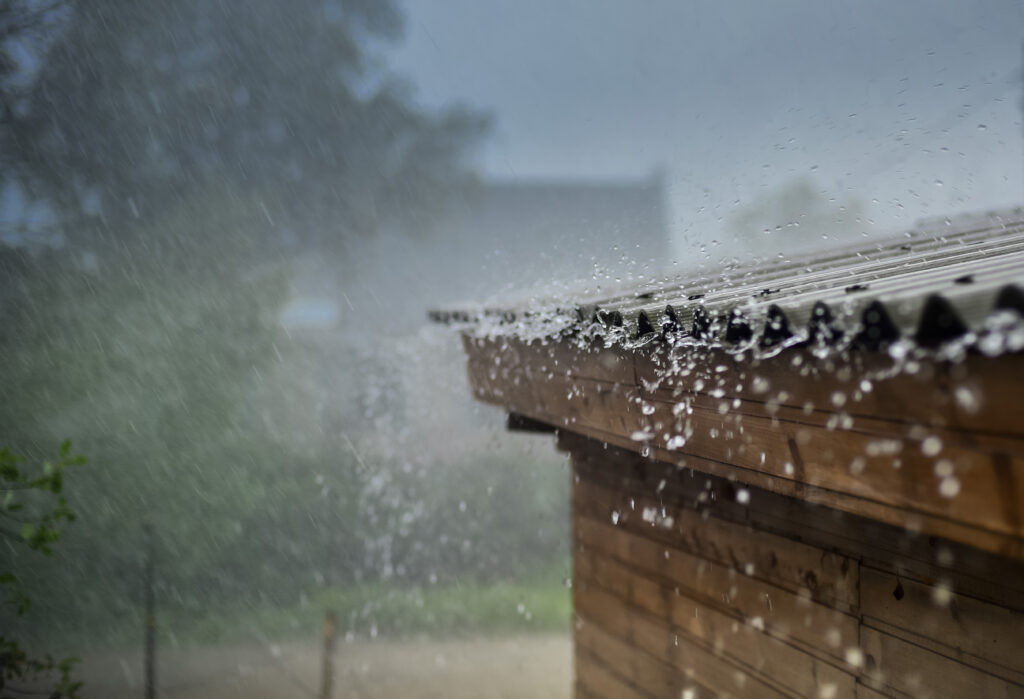
Metal roofs are an excellent investment, praised for their longevity, energy efficiency, and aesthetic appeal. However, hailstorms can compromise these advantages if damage goes unnoticed or unrepaired. Recognizing the significance of hail damage helps homeowners take appropriate action quickly.
- Protection of Property Value: Untreated hail damage can decrease your home’s market value and curb appeal.
- Waterproof Integrity: Even small dents or punctures can lead to leaks and water intrusion, causing interior damage.
- Energy Efficiency: Damaged metal roofs lose their reflective properties, potentially increasing energy costs.
- Structural Safety: Accumulated damage weakens the roof’s overall strength and durability.
Understanding these implications sets the stage for informed maintenance and repair choices that protect your investment long-term.
7 Essential Steps to Identify and Address Metal Roof Hail Damage
Recognizing hail damage early is vital to preventing escalation, and knowing how to approach repairs makes the process manageable.
1. Inspect for Visible Dents, Dings, and Cosmetic Damage
After a hailstorm, conduct a thorough visual examination of your metal roof. Look for dents, which may range from small pit marks to larger depressions depending on hail size.
- Use binoculars or a drone for hard-to-reach areas
- Note clusters of impacts as they often highlight the path of hail
2. Assess for Coating and Paint Damage
Metal roofs feature protective coatings to prevent corrosion. Hail can chip, scratch, or remove this coating, exposing the metal underneath.
- Look for discoloration or peeling paint
- Check for rust spots which can develop over time
3. Examine Flashing and Roof Edges
Flashing and edges are particularly vulnerable during hailstorms. Damage here can create weak points for water to enter. If you notice compromised seals, applying the correct materials is critical—our guide on using a waterproof sealant for metal roofs explains which products provide long-lasting protection and how proper sealing prevents leaks after severe weather.
- Inspect around chimneys, vents, and skylights
- Look for cracks, bends, or loosened pieces
4. Monitor for Signs of Water Intrusion
Post-storm, watch for dripping, stains, or mold indoors that may indicate a compromised roof seal.
- Check attics and ceilings for unexpected moisture
- Early detection can prevent costly interior repairs
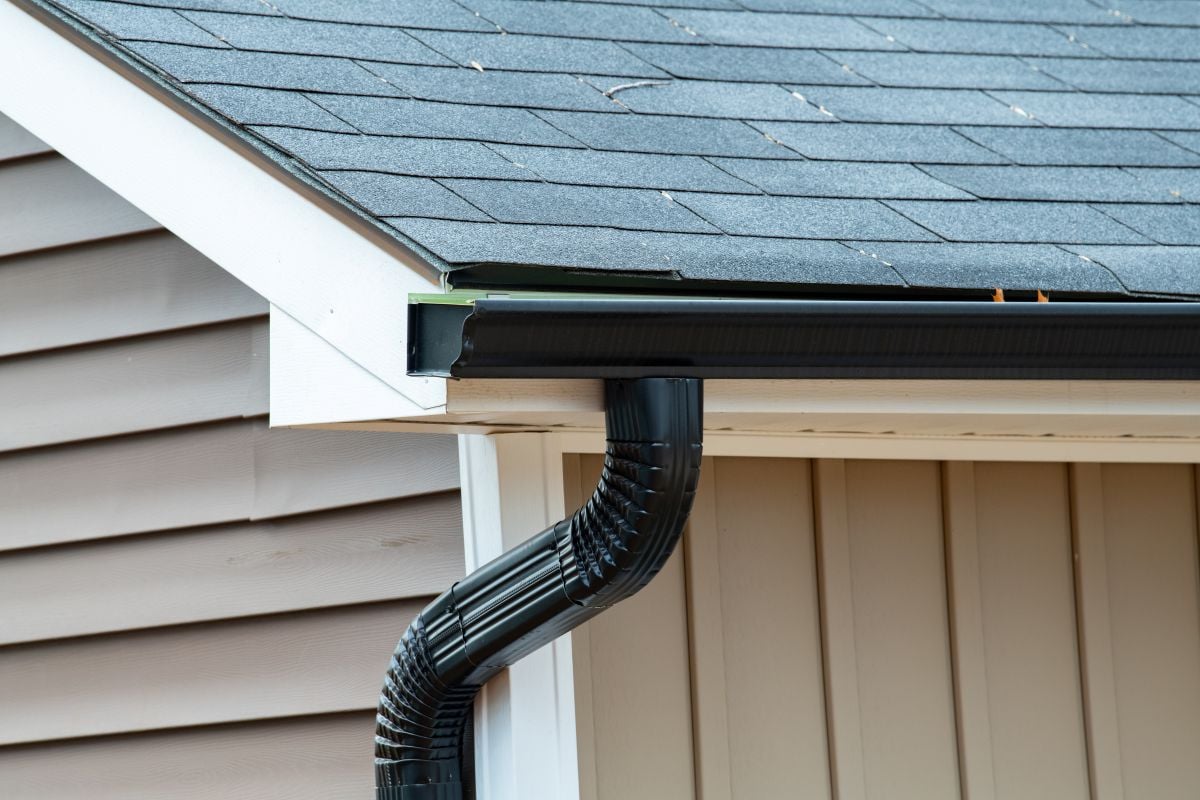
5. Inspect Gutters and Downspouts
Hail often damages more than just the roof surface. Gutters and downspouts can dent or clog from debris impact, affecting proper water drainage.
- Look for visible dents or sagging sections
- Ensure water flows freely during rainfall
6. Document All Findings for Insurance Purposes
Detailed records of damage can streamline the claims process and ensure fair coverage. For a smoother claims process and to avoid common pitfalls, review our step-by-step guide on filing a roof insurance claim so you can protect your investment and secure fair coverage.
- Take clear, timestamped photos of all affected areas
- Keep notes of when and how the damage occurred
7. Consult a Roofing Professional for a Detailed Evaluation
Even meticulous inspections can miss hidden damage. Certified roofing experts use specialized equipment and techniques to assess the true condition of your metal roof. Homeowners seeking reliable metal roof inspections and repairs in Madison, WI can rely on experienced local roofing specialists who understand regional weather patterns and how hail affects metal roofing systems.
- They can recommend the best repair or replacement options
- Expert assessment supports insurance claims and warranty management
Enhancing Your Metal Roof’s Durability and Appearance Post-Hail
Once hail damage is identified, the right repair approach extends your roof’s life and restores its original protection and look. Beyond immediate repairs, these steps help maintain your roof’s strength, energy efficiency, and aesthetic appeal for years to come. If your property is located near Verona, WI, working with a trusted local roofing contractor ensures repairs are tailored to your roof’s design, material, and exposure to severe weather.
Coating Restoration and Repainting
Reapplying protective coatings not only seals minor damage but rejuvenates the roof’s reflective quality. Hail impacts often strip or scratch away the original finish, leaving bare metal exposed to oxidation and rust.
A high-quality elastomeric or acrylic coating acts as a weatherproof shield that:
- Fills in micro-fractures and prevents corrosion
- Reflects sunlight to improve energy efficiency
- Extends the lifespan of your metal roof
Before application:
- Thoroughly clean and dry the roof surface for proper adhesion
- Remove and prime any rusted areas to stop further deterioration
- Choose elastomeric coatings for flexible, crack-resistant protection
- Ensure color matching to maintain visual uniformity and curb appeal
Sealant Application on Joints and Flashing
Damaged seals can create leak paths, especially around seams, vents, and flashing areas where hail impact tends to concentrate. Over time, exposure to sunlight and temperature shifts can dry and crack the existing sealant, reducing its effectiveness.
To ensure proper sealing:
- Reapply weatherproof, UV-resistant sealants specifically designed for metal roofs
- Use silicone or polyurethane-based products for superior durability
- Have a professional handle the application to ensure even coverage and tight seals
- Pay extra attention to ridges, skylights, chimneys, and penetrations
Renewing these seals prevents leaks, maintains insulation, and protects the roof’s underlying structure from water damage.
Replacing Severely Damaged Panels
When dents are extensive or the metal is compromised, panel replacement is often the safest and most effective fix. Severely bent or punctured panels can no longer channel water properly and may lead to leaks or rust if left unaddressed.
Best practices for replacement:
- Match panel styles and finishes to ensure a seamless appearance
- Replace any damaged fasteners or clips to prevent future loosening
- Have panels professionally aligned and secured to avoid vibration damage
- Inspect insulation and underlayment beneath damaged areas for hidden issues
Replacing panels not only restores your roof’s function and beauty but also enhances its resistance against future storms and extends overall longevity.
Comparing Metal Roofs and Other Roofing Materials for Hail Resistance
Understanding how metal roofs perform compared to alternatives helps homeowners make informed choices about repairs and replacements after hail events.
| Roofing Material | Hail Impact Resistance | Damage Types | Repair Complexity |
| Metal Roofing | High | Dents, coating damage | Moderate; coating repair or panel replacement |
| Asphalt Shingles | Moderate to Low | Cracks, granule loss, punctures | High; frequent shingle replacement required |
| Tile Roofing | Low | Cracking, chipping, breakage | High; brittle material requires careful replacement |
This table illustrates why metal roofs generally offer more resilience against hail, making proper maintenance and timely repair even more advantageous. Homeowners in Waunakee, WI can schedule a comprehensive roof assessment with experienced roofing professionals who provide tailored solutions designed to protect metal roofs from future hailstorms and harsh weather conditions.
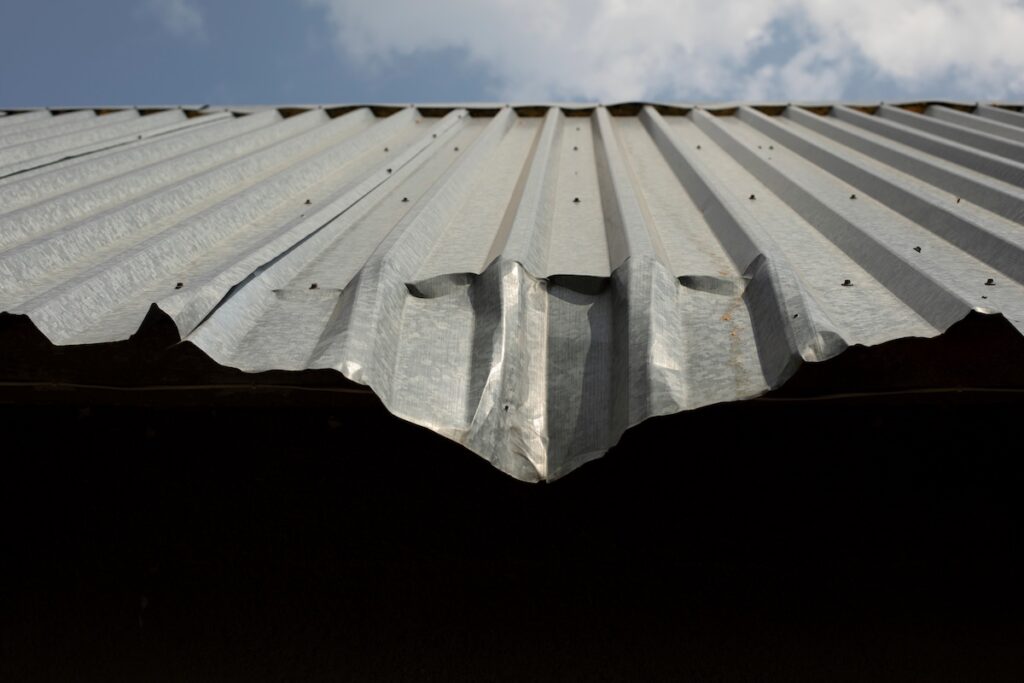
Safeguarding Your Metal Roof
Addressing metal roof hail damage promptly safeguards your home’s structural integrity and appearance. Whether you notice minor dents or more significant distress, taking immediate action will prevent further deterioration and costly repairs down the line. Leveraging professional roofing services ensures expert guidance through every stage of inspection, repair, and maintenance. For those in need of trusted assistance or looking to evaluate their metal roof after a hailstorm, we encourage you to contact us today to schedule a thorough roof assessment and receive tailored solutions designed to protect your home for years to come.
Let’s Get Started
Fix Your Roof the Badger Way
Got a question? Want to learn more about your options when it comes to caring for your home exterior? Our team is standing by with the information you need to start you roof replacement project today!
