
Why a Metal Roof Ridge Cap Matters: 6 Pros, Cons & Uses
6 Min Read
POSTED 29.01.2026
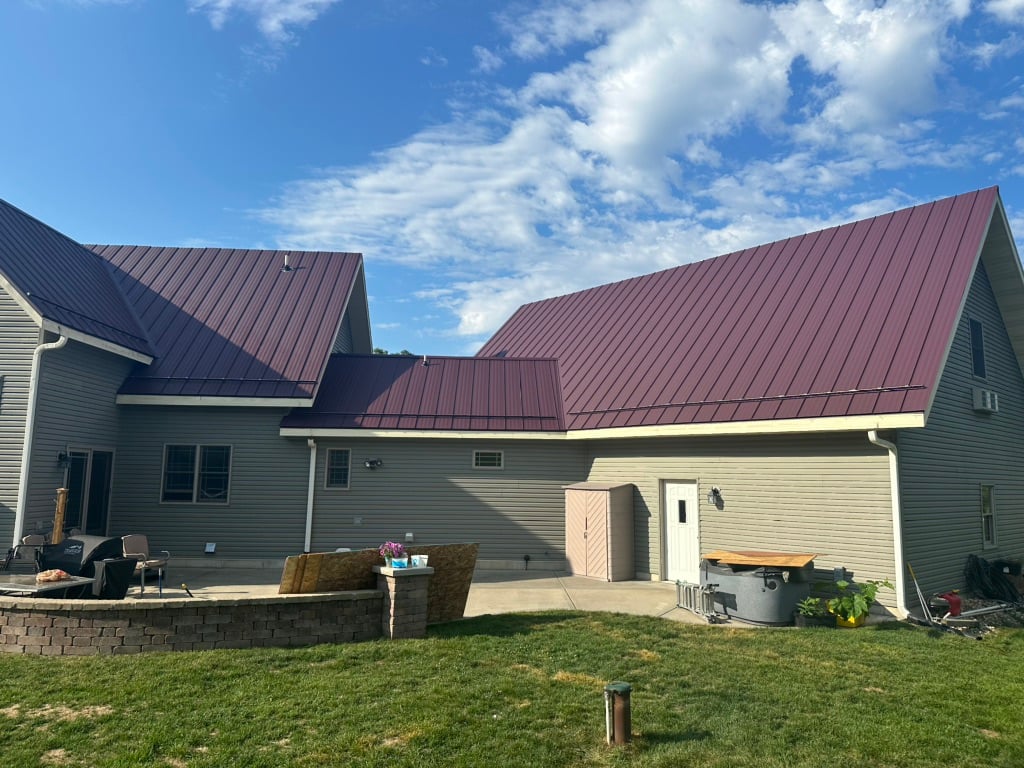
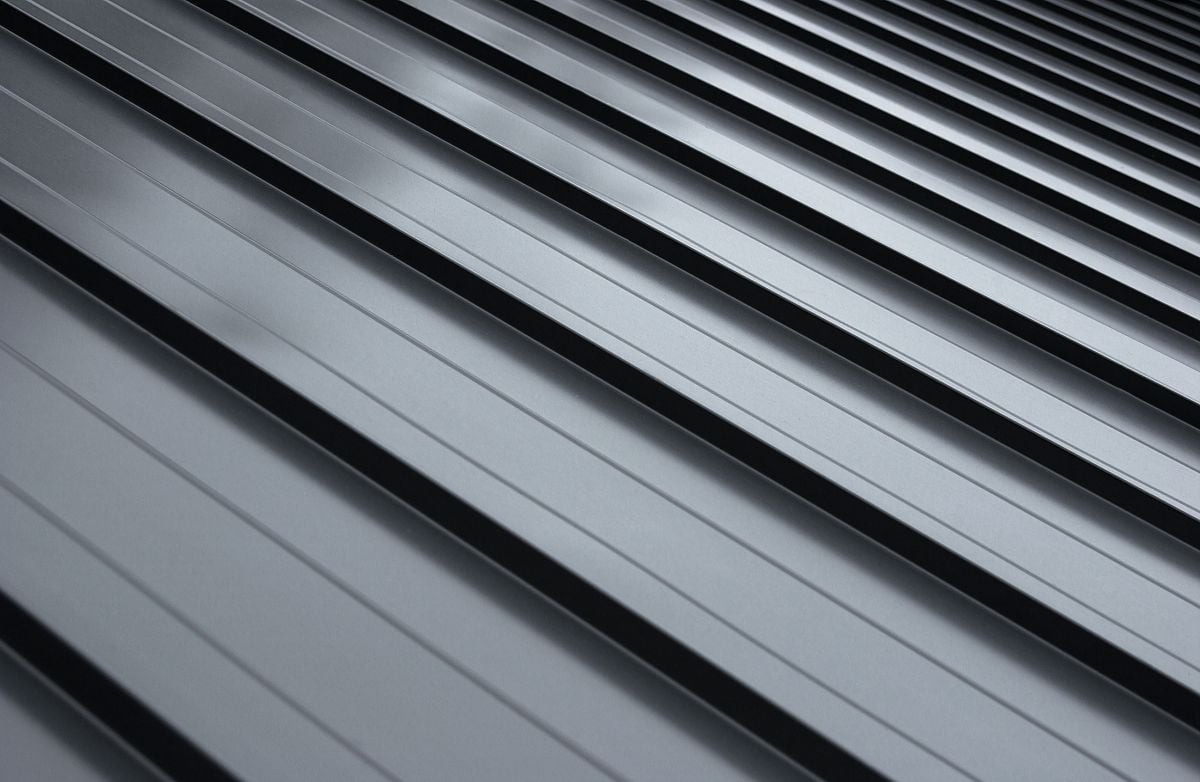
If you’re investing in a standing seam or metal panel roof, don’t overlook the metal roof ridge cap. It plays a critical role in protecting your home from moisture, leaks, and air pressure imbalances. In Portage, WI, where wind and snowfall can impact even the best installations, the ridge cap helps seal and finish the roof while maintaining essential airflow.
Before deciding on materials and style, here are a few things to understand about ridge caps:
- Ridge caps protect the most vulnerable seam: They cover the peak where two roof slopes meet.
- Style and material should match the main roof: Compatibility matters for performance and appearance.
- Proper installation affects roof lifespan: Sealing gaps at the ridge improves long-term durability.
We’re proud to help homeowners in Portage, WI and nearby areas make smart decisions about roofing materials, ventilation, and long-term performance.
What Is a Metal Roof Ridge Cap?
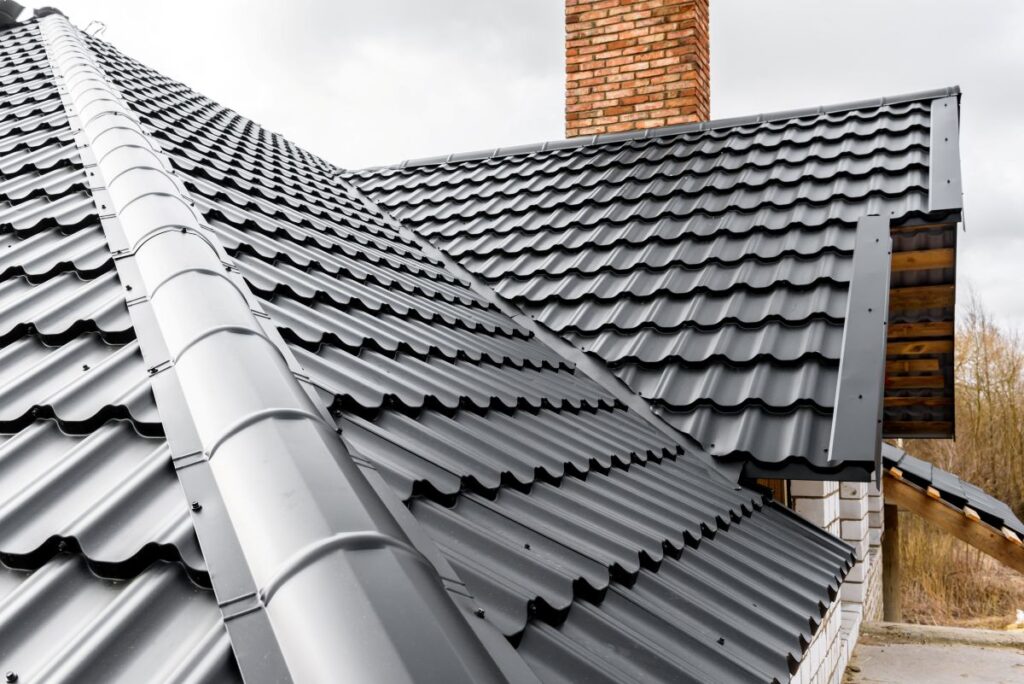
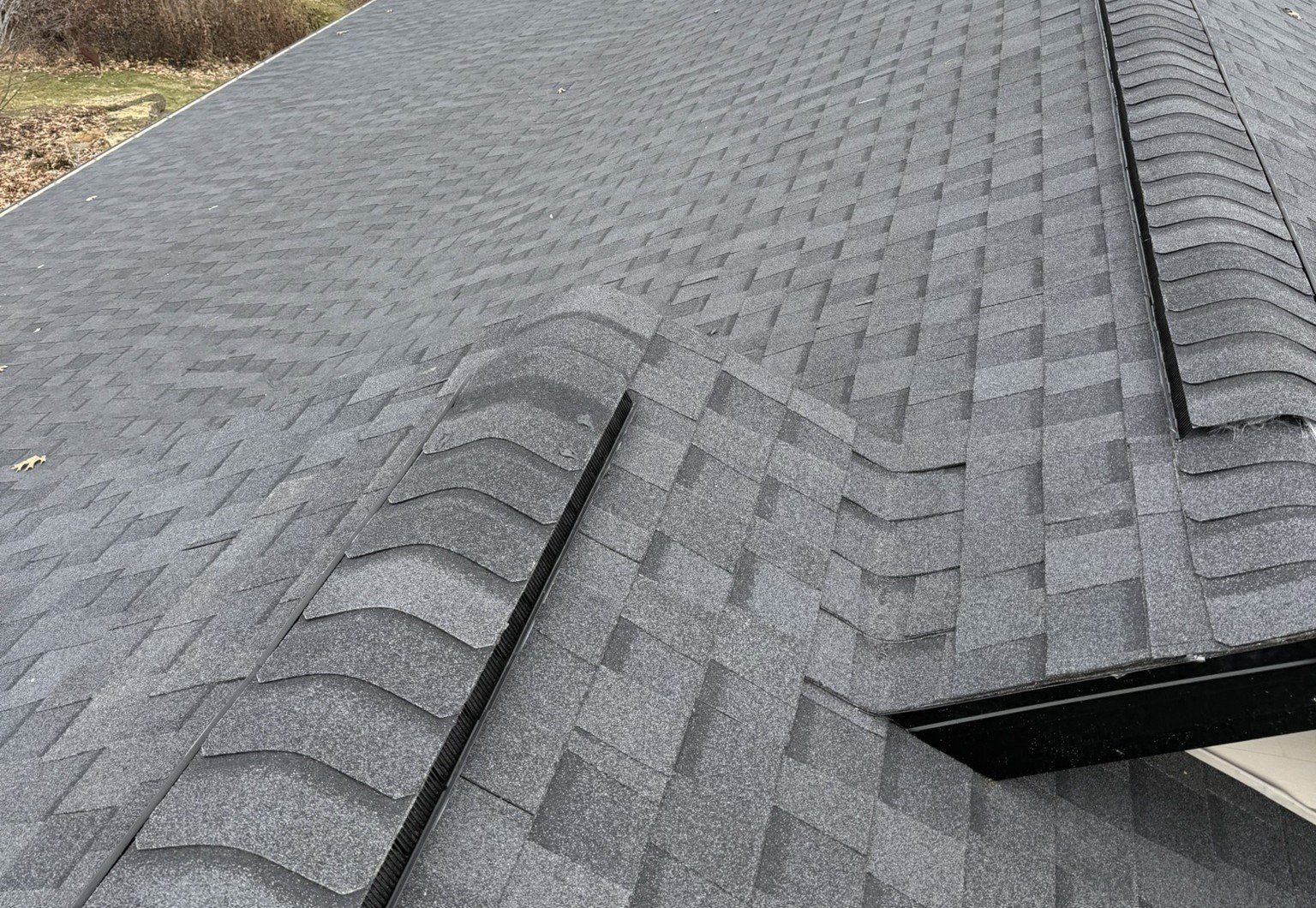
A ridge cap is the material that covers the highest point of your roof, where opposing panels meet. On a metal roof, the ridge cap is often made from pre-formed steel or aluminum designed to interlock with the panels and resist water intrusion. These caps are crucial to sealing out rain, snow, and debris, while allowing air to escape from the attic.
Ridge caps also serve aesthetic and structural purposes. They complete the appearance of the roof while protecting its most exposed joint. Without a properly installed cap, hot air could build up inside the attic, and leaks could form where metal panels meet. When choosing a product, homeowners should review material options such as galvanized steel and select caps designed to match both the roof type and ventilation system.
6 Pros, Cons & Uses of a Metal Roof Ridge Cap
Understanding both the advantages and potential limitations of a ridge cap helps homeowners make informed roofing decisions. Each point below explains how a properly selected metal roof ridge cap contributes to overall roof performance, ventilation, and durability.
1. Protection Against Moisture
The ridge is one of the most vulnerable parts of any roofing system. A properly fitted metal ridge cap creates a watertight barrier that prevents rain, snow, and ice from infiltrating the attic or underlayment.
- Sealed protection: Keeps moisture out where panels meet.
- Snow resistance: Helps prevent accumulation from working into seams.
2. Ventilation Support
Ridge caps often work with a venting system to let warm, moist air escape from the attic. Without ventilation at the ridge, the roof could trap excess heat and humidity.
- Temperature control: Helps balance attic air and reduce HVAC strain.
- Moisture prevention: Supports airflow to prevent mildew or mold.
3. Structural Stability
By covering the peak of the roof, the cap locks in the final panels and reinforces their position. This adds strength, especially in areas prone to high winds.
- Wind resistance: Prevents panel shifting at the top seam.
- Panel support: Adds alignment and finish to the installation.
4. Visual Finish
A ridge cap completes the look of a metal roof, giving it a clean, professional appearance. Without it, exposed seams or uneven edges would detract from curb appeal.
- Clean lines: Matches roof color and style.
- Finished edge: Hides attachment points or gaps.
5. Material Matching Matters
Using a ridge cap that matches your roofing metal in both gauge and coating ensures durability and appearance. Mismatched materials can cause expansion issues or shorten lifespan. Custom caps are available to match color, profile, and finish exactly.
- Thermal compatibility: Avoids material warping from temperature shifts.
- Longevity: Reduces risk of corrosion or seal failure.
6. Installation Errors Can Cause Problems
A ridge cap that is poorly aligned, under-fastened, or missing proper ventilation channels can lead to leaks or performance failures. A professional inspection ensures these caps are installed to manufacturer standards.
- Avoid loose seams: Improper fastening can lead to wind damage.
- Check ventilation fit: Ensure it connects properly with the underlay.
Choosing Between Ventilated and Non-Ventilated Ridge Caps
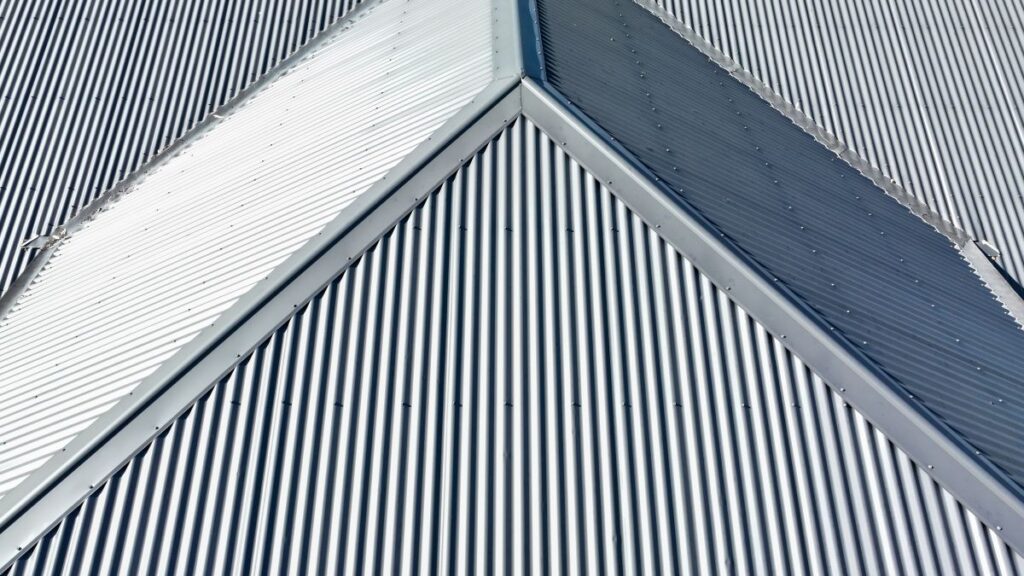
Some ridge caps are purely decorative or sealed against weather, while others incorporate mesh or baffling that supports continuous ventilation. The right choice depends on your attic needs, insulation setup, and whether you already have intake vents near the eaves. For many homes, a ventilated ridge cap improves attic temperature control and reduces reliance on other vent systems.
If your roof system needs better airflow, a vented ridge cap could be part of the solution. If attic airflow is already balanced, a closed system might be preferable.
How Ridge Caps Affect Attic Performance
Many homeowners don’t realize how much the ridge of the roof affects attic temperature. Poorly vented systems trap hot air, which rises and builds pressure beneath the panels. According to the U.S. Department of Energy, a well-ventilated attic can help extend roof life and reduce energy use in both hot and cold seasons.
Balanced airflow helps regulate insulation performance, reduces humidity, and keeps the entire roof system functioning as it should. This is especially important when installing solar panels, which can further trap heat without proper ventilation beneath the mounting structure.
When to Inspect or Replace a Ridge Cap
While most ridge caps last as long as the roof itself, certain signs mean they need attention:
- Rust or corrosion around fasteners
- Warped or lifting edges after storms
- Interior leaks near the ceiling peak
- Air or moisture escaping where panels meet
If you’re experiencing these issues, it’s worth having a roofing expert examine the cap and determine whether resealing or replacement is needed. Cap damage can also drive up repair prices if not addressed quickly, especially in winter when snowmelt infiltration becomes a risk.
Why Homeowners Trust Badgerland Exteriors
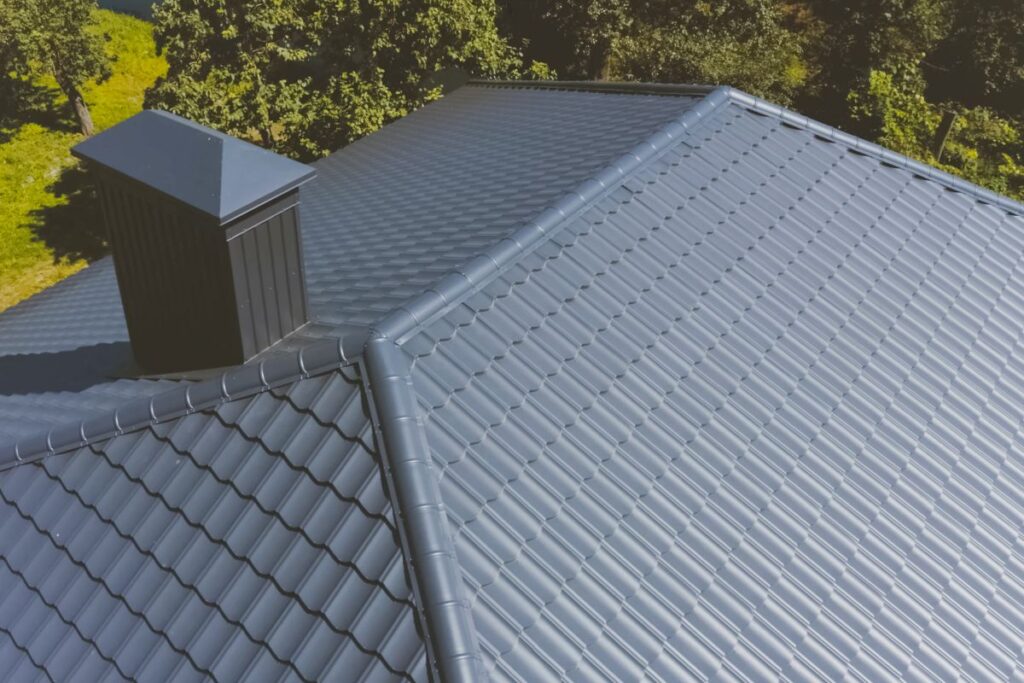
Badgerland Exteriors helps homeowners protect their roofing systems from the ridge down. Our thorough roof inspections include reviewing ridge cap alignment, seal condition, ventilation function, and overall performance. Whether you’re upgrading to a metal roof, replacing aging materials, or looking to improve airflow and insulation, we guide you through the best product options to fit your home. Contact Badgerland Exteriors today to schedule your expert roof evaluation in Portage, WI or surrounding areas.
Let’s Get Started
Fix Your Roof the Badger Way
Got a question? Want to learn more about your options when it comes to caring for your home exterior? Our team is standing by with the information you need to start you roof replacement project today!
