
Roof Flashing Repair: 8 Early Warning Signs to Watch For
6 Min Read
POSTED 03.02.2026
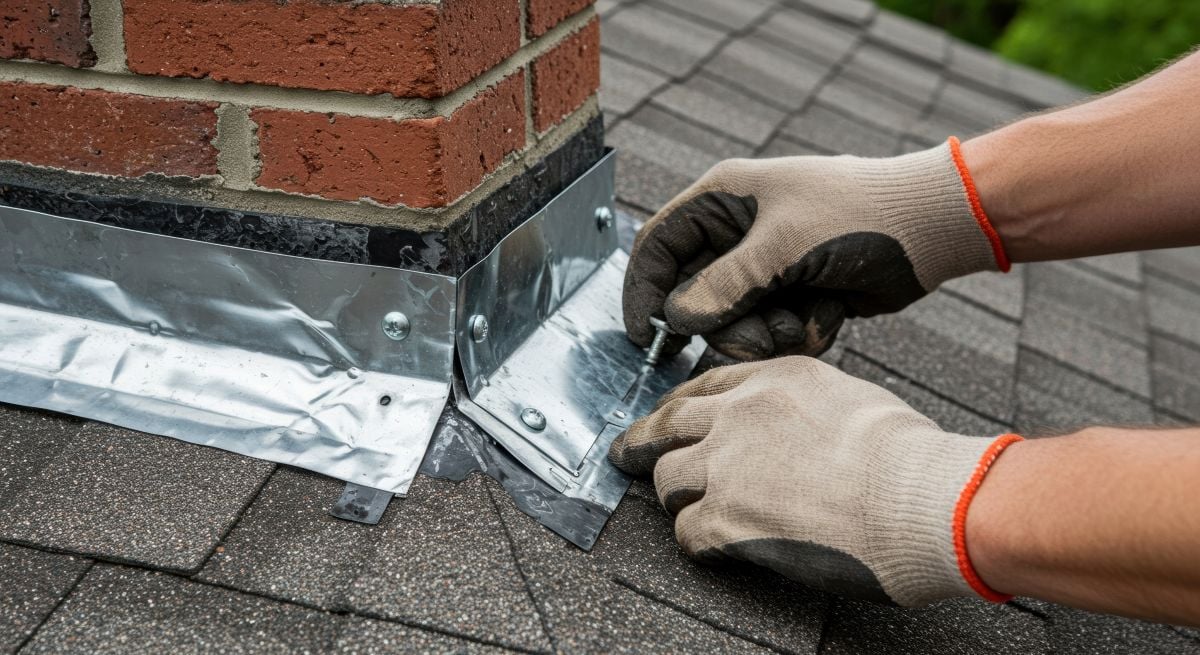
Homeowners often do not think about roof flashing repair until visible leaks or stains appear, but early warning signs can save money and prevent bigger damage. In Baraboo, WI, where storms, snowmelt, and seasonal temperature swings can affect roof and flashing performance, watching for subtle clues helps you act before serious problems develop.
Here are key factors to keep in mind before reviewing signs:
- Weather exposure affects flashing: Heavy rain and snow melt make flashing seals critical.
- Flashing protects transitions: It directs water around chimneys, vents, and roof edges.
- Ignoring early signs worsens damage: Prompt attention limits water intrusion and cost.
We’re proud to serve homeowners in Baraboo, WI and surrounding communities with roofing inspections, diagnosis, and roof system evaluations that include flashing performance.
Why Flashing Matters for Roof Protection
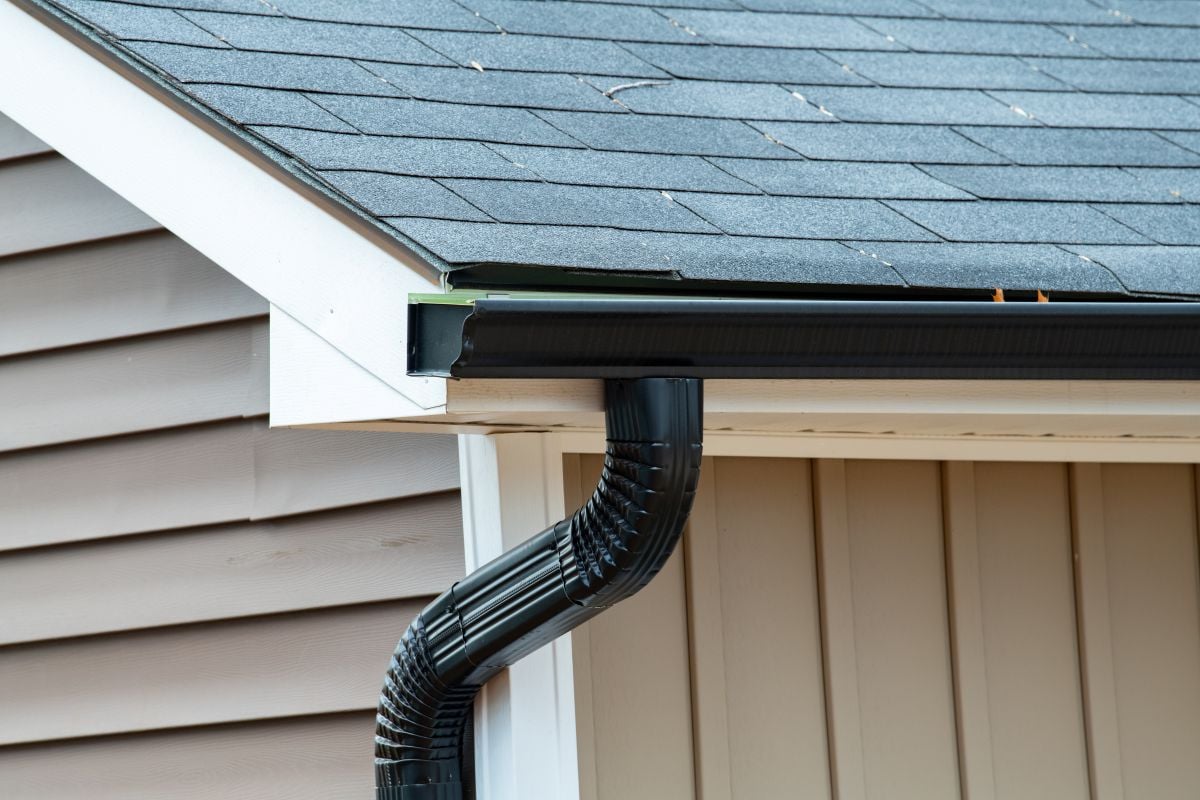
Roof flashing is the thin metal or strip material installed at roof intersections, penetrations, and edges. Its purpose is to direct water away from vulnerable seams where moisture could enter and cause damage. When flashing fails or shifts out of place, water can penetrate under roofing shingles, compromise decking, and lead to interior issues.
Properly installed flashing works with your roof slope and drainage system to channel water safely off your roof. It plays a significant role at valleys, chimneys, dormers, skylights, and roof vents. Regular inspection helps ensure flashing remains intact and functional.
8 Early Warning Signs You Need Roof Flashing Repair
Roof flashing failure doesn’t always look dramatic. It can start with a small change that eventually leads to roof leaks, wall damage, or attic issues. By spotting these symptoms early, you can schedule a proper repair before the situation worsens.
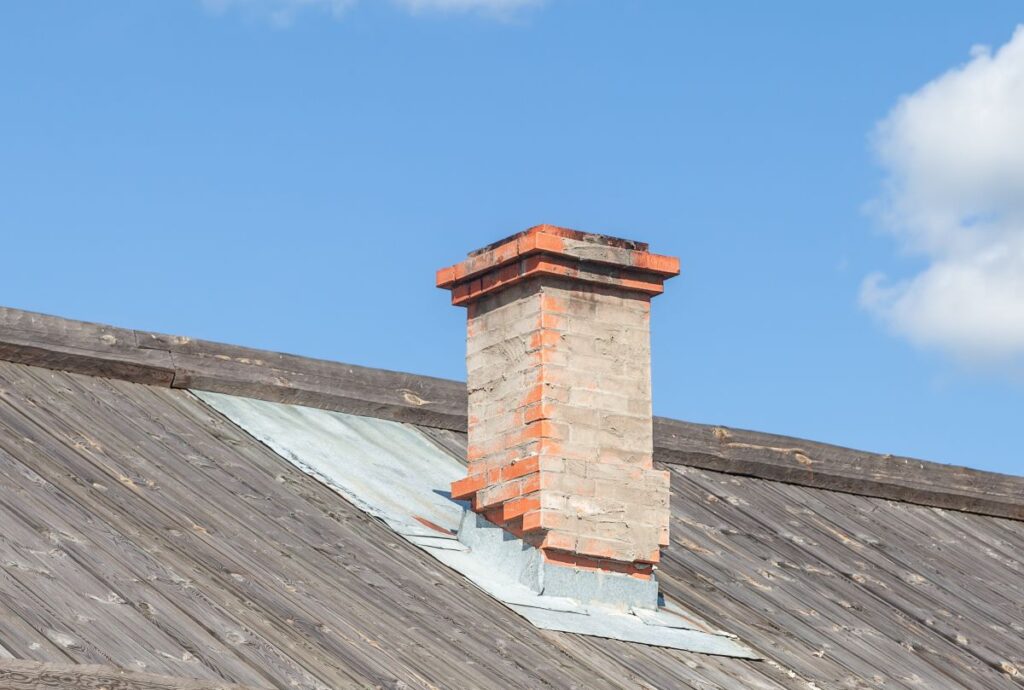
1. Visible Rust or Corrosion
Metal flashing is exposed to years of weather and wear. When rust appears, especially on older or untreated materials, it means moisture is already affecting the surface.
- Surface oxidation: Spots of rust or discoloration appear.
- Weak metal: Corrosion reduces the flashing’s ability to resist water.
2. Peeling or Cracked Roof Shingles Near Edges
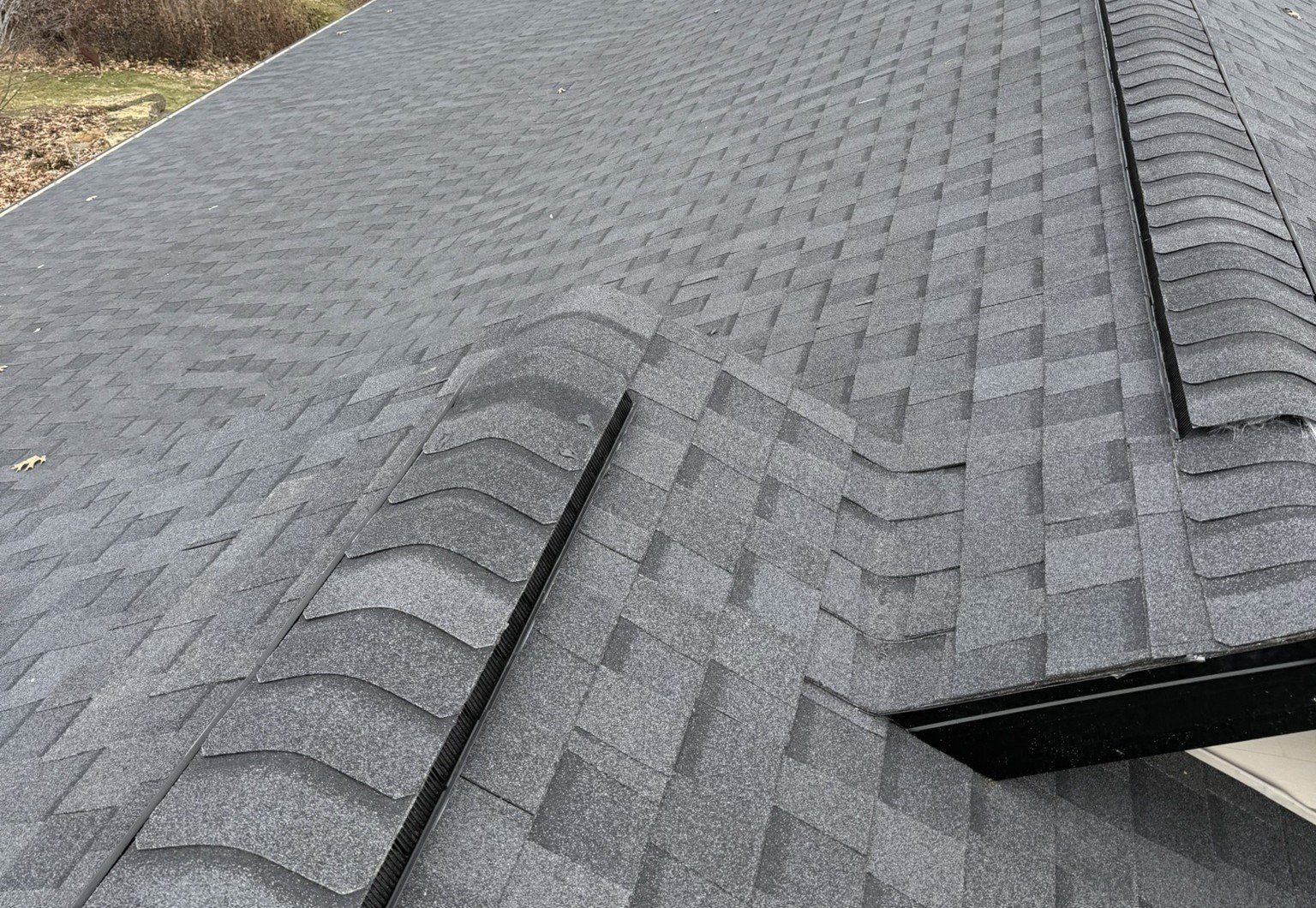
Shingles close to flashing points often show the first signs of trouble. Moisture infiltration can lift or break down nearby shingles.
- Lifting at the edge: Shingle corners raise near flashing.
- Cracks or splits: Moisture expands and weakens shingle granules.
3. Rust Stains or Streaks on the Ceiling
Interior ceiling stains are a key clue that water is getting past the roof layers. These often form after long-term flashing leaks.
- Visible stains: Yellowish or brown streaks appear.
- Expansion over time: Stains worsen with rain events.
4. Water Spots Along Interior Walls
Water can travel from roof entry points down through the structure. Wall stains, bubbling paint, or soft drywall near the ceiling line are warning signs.
- Discoloration: Patches of darker paint or texture.
- Texture changes: Bubbling or peeling paint over time.
5. Gaps Around Vent Stacks or Roof Penetrations
If flashing pulls away from vents, chimneys, or skylights, water can enter freely. Even small gaps create long-term damage.
- Separation at joints: Visible space between flashing and material.
- Loose fittings: Seals pull away from their intended position.
6. Bubbling or Peeling Insulation in the Attic
Wet insulation is a common result of flashing failure. It can signal water infiltration from above even if the leak hasn’t reached living areas yet.
- Moist fibers: Insulation retains water and feels damp.
- Degraded material: Clumps or breakdown where moisture lingered.
7. Mold or Mildew Odors in Attic or Upper Floors
Musty smells often mean moisture is present, even if the source isn’t visible. Mold can form behind walls, under insulation, or near leaky flashing seams.
- Lingering smells: Odors worsen during humid conditions.
- Health concerns: Mold exposure can aggravate allergies.
8. Unexpected Increases in Roof Repair Prices
Repeated repair visits to the same area could point to unresolved flashing issues. If you’re continually patching near a chimney or vent, it’s time for a deeper look.
- Rising costs: Progressively higher spending near flashing points.
- Recurring issues: Same areas needing frequent attention.
How Flashing Failure Leads to Bigger Problems
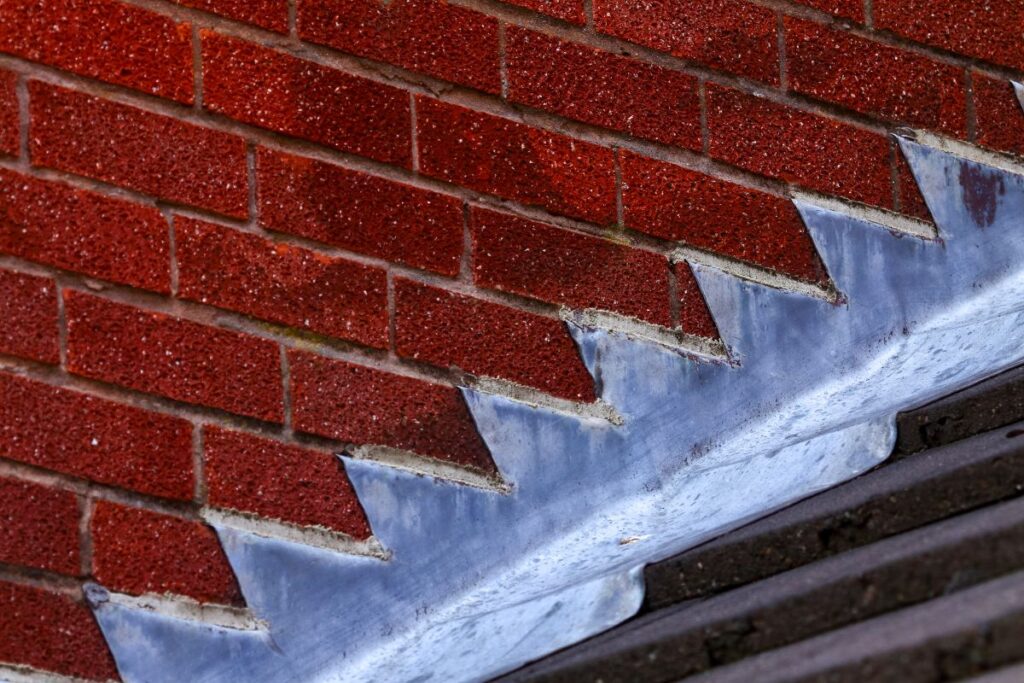
When flashing fails to keep water out, moisture can penetrate the roof deck and underlayment. Over time this can lead to rot, damage to decking, and even compromise structural components. Water intrusion can also soak insulation, reducing its effectiveness and driving up energy costs. According to the National Roofing Contractors Association, flashing-related issues are among the top causes of roof leaks.
Moisture that remains unchecked can travel along beams, reach interior ceilings, and cause staining far from the original entry point. Promptly addressing flashing issues helps maintain attic insulation performance and prevents further complications.
What To Do When You Spot Flashing Issues
If you notice any of the warning signs above, taking action quickly helps prevent more significant damage. In many cases, early repair is far more affordable than addressing widespread water damage or structural decay.
Examine the Area Closely
Check the suspect flashing situation from a safe vantage point or with proper attic access. Look for gaps, rust, or visible separation. If you observe one or more of these signs, it often means flashing repair is needed.
- Inspect near ridges: Flashing at roof intersections is critical.
- Check around roof vents: These are common moisture entry points.
Clear Debris and Improve Drainage
In some cases, leaf buildup or trapped debris can force moisture toward flashing seams. Keeping your roof surface clear and maintaining proper drainage paths helps reduce flashing load.
- Remove leaves: Helps prevent water backup.
- Ensure proper slope: Water should drain away from flashing areas.
Schedule a Professional Roof Inspection
Many flashing issues require professional roof flashing repairs from a contractor who can also assess the overall roof system, including shingles and ventilation. These repairs are often completed as part of a larger service that protects the roof’s long-term performance.
Why Homeowners Trust Badgerland Exteriors
Badgerland Exteriors provides comprehensive roof inspections, flashing assessments, and full roof health evaluations to help homeowners safeguard their homes. Our team reviews the condition of roof flashing, shingles, ventilation, and insulation to ensure your roof is operating as intended. Whether you’re addressing early warning signs or preparing for a roof replacement, we offer detailed guidance and professional advice. Contact Badgerland Exteriors today to schedule your roof inspection in Baraboo, WI or nearby communities.
Let’s Get Started
Fix Your Roof the Badger Way
Got a question? Want to learn more about your options when it comes to caring for your home exterior? Our team is standing by with the information you need to start you roof replacement project today!
