
8 Roof Leak Detection Before Damage Spreads (Warning Signs)
6 Min Read
POSTED 05.03.2026
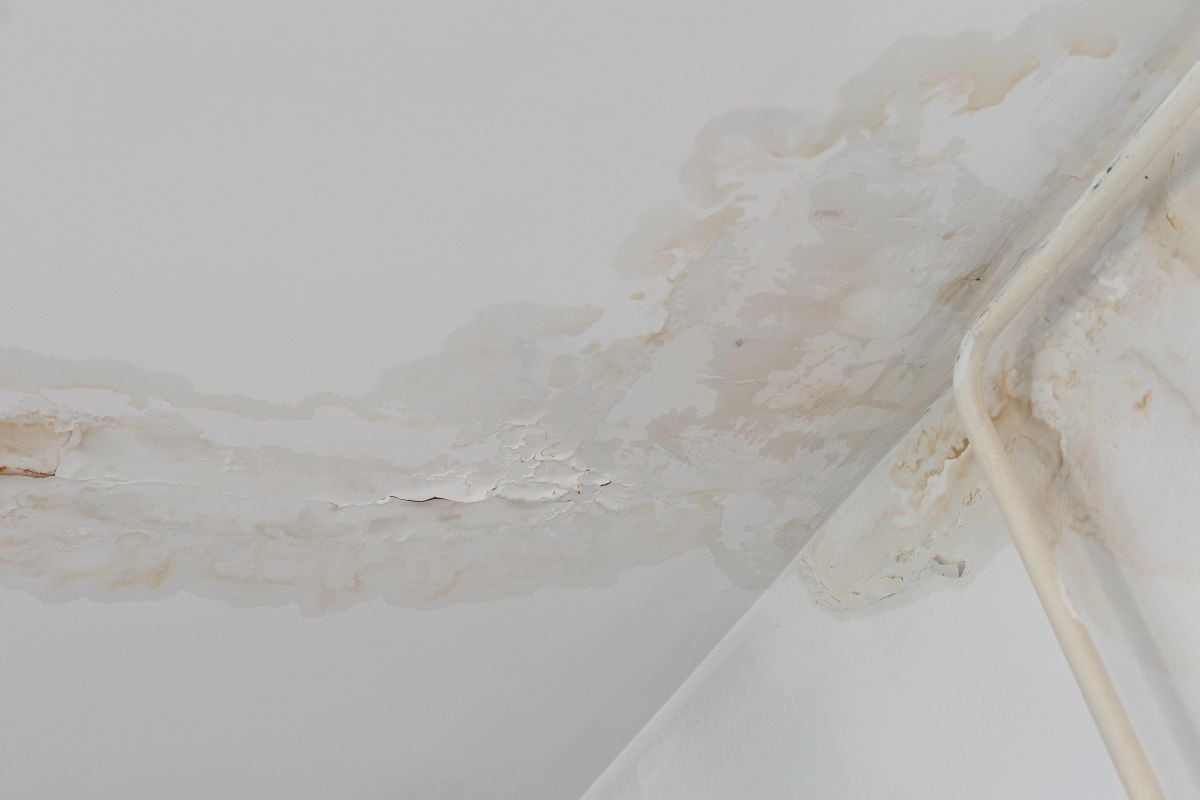
Early roof leak detection is one of the most important steps homeowners can take to prevent structural damage and costly repairs. In Oconomowoc, WI, seasonal storms, snow buildup, and freeze thaw cycles can create small vulnerabilities that quickly turn into larger roofing issues. The key is identifying warning signs before water intrusion spreads beyond the roof surface and impacts insulation, drywall, framing, and even electrical components.
Before visible water stains appear inside your home, watch for these early indicators:
- Subtle ceiling discoloration: Light staining may signal hidden moisture behind drywall.
- Shingle irregularities: Curling, cracking, or missing shingles increase leak risk.
- Attic humidity changes: Damp insulation often points to roof problems.
We’re proud to serve homeowners in Oconomowoc, WI and nearby communities with roof inspections, moisture assessments, integrity testing, and long-term roofing solutions.
Why Roof Leak Detection Matters
A roof leak rarely starts as a major issue. Most leaks begin as small gaps around flashing, worn shingles, nail penetrations, or compromised sealant that slowly allow moisture to enter the roofing system. Water often travels along rafters or decking before becoming visible inside the home, making early roof leak detection critical.
When moisture goes unnoticed, it can weaken wood framing, damage insulation, and create conditions for mold growth. Over time, even a minor leak can lead to stained ceilings, warped drywall, and structural deterioration. In colder climates like Wisconsin, trapped moisture can freeze and expand, widening cracks and accelerating material breakdown. Scheduling inspections after heavy storms or at least once a year significantly reduces the likelihood of hidden leaks spreading.
Benefits of Professional Leak Detection Methods
Advanced detection tools provide more than convenience. They improve accuracy, reduce disruption, and support efficient repair planning.
- Precise leak location identification: Narrows down the source of moisture without unnecessary demolition.
- Minimal material disruption: Protects the existing membrane surface and surrounding roofing components.
- Cost control: Limits exploratory tear offs that increase labor expenses.
- Faster repair completion: Streamlines the process from detection to repair.
- Improved long term roof performance: Ensures underlying issues are fully addressed rather than temporarily patched.
8 Warning Signs of a Roof Leak
Leaks often reveal themselves through subtle clues long before water drips from the ceiling. Recognizing these early warning signs allows for faster intervention and minimizes repair costs.
1. Water Stains on Ceilings or Walls
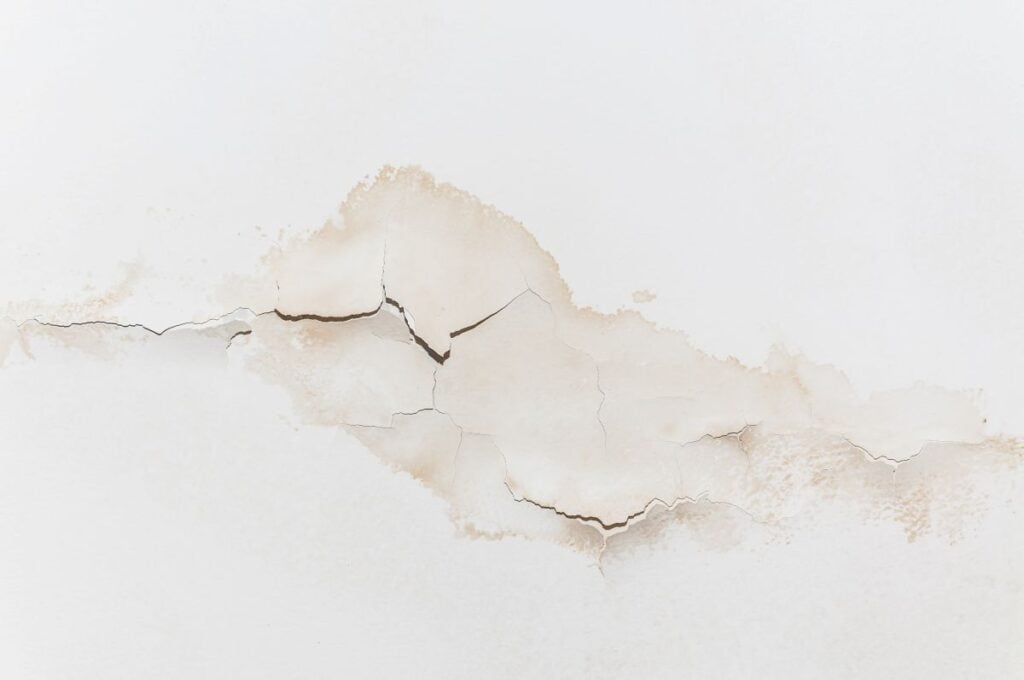
Discoloration is often the first visible sign of a developing leak. Yellow, brown, or copper toned stains may appear small at first but gradually expand after heavy rain or snowmelt. These marks typically indicate moisture traveling from the roof through insulation and drywall.
- Expanding rings: Stains grow larger after storms.
- Peeling paint or bubbling drywall: Moisture weakens interior finishes.
2. Damp or Musty Attic Odors
A persistent musty smell in the attic can signal trapped moisture within insulation or wood framing. Even if water is not visibly dripping, lingering humidity may point to a slow leak above.
- Wet insulation: Reduced thermal efficiency and compressed material.
- Visible condensation on decking: Moisture collecting along wood surfaces.
3. Missing or Damaged Shingles
Wind, hail, and age can loosen or remove shingles, exposing underlayment and decking. Even a single missing shingle can create an entry point for rainwater during storms.
- Curling or cracked edges: Aging shingles lose flexibility.
- Bare roof patches: Missing shingles leave vulnerable areas exposed.
4. Flashing Deterioration
Flashing protects vulnerable roof transitions such as chimneys, vents, skylights, and valleys. When flashing corrodes, lifts, or separates, water can penetrate the roofing system.
- Rust formation: Metal flashing begins to break down.
- Gaps around penetrations: Open seams allow moisture intrusion.
5. Granule Loss in Gutters
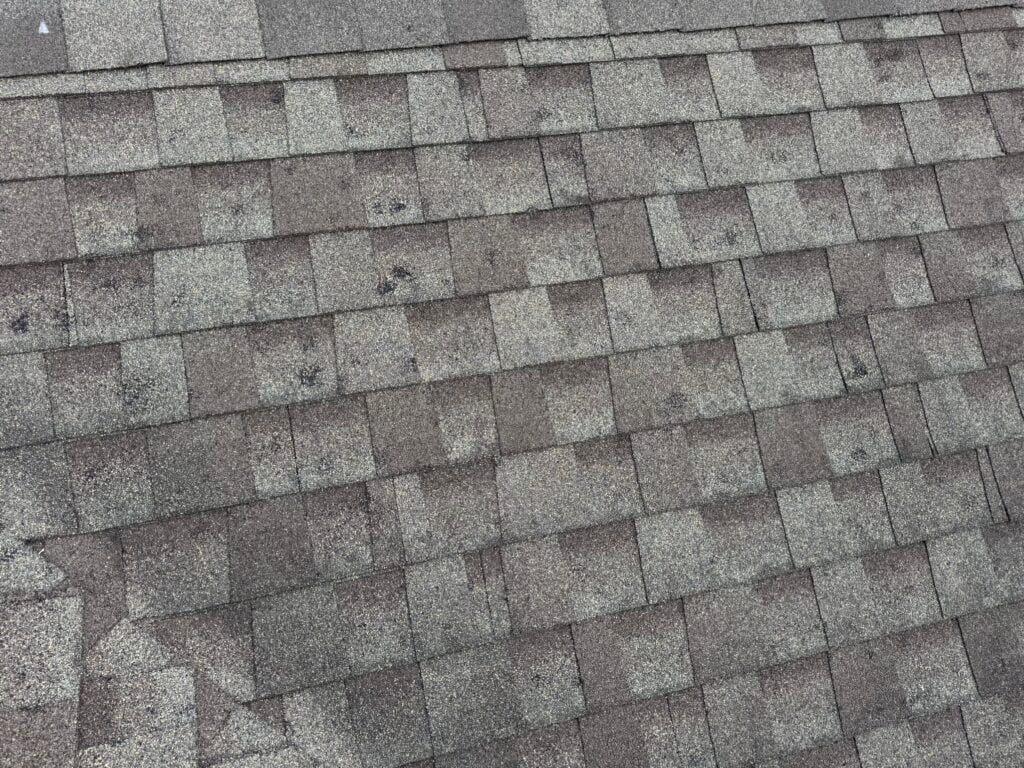
Excessive shingle granules collecting in gutters often indicate aging materials. As shingles lose granules, they become less effective at repelling water and UV exposure.
- Dark streaking on shingles: Surface wear becomes visible.
- Exposed asphalt layers: Reduced protective barrier.
6. Sagging Roof Sections
Structural sagging can signal prolonged moisture exposure beneath the surface. Water damaged decking may weaken and dip between rafters, compromising overall stability.
- Uneven roofline: Noticeable low spots from ground level.
- Soft or spongy feel: Decking gives slightly under pressure during inspection.
7. Increased Energy Bills
Moisture saturated insulation loses its ability to regulate indoor temperatures effectively. A hidden leak can allow conditioned air to escape or outside air to enter, forcing HVAC systems to work harder.
- Higher heating or cooling costs: Reduced energy efficiency.
- Uneven indoor temperatures: Drafts near ceiling areas.
8. Mold or Mildew Growth
Dark spots on attic wood, insulation, or upper interior walls may indicate ongoing moisture intrusion. Mold growth often develops gradually and may not be immediately visible from living spaces.
- Discoloration on rafters: Black or green spotting.
- Persistent humidity: Damp air trapped in attic spaces.
Common Areas Where Roof Leaks Start
Understanding where leaks typically originate can help homeowners focus their inspections. Roof penetrations and transitions are especially vulnerable because they interrupt the continuity of shingles and underlayment.
Common leak locations include:
- Chimney flashing: Gaps where brick meets roofing materials.
- Vent pipe seals: Cracked rubber boots around plumbing vents.
- Roof valleys: Sections where two slopes meet and channel heavy runoff.
- Skylight frames: Improper sealing or aging components.
- Nail penetrations: Fasteners that back out over time.
For flat roofs and certain low slope systems, issues often develop along seams in the membrane surface. In these cases, tools such as electronic leak detection and flat roofs thermal imaging can isolate the precise leak location before targeted repair begins, reducing unnecessary material removal.

What to Do If You Suspect a Roof Leak
If you notice any warning signs, act quickly to minimize further damage. Begin by inspecting the attic during daylight hours to look for visible light penetrating the roof deck or signs of damp insulation. Use caution and avoid stepping directly on insulation without proper support.
Temporary measures such as placing containers under active drips can help limit interior damage, but they do not resolve the underlying issue. Professional leak detection and integrity testing allow contractors to determine the exact leak location and develop an efficient repair strategy. Prompt repair not only stops current leaks but also prevents secondary damage to framing, insulation, and interior finishes.
The Long Term Benefits of Early Detection
Investing in early roof leak detection protects more than just roofing materials. Prompt repairs preserve insulation efficiency, prevent mold remediation costs, and reduce the likelihood of structural reconstruction. Addressing small problems before they escalate often results in shorter repair timelines and lower overall expenses.
- Reduced repair costs over time: Small repairs prevent widespread damage.
- Extended roofing system lifespan: Early intervention limits structural deterioration.
- Improved indoor air quality: Minimizes mold and moisture related concerns.
- Stronger structural protection: Protects framing, insulation, and interior finishes.
Why Homeowners Trust Badgerland Exteriors
Badgerland Exteriors provides thorough inspections and professional repair services designed to stop leaks before they cause widespread damage. Our team evaluates shingles, flashing, ventilation systems, membrane surface conditions, and overall roofing integrity to ensure reliable performance in every season. Whether you need targeted repair or a comprehensive assessment to determine leak location, we focus on long term protection, accurate diagnostics, and dependable workmanship. Contact Badgerland Exteriors today to schedule your roof leak detection service in Oconomowoc, WI or nearby communities.

Let’s Get Started
Fix Your Roof the Badger Way
Got a question? Want to learn more about your options when it comes to caring for your home exterior? Our team is standing by with the information you need to start you roof replacement project today!
