
Roof Leak Repair Services: How to Find the Source & Fix It the Right Way
10 Min Read
POSTED 21.07.2026
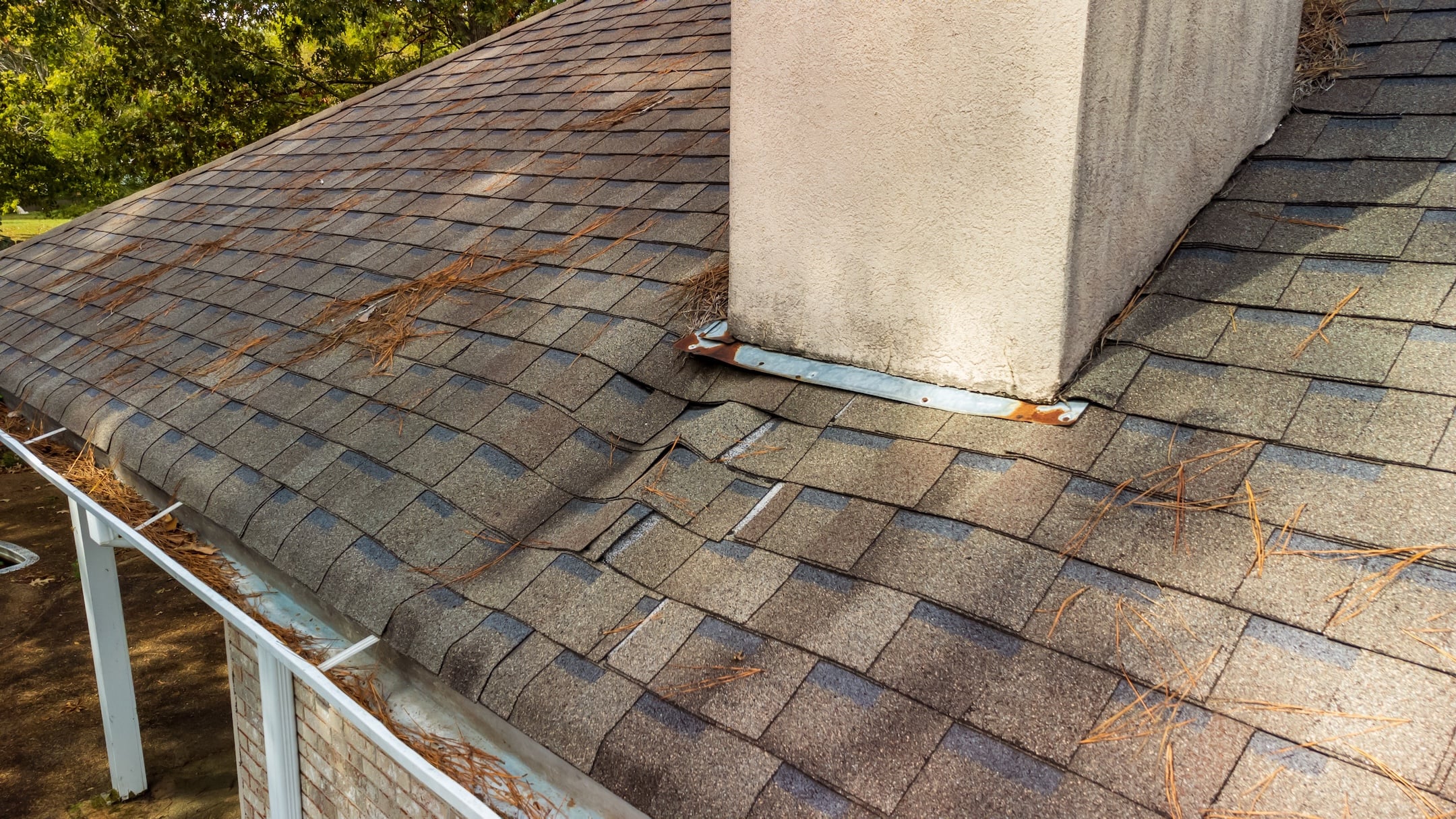
Roof leak repair services are one of those calls that should have been made two weeks earlier. A roof leak almost never stays contained , water follows the path of least resistance, which means it moves along rafters, through insulation, and into living spaces before it ever makes itself visible on a ceiling. By the time a homeowner notices a stain or a drip, the damage behind it has usually been building for a while. Knowing how to find the actual source of a leak and what a proper repair involves is what separates a fix that holds from one that just delays the next call. If your home is showing signs of a leaky roof, see how Badgerland approaches roof repair for Wisconsin homeowners.
Here is what this guide covers:
- Why roof leaks are harder to trace than they look
- The most common sources of roof leaks in Wisconsin
- How to find where a leak is actually entering your home
- What professional roof leak repair involves
- When repair makes sense versus when replacement is the honest answer
- Common questions homeowners ask about roof leak repair
Why Roof Leaks Are Harder to Trace Than They Appear
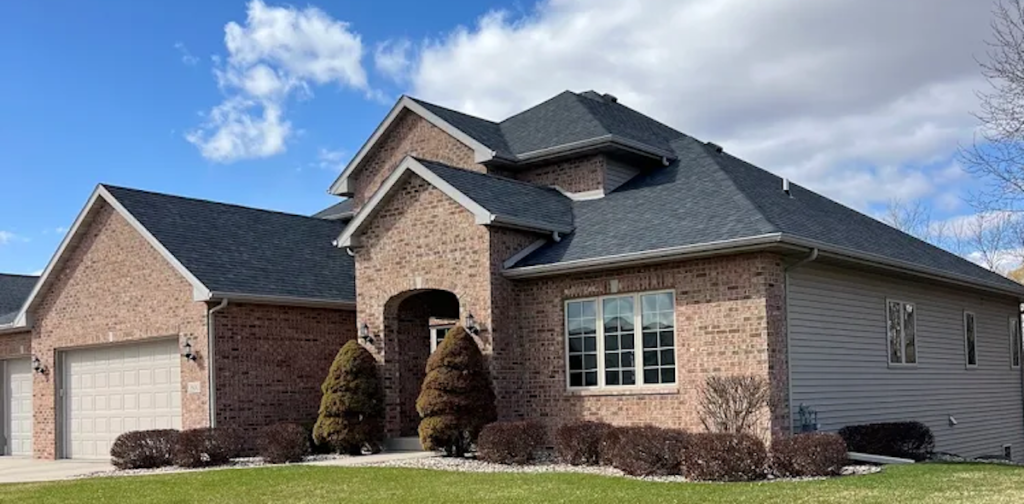
The water stain on your ceiling is almost never directly below where the leak is. Water enters at one point on the roof, travels along sheathing, runs down a rafter, follows a ceiling joist, and eventually drops in the most visible or lowest spot available. This is one of the most common sources of confusion in roof leak repair and one of the most common reasons homeowners patch the wrong area.
According to the Insurance Information Institute, water damage and freezing account for 22.6 percent of all home insurance claims, with one in every 67 insured homeowners filing a water damage claim each year at an average cost of $15,400. A significant portion of those claims trace back to roof leaks that were either undetected or improperly repaired. The longer a leak goes unaddressed, the larger that number tends to grow.
Understanding that water travels means the source of a leak is almost always uphill and often to the side of where it appears inside. Tracing it correctly requires looking at the full water pathway, not just the visible wet spot.
Most Common Sources of Roof Leaks in Wisconsin
Wisconsin’s seasonal extremes create a specific set of conditions that drive most residential roof leaks. Knowing the usual suspects helps narrow down where to look.
- Flashing failures: Flashing is the metal sealing at chimneys, skylights, vents, wall transitions, and valleys. It is the most common source of roof leaks on homes that are not near the end of their shingle lifespan. Flashing can lift, crack, or separate at seams over time, and even a small gap allows water to work its way in consistently with every rain event.
- Damaged or missing shingles: Wind events can crack, curl, or remove shingles entirely, leaving the underlayment and decking exposed. Even shingles that look intact from the ground may have impact fractures from hail that allow water infiltration without being visibly missing.
- Ice dams: Wisconsin winters produce ice dams regularly. When heat escapes through the roof deck and melts snow at the ridge, that water runs down and refreezes at the cold eaves. The resulting ice barrier forces water back up under shingles, past the underlayment, and into the structure. Ice dam damage often doesn’t show up inside until spring.
- Clogged or damaged gutters: When gutters can’t drain properly, water backs up at the eaves and can work its way under the roofing system at the drip edge. A properly functioning gutter system is part of the roof’s overall water management.
- Pipe boot failures: The rubber boots that seal plumbing vent penetrations through the roof deck degrade over time, especially under UV exposure and Wisconsin’s temperature swings. A cracked or separated pipe boot is a common and often overlooked leak source.
- Valley deterioration: Roof valleys channel significant water volume during rain events. Open metal valleys can corrode; woven shingle valleys can develop wear points. Either can become a leak source that’s easy to miss without a close inspection.
We’re proud to serve homeowners in Oregon, WI, and nearby communities with roof leak repair, storm damage inspections, and full roofing services.
6 Steps to Finding a Roof Leak
Finding the actual source of a leak before attempting any repair is what separates a fix that holds from one that fails in the next rain. Here is how professionals approach it.
1. Start Inside, Note Where Water Appears
Before going on the roof, note exactly where water is appearing inside the home , the stain location, the direction any streaks run, and whether it correlates with specific weather conditions (heavy rain, wind-driven rain, ice melt). This information guides where to look on the roof exterior.
2. Go to the Attic First
The attic is where the travel path of a roof leak becomes readable. Look for water stains on the underside of the sheathing, wet insulation, and any visible daylight through the deck. Trace staining back toward the ridge and toward the exterior walls to identify the uphill entry point.
3. Inspect Flashings at All Penetrations
Check every penetration through the roof surface , chimneys, vents, skylights, and pipe boots. Lift any lifted caulk lines and look for rust, separation, or gaps in the metal. Flashing failures are the leading cause of leaks on roofs with sound shingles, and they’re easy to miss from the ground.
4. Examine Shingles Closely
Look for cracked, curled, or visibly missing shingles in the area above where water is appearing inside. Carefully lift shingles at edges and transitions to check for compromised underlayment or water staining beneath. Check for granule loss concentrated in specific areas, which can indicate impact damage or advanced aging. Run a hand across shingles to feel for softness or instability that isn’t visible.
5. Check Valleys and Ridge Areas
Valleys and ridge lines carry significant water and are common failure points. Look for worn shingles in valley channels, separated metal, or any point where the two roof planes meet and materials have pulled apart or deteriorated.
6. Use Water Testing When the Source Isn’t Clear
When a leak source can’t be identified visually, a controlled water test can help. Starting low on the roof and working upward, one person runs water while another watches inside. This is slow, methodical work but reliably identifies entry points that visual inspection misses.
What Professional Roof Leak Repair Involves
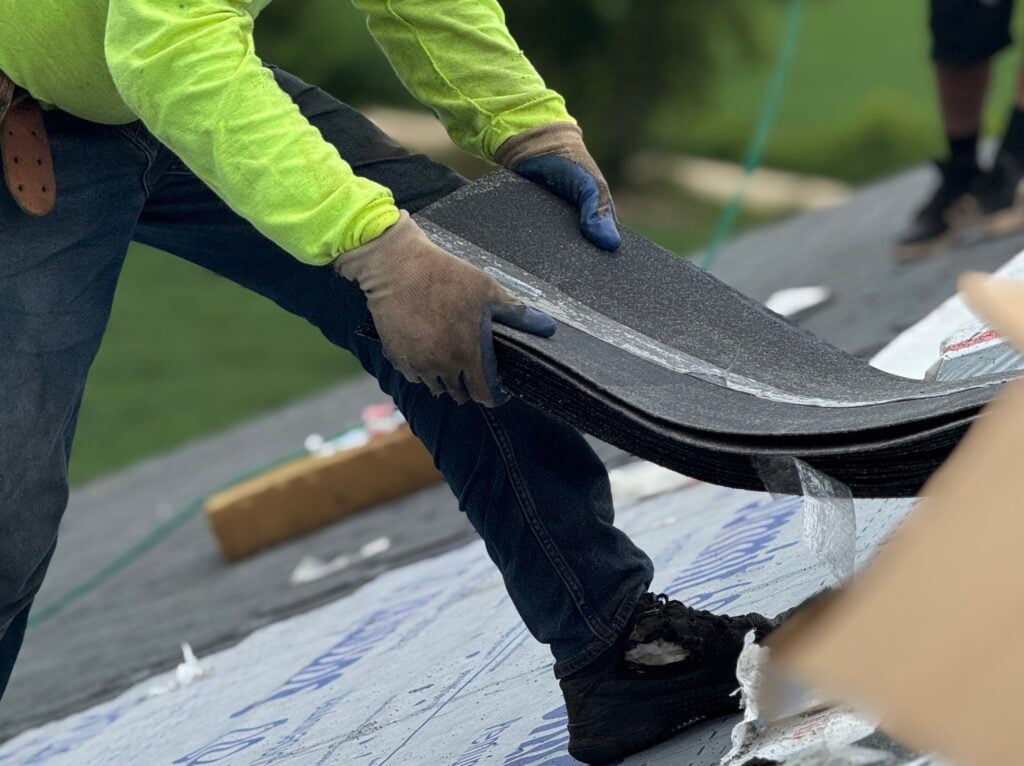
Professional roof leak repair is not just swapping a shingle. A qualified roof repair company identifies the actual source, addresses the underlying cause, and repairs the system in a way that prevents the same failure from recurring.
- Source confirmation: A professional doesn’t assume , they verify the entry point before touching anything. This includes inspecting from both inside and outside and ruling out adjacent potential causes.
- Full scope assessment: Once the source is confirmed, the surrounding area is evaluated for secondary damage. Water that has been entering a structure for any length of time may have softened sheathing, stained or damaged insulation, or compromised adjacent materials that also need attention.
- Material-matched repair: Roofing materials are matched to the existing roof as closely as possible. Flashing is cut and installed to the geometry of the specific penetration rather than patched with tape or caulk alone.
- System-level thinking: A professional considers the whole roofing system, not just the failed component. If a pipe boot has failed on a 15-year-old roof, they’ll also check the other boots. If one valley section has deteriorated, they’ll assess the adjacent one.
When Repair Makes Sense Versus When It Doesn’t
Roof leak repair is the right call in some situations and an expensive delay in others. Knowing which side of that line you’re on saves money.
Repair makes sense when damage is isolated, the surrounding roof is structurally sound, the roof is not approaching the end of its material lifespan, and the cause is a specific component failure like a pipe boot or a section of flashing rather than widespread shingle deterioration.
Repair becomes the wrong call when the leak is one of several recurring in different areas, when the shingles are 20 or more years old and showing widespread granule loss and brittleness, when water has worked its way into the decking and caused rot, or when the total cost of repairs across the next few years would approach a meaningful portion of replacement cost. In those cases, an honest contractor will tell you so.
Badgerland Exteriors does not offer a warranty on repairs , that is a deliberate policy of honesty. When a repair makes sense, we’ll tell you and do it right. When it doesn’t, we’ll tell you that too rather than take money for work that won’t solve the underlying problem.
Frequently Asked Questions About Roof Leak Repair Services
Homeowners dealing with a roof leak tend to have the same questions. Here are direct answers.
How much does roof leak repair cost?
Minor repairs such as pipe boot replacements or small flashing fixes typically run between $300 and $700. More involved roof repair work — covering larger shingle sections, decking damage, or significant secondary water damage — can run $700 to $1,500 or more depending on scope. The only reliable number is one based on an on-site assessment.
How long does roof leak repair take?
Most straightforward repairs are completed in a half day or less. More involved repairs , those requiring significant shingle removal, flashing fabrication, or decking work , may take a full day. Weather conditions also affect scheduling.
Will homeowners insurance cover a roof leak?
It depends on the cause. Most standard homeowners policies cover sudden, storm-related damage such as wind damage or hail impact. They typically do not cover leaks resulting from lack of maintenance, gradual deterioration, or age-related wear. Badgerland Exteriors can inspect and document storm-related damage to support an insurance claim.
Can a roof leak be fixed temporarily?
In some situations, a temporary tarp or emergency sealant can limit damage while a permanent repair is scheduled. These are not permanent solutions and should not be treated as one. Water that continues to enter a structure even at a reduced rate causes ongoing damage to insulation, sheathing, and interior finishes.
How do I know if my roof needs repair or replacement?
The age of the roof, the extent of the damage, and whether the current failure is isolated or part of a broader pattern are the key factors. Badgerland Exteriors provides free estimates and will give you an honest assessment of which option makes sense for your specific situation.
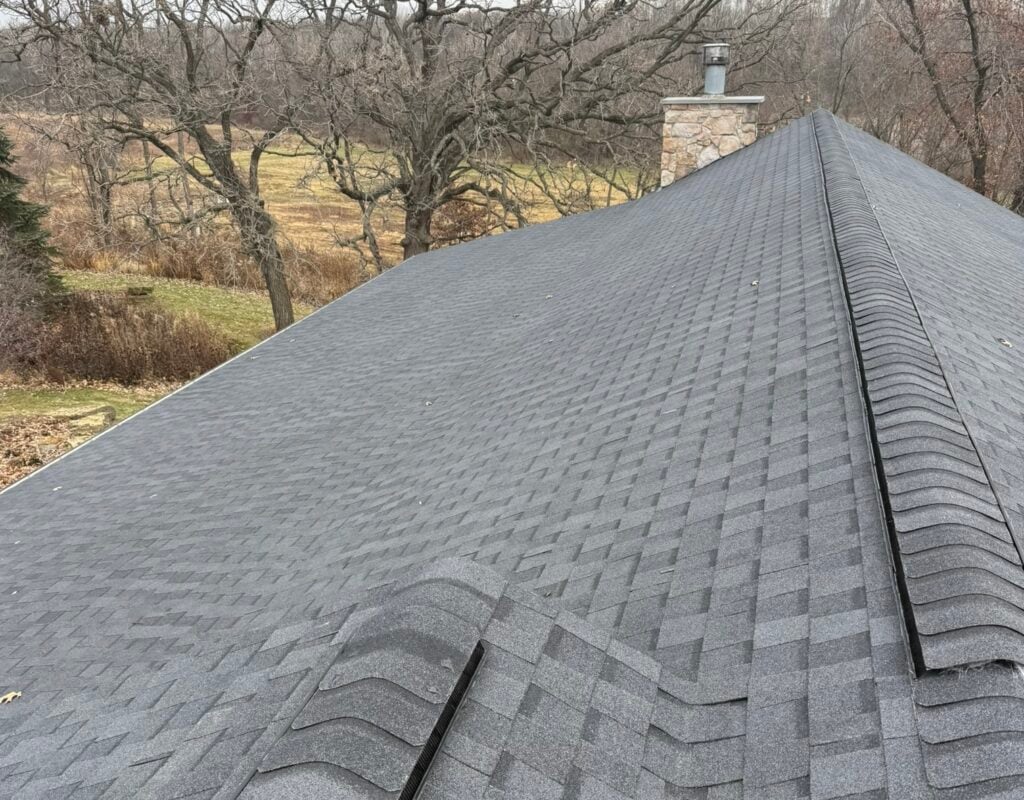
Stop the Leak Before It Gets Bigger , Badgerland Exteriors Can Help
Badgerland Exteriors has been diagnosing and repairing roof leaks for homeowners in Oregon, WI, and across central Wisconsin since 2009. Our team provides free estimates, responds within 24 to 48 hours of first contact, and offers storm damage inspections at no charge. We bring the same honest, education-first approach to leak repair that we apply to every roofing service we offer.
Book your free roof estimate with Badgerland Exteriors today.


Let’s Get Started
Fix Your Roof the Badger Way
Got a question? Want to learn more about your options when it comes to caring for your home exterior? Our team is standing by with the information you need to start you roof replacement project today!
