
6 Situations Where Roof Leak Sealant Is the Right Choice
6 Min Read
POSTED 12.03.2026
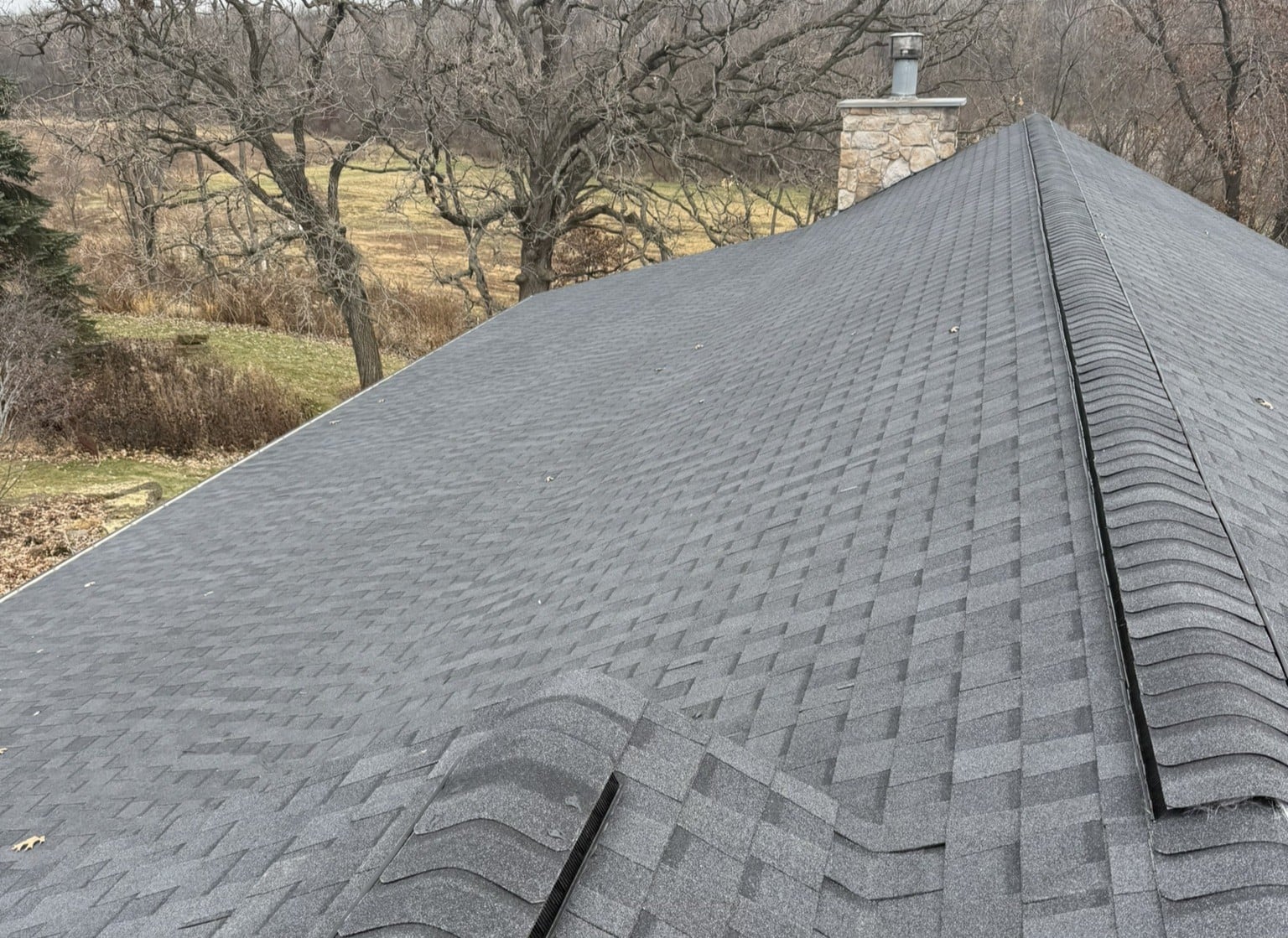
Choosing the right solution for a minor roofing issue can save time and money. In certain cases, roof leak sealant provides an effective short term or localized repair option without requiring major reconstruction. In Delafield, WI, where roofs face harsh weather conditions including heavy rain, snow accumulation, and seasonal freeze thaw cycles, knowing when sealant is appropriate helps homeowners act quickly before damage spreads.
Before applying any product, keep these points in mind:
- Sealant works best for small areas: It is not designed for widespread structural damage.
- Surface preparation matters: Proper cleaning improves adhesion and durability.
- Professional evaluation is still important: Some leaks signal deeper roofing concerns.
We’re proud to serve homeowners in Delafield, WI and surrounding communities with roof inspections, targeted repairs, and long term roofing solutions.
When Roof Leak Sealant Makes Sense
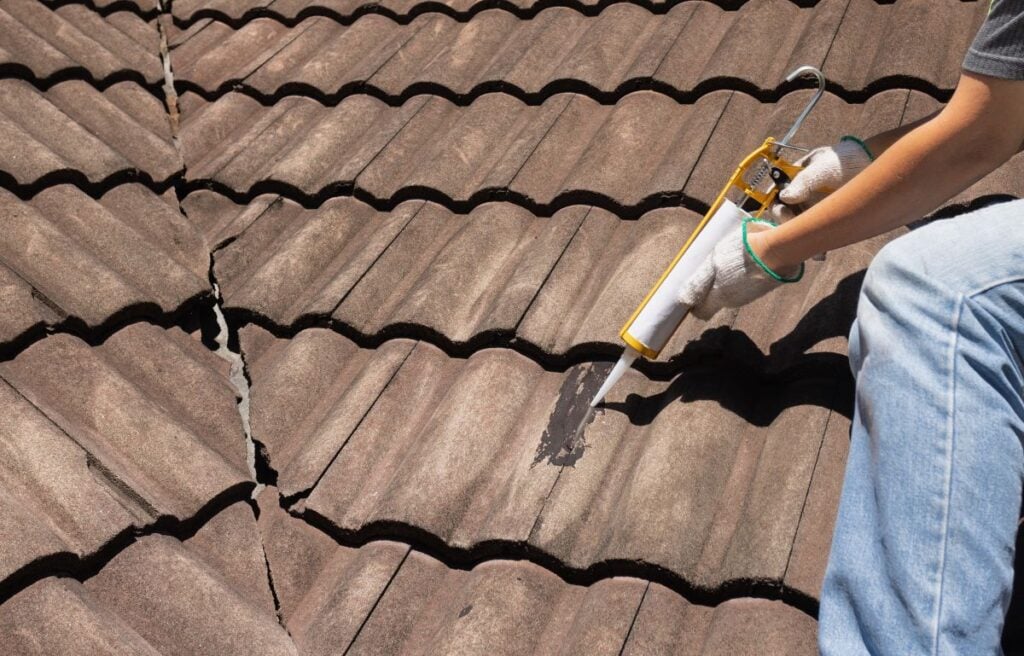
Roof sealant is most effective when the source of the leak is clearly identified and confined to a limited area. It is commonly used on flashing seams, minor membrane punctures, or small cracks around roof penetrations. When properly applied, it creates a waterproof barrier that prevents further moisture intrusion.
Sealant products are compatible with several roofing materials, including asphalt shingles and certain metal roof components. However, sealant is not a replacement for structural repairs. If decking, underlayment, or large shingle sections are compromised, a more comprehensive repair approach is necessary. Understanding the right situations for sealant ensures it performs as intended and does not delay needed repairs.
6 Situations Where Roof Leak Sealant Is the Right Choice
Below are six common scenarios where applying sealant can be an appropriate and effective solution.
1. Small Flashing Gaps
Flashing around chimneys, vents, and skylights can develop small separations over time. Sealant can close minor gaps before water penetrates deeper layers.
- Hairline cracks: Small splits along flashing edges.
- Lifted corners: Slight separation without structural damage.
2. Minor Shingle Cracks
Individual asphalt shingles may crack due to aging or temperature shifts. If the surrounding roofing system remains intact, roof sealant can reinforce the affected area.
- Surface splits: Limited cracking without missing shingles.
- Localized wear: Damage confined to one or two shingles.
3. Fastener Exposures
Roof fasteners occasionally back out or become exposed, particularly on metal roofing panels. Applying sealant around the fastener head can prevent water intrusion.
- Raised nail heads: Fasteners that slightly protrude.
- Small puncture points: Openings around hardware.
4. Membrane Punctures on Flat Roofs
Flat or low slope roofing systems sometimes develop small punctures from debris or foot traffic. Sealant products designed for membrane surfaces can provide temporary protection.
- Pin sized holes: Minor punctures without widespread saturation.
- Isolated tears: Small splits that have not spread.
5. Temporary Storm Protection
After severe weather, homeowners may use sealant as a short term measure while awaiting professional repairs. This is especially helpful when harsh weather conditions make immediate reconstruction difficult.
- Emergency patching: Prevents active dripping.
- Short term barrier: Protects interior until full repair.
6. Sealing Around Roof Penetrations
Areas where pipes, vents, or small fixtures pass through the roof often require resealing over time. Reapplying sealant can restore the waterproof barrier and prevent leaks from spreading toward gutters or siding.
- Cracked sealant lines: Aging material around penetrations.
- Visible shrinkage: Gaps forming around vent bases.

Signs Sealant May Be Enough
In some cases, a full repair is not immediately necessary. A close inspection can help determine whether roof sealant alone may resolve the issue.
- Leak is recent and isolated: No signs of long term staining or wood damage.
- Roof structure remains solid: No sagging or soft decking detected.
- Damage is surface level only: Shingles, metal panels, or flashing remain largely intact.
- No recurring history: Area has not leaked repeatedly in the past.
When these conditions are met, sealant may serve as a practical and efficient solution without disturbing larger roof sections.
When Sealant Is Not Enough
While roof sealant can be useful, it is not suitable for every situation. Larger areas of shingle loss, significant flashing failure, or structural sagging require professional repair rather than surface treatment.
Sealant should not be relied upon if:
- Water damage is widespread: Interior staining across large areas.
- Decking feels soft: Structural components may be compromised.
- Recurring leaks occur: Persistent moisture signals deeper issues.
- Concrete or structural surfaces are cracked: Damage extends beyond roofing materials.
In these cases, applying sealant may temporarily mask symptoms without addressing the root cause. Professional contractors can determine whether repair or partial replacement is the better long term solution.
Proper Application Tips for Better Results
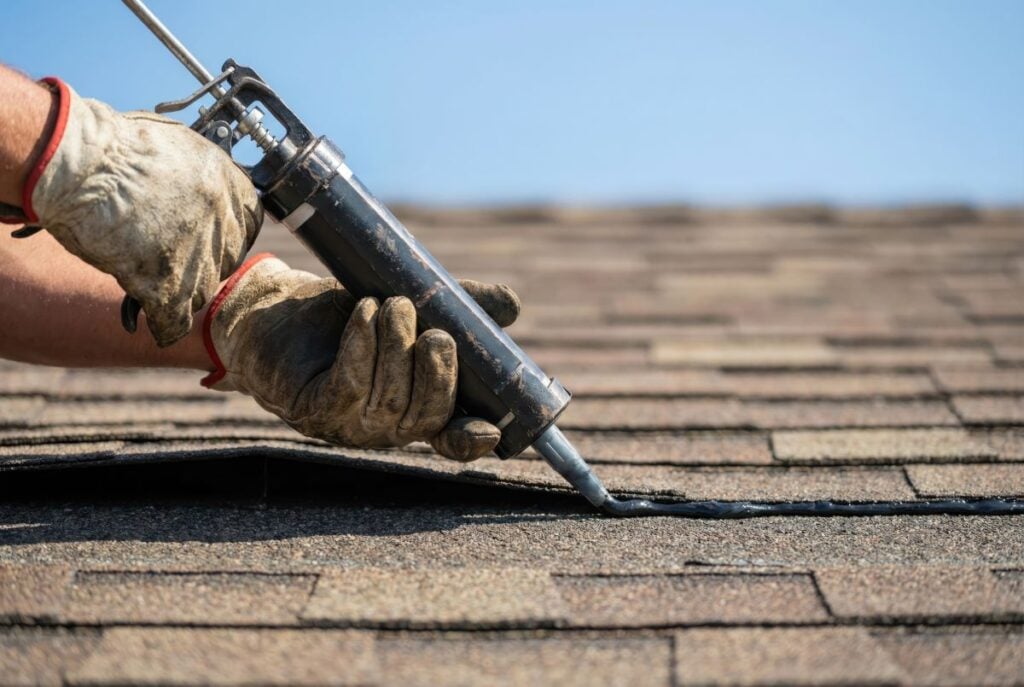
Even when sealant is appropriate, correct preparation is critical. Surfaces must be clean, dry, and free from debris before application. Removing loose granules, dirt, old paint, or deteriorated sealant ensures stronger adhesion and longer lasting results.
Temperature conditions also matter. Applying sealant during mild weather allows proper curing and bonding. In Delafield, WI, scheduling repairs during stable weather improves performance. It is also important to verify compatibility between the sealant and the roofing material, whether asphalt, metal, or membrane based systems.
Common Questions About Roof Leak Sealant
Homeowners often have questions about how and when to use sealant products safely and effectively.
How long does roof sealant last?
Longevity depends on product quality, weather exposure, and surface preparation. In many cases, sealant serves as a temporary or mid term solution rather than a permanent repair. Regular inspections help determine when reapplication or a full repair is needed.
Can I apply sealant myself?
Small, accessible areas may allow for careful application by a homeowner. However, working on a roof involves safety risks. Professional contractors have the experience to assess whether sealant is appropriate and ensure the repair is applied correctly.
Does sealant work on all roofing materials?
Most roof sealant products are designed for specific materials. Some are formulated for asphalt shingles, others for metal surfaces or flat membranes. Always verify compatibility before application to ensure proper bonding and durability.
Why Homeowners Trust Badgerland Exteriors
Badgerland Exteriors provides professional roof inspections and repair services designed to address leaks correctly the first time. Our team evaluates flashing, shingles, membrane surfaces, gutters, and structural components to determine whether sealant is appropriate or if more extensive repairs are needed. We focus on accurate diagnostics, durable solutions, and clear communication so you can make informed decisions about your roofing system. Contact Badgerland Exteriors today to schedule your roof inspection in Delafield, WI or nearby communities.

Let’s Get Started
Fix Your Roof the Badger Way
Got a question? Want to learn more about your options when it comes to caring for your home exterior? Our team is standing by with the information you need to start you roof replacement project today!
