
8 Roof Safety Equipment Items for Homeowners & Pros
6 Min Read
POSTED 15.01.2026
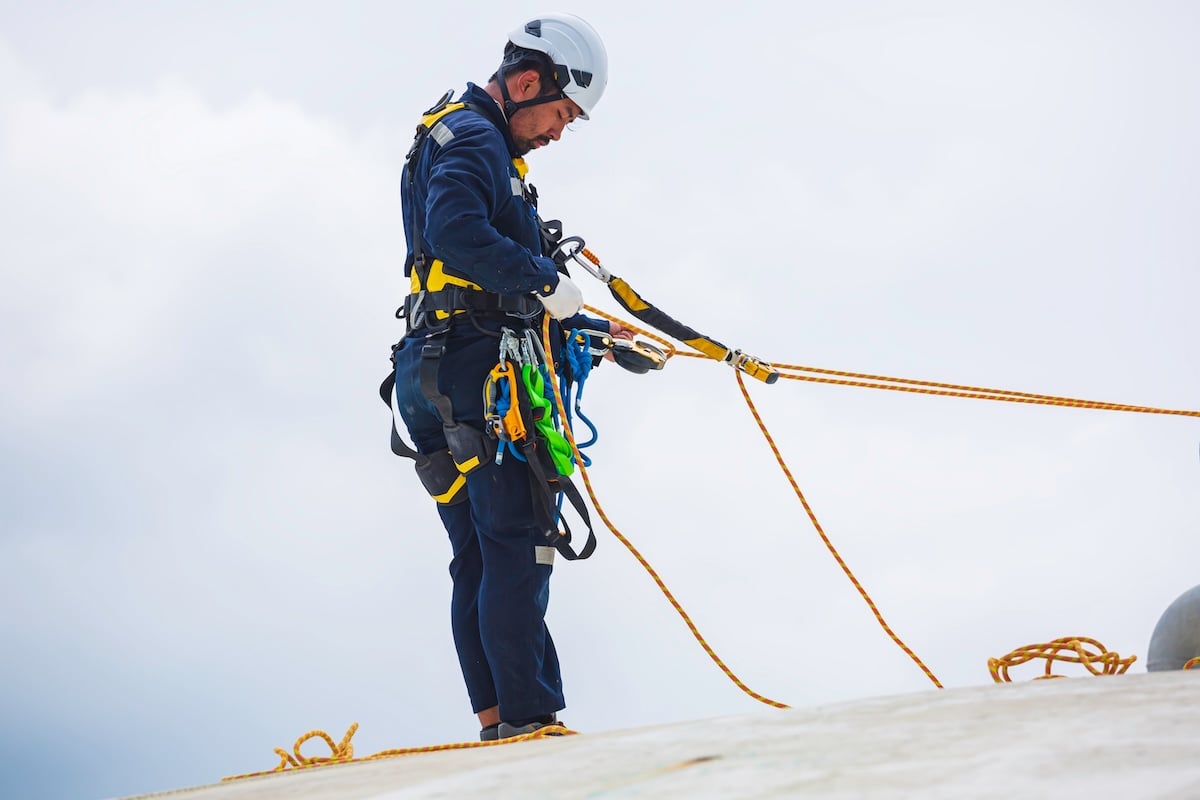
Ensuring safety while working on a roof is critical, whether you are a homeowner tackling a repair or a professional roofer managing a larger project. Roof safety equipment plays an essential role in preventing falls, limiting injuries, and helping anyone on a roof work safely with confidence. Using the correct safety gear protects lives, increases productivity, and supports compliance with fall protection safety requirements. If you are researching proper safety practices or want reliable support from experts, consider exploring professional roofing services designed to keep every project secure. This guide outlines essential equipment for both homeowners and pros who want to stay safe on the roof.
Here is what this guide covers:
- Essential safety gear for rooftop work
- Tips for choosing the right equipment
- Homeowner vs. professional gear comparisons
- Storage, maintenance, and inspection practices
- Ways to stay safe on any type of roof, including steep roof peak areas
Waukesha, WI homeowners often face seasonal conditions that make rooftop safety even more important, making proper equipment a must for every project.
Why Roof Safety Equipment Matters for Every Rooftop Task
Working on a roof involves real danger, and falls are one of the most common causes of injuries during roof projects. Even experienced individuals can slip, lose balance, or misjudge footing near a roof peak. Whether repairing shingles or performing inspections, the right equipment protects you, your team, and the ground below from preventable accidents.

Safety equipment is designed to provide stability, controlled movement, and fall protection safety. It also supports compliance with safety standards and reduces risk during contractor work.
- Risk reduction: Lowers chances of falls and injuries.
- Compliance: Supports OSHA-approved safety requirements.
- Confidence: Enables workers to move safely on angled or uneven surfaces.
- Cost efficiency: Reduces medical or liability risks.
- Longevity: Encourages proper handling of tools and materials.
8 Essential Roof Safety Equipment Items Every Roofer Should Have
Below are the eight most important items for rooftop safety. Each piece of equipment helps ensure that homeowners and professionals can protect themselves while working at height.
1. Harness and Fall Arrest Systems
A harness and fall arrest system are essential when working above ground level. These systems stop a fall from becoming catastrophic by securing the user to a stable anchor.
- Harness fit: Ensures secure, comfortable support while moving.
- Lanyard or rope: Connects safely to anchor points during roof work.
- Anchorage connection: Provides reliable fall protection safety.
2. Roof Anchors
Roof anchors create secure connection points for lifelines, lanyards, or rope systems. They are a cornerstone of working safely on any elevated surface.
- Permanent anchors: Best for roofing contractors with ongoing projects.
- Temporary anchors: Suitable for homeowners performing occasional tasks.
- Placement requirements: Must be installed according to weight and location guidelines.
3. Guardrails and Safety Netting
Guardrails and safety nets provide physical and secondary barriers that protect users from edges and sudden drops.
- Guardrails: Help prevent accidental stepping or sliding off edges.
- Safety netting: Catches falling workers or materials.
- Best use cases: Ideal for large, flat, or low-slope roofs.
4. Roof Ladders and Platforms
Roof ladders provide stable access to roof surfaces, while platforms offer secure working areas for tool placement and movement.

- Non-slip rungs: Support stability during climbing.
- Hooked ladders: Attach securely to the roof peak.
- Platforms: Reduce fatigue and improve balance.
5. Personal Protective Equipment (PPE)
PPE protects workers from a range of hazards including falling objects, cuts, and slips.
- Helmets: Prevent head injuries from debris or tools.
- Work gloves: Protect hands while maintaining grip.
- Non-slip shoes: Provide traction on angled or slick surfaces.
6. Warning Lines and Safety Signs
Warning lines and signs serve as visual barriers to indicate hazardous zones and controlled access areas.
- Hazard marking: Identifies unsafe or edge-adjacent areas.
- Visibility: Should remain clear in various weather conditions.
- Placement: Must be positioned before approaching hazardous zones.
7. First Aid Kit
Injuries can happen even with the best precautions, making a well-stocked first aid kit essential on roofing job sites.
- Basic supplies: Bandages, antiseptics, burn treatments.
- Readiness: Must be easily reachable during emergencies.
- Maintenance: Replace expired or used items regularly.
8. Rope, Lifelines, and Safety Connectors
Rope systems and lifelines provide controlled movement and safe positioning while working at height.
- Durable rope: Should resist fraying and weather exposure.
- Lifeline systems: Offer continuous connection to anchor points.
- Proper connectors: Reduce the risk of accidental detachment.
Enhancing Safety Through Proper Use and Maintenance of Equipment
Having equipment is not enough; proper use, storage, and inspection practices must follow. Users should always be properly trained to handle fall protection equipment and understand how it functions in both routine and emergency scenarios.
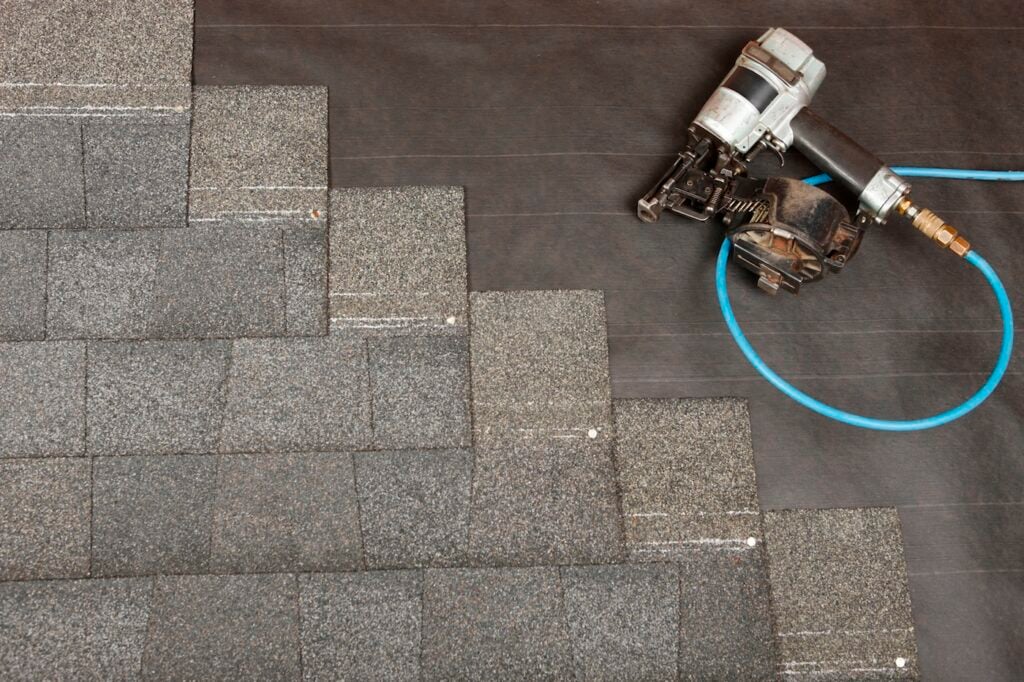
- Inspection frequency: Before every use and periodically by supervisors.
- Training requirement: Annual refresher courses recommended.
- Storage best practices: Simultaneous organization and protection.
Homeowner vs. Professional Safety Equipment
Homeowners often prefer equipment that is simple, affordable, and easy to set up. Basic harnesses, rope anchors, and sturdy ladders are common choices. Professionals handle more complex tasks and require higher-grade systems with additional safeguards. Cost differences reflect usage frequency and durability expectations. Homeowners typically buy or rent for occasional projects, while professionals invest in long-lasting, compliant equipment.
Frequently Asked Questions About Roof Safety
Understanding the practical aspects of roof safety gear helps homeowners and roofing professionals make smarter decisions. Roof safety questions often arise from uncertainty about compliance, training, and appropriate equipment selection.
Is a harness necessary for every roof job?
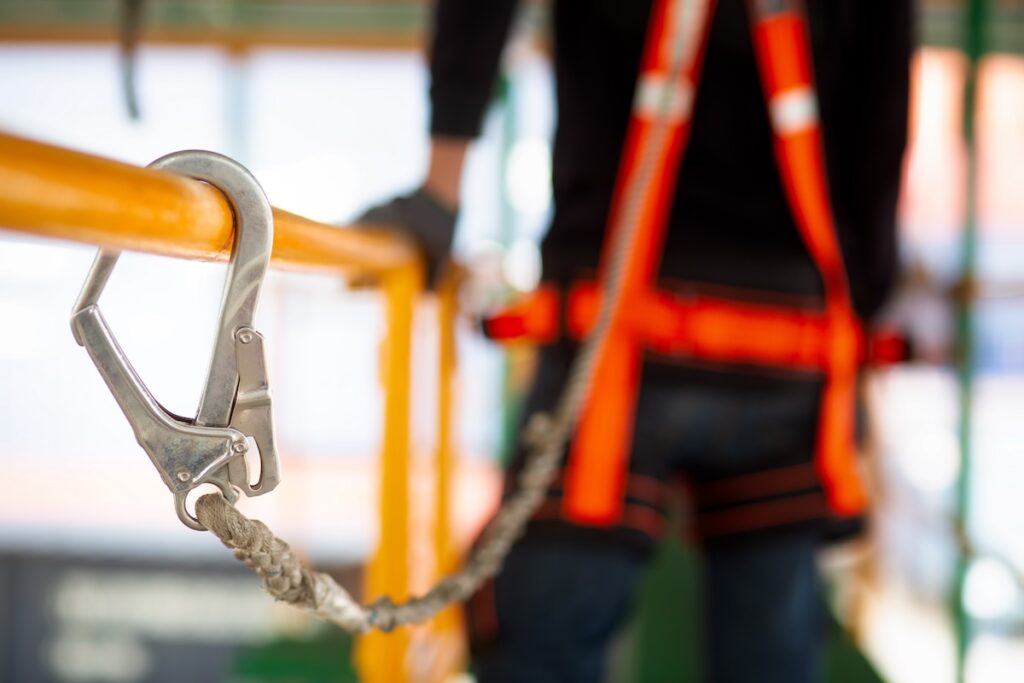
While not always legally required for low heights, a harness is strongly recommended for most tasks near edges or elevated surfaces.
How often should roof safety equipment be inspected?
All equipment must be inspected before each use and periodically through formal evaluations.
Can homeowners install roof anchors themselves?
Some can, but incorrect installation can cause hazards. A properly trained expert ensures maximum safety.
What’s the difference between a guardrail and a warning line?
Guardrails provide physical protection, while warning lines visually alert users to stay away from certain areas.
Where can I buy reliable roofing safety gear?
Certified gear is available through local hardware stores, professional suppliers, and trusted online retailers.
Stay Safe on the Roof with Proper Equipment and Expertise
Roof safety equipment is essential for preventing injuries and supporting confidence while working at height. Using the right gear—from harnesses to ropes to guardrails—and following proper training ensures that homeowners and professionals can protect themselves throughout every stage of a roofing project.
Badgerland Exteriors encourages every property owner to prioritize safe work practices. If you need help selecting equipment, preparing for roof work, or coordinating safety steps with your team, contact us today for expert support and dependable service throughout your project.
Let’s Get Started
Fix Your Roof the Badger Way
Got a question? Want to learn more about your options when it comes to caring for your home exterior? Our team is standing by with the information you need to start you roof replacement project today!
