
8 Roof Underlayment Types for Different Roofs Explained
7 Min Read
POSTED 19.02.2026
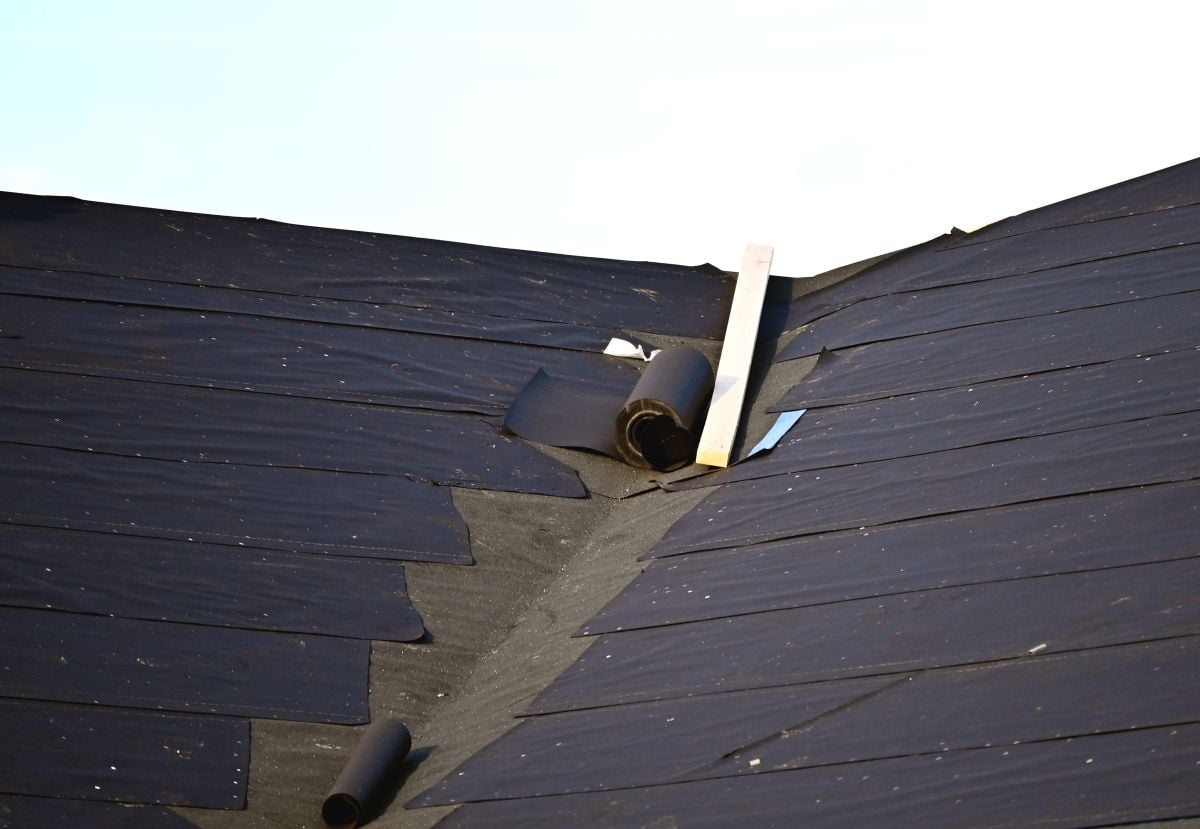
Choosing the right roof underlayment types is critical to protecting your home from moisture intrusion and long term roof damage. In Madison, WI, where heavy snow, rainstorms, and freeze thaw cycles are common, the layer beneath your shingles or metal panels plays a major role in overall roofing system performance. Underlayment acts as a secondary moisture barrier between the roof covering and the roof sheathing, protecting the structure if outer materials become compromised.
Before selecting a type of underlayment, keep these key considerations in mind:
- Climate conditions matter: Snow and ice demand higher moisture resistance.
- Roof material impacts compatibility: Metal, asphalt, and tile require different solutions.
- Longevity affects value: Some underlayments last longer and resist tearing better than others.
We’re proud to serve homeowners in Madison, WI and nearby communities with roofing inspections, installations, and full roofing project evaluations.
Why Roof Underlayment Is So Important
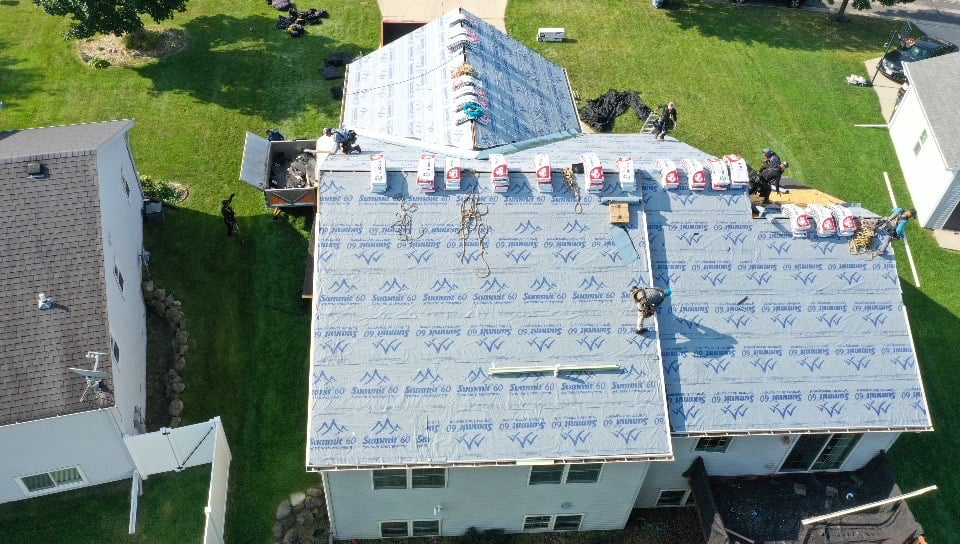
Roof underlayment sits directly on top of the roof sheathing and beneath the primary roof covering. Its main job is to create a waterproof seal that provides backup protection if wind-driven rain, ice dams, or damaged shingles allow water to pass through the surface layer.
In Wisconsin climates, underlayment also helps manage condensation caused by temperature swings and varying roof slope designs. Without proper protection, trapped moisture can lead to wood rot, mold growth, insulation deterioration, and structural weakening. Even if shingles appear intact, aging or improperly installed underlayment can allow hidden moisture intrusion over time. Choosing the correct type of underlayment supports the durability and reliability of the entire roofing system.
8 Roof Underlayment Types Explained
Different roofing materials require specific underlayment options. The following materials are commonly used across the roofing industry, depending on roof slope, climate conditions, and the overall roofing project goals.
1. Asphalt Saturated Felt
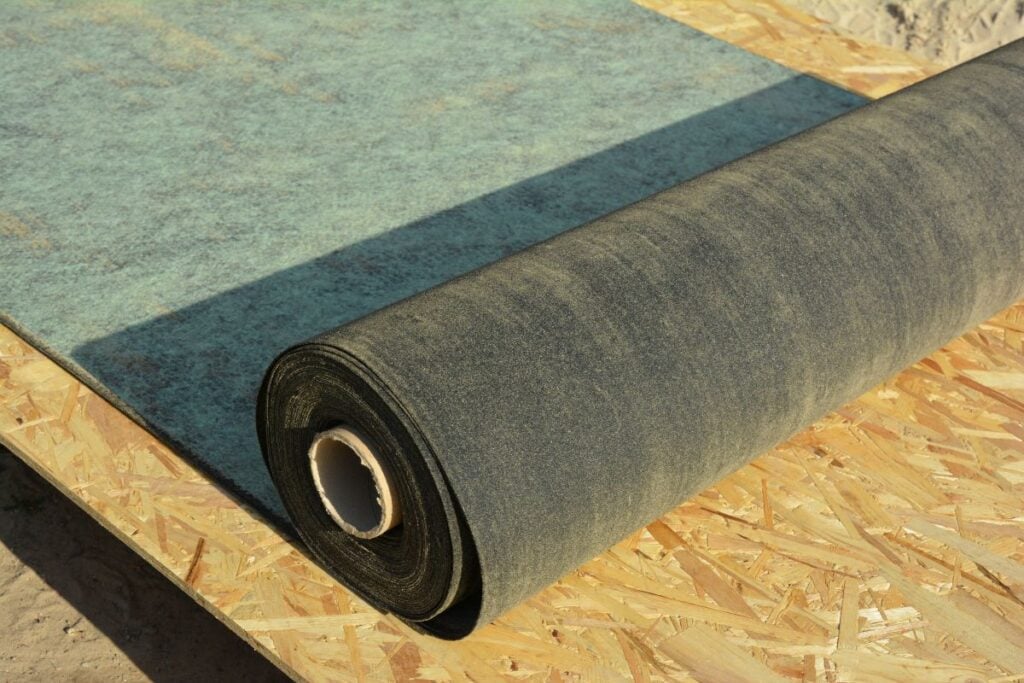
Also known as felt paper, this traditional underlayment has been used for decades. It is made from organic or fiberglass mats soaked in asphalt for water resistance.
- Affordable option: Lower upfront cost compared to synthetics.
- Moderate durability: Can wrinkle or tear if exposed too long.
2. Synthetic Underlayment
Synthetic underlayment is made from woven or spun polyethylene or polypropylene. It is lightweight yet highly durable and increasingly popular in the roofing industry.
- Tear resistant: Stronger than traditional felt.
- Water resistant surface: Sheds moisture effectively.
3. Rubberized Asphalt Underlayment
This self adhering underlayment contains high concentrations of asphalt and rubber polymers for superior waterproofing.
- Self sealing barrier: Seals tightly around fasteners.
- High moisture protection: Ideal for ice dam prone areas.
4. Peel and Stick Membrane
Often used in valleys and around penetrations, peel and stick membranes bond directly to decking and reinforce vulnerable transitions.
- Adhesive backing: Creates tight seal against roof sheathing.
- Enhanced leak protection: Useful in high risk roof areas.
5. Ice and Water Shield
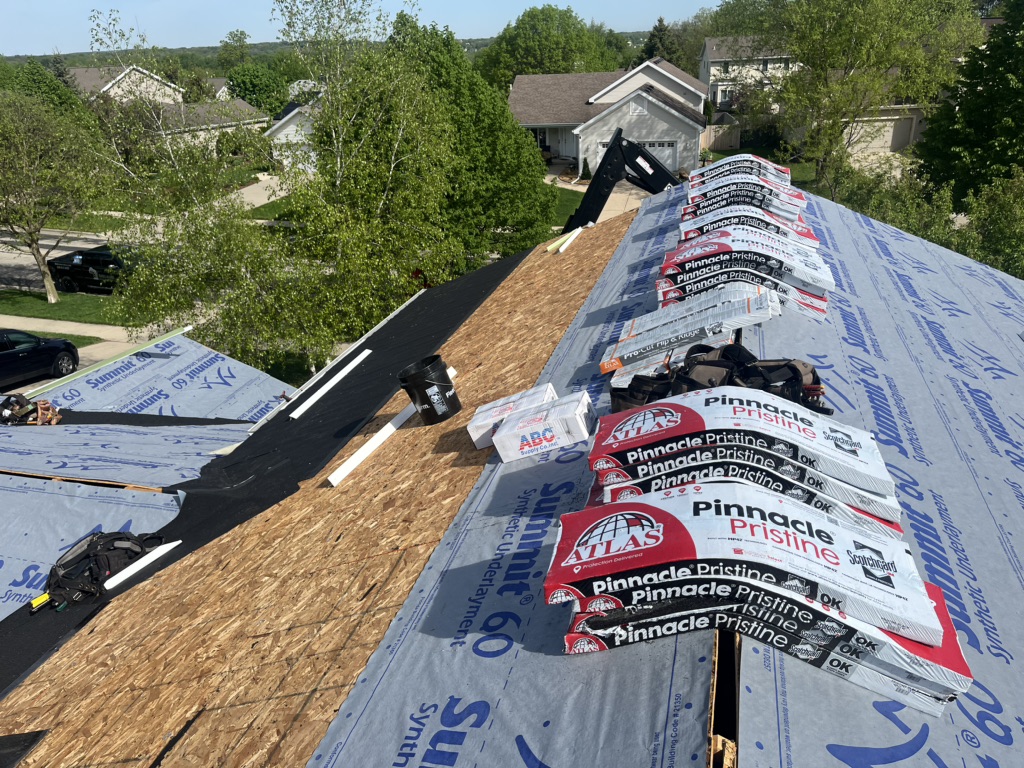
Designed for cold climates, ice and water shield protects against melting snow that refreezes along roof edges and low roof slope sections.
- Freeze thaw defense: Prevents water backup beneath shingles.
- Edge protection: Common along eaves and valleys.
6. High Temperature Underlayment
This type is often required beneath metal roof coverings where surface temperatures rise significantly.
- Heat resistant: Withstands elevated surface temperatures.
- Metal roof compatible: Maintains performance beneath metal panels.
7. Breathable Underlayment
Breathable products allow moisture vapor to escape while blocking liquid water from entering the roofing system.
- Moisture management: Reduces condensation buildup.
- Improved attic performance: Supports balanced ventilation.
8. Tile Specific Underlayment
Tile roofs require heavier duty underlayments capable of supporting weight and long exposure during installation.
- Durability focused: Handles heavier roofing materials.
- Long term resilience: Designed for extended service life.
Matching Underlayment to Roof Type
Selecting the correct type of underlayment depends heavily on the primary roof covering, roof slope, and local climate. Asphalt shingles typically pair well with synthetic or felt underlayment, while metal systems benefit from high temperature synthetic products that withstand expansion and contraction.
Tile and specialty roofs often require reinforced or rubberized layers to handle weight and prolonged exposure. Proper installation is just as important as product selection. Even high quality underlayment will fail if seams are not overlapped correctly or fasteners are improperly placed. Working with an experienced roofing contractor ensures the underlayment meets manufacturer requirements and local building codes in Madison, WI.
Comparison of Common Roof Underlayment Types
Understanding how different options compare can make the selection process easier.
| Underlayment Type | Best For | Key Advantage |
| Asphalt Felt | Budget conscious projects | Affordable and widely available |
| Synthetic | Most residential roofs | Strong and lightweight |
| Rubberized Asphalt | Ice prone climates | Superior waterproof seal |
| Ice and Water Shield | Eaves and valleys | Freeze thaw protection |
| High Temperature | Metal roofing | Heat resistance |
Each product offers different performance levels based on installation method and environmental exposure. Reviewing long term durability, climate demands, and roofing system compatibility can help homeowners make a confident decision.
What to Consider During a Roof Replacement
When planning a roof replacement, underlayment deserves careful attention. Many homeowners focus on visible materials, but the layers beneath the roof covering are equally important for long term durability.
Keep these key considerations in mind:
- Climate exposure: Madison, WI homes experience snow, rain, and freeze thaw cycles that demand higher moisture resistance.
- Roof slope design: Lower slopes may require enhanced waterproofing protection.
- Ventilation integration: Underlayment should work alongside attic ventilation to manage moisture properly.
- Warranty requirements: Manufacturers often require specific underlayment products for full coverage.
- Overall roofing project goals: Material choice should align with durability expectations and budget.
Choosing the right underlayment during replacement ensures your roofing system performs as intended, not just at the surface but throughout every layer.
Common Questions About Roof Underlayment Types
Homeowners often have additional questions about how underlayment impacts roof performance and replacement decisions. The answers below provide helpful clarity.
How long does roof underlayment last?
The lifespan depends on the material used and environmental exposure. Traditional felt underlayment may last 15 to 20 years under shingles, while synthetic products often offer greater durability. However, underlayment is typically replaced during a full roof replacement because removing the roof covering usually damages the existing layer. Regular inspections by a roofing contractor can help identify early signs of deterioration.
Is synthetic underlayment better than felt?
Synthetic underlayment generally offers greater tear resistance, lighter weight, and improved moisture protection compared to felt. It also performs better in high wind conditions and resists wrinkling during installation. That said, felt may still be appropriate for certain projects depending on roof slope and budget. The best choice depends on the specific roofing system and environmental factors.
Do I need ice and water shield on my entire roof?
In most cases, ice and water shield is installed along eaves, valleys, and penetrations rather than across the entire roof surface. Building codes in colder regions often require it in areas where ice dams are common. A qualified roofing contractor can evaluate your roof slope and climate exposure to determine proper placement.
Can underlayment prevent all roof leaks?
Underlayment significantly reduces the risk of leaks, but it does not replace proper installation of shingles, flashing, and ventilation components. It acts as a secondary moisture barrier that protects the roof sheathing if the outer roof covering is compromised. A well-installed and balanced roofing system provides the best defense against water intrusion.
Why Homeowners Trust Badgerland Exteriors
Badgerland Exteriors provides thorough roof inspections and professional installation services designed to protect homes in every season. Our team evaluates roof sheathing condition, ventilation performance, roof slope design, and underlayment requirements before recommending materials that support long term durability. Whether you are planning a full roof replacement or starting a new roofing project, we ensure every layer of your roofing system works together for reliable protection. Contact Badgerland Exteriors today to schedule your roof evaluation in Madison, WI or nearby communities.
Let’s Get Started
Fix Your Roof the Badger Way
Got a question? Want to learn more about your options when it comes to caring for your home exterior? Our team is standing by with the information you need to start you roof replacement project today!
