
Is a Roof Ventilation Fan Necessary? 7 Benefits Explained
6 Min Read
POSTED 27.01.2026
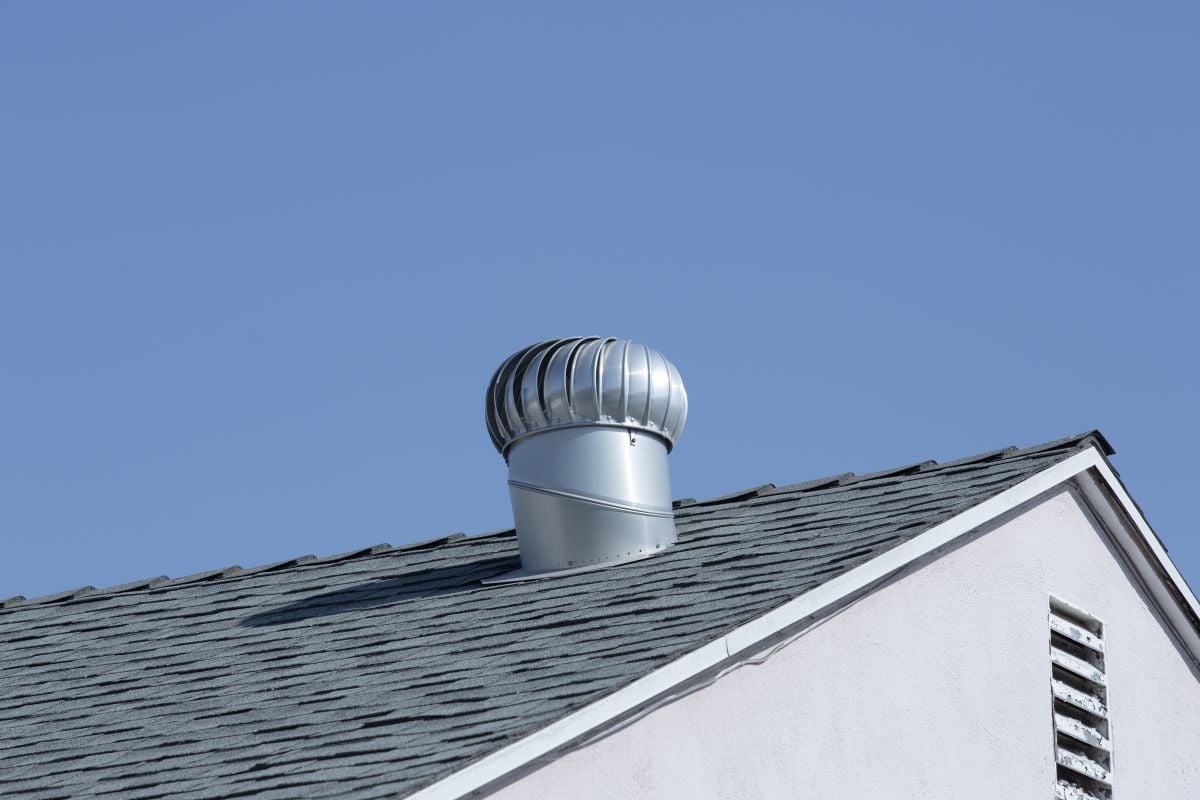
Homeowners often wonder whether installing a roof ventilation fan is necessary, especially in a place like Sun Prairie, WI where temperature swings and humidity levels can influence attic airflow. A fan can be helpful in certain situations, but it is not always required. The real determining factor is whether your current attic ventilation setup can handle seasonal heat and moisture effectively. Many homes already have the right balance of intake and exhaust vents and simply need an evaluation to confirm performance. A complete view of how hot air moves through the attic can clarify whether additional fans or air circulation roof mount systems are needed.
Here are a few important considerations before deciding:
- Natural airflow varies by home: Some attics already breathe well without assistance.
- Climate impacts ventilation needs: Heat, humidity, and cold-weather condensation all play a role.
- Roof inspections help: A professional review can identify airflow issues early.
We’re proud to serve homeowners in Sun Prairie, WI and surrounding communities with roofing evaluations and exterior guidance that supports long-term home performance.
Why Attic Ventilation Plays a Critical Role
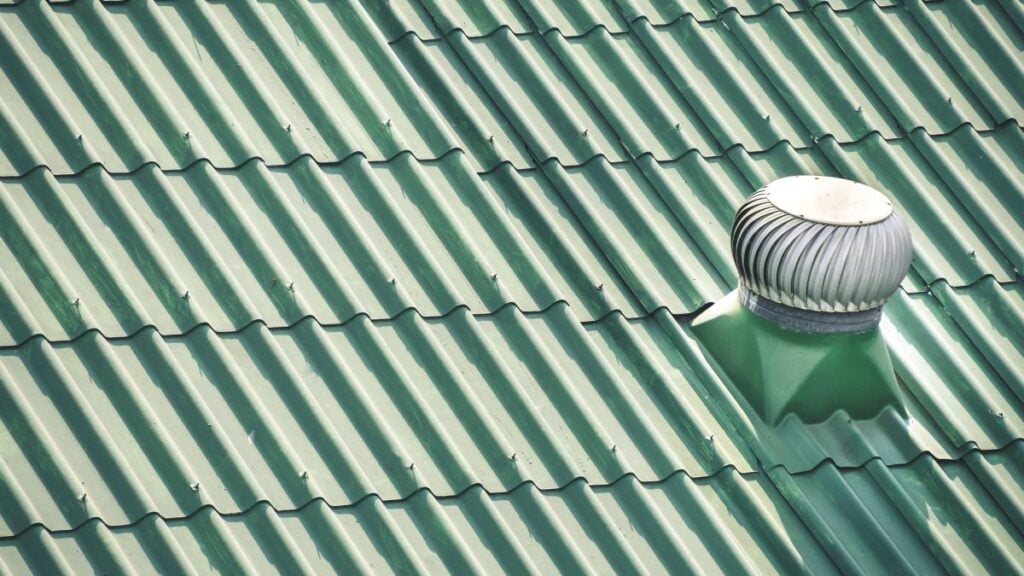
A well-ventilated attic reduces heat buildup in summer and moisture buildup in winter. When warm or hot air becomes trapped beneath roofing materials or condensation forms during cold seasons, your roof experiences unnecessary strain. Over time, poor airflow can contribute to shingle damage, weakened wood structures, and less efficient insulation. Poor ventilation can also lead to temperature imbalances throughout the home, especially on upper levels, causing discomfort during extreme weather. Uneven air movement can reach the ceiling and living space, making the home feel warmer than expected.
Good ventilation also supports energy efficiency by helping maintain more stable attic temperatures throughout the year. Without it, your HVAC system works harder, and your roof may age prematurely. Homeowners who overlook ventilation often experience higher energy bills, reduced insulation effectiveness, and a roof system that wears out sooner than expected.
7 Benefits of a Roof Ventilation Fan
A roof ventilation fan can improve overall attic performance when natural airflow isn’t enough. Each benefit below explains how additional air movement can support roof health, temperature control, and long-term home efficiency.
1. Lower Attic Temperatures
A roof ventilation fan can remove excess heat that becomes trapped in the attic during summer months. Lowering attic temperatures helps reduce how much heat radiates into living spaces. Homes with dark roofing materials or limited shading benefit significantly from improved heat removal and better movement of air through the vent system.
- Heat relief: Less heat buildup reduces indoor temperature spikes.
- Comfort improvement: Helps maintain more stable temperature levels upstairs.
2. Reduced Strain on HVAC Equipment
When your attic stays cooler, your HVAC system doesn’t have to work as hard to maintain indoor comfort. This reduces overall energy use and can prevent long-term wear. Homes with older cooling equipment often notice improvements quickly as hot air escapes more efficiently.
- Energy support: Helps lower utility costs during hot summers.
- System longevity: Reduces wear on cooling components.
3. Better Moisture Control
Moisture that remains trapped in an attic can weaken structural materials. A ventilation fan may help reduce condensation when natural airflow alone is insufficient. Moisture control becomes even more important if the attic has limited access or if insulation has absorbed damp air.
- Condensation prevention: Reduces winter moisture buildup.
- Structural protection: Helps prevent long-term wood deterioration.
4. Improved Roof Material Performance
Heat and moisture accelerate wear on roofing components. Reducing both can help extend the lifespan of shingles and decking. A well-ventilated attic provides a more stable environment for fasteners, adhesives, underlayments, and even the areas around installed solar panels.
- Shingle support: Less heat improves durability.
- Decking protection: Helps prevent trapped moisture from weakening wood.
5. Enhanced Indoor Air Quality
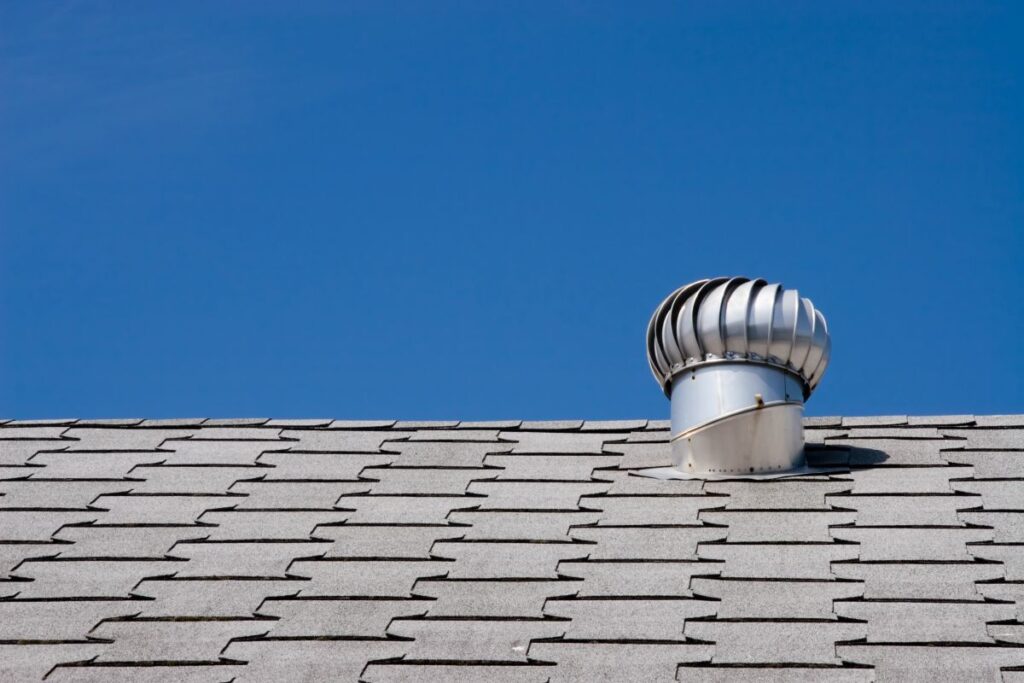
Attics that trap moisture or stale air may develop odors or mold-friendly conditions. Mechanical ventilation can help refresh attic airflow. Better airflow also helps insulation dry more efficiently after humidity spikes and prevents stagnant air from settling near the ceiling.
- Odor reduction: Removes stagnant air.
- Health support: Helps minimize mold-friendly environments.
6. More Consistent Attic Temperatures
Temperature swings cause materials to expand and contract, which affects roof longevity. Keeping attic temperatures steadier reduces stress on framing and insulation. Balanced temperatures also help prevent ice dam formation and make the space more predictable year-round.
- Material stability: Reduces thermal stress.
- Seasonal consistency: Limits extreme shifts that strain components.
7. Potential Energy Efficiency Benefits
Stable attic temperatures help your home stay more comfortable without overworking the HVAC system. Better airflow can also prevent insulation from absorbing excess moisture, which reduces its effectiveness. Fans that support steady airflow improve attic conditions long-term.
- Lower cooling demand: Reduces strain during hot weather.
- Improved insulation performance: Supports more consistent indoor conditions.
Natural Ventilation vs. Mechanical Fans
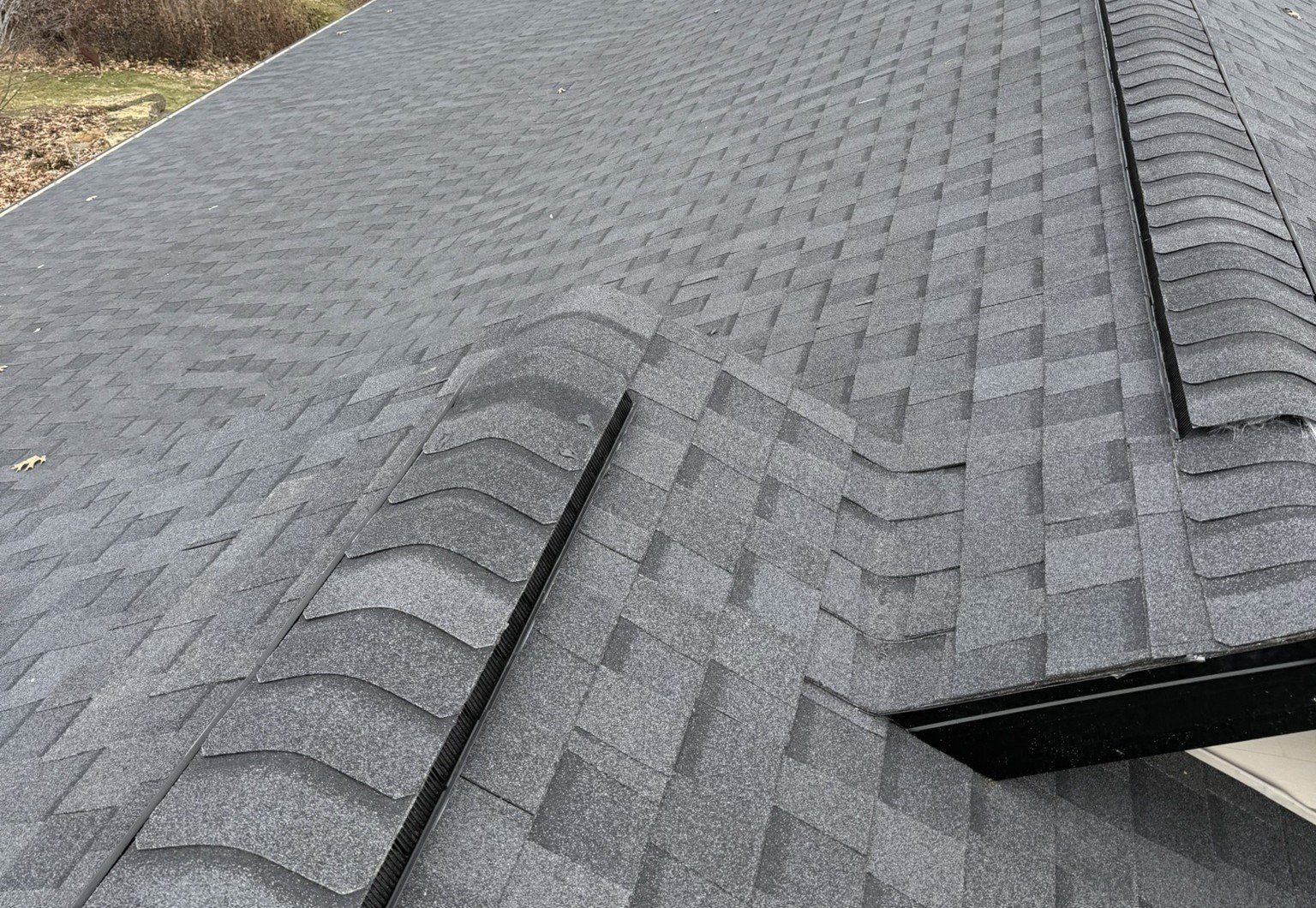
Passive ventilation relies on soffit vents, ridge vents, and natural airflow. Mechanical fans actively pull air out of the attic. While both methods move air, each serves a different purpose depending on your home’s construction and how much air circulation is available inside the space. Evaluating these systems helps determine whether a roof ventilation fan would be beneficial or unnecessary.
When Mechanical Fans May Be Helpful
A mechanical ventilation fan can offer support in situations where natural airflow is restricted. Homes with complex or segmented attic spaces sometimes struggle to maintain consistent air movement. These fans help remove hot air more quickly and improve cooling efficiency.
A mechanical fan may help when:
- Limited soffit or intake ventilation exists
- Attic heat consistently remains high
- Moisture problems appear despite passive ventilation
When Natural Ventilation Is Enough
Many homes are built with ventilation systems designed to operate without mechanical assistance. If intake and exhaust vents are balanced and unobstructed, a fan may not provide additional benefit. Homes with open attic layouts and clear pathways often maintain healthy airflow without fans.
Natural ventilation is often sufficient when:
- Passive airflow meets code requirements
- The attic remains dry and balanced year-round
- The roof structure has clear pathways for air movement
When to Consult a Roofing Expert
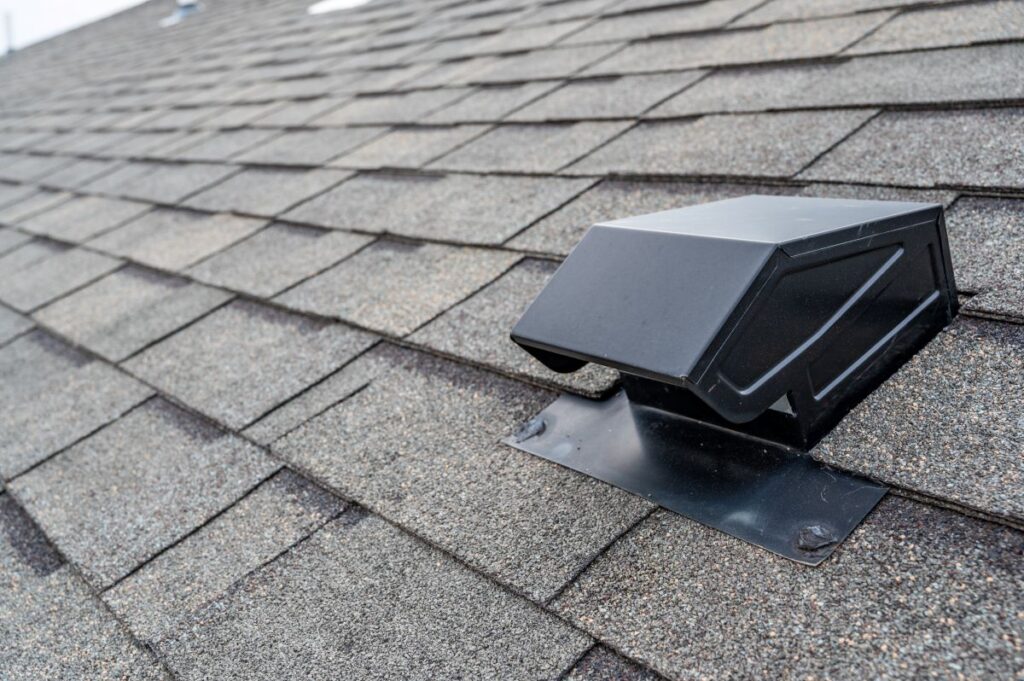
Because homes vary widely in roof design and attic structure, the best way to determine whether a fan is necessary is through a professional evaluation. A roofing specialist assesses airflow, insulation levels, temperature patterns, and moisture indicators to help you make an informed decision. They can also review how vents are installed, how air enters and exits the attic, and whether the current layout is causing excess heat retention.
Homes in Sun Prairie, WI experience seasonal moisture and temperature swings that make attic ventilation important. Even if a fan is not required, improving existing passive ventilation may still be recommended to support roof longevity and energy efficiency.
Why Homeowners Trust Badgerland Exteriors
Badgerland Exteriors provides thorough ventilation assessments and roofing evaluations designed to help homeowners understand how well their attic is performing. Our team reviews intake and exhaust ventilation, checks for moisture concerns, and identifies roof-related issues that may benefit from improved airflow. Whether you’re looking to resolve heat buildup, minimize winter condensation, or better understand your home’s ventilation balance, we’re here to help. Contact Badgerland Exteriors today to schedule your inspection and keep your roof performing at its best through every season.
Let’s Get Started
Fix Your Roof the Badger Way
Got a question? Want to learn more about your options when it comes to caring for your home exterior? Our team is standing by with the information you need to start you roof replacement project today!
