
Siding Installation Contractors: What to Look for Before You Hire
9 Min Read
POSTED 23.07.2026
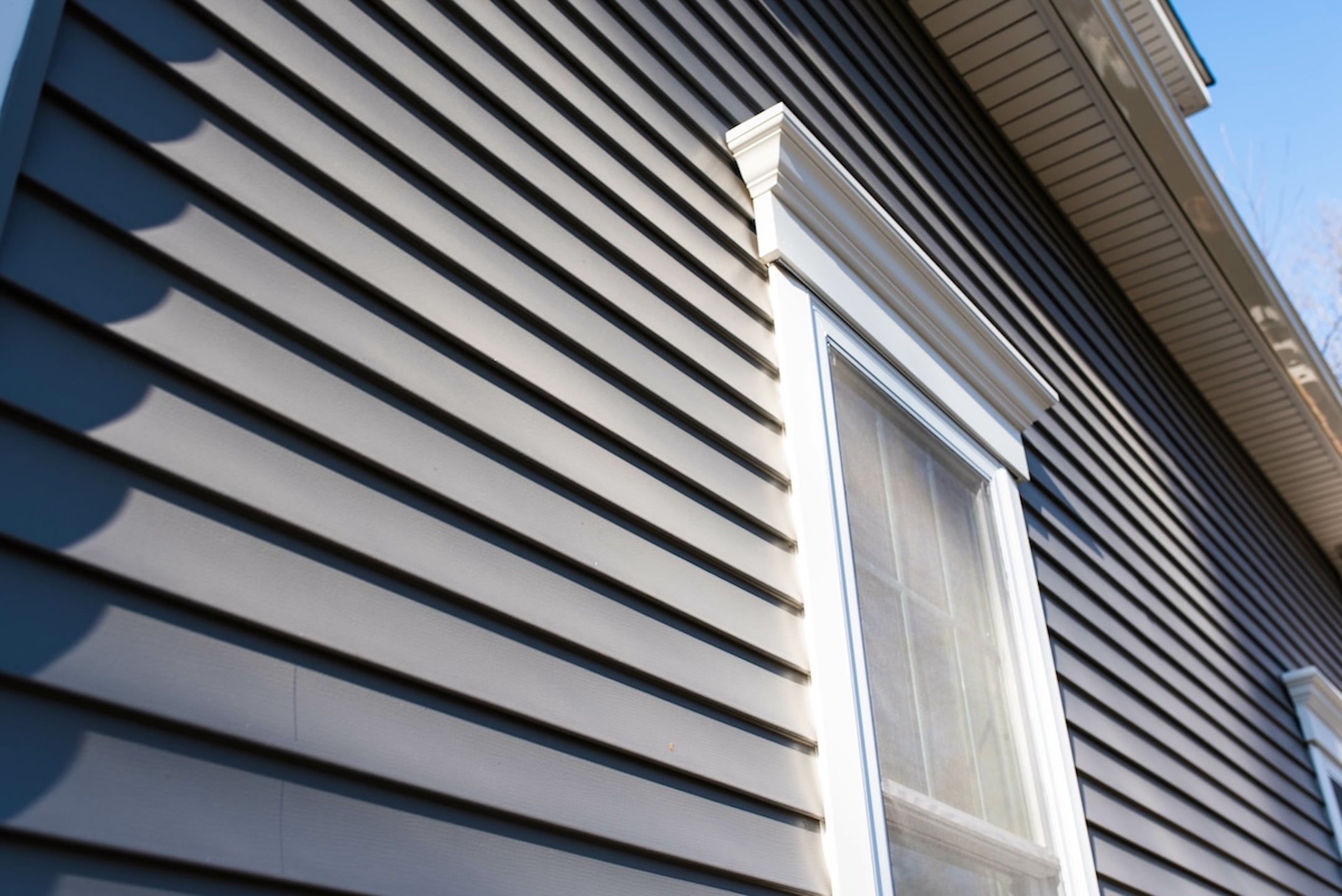
Hiring siding installation contractors is one of the more consequential decisions a homeowner makes. Siding isn’t decorative trim; it’s the primary barrier between your home’s wall assembly and everything Wisconsin throws at it across four seasons. A good installation done with quality materials can last 30 to 50 years. A poor one can begin failing within a few years in ways that are expensive to diagnose and even more expensive to fix. Knowing what to look for before you sign anything is how you avoid being on the wrong side of that equation. If you’re already comparing options, explore exterior siding services before you commit to a contractor.
Here is what this guide covers:
- The most important qualifications to look for in a siding contractor
- Red flags that signal a contractor isn’t worth hiring
- The most common siding materials and what each is suited for
- What the siding installation process involves
- Questions to ask before you commit
- Common questions homeowners ask before hiring
Why the Contractor Matters As Much As the Material
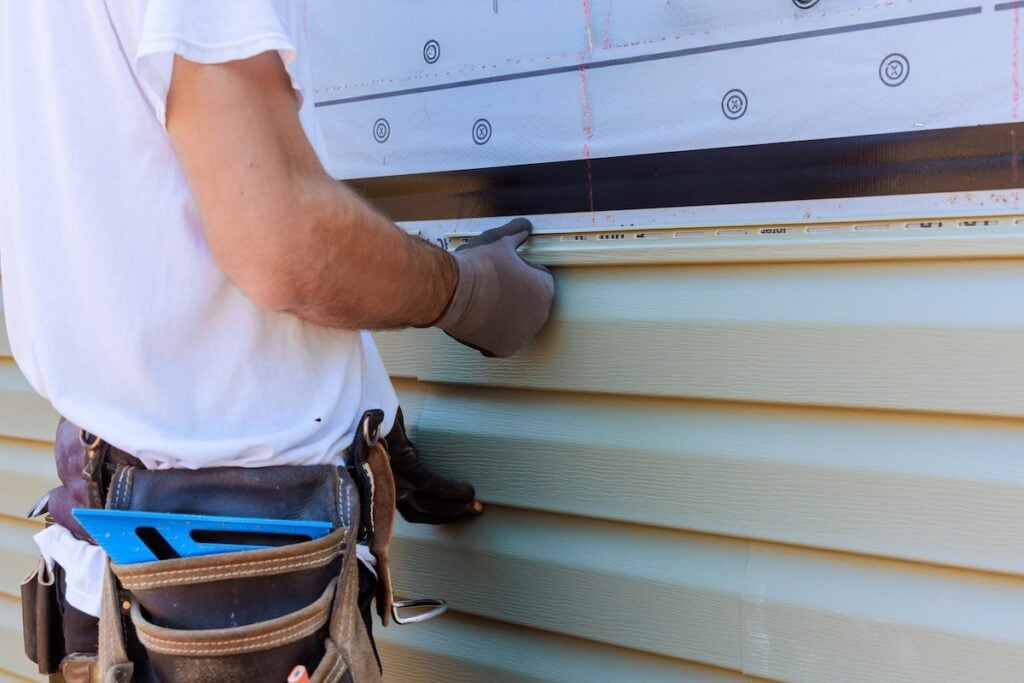
The siding material you choose matters. But the contractor who installs it matters just as much. Siding fails for two reasons: material defects, which are relatively rare, and installation errors, which are common. Gaps in housewrap, improper flashing at windows and doors, fasteners driven at the wrong angle, inadequate overlap at horizontal joints , these are the kinds of mistakes that don’t show up immediately but invite water into the wall assembly over time, leading to higher energy bills, premature siding repair, and eventually full replacement well ahead of schedule.
According to Fixr’s Home Siding Statistics report, 39 percent of homeowners who replace their siding do so because their old siding is damaged, making damage the single most common driver of siding replacement, ahead of aesthetics and energy efficiency combined. A significant portion of that damage traces back to installation failures or material choices that weren’t suited to the local climate. Getting the contractor right the first time is the single most effective way to avoid being in that statistic.
7 Things to Look for in a Siding Contractor
Not every contractor who shows up with a quote is equally qualified to do the job right. These are the factors that separate contractors worth hiring from those worth skipping.
1. Wisconsin Dwelling Contractor License
Wisconsin requires a Dwelling Contractor license for exterior work that requires permits, which siding installation typically does. This isn’t just a formality; licensed contractors are accountable to the state and have met minimum competency and insurance requirements. Ask for the license number and verify it through the Wisconsin Department of Safety and Professional Services before work begins.
2. General Liability and Workers’ Compensation Insurance
Any legitimate siding contractor carries both. General liability protects your property if something goes wrong during installation. Workers’ compensation protects you from liability if a crew member is injured on your property. Ask for certificates of both and confirm they are current before anyone starts work.
3. Documented Local Experience
There is a meaningful difference between a contractor who works regularly in Wisconsin and one who sweeps through after storm seasons. Wisconsin’s climate puts specific demands on siding installations, proper housewrap installation for moisture management, flashing techniques that account for ice dam conditions, and material selections that hold up through freeze-thaw cycling. Ask specifically about projects they’ve completed in your area and whether you can speak with past customers.
4. Manufacturer Certifications or Preferred Status
Some siding manufacturers certify contractors who meet installation standards and training requirements. LP SmartSide, James Hardie, and other major manufacturers offer these programs. Certified installers often have access to enhanced warranty coverage that non-certified contractors can’t offer. It’s not a requirement for a quality installation, but it’s a signal that a contractor takes the work seriously enough to invest in formal training.
5. A Detailed Written Proposal
A professional siding contractor provides a written proposal that spells out the scope of work, the specific materials being installed, how existing siding and housewrap will be handled, flashing and trim details, timeline, and warranty terms. If a contractor provides only a single number without supporting detail, that’s a red flag; it means there’s no shared understanding of what the job actually includes.
6. References from Comparable Projects
Ask for references from homeowners who had similar siding work completed, not just large new construction jobs. Call those references and ask specifically about how the crew handled the job site, whether the timeline was met, how communication was throughout the project, and whether any issues came up and how the contractor handled them.
7. Honest Communication About What’s Under the Siding
A contractor who won’t discuss what they might find once existing siding is removed is one who is either inexperienced or not interested in transparency. Good siding contractors acknowledge that old sheathing, rot, or housewrap failures may be discovered once work begins and explain upfront how they handle those situations and what additional costs might look like.
Common Siding Materials for Wisconsin Homes
The right siding material for a Wisconsin home balances durability in cold climates, low maintenance demands, and the homeowner’s goals for appearance and long-term value.
| Material | Typical Lifespan | Maintenance | Best Suited For |
| LP SmartSide (Engineered Wood) | 30–50 years | Low | Durability, wood appearance, freeze-thaw performance |
| Fiber Cement Siding | 30–50 years | Low–Moderate | Versatility, hail resistance, paintable surface |
| Vinyl Siding | 20–40 years | Very Low | Budget-conscious, low maintenance priority |
| Wood Siding | 20–40 years | High | Aesthetic preference, historical properties |
| Metal Siding (Steel) | 40–70 years | Low | Impact resistance, severe weather exposure |
Badgerland Exteriors primarily installs LP SmartSide composite siding, which is engineered specifically for performance in climates like Wisconsin’s. Unlike traditional wood siding, LP SmartSide is treated to resist moisture, fungal decay, and impact, making it well suited for homes that deal with ice, hail, and significant temperature swings year to year. Fiber cement siding and vinyl siding are also strong options depending on budget and aesthetic goals, and metal siding is worth considering for homeowners who want maximum longevity and impact resistance.
We’re proud to serve homeowners in DeForest and Windsor, WI, and nearby communities with siding installation, repair, and complete exterior services.
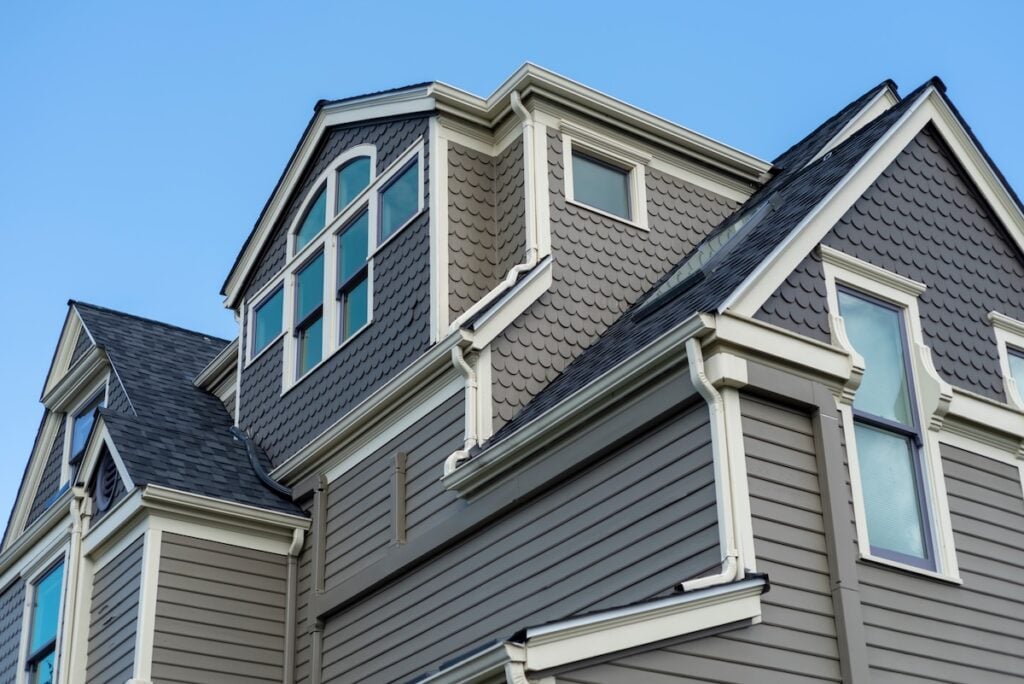
What the Siding Installation Process Looks Like
Understanding what a professional installation involves helps homeowners evaluate whether a contractor is doing the job right.
- Initial assessment and measurement: A qualified contractor walks the full exterior, notes existing conditions, and measures accurately. This assessment determines material quantities and identifies any underlying issues, rot, damaged sheathing, failed housewrap that need to be addressed before new siding goes up.
- Removal of existing siding: Old siding is removed carefully to preserve the wall assembly beneath. The condition of the sheathing and housewrap is evaluated at this stage, and any discovered damage is documented and addressed before installation proceeds.
- Housewrap and moisture barrier installation: Housewrap is installed or replaced to provide a continuous moisture barrier behind the new siding. This step is frequently undervalued but is critical to the long-term performance of any siding system.
- Flashing at windows, doors, and penetrations: Proper flashing at every opening and penetration is the most important detail in any siding installation. Water infiltration at these points is the leading cause of wall assembly damage behind otherwise sound siding.
- Siding installation and fastening: Panels are installed according to manufacturer specifications, with correct overlap, fastener spacing, and allowance for expansion. Deviations from spec at this stage are the root cause of most installation-related siding failures.
- Trim and finishing work: Corners, j-channels, soffits, fascia, and other trim elements are installed and sealed. This work is often where less experienced crews cut corners, and where water intrusion most commonly begins.
Red Flags to Watch for When Evaluating Contractors
- Pressure to decide immediately: A contractor pushing for a same-day signature is one who doesn’t want you to do your homework. Legitimate contractors give you time to evaluate the proposal.
- No physical address or verifiable business history: Storm chasers and transient crews often have no local footprint. Search the business name and owner, check the BBB, and verify the contractor license before engaging.
- A quote that’s significantly lower than others: Unusually low quotes usually mean something is being left out, inferior materials, skipped steps, or unqualified labor. The cost of fixing a bad siding installation is far higher than the difference in quotes.
- Reluctance to provide references: Any contractor unwilling to provide references from recent, similar projects is telling you something worth listening to.
- Vague warranty terms: A contractor who can’t clearly explain what their workmanship warranty covers and for how long is one who may not stand behind their work when problems arise.
Frequently Asked Questions About Siding Installation Contractors
Homeowners comparing siding contractors tend to ask the same questions before committing. Here are direct answers.
How much does siding installation cost in Wisconsin?
For most Wisconsin homes, full siding replacement runs between $8,000 and $20,000 depending on home size, material selection, and the condition of the underlying wall assembly. LP SmartSide and fiber cement installations tend to run higher than vinyl due to material cost and installation complexity. The only reliable estimate is one based on an on-site assessment of your specific home.
How long does siding installation take?
Most standard residential siding projects in Wisconsin are completed in two to five days depending on home size, the number of penetrations and trim details, and weather conditions. Larger homes or projects involving significant underlying repairs may take longer.
Do I need a permit for siding installation in Wisconsin?
In most Wisconsin municipalities, full siding replacement requires a permit. A qualified siding contractor pulls the permit on your behalf and schedules required inspections. Work done without a permit can create complications at resale and may void manufacturer warranties.
What is the best siding material for Wisconsin’s climate?
Engineered wood products like LP SmartSide and fiber cement are well suited to Wisconsin’s freeze-thaw conditions and perform better over time than vinyl in extreme cold. Both materials hold paint well, resist moisture infiltration, and have strong track records in northern climates. The right choice depends on budget, aesthetic goals, and how long you plan to stay in the home.
Does Badgerland Exteriors offer financing for siding installation?
Yes. Financing is available through Acculynx for qualified homeowners. Ask about current terms when you request your free estimate.
Hire a Contractor You Can Trust, Badgerland Exteriors
Badgerland Exteriors has been installing siding for homeowners across central Wisconsin since 2009. We work primarily with LP SmartSide composite siding, chosen for its performance in Wisconsin’s climate, and bring the same education-first, no-pressure approach to your home’s exterior that we apply to every project we take on. Free estimates are available, and we can typically reach your property within 24 to 48 hours of first contact.
Start with a free siding estimate from Badgerland Exteriors today.

Let’s Get Started
Fix Your Roof the Badger Way
Got a question? Want to learn more about your options when it comes to caring for your home exterior? Our team is standing by with the information you need to start you roof replacement project today!
