
Soffit and Fascia: What Homeowners Should Know (2026 Guide)
7 Min Read
POSTED 17.03.2026
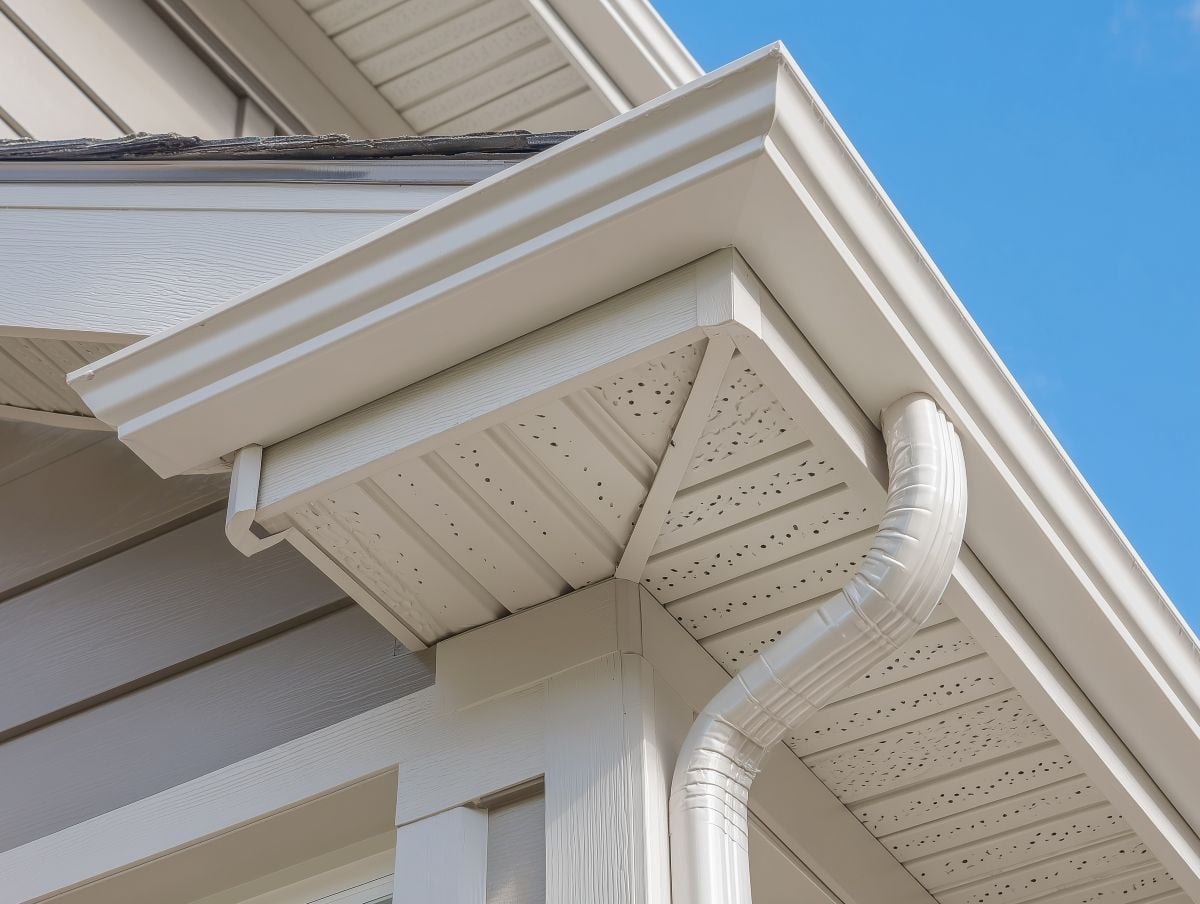
Understanding soffit and fascia is essential for protecting your home’s exterior, roofline, ventilation system, and overall structural integrity. In Sun Prairie, WI, where homes face snow buildup, humidity, wind, and temperature swings, these components play a larger role than many homeowners realize. While shingles get most of the attention, soffit and fascia quietly support your roofing system year round.
Before diving into details, here are a few key takeaways:
- They protect roof edges: Fascia supports gutters and seals the roofline.
- They improve proper ventilation: Soffit panels allow airflow into the attic.
- They prevent moisture damage: Proper installation supports moisture control and reduces rot risk.
We’re proud to serve homeowners in Sun Prairie, WI and surrounding communities with exterior evaluations, roofing services, and long term home protection solutions.
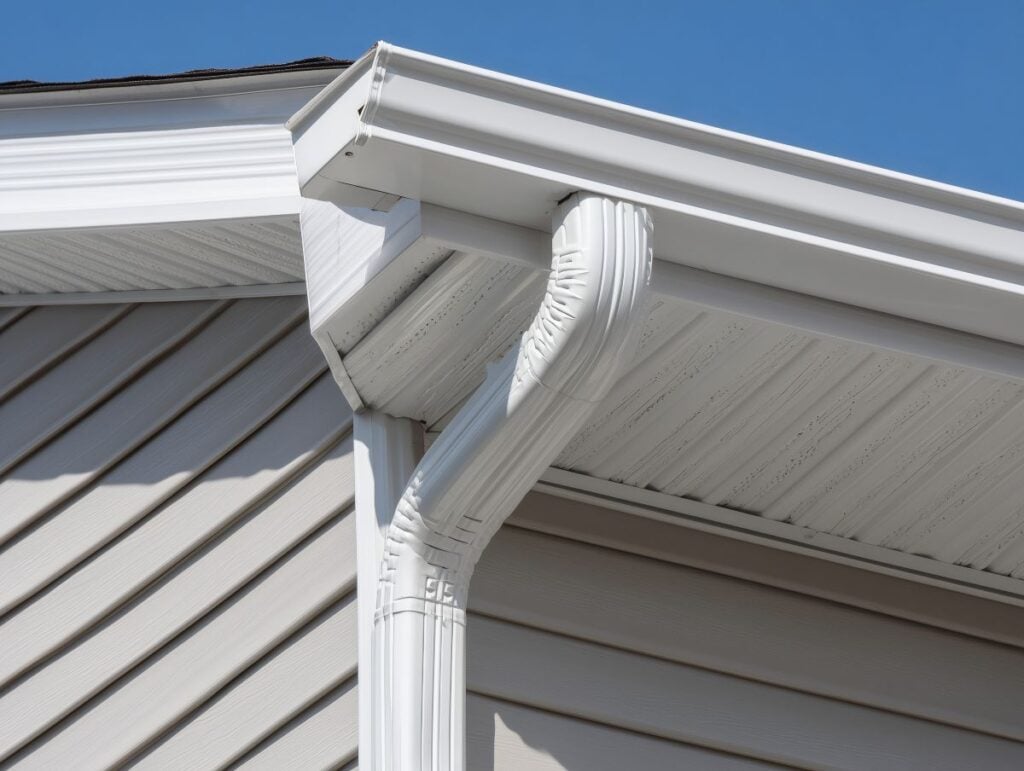
What Is the Difference Between Soffit and Fascia?
Soffit and fascia are often mentioned together because they work as a system. However, each component has a distinct function.
The soffit is located underneath the roof overhang. It covers the exposed underside of the eaves and often contains ventilation openings that allow fresh air to enter the attic. Options such as vinyl soffit, aluminum panels, and wood soffit are commonly used depending on design preference and maintenance expectations. The fascia is the vertical finishing board that runs along the roof edge, directly behind the gutters. Wood fascia remains a traditional option, though aluminum wrapped fascia is also popular for added durability.
Without properly installed soffit and fascia, moisture, pests, and wind driven rain can infiltrate vulnerable areas of the roof structure and impact the home’s exterior over time.
Why Soffit Is Important for Proper Ventilation
Attic ventilation plays a critical role in regulating temperature and moisture levels. The soffit acts as the intake portion of the ventilation system, allowing outside air to flow upward toward ridge or exhaust vents. This airflow supports proper ventilation and balanced attic conditions.
When soffit panels are damaged, blocked, or improperly installed, airflow becomes restricted. This can lead to trapped heat in summer and condensation buildup in winter, increasing the risk of insulation damage and structural decay.
Benefits of properly functioning soffit include:
- Improved airflow: Supports balanced attic ventilation year round.
- Stronger moisture control: Helps prevent mold growth and wood rot.
- Lower energy strain: Reduces pressure on heating and cooling systems.
- Extended roof lifespan: Minimizes heat related shingle deterioration.
In climates like Wisconsin, preventing condensation in colder months is especially important for preserving insulation, roof decking, and framing.
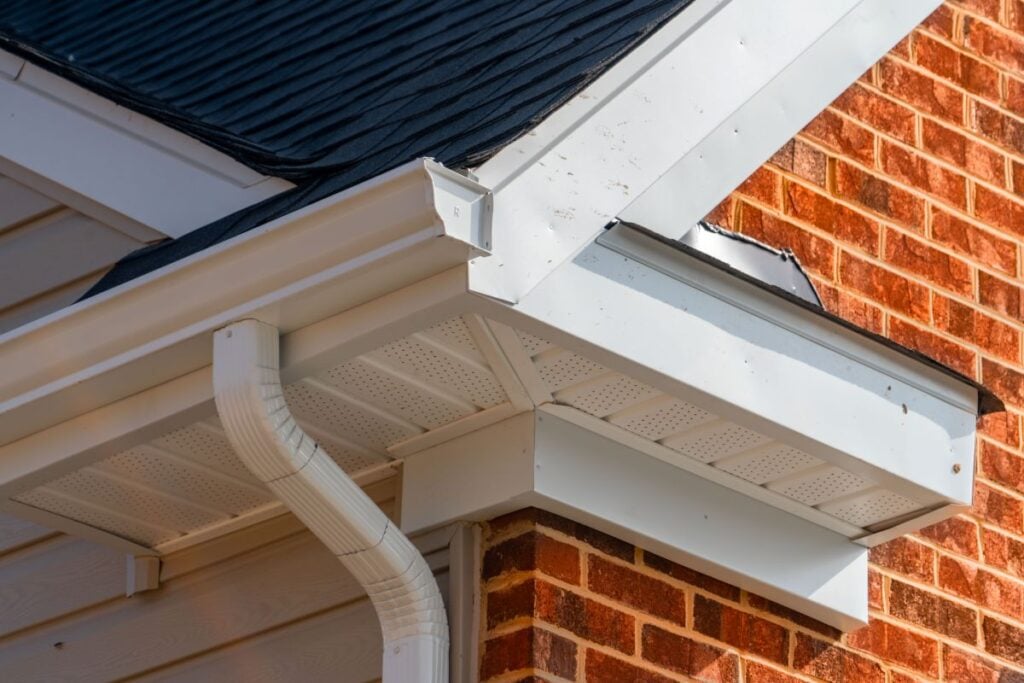
The Role of Fascia in Roof Protection
Fascia boards serve as a protective barrier along the roof’s edge. They close off exposed rafters and provide structural support for gutters. Because gutters channel large amounts of water during storms, the fascia must remain strong and secure.
If wood fascia becomes rotted or weakened, gutters may sag or pull away from the home. This can lead to water spilling along siding, pooling near the foundation, or seeping behind the roofing edge. Aluminum wrapped fascia offers additional resistance to moisture exposure and reduces long term maintenance needs.
Common fascia problems include:
- Wood rot: Caused by prolonged moisture exposure.
- Peeling paint: Indicates underlying deterioration in wood fascia.
- Gutter detachment: Weak fascia can no longer support weight.
- Warping or cracking: Structural weakening over time.
Regular inspections help detect fascia damage before it compromises the gutter system and broader roofing structure.
5 Signs Your Soffit and Fascia Need Attention
Recognizing early warning signs prevents more extensive repairs later. Below are five indicators that soffit and fascia may require evaluation.
1. Visible Cracks or Holes
Small openings allow pests and moisture to enter attic spaces, affecting insulation and ventilation.
- Animal nesting: Birds or squirrels accessing roofline gaps.
- Daylight visibility: Light seen through soffit panels.
2. Peeling Paint or Staining
Discoloration may signal trapped moisture or poor ventilation performance.
- Water streaks: Stains near gutter lines.
- Flaking surfaces: Paint separating from wood soffit or fascia.
3. Sagging Gutters
If gutters begin to tilt or separate, fascia may be weakening beneath the mounting points.
- Loose fasteners: Screws pulling away from fascia boards.
- Overflow during storms: Poor structural support affecting drainage.
4. Increased Attic Humidity
Condensation inside the attic may indicate blocked soffit vents or insufficient airflow.
- Damp insulation: Reduced thermal efficiency.
- Musty odors: Lingering moisture buildup.
5. Pest Activity
Openings along soffit panels attract insects and small animals seeking shelter.
- Buzzing or scratching sounds: Activity inside eaves.
- Droppings near roofline: Evidence of intrusion.
Addressing these issues early helps prevent widespread structural damage and protects your home’s exterior appearance.
DIY Soffit and Fascia Maintenance Tips
While major repairs should be handled by experienced professionals, homeowners can perform routine maintenance to extend the lifespan of soffit and fascia. Simple inspections and preventive steps go a long way in preserving both appearance and performance.
Safe DIY maintenance steps include:
- Cleaning vents: Remove dirt or debris blocking soffit airflow.
- Touch up paint: Seal exposed wood fascia before moisture penetrates.
- Tighten loose fasteners: Secure minor looseness where accessible.
- Monitor gutter alignment: Ensure gutters remain firmly attached.
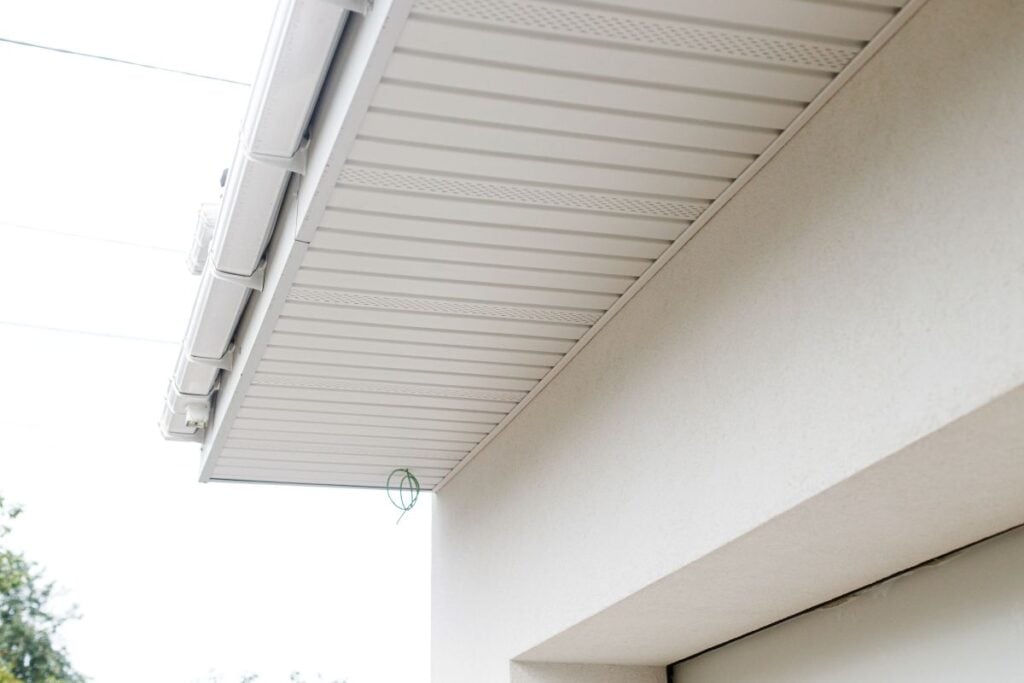
Material Options for Soffit and Fascia
Homeowners have several material choices when installing or replacing soffit and fascia. Each offers different levels of durability, maintenance requirements, and visual appeal.
| Material | Durability | Maintenance Level | Common Use |
| Wood soffit and wood fascia | Moderate | Higher | Traditional architectural styles |
| Aluminum | Good | Low | Weather resistant option |
| Vinyl soffit | Moderate | Low | Cost effective and low maintenance |
| Composite materials | High | Low | Long term durability |
Vinyl soffit and aluminum options are popular for their resistance to moisture and minimal maintenance demands. Wood fascia and wood soffit provide a classic appearance but require consistent sealing or paint upkeep to resist harsh weather conditions.
How Soffit and Fascia Support Your Entire Roofing System
While soffit and fascia may seem like finishing details, they directly affect overall roof performance. Together, they seal roof edges, maintain airflow, and protect structural components beneath the shingles.
When properly installed, they:
- Prevent water intrusion at roof edges
- Support secure gutter attachment
- Enhance proper ventilation performance
- Strengthen moisture control around the attic
- Improve overall exterior appearance
In Sun Prairie, WI, where snow accumulation and seasonal storms place stress on rooflines, maintaining strong soffit and fascia is an important part of long term home care.
Frequently Asked Questions About Soffit and Fascia
Homeowners often have questions about maintenance and replacement timing.
How long do soffit and fascia typically last?
Lifespan depends on material and exposure conditions. Vinyl soffit and aluminum fascia can last decades with minimal maintenance, while wood soffit and wood fascia may require more frequent painting or sealing to maintain durability.
Can damaged fascia cause roof leaks?
Yes. If fascia deteriorates and gutters pull away, water can seep behind roofing materials and cause hidden damage along the roof edge and decking.
Should soffit vents always be open?
Soffit vents should remain unobstructed to allow proper ventilation. Insulation or debris blocking vents can reduce airflow and compromise moisture control within the attic.
Is replacement necessary if only small sections are damaged?
Minor damage may allow for targeted repair. However, widespread rot, warping, or ventilation blockage often requires partial or full replacement to maintain structural integrity and protect the home’s exterior.
Why Homeowners Trust Badgerland Exteriors
Badgerland Exteriors provides professional roofing and exterior evaluations designed to protect every part of your roofline, including soffit and fascia components. Our team assesses ventilation performance, gutter attachment points, moisture control needs, and structural stability to ensure your home remains protected through every season. Whether you need repairs, replacement, or a full exterior inspection, we focus on durable solutions and clear communication. Contact Badgerland Exteriors today to schedule your exterior evaluation in Sun Prairie, WI or nearby communities.
Let’s Get Started
Fix Your Roof the Badger Way
Got a question? Want to learn more about your options when it comes to caring for your home exterior? Our team is standing by with the information you need to start you roof replacement project today!
