
What Not To Say To A Roof Insurance Adjuster In McFarland, WI?
9 Min Read
POSTED 16.07.2026
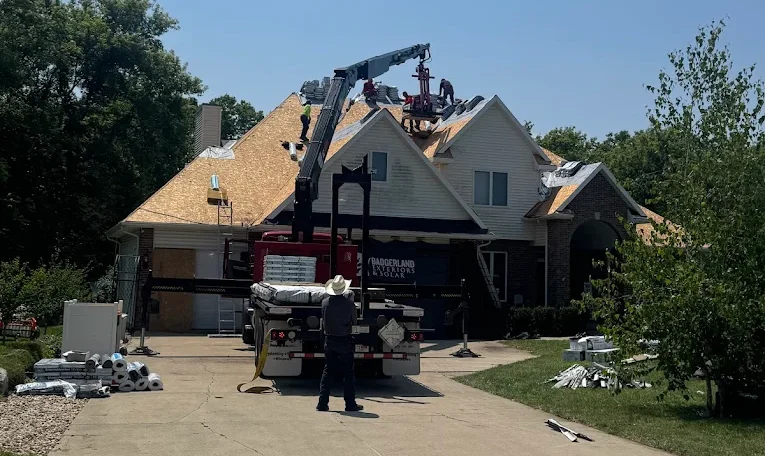
Knowing what not to say to a roof insurance adjuster or roof claims adjuster is one of the most important things you can do before the inspection visit. Adjusters are trained professionals doing their job on behalf of the insurer; they are not on your side, and every statement you make becomes part of the official claim record. A casual comment that seems harmless can give the adjuster grounds to reduce your settlement or deny the claim entirely. If you are dealing with storm damage and need a professional inspection first, see how we handle storm damage roofing before the adjuster arrives.
Here is what this guide covers:
- Why what you say to an adjuster matters
- The specific statements that can hurt your claim
- What to say instead
- How to prepare before the adjuster visit
- Common questions homeowners in McFarland ask about the claims process
Why What You Say Matters More Than You Think
According to the Insurance Information Institute, about one in 36 insured homes files a wind or hail property damage claim each year, with the average wind and hail claim paying out roughly $13,000. That is a significant amount of money, and the difference between a fully covered claim and a denied or underpaid one often comes down to what the homeowner said during the inspection.
Adjusters are experienced at listening for statements that suggest pre-existing damage, lack of maintenance, or uncertainty about the cause of loss. None of those statements need to be false to hurt you. A homeowner working with a roof damage insurance adjuster who genuinely doesn’t know when the damage occurred can accidentally frame their claim in a way that gives the insurer grounds to attribute it to wear and tear rather than a covered storm event. Understanding the common mistakes before the adjuster arrives puts you in a much stronger position.
We’re proud to serve homeowners in McFarland, WI, and nearby communities with free storm damage inspections, roof replacement, and insurance claim documentation support.
8 Things Not To Say To A Roof Insurance Adjuster
These are the statements that cause the most damage to homeowner claims, and what to say instead in each case.
1. “I’m Not Sure When the Damage Happened”
Uncertainty about timing is one of the most damaging things a homeowner can communicate to an adjuster. Insurance claims are tied to specific covered events. If you cannot connect the damage to a particular storm or event, the adjuster can argue the damage predates the claim period or resulted from gradual deterioration rather than a sudden loss.
- What to say instead: Reference the specific storm date if you know it. If you discovered the damage after a storm, say exactly that: “I noticed this after the storm on [date].” Badgerland Exteriors can pull storm reports for your McFarland address at no charge.
- Before the visit: Check weather records and your own calendar for the storm event, and photograph the damage immediately after discovery with time-stamped photos if possible.
2. “The Roof Was Already Pretty Old”
Volunteering information about your roof’s age gives the adjuster a ready-made argument to attribute damage to wear and tear or age-related deterioration rather than the storm event. Standard homeowners policies exclude coverage for gradual deterioration, and this statement hands the adjuster the documentation to deny your claim on those grounds.
- What to say instead: Let the adjuster assess age and condition independently. If asked, provide factual information about when the roof was last replaced, but do not editorialize about whether it was “due” for replacement.
- Keep in mind: A roof damaged by hail or wind is a covered peril regardless of age in most standard policies. The issue is the storm event, not the roof’s age.
3. “I Think It Might Just Be Normal Wear”
This is one of the most common and costly mistakes homeowners make. Even if you are trying to be honest or seem cooperative, suggesting the damage might be routine maintenance wear gives the insurer direct grounds to reclassify your claim. Adjusters do not need your help building a case against you.
- What to say instead: Describe only what you observed and when you first noticed it. “I noticed these missing shingles and damaged areas after the hail event last month” is factual and does not concede anything.
- Leave assessment to the professionals: The adjuster’s job is to determine whether damage is storm-related. A qualified roofing contractor’s written assessment, provided before the adjuster visit, is far more useful than your verbal opinion.
4. “I Already Got It Fixed”
If you had emergency repairs done before the adjuster could inspect the full scope of damage, it can significantly complicate your claim. The adjuster cannot assess what has been covered or corrected, and the insurer may question the necessity or cost of the work.
- Exception: Emergency tarping or temporary repairs to prevent further damage are generally acceptable and may be reimbursed. Document everything thoroughly with photos before and after.
- What to say instead: “I had temporary repairs made to prevent further water damage, and I have full documentation of the condition prior to those repairs.”
5. “I Haven’t Had the Roof Inspected in Years”
Admitting a lack of maintenance history gives the insurer grounds to argue the damage resulted from deferred maintenance rather than a covered storm event. You are essentially providing the documentation for your own claim denial.
- What to say instead: Focus on the storm event and the damage you observed after it. If you do not have a maintenance history, do not volunteer that information.
- Going forward: Badgerland Exteriors recommends periodic roof inspections, which create a documented baseline that makes future storm claims much cleaner to support.
6. “I’m Not Sure What My Policy Covers”
Expressing uncertainty about your own policy during the adjuster visit signals that you have not prepared and may not push back on underpayment. Adjusters know policies well. You should too before they arrive.
- Before the visit: Review your declarations page, understand whether you have replacement cost value or actual cash value coverage, and know your deductible. These are the three most important numbers in your claim.
- Replacement cost value covers the full cost of a new roof. Actual cash value depreciates the payout based on the roof’s age. The difference can be thousands of dollars on a single claim.
7. “Just Tell Me What You Think It’s Worth”
Deferring entirely to the adjuster inspection findings puts you in a passive position that almost always results in underpayment. Adjusters represent the insurer’s interests. Their initial estimate is rarely the final number, and accepting it at face value without your own documentation is a common mistake.
- What to say instead: “I have a written assessment from a licensed roofing contractor present who inspected the damage before this visit, and I’d like to share it before you finalize the scope.”
- Have your own documentation ready: Badgerland Exteriors provides written storm damage assessments that can be shared with the adjuster to ensure the full scope of damage is captured.
8. “I Don’t Have Any Photos”
Lack of documentation is one of the most common reasons claims are underpaid or contested. Without photos, you are relying entirely on the adjuster’s documentation of damage, which may not capture everything.
- What to do: Photograph all visible damage immediately after a storm event, before any repairs. Time-stamp photos are the most useful.
- If you don’t have photos: Do not announce it upfront. Let the adjuster complete their assessment. Your contractor’s written documentation of damage can still support the claim even without pre-repair homeowner photos.
How to Prepare Before the Adjuster Visit
Preparation is the most effective way to protect your claim. Here is what to do before the adjuster arrives.
- Get a professional inspection first: Having a roofing contractor present or their written assessment ready before the adjuster visit establishes an independent record of the full scope of damage. Badgerland Exteriors provides free storm damage inspections.
- Pull storm records: Storm data for your address can confirm the date and severity of weather events near McFarland. Badgerland can pull these at no charge.
- Document everything: Photograph all damaged areas, interior water staining, and any temporary repairs made, with dates attached.
- Know your policy: Review your roof insurance coverage type, deductible, and any relevant exclusions before the adjuster arrives.
- Don’t sign anything immediately: You are not required to accept the adjuster’s initial estimate. You have the right to review it, compare it against your contractor’s assessment, and request a supplemental claim if the scope was missed.
Frequently Asked Questions About Roof Insurance Claims in McFarland, WI
Homeowners in McFarland preparing for an adjuster visit tend to ask the same questions. Here are direct answers.
Should I be home when the roof insurance adjuster comes?
Yes. Being present allows you to walk the adjuster through the damage you observed, share your contractor’s written assessment, and ask questions about how the inspection is being conducted. Absent homeowners have less control over what gets documented.
Can I dispute the adjuster’s assessment?
Yes. If the initial estimate does not reflect the full scope of damage, you can request a re-inspection, provide supplemental contractor documentation, or request an independent appraisal depending on your policy terms. Accepting the first number is not required.
Does Badgerland Exteriors help with insurance claims?
Yes. Badgerland provides free storm damage inspections with written documentation, can pull storm reports for your address, and can be present during the adjuster visit to ensure the full scope of damage is identified and recorded. We have experience working alongside adjusters on storm claims in McFarland and across Dane County, and can recommend other roofing companies if our schedule doesn’t fit yours.
What if the adjuster denies my claim?
A denial is not always final. You can appeal the decision by providing additional documentation, hiring a public adjuster, or in some cases pursuing an appraisal process outlined in your policy. A written contractor assessment is essential documentation in any dispute.
How long do I have to file a roof damage claim in Wisconsin?
Most homeowners policies require storm damage claims to be filed within a reasonable time after the event. Many policies specify one year, though this varies. File promptly after discovering damage and document the date you first noticed it.
Let Badgerland Exteriors Help You Before the Adjuster Arrives
The best time to prepare for an insurance adjuster visit is before they show up, not during. Badgerland Exteriors has been helping McFarland homeowners navigate storm damage claims since 2009. We provide free storm damage inspections, written damage assessments, storm report documentation, and can accompany you during the adjuster visit.
Schedule your free storm damage inspection with Badgerland Exteriors today.

Let’s Get Started
Fix Your Roof the Badger Way
Got a question? Want to learn more about your options when it comes to caring for your home exterior? Our team is standing by with the information you need to start you roof replacement project today!
