
Wisconsin Solar Incentives Explained Simply (2026 Guide)
5 Min Read
POSTED 23.04.2026
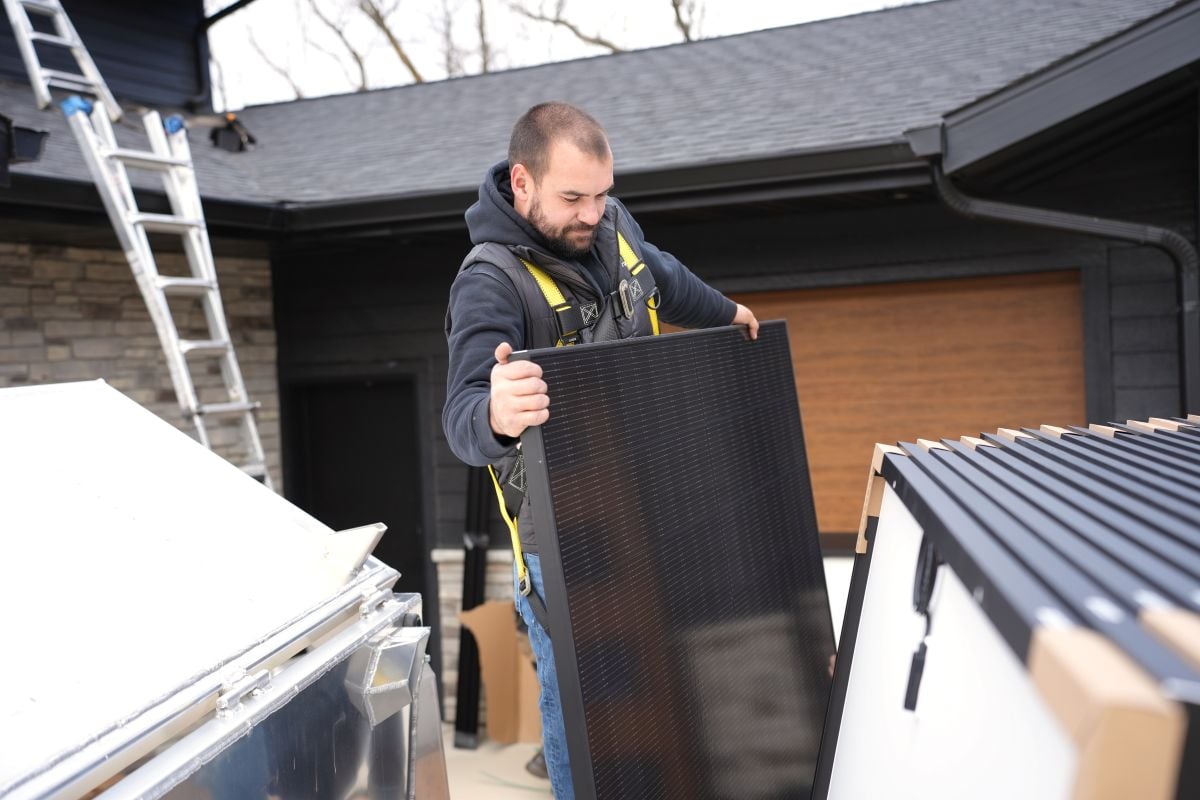
Understanding Wisconsin solar incentives can make renewable energy more affordable and worthwhile for homeowners. In Madison, WI, solar panels and complete solar energy systems provide clean energy and long term savings, but upfront solar costs often raise questions. Fortunately, a mix of federal, state, and utility level incentives can significantly reduce what you pay out of pocket and improve your return on investment when planning to install solar.
Before moving forward with solar panel installation, here are a few key points to know:
- Solar incentives reduce upfront costs: Rebates and exemptions lower your total solar costs.
- Energy savings matter: Getting credit for excess solar energy boosts long term value.
- Policy timing affects savings: Some programs change yearly and should be reviewed carefully.
We’re proud to serve Wisconsin homeowners in Madison, WI and nearby communities with solar consultations, system planning, and guidance through the incentive process.
How Solar Incentives Work in Wisconsin
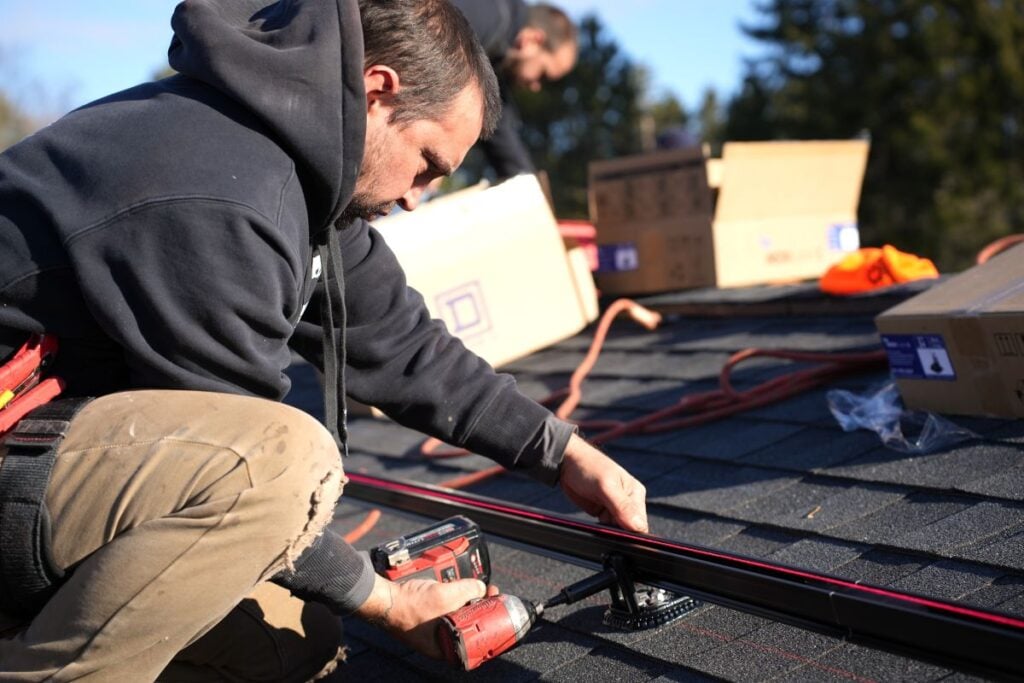
Solar incentives help offset the cost of installing a solar panel system by providing credits, rebates, exemptions, or bill credits tied to renewable energy production. These savings reduce your initial investment and improve lifetime returns. Some incentives lower installation expenses immediately, while others generate savings over time through reduced electric bills. According to the U.S. Department of Energy, home buyers have been willing to pay a premium of about $15,000 for a home with an average-sized solar array — meaning the financial benefits of going solar extend well beyond monthly utility savings.
Wisconsin’s incentive landscape includes utility programs, state tax exemptions, and federal opportunities. Understanding how each incentive applies to your solar energy systems ensures you maximize available financial benefits.
Wisconsin State Incentives
Although Wisconsin does not currently offer a state income tax credit specifically for solar panel installation, the state provides meaningful exemptions that reduce solar costs.
- Sales Tax Exemption: Solar equipment and installation components are typically exempt from Wisconsin sales tax.
- Property Tax Exemption: The added home value from solar energy systems is generally excluded from property tax assessments, so installing solar usually does not increase your property taxes.
These exemptions make renewable energy investments more financially attractive long term.
Federal Solar Incentives
One of the most significant financial tools available is the federal tax credit. This program allows eligible homeowners to claim a percentage of their qualified solar energy installation expenses as a credit against federal income taxes. The credit typically applies to panels, inverters, racking equipment, and labor associated with installing solar panel systems.
Because eligibility timelines and credit percentages can change, it is important to confirm current requirements before beginning your project. For many Wisconsin homeowners, the federal tax credit represents the largest single incentive available when planning to install solar.
Utility and Rebate Programs
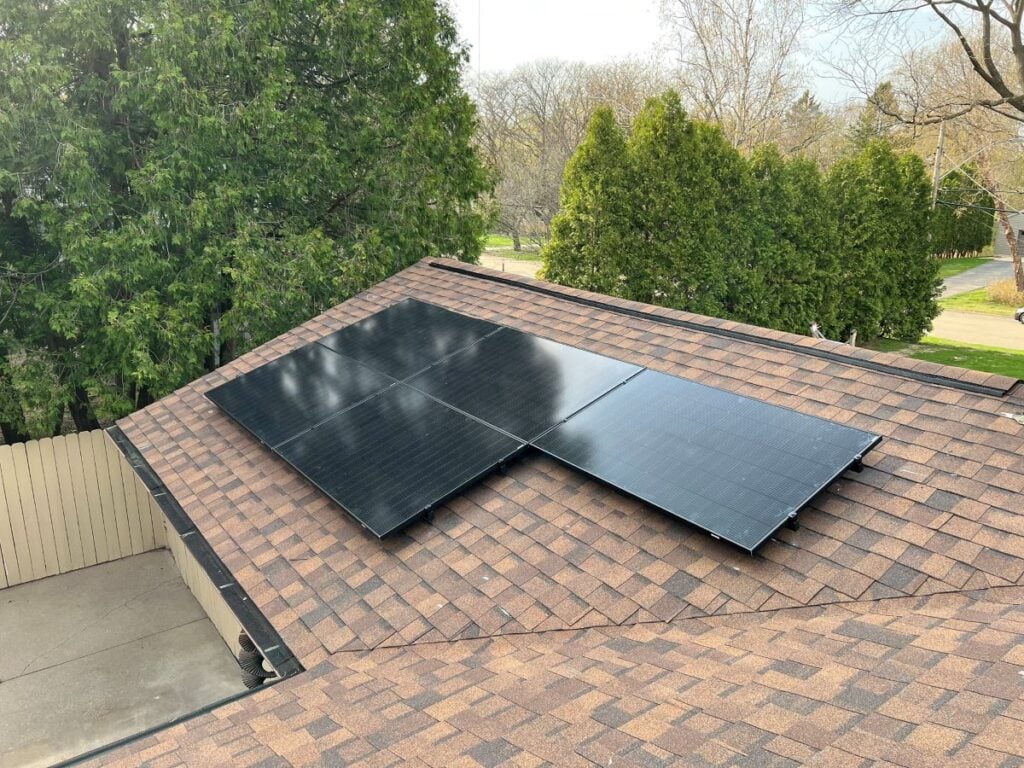
Local utility and nonprofit programs also support homeowners who install solar.
- Focus on Energy Rebates: Wisconsin’s statewide energy efficiency initiative provides rebates for qualifying solar panel systems. Funding availability may vary each year.
- Net Metering or Net Billing: Many utilities credit homeowners for excess solar power sent back to the grid, reducing monthly electric bills.
Together, these programs improve affordability and accelerate payback timelines.
Typical Solar Incentives Wisconsin Homeowners Use
Below is a simplified overview of common incentive types:
| Incentive | What It Does |
| Sales Tax Exemption | Eliminates state sales tax on qualifying solar equipment and installation. |
| Property Tax Exemption | Prevents added home value from increasing property taxes after solar energy installation. |
| Focus on Energy Rebates | Provides direct cash rebates based on system size and funding availability. |
| Net Metering / Net Billing | Credits excess solar power exported to the grid. |
Combining these programs can significantly lower total solar costs.
5 Steps to Maximize Wisconsin Solar Incentives
Taking a structured approach helps ensure you capture every available benefit when installing solar energy systems.
- 1. Schedule a professional consultation: Evaluate your roof, shading conditions, and expected solar power production.
- 2. Confirm federal tax credit eligibility: Review timing requirements before starting solar energy installation.
- 3. Apply for rebates early: Many energy rebate programs operate on limited annual funding.
- 4. Review your utility’s net metering policy: Understand how excess solar power will be credited.
- 5. Work with an experienced installer: Ensure your solar panel installation meets program requirements and maximizes long term savings.
Following these steps can improve financial outcomes and reduce overall solar costs.
Frequently Asked Questions About Wisconsin Solar Incentives
Many Wisconsin homeowners have questions about how incentives apply to their specific project. Understanding the basics can help you plan more confidently before installing solar panel systems.
What incentives are available specifically in Wisconsin?
Wisconsin offers sales and property tax exemptions, utility rebates, and net metering programs that reduce total solar costs.
How does net metering benefit my solar panel system?
Net metering credits excess solar power exported to the grid, lowering your monthly electric bill and improving long term savings.
How does the federal tax credit work?
The federal tax credit allows eligible homeowners to deduct a percentage of qualified solar energy installation expenses from federal income taxes, subject to current guidelines.
Are energy rebates worth applying for?
Yes. Energy rebates provide direct financial incentives that lower upfront solar costs and shorten your payback period.
Why Homeowners Trust Badgerland Exteriors
Badgerland Exteriors helps Wisconsin homeowners understand solar incentives and how they apply to their specific solar panel installation goals. Our team reviews rebate opportunities, explains the federal tax credit, and evaluates utility policies before you install solar. Whether you are exploring renewable energy for the first time or ready to move forward with a complete solar panel system, we provide clear guidance and professional support.Contact Badgerland Exteriors today to learn more about installing solar panels in Madison, WI and nearby communities.



Recent Articles
Read the Badger Blog
Let’s Get Started
Fix Your Roof the Badger Way
Got a question? Want to learn more about your options when it comes to caring for your home exterior? Our team is standing by with the information you need to start you roof replacement project today!
