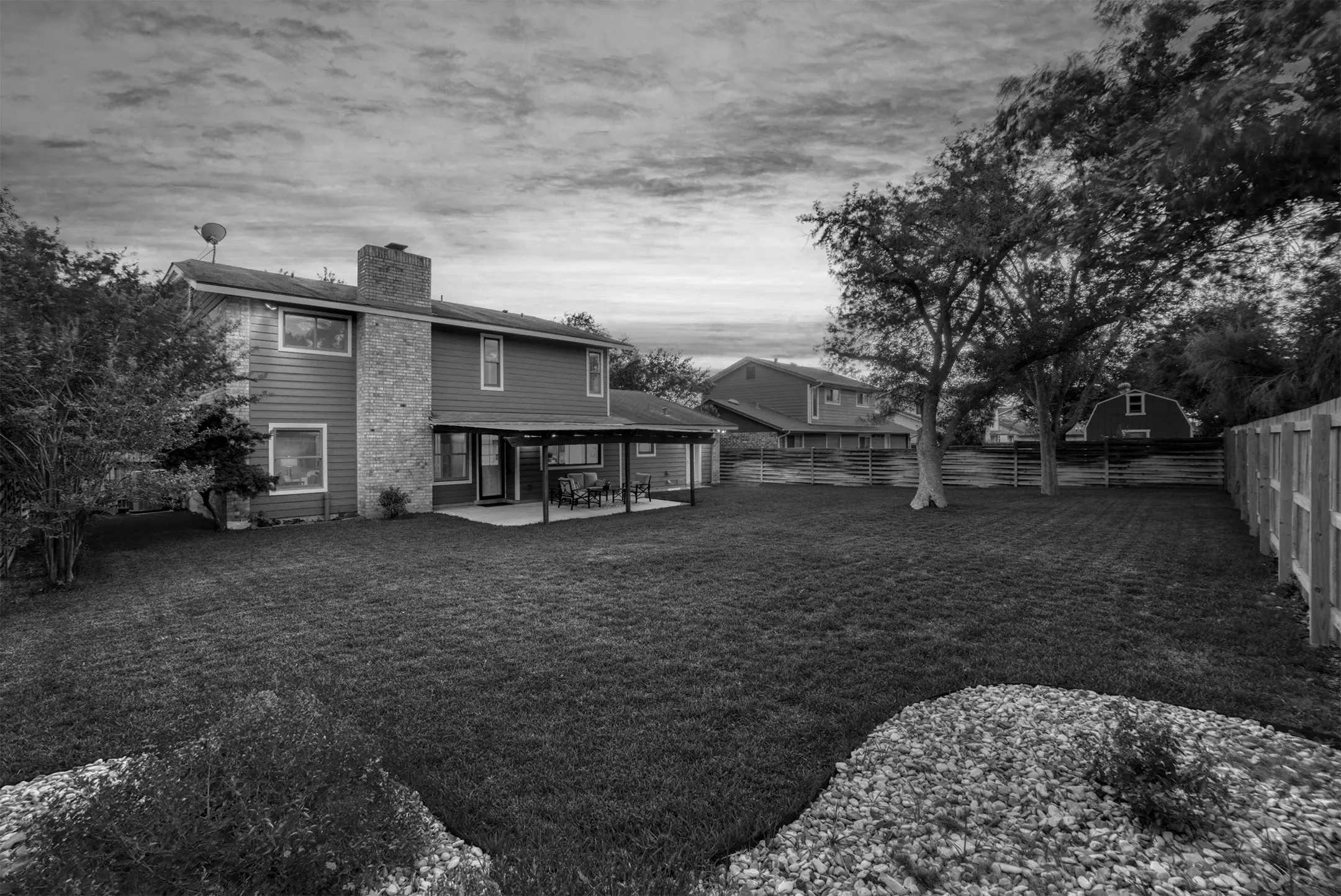
Warning Signs You Need Hail Damage Roof Repair After a Storm
6 Min Read
POSTED 16.04.2026

After a severe storm, hail damage is not always immediately obvious from the ground. However, delaying hail damage roof repair can allow hidden problems to worsen over time. In Sun Prairie, WI, spring and summer storms frequently bring hail that impacts roofing materials, loosens protective granules, and weakens shingles without causing dramatic visible damage.
Before assuming your roof is unaffected, keep these important points in mind:
- Hail damage is often subtle: Bruising may not be visible from the driveway.
- Granule loss accelerates aging: Protective layers wear down faster.
- Early inspections reduce long term costs: Prompt repairs prevent deeper structural issues.
We’re proud to serve homeowners in Sun Prairie, WI and surrounding communities with storm inspections, roof repairs, and long term roofing solutions.
Why Hail Damage Is More Serious Than It Looks

Hail can vary in size, density, and impact force. Even smaller hailstones can weaken asphalt shingles by dislodging granules that protect against UV rays and moisture. Larger hailstones may create soft impact points that fracture the internal structure of shingles without immediately tearing them.
Because your roofing system is layered, surface damage may allow water to reach the underlayment and eventually the roof deck. Over time, this exposure increases the risk of leaks, insulation damage, and costly structural repairs. Identifying hail damage early helps protect the entire roofing system.
Common Signs of Hail Damage on Your Roof
Recognizing warning signs after a storm can help you determine whether professional hail damage roof repair is needed.
1. Excess Shingle Granules in Gutters
After a hailstorm, check your gutters and downspouts for unusual buildup.
- Dark, sand like debris: Indicates granules knocked loose by impact.
- Clogged drainage paths: Accumulation interfering with water flow.
Granule loss reduces your shingles’ ability to repel water and resist sun exposure.
2. Bruised or Soft Shingle Spots
Hail impacts often create soft areas that are not always visible from below.
- Circular impact marks: Slightly darker patches on shingles.
- Spongy texture: Areas that feel softer under professional inspection.
These bruises can lead to cracking and premature failure.
3. Cracked or Split Shingles
Larger hailstones may crack shingles directly.
- Visible fractures: Splits running through the surface.
- Broken corners: Shingles chipped at the edges.
Cracked shingles expose the underlying layers to moisture.
4. Damaged Flashing and Roof Accessories
Hail does not only affect shingles. Metal components can also suffer impact damage.
- Dented flashing: Around chimneys or roof valleys.
- Damaged vents or skylights: Cracks in plastic or metal components.
These areas are common leak points if not repaired promptly.
5. Interior Water Stains
Sometimes the first visible sign of hail damage appears inside the home.
- Ceiling discoloration: Yellow or brown rings.
- Peeling paint: Moisture trapped behind drywall.
Interior signs often indicate that water has already penetrated the roofing system.
6. Loosened or Missing Shingles
While hail typically bruises shingles, strong accompanying winds may cause lifting or displacement.
- Loose shingle edges: Broken adhesive seals.
- Missing sections: Exposed underlayment vulnerable to water.
Combining wind and hail damage increases the urgency for inspection.
Understanding the Insurance Claims Process

Filing an insurance claim after hail damage can feel overwhelming, especially when you are unsure how much roof damage occurred. Taking the right steps early helps ensure your insurance company has accurate documentation and that necessary hail damage roof repair is not delayed.
- Document visible damage: Take clear photos of shingles, gutters, flashing, and interior water stains.
- Contact your insurance company promptly: Report the storm date and describe observed damage.
- Schedule a professional inspection: A roofing contractor can identify hidden impact areas and provide a detailed report.
- Meet with the adjuster if possible: Having your contractor present can help clarify the scope of roof repairs needed.
- Review claim details carefully: Understand what repairs are approved and confirm coverage amounts before work begins.
Staying organized throughout the insurance claims process helps reduce delays and ensures repairs are completed correctly.
How Hail Damage Impacts Long Term Roof Performance
Even if leaks are not immediately present, untreated hail damage can shorten the lifespan of your roof. Granule loss exposes asphalt to UV rays, accelerating deterioration. Small cracks expand with temperature changes, allowing moisture to penetrate deeper layers. According to the Insurance Institute for Business & Home Safety, roofs in severe hail-prone areas often must be replaced every 7 to 10 years — compared to the average roof lifespan of 20 years — underscoring why prompt inspection after every storm matters.
Over time, minor hail damage can develop into larger problems requiring extensive roof repairs or even full replacement. Acting quickly after a storm helps reduce repair costs and maintain the structural integrity of your home.
What to Do After a Hailstorm
Taking proactive steps after a storm can limit further damage.
- Inspect from the ground: Look for visible shingle damage or debris.
- Check gutters and downspouts: Watch for granule accumulation.
- Examine attic spaces: Look for moisture or daylight penetration.
- Document damage: Take photos to reference during professional inspection.
- Schedule a professional evaluation: A roofing expert can identify hidden damage.
Avoid climbing onto the roof yourself, especially if surfaces are wet or unstable.
Repair or Replace After Hail Damage?
Not all hail damage requires full roof replacement. The extent of impact, roof age, and overall material condition determine the best course of action.
Repairs may be sufficient when:
- Damage is localized: Limited to specific areas.
- Roof is relatively new: Materials remain structurally sound.
- Granule loss is minor: Surface protection remains intact.
Replacement may be necessary when:
- Widespread bruising exists: Multiple impact points across the roof.
- Roof is near end of lifespan: Aging materials already weakened.
- Leaks have developed: Structural components affected.
A professional inspection provides clarity and helps homeowners make informed decisions.
Frequently Asked Questions About Hail Damage Roof Repair
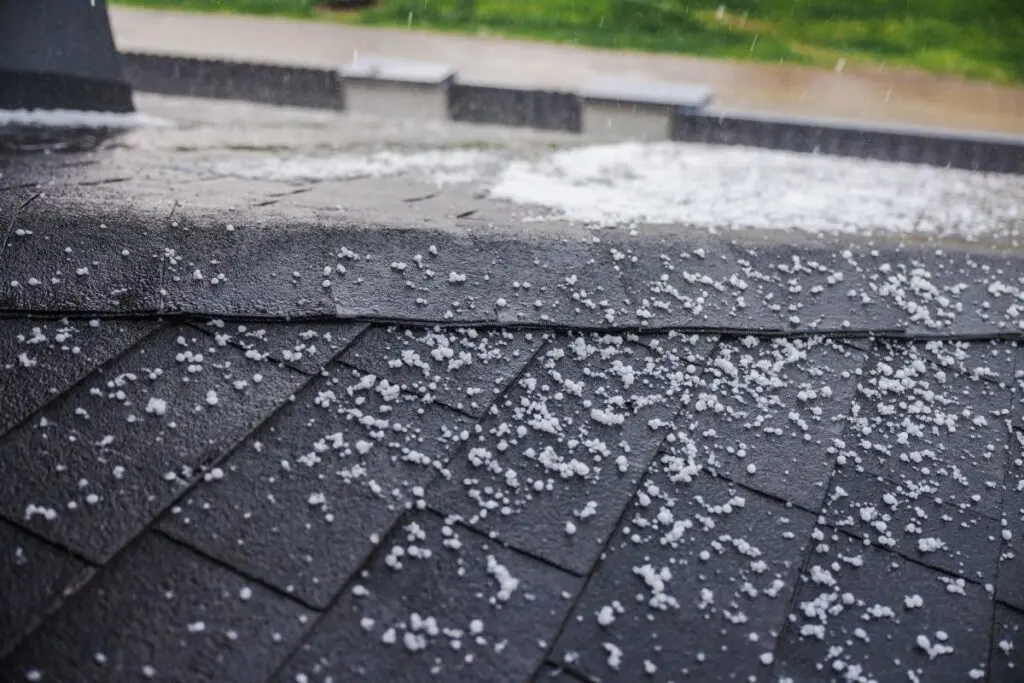
Homeowners often have questions after a hailstorm, especially when damage is not clearly visible from the ground. Understanding how hail affects your roofing system can help you respond quickly and avoid long term structural issues.
How soon should I inspect my roof after a hailstorm?
It is best to schedule a professional inspection as soon as possible. Even if damage appears minor, early evaluation helps prevent worsening conditions.
Does hail damage always cause leaks?
Not immediately. Many hail impacts weaken shingles without creating instant leaks. However, untreated damage increases the likelihood of future water intrusion.
Can small hail really cause roof damage?
Yes. Even smaller hailstones can dislodge granules and weaken the surface layer of asphalt shingles.
Will insurance cover hail damage repairs?
Coverage depends on your policy and the extent of documented damage. A professional inspection report can help support the evaluation process.
Why Homeowners Trust Badgerland Exteriors
Badgerland Exteriors provides detailed hail damage inspections and professional hail damage roof repair services designed to protect homes from long term deterioration. Our team carefully evaluates shingles, flashing, and structural components to identify both visible and hidden impact damage. Whether you need targeted repairs or guidance on next steps after a storm, we focus on durable solutions and clear communication. Contact Badgerland Exteriors today to schedule your roof inspection in Sun Prairie, WI or nearby communities.
Recent Articles
Read the Badger Blog
Let’s Get Started
Fix Your Roof the Badger Way
Got a question? Want to learn more about your options when it comes to caring for your home exterior? Our team is standing by with the information you need to start you roof replacement project today!