HOA Roof Replacement: What Wisconsin Associations Should Know
9 Min Read
POSTED 21.11.2026
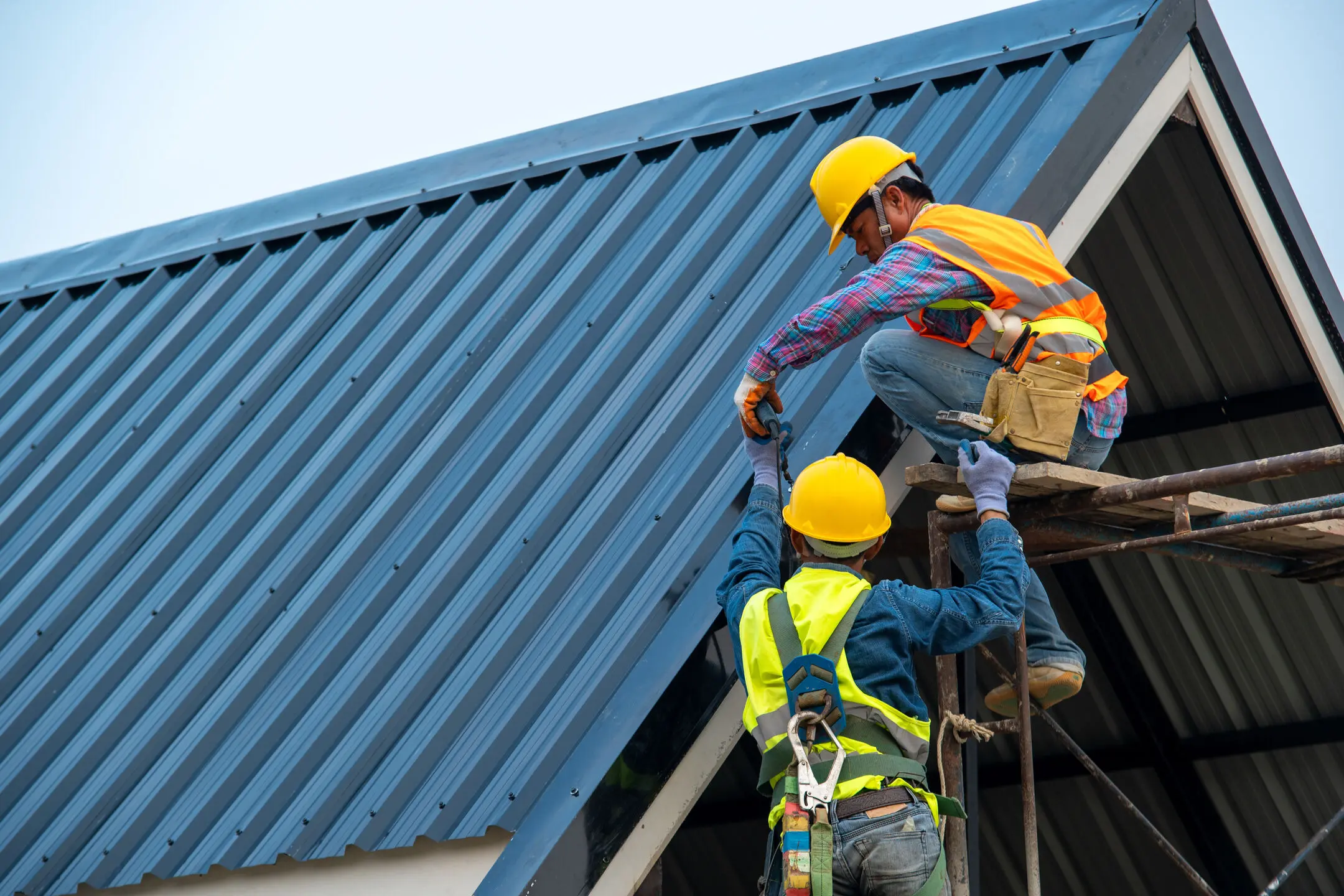
An HOA roof replacement project is not just a bigger version of a residential roof replacement; it’s a different kind of project entirely, with unique governance, financial, and coordination challenges that Wisconsin homeowners association boards must navigate carefully. Decisions on these projects affect many homeowners at once. Whether your association oversees a condominium building, a townhome community, or a planned development with shared structures, roof replacement decisions affect dozens or hundreds of homeowners, trigger reserve fund questions, and require contractor expertise that single-family residential installations don’t always demand. Getting these projects right the first time matters. If your Wisconsin association is approaching a roof replacement decision, commercial roof replacement services from a contractor who understands multifamily project management is a strong starting point.
Here is what this guide covers:
- Why HOA roof replacement is different from single-family work
- The 6 key stages of a successful HOA roof replacement project
- Reserve fund and special assessment considerations
- Wisconsin-specific legal and governance factors
- How to choose a contractor equipped for multifamily work
- Common questions Wisconsin HOA boards ask about roof replacement
Why HOA Roof Replacement Is Different
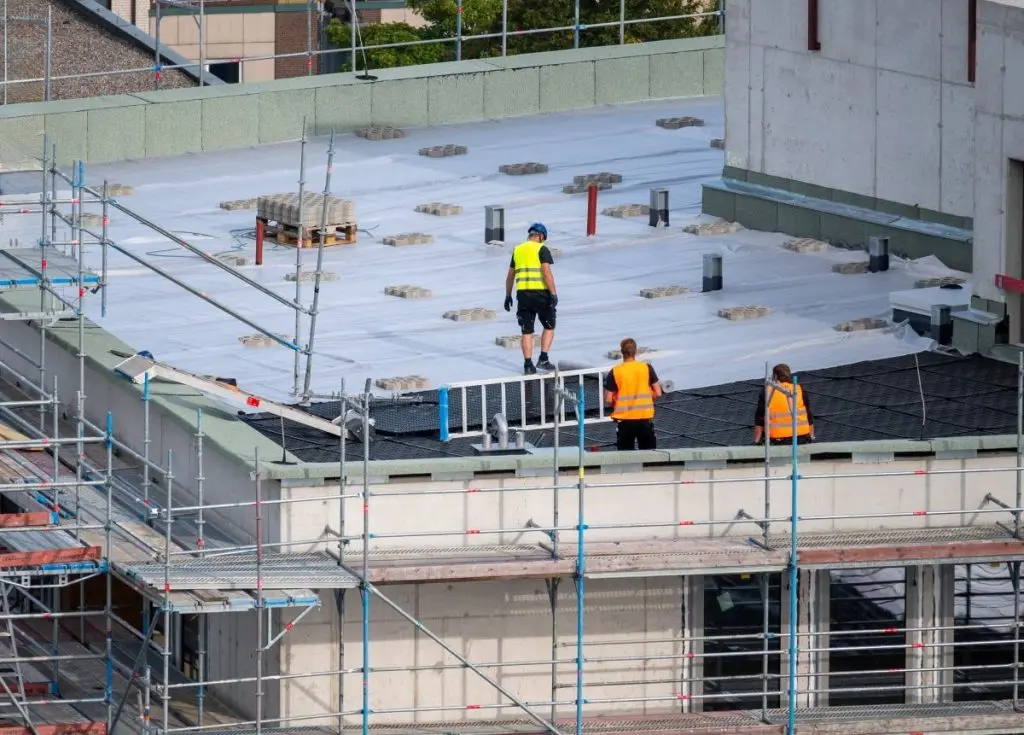
HOA roof replacement projects covering multiple units involve more stakeholders, more documentation, more coordination, and more financial scrutiny than single-family residential work. Decisions affect the entire community rather than just one homeowner. Boards are accountable to homeowners, must operate within governing documents, and often work under budget constraints that require careful planning.
According to the Community Associations Institute, annual association budgets should include reserve accounts for items such as roof replacement, pavement, painting, and other components with replacement costs exceeding $10,000, with amounts determined by the association’s most recent reserve study. That guidance reflects decades of industry experience with the financial consequences of underfunded reserves on major capital projects like roofing.
We’re proud to serve HOAs, condo associations, and property management companies in Madison, WI, and nearby communities with roof replacement, siding, storm damage inspections, and coordinated multifamily project management.
6 Stages of a Successful HOA Roof Replacement Project
A well-managed HOA roof replacement moves through six distinct stages. Skipping or rushing any of them creates downstream problems that boards typically regret.
1. Reserve Study and Budget Review
Before anything else, the board needs to know whether the roofing component of the reserve fund is adequate and when the roof is scheduled for replacement in the current reserve study. A current reserve study is the foundation of every major capital decision.
- Confirm the current reserve study: Most industry standards recommend reserve studies updated every 3 to 5 years
- Review the roof’s replacement timeline: Compare current roof condition to projected useful life in the reserve study
- Assess reserve fund balance: Determine whether the current balance covers the projected replacement cost
- Plan for shortfalls early: Special assessments or loans are easier to approve with advance notice
2. Professional Roof Condition Assessment
Independent of the reserve study timeline, a current professional assessment of actual roof condition is essential. A roof scheduled for replacement in 2029 may fail sooner; a roof scheduled for replacement next year may have more life left than expected.
- Hire a qualified roofing contractor for assessment: Written documentation with photos supports board decisions
- Identify specific failure areas: Localized problems may not require a new roof across the whole structure
- Evaluate attic ventilation and insulation: These affect replacement scope and lifespan
- Document code compliance issues: Pre-replacement knowledge of code upgrade requirements affects budget
- Evaluate roof repairs vs full replacement: A detailed condition assessment may reveal that targeted repair work could extend the roof life by several years
3. Scope Development and Contractor Bidding
Once the board decides to proceed, developing a clear scope of work and soliciting competitive bids is the next step. Wisconsin HOAs typically require three or more bids for projects of this magnitude.
- Develop a detailed written scope: Materials, underlayment, ice and water shield, flashing, gutters, cleanup, and warranty terms
- Specify the shingle product: By brand and model name, not just “architectural asphalt”
- Require apples-to-apples bids: Standardized scope allows direct cost comparison
- Verify contractor qualifications: Licensing, insurance, multifamily experience, references from similar projects
4. Board Approval and Homeowner Communication
The approval process depends on governing documents and project cost. Board approval alone may not be sufficient. Many Wisconsin associations require homeowner votes for projects exceeding specific dollar thresholds or requiring special assessments. HOA approval for roof projects typically requires a formal board meeting with appropriate notice.
- Review governing documents: Understand approval requirements before pursuing contracts
- Communicate with homeowners early: Advance notice reduces conflict and resistance
- Address special assessments directly: If needed, explain the cost, timing, and alternatives
- Document board decisions formally: Minutes, votes, and resolutions create legal protection
5. Contractor Selection and Contract Execution
Selecting among qualified bids is more than picking the lowest number. Contract terms, warranty structures, change order policies, and payment schedules all matter for multifamily work.
- Verify current licensing and insurance: Required for Wisconsin Dwelling Contractor licensing on residential structures
- Review warranty terms carefully: Workmanship warranty, manufacturer warranty, and any system warranties
- Clarify change order policies: Multifamily projects often reveal unexpected conditions
- Establish payment milestones: Industry-standard progress payments tied to completion milestones
6. Installation Oversight and Project Completion
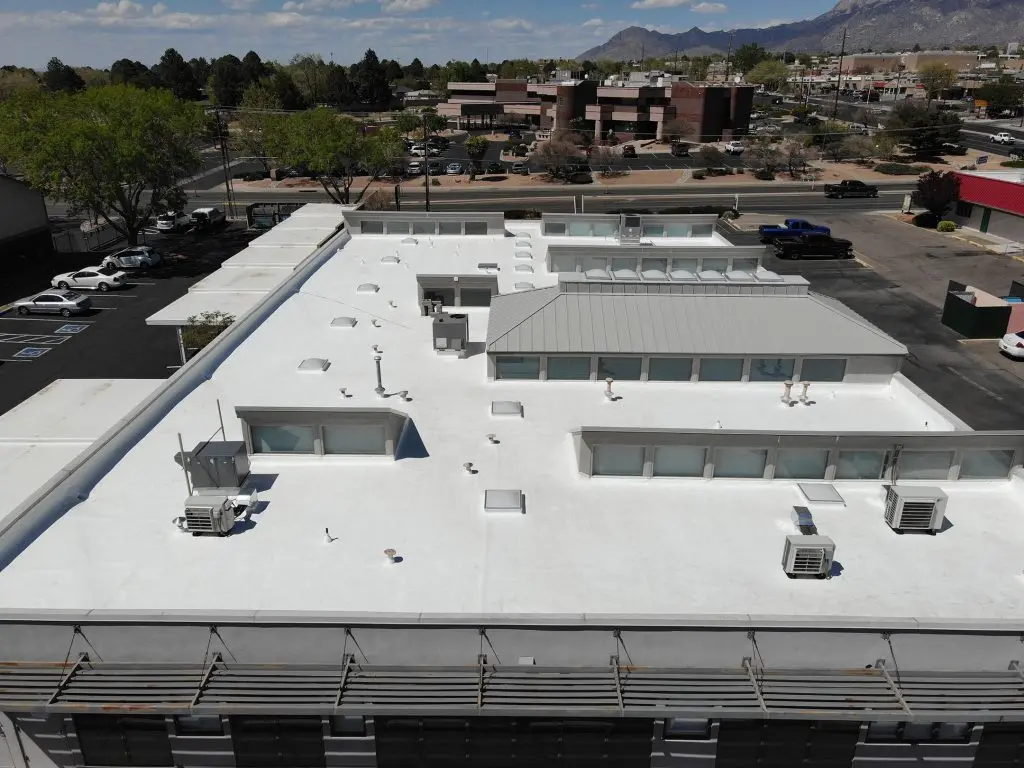
Multifamily roof installations require more coordination than single-family work. Scheduling, resident communication, and quality control oversight all affect project success.
- Assign a board liaison: A single point of contact simplifies contractor communication
- Communicate daily with residents: Especially about noise, access, work hours, and parking changes
- Coordinate roof work by building: Schedule installations by building or section to minimize disruption
- Walk the project at completion: Conduct a final inspection with the contractor to identify any items requiring correction
- Document all warranty paperwork: File manufacturer registrations and workmanship warranties properly
Wisconsin-Specific Legal and Governance Considerations
Wisconsin HOAs and condo associations face specific legal and regulatory requirements that affect roof replacement decisions.
- Wisconsin Chapter 703 Condominium Ownership Act: Governs condominium associations, including common element responsibilities and reserve fund requirements
- Wisconsin Nonprofit Corporations Act (Chapter 181): Governs HOAs structured as nonprofit corporations
- Wisconsin Dwelling Code (SPS 320-325): Applies to residential structures including townhomes and condos, with specific roofing requirements like ice and water shield
- Wisconsin SPS 362.1608 snow load requirements: Multifamily roofs must handle Wisconsin snow loads, which influences material and structural decisions
Each of these frameworks affects decisions about scope, materials, timing, and documentation. Working with a contractor who understands Wisconsin’s residential code requirements eliminates many of the common compliance issues that create problems during city or county inspections.
Choosing a Contractor Equipped for HOA Work
Not every residential roofing contractor is equipped for multifamily project management. The contractor you select should demonstrate specific capabilities beyond basic licensing.
- Documented multifamily experience: References from completed HOA or condo projects within the past 2 to 3 years
- Project management capacity: A designated project manager for the duration of your project
- Insurance that covers multifamily work: Standard residential general liability may not be sufficient; verify coverage for multifamily
- Resident communication protocols: Clear processes for notifying residents about access, parking, and noise
- Code compliance expertise: Understanding of Wisconsin residential code requirements for townhomes and condos
- Property management experience: A track record working alongside HOA managers and professional property management companies
Badgerland Exteriors has been serving HOAs, condo associations, and property management companies across central Wisconsin since 2009, with property management partnerships representing approximately 25 percent of our business. We bring the systems and experience multifamily work requires.
Frequently Asked Questions About HOA Roof Replacement in Wisconsin
Wisconsin HOA boards planning roof replacement projects tend to ask the same questions. Here are direct answers.
How long does an HOA roof replacement project typically take in Wisconsin?
For a typical 10 to 30-unit condo building or townhome community, planning through completion runs 4 to 8 months. The actual installation work varies from 1 to 3 weeks depending on project size, complexity, and weather. Larger associations with dozens of buildings may stage projects over a full construction season or longer.
Should our HOA get multiple bids for roof replacement?
Yes. Industry standard is minimum three written bids from licensed, insured contractors for projects of this magnitude. Comparing proposals on a standardized scope reveals pricing accuracy, scope differences, and warranty variations. Fewer than three bids leaves the board without context; more than five rarely adds useful information.
Who handles permits for an HOA roof replacement in Wisconsin?
The licensed contractor pulls the permit in Wisconsin. HOA roof replacements require Wisconsin Dwelling Contractor licensing for the responsible party. The association generally pays permit fees as part of the project cost. A properly licensed contractor includes permit handling in the written scope of work.
Can our HOA file an insurance claim for storm damage to a shared roof?
Yes. If severe weather damages shared roofing components, the association typically files an insurance claim through its master policy. Individual unit owner policies usually cover interior damage while the master policy covers common elements including the roof. A written contractor assessment supports the claim process and helps establish damage scope.
Can our HOA finance a roof replacement rather than use reserves?
Yes, in many cases. Multiple Wisconsin lenders offer association financing products specifically designed for capital projects like roof replacement. Terms, interest rates, and qualifying requirements vary. Many associations use a combination of reserves, special assessments, and financing to balance financial impact across homeowners.
Does Badgerland Exteriors work with HOAs and property management companies?
Yes. Badgerland has been working with property management companies and HOA boards across central Wisconsin since 2009. We provide free on-site assessments, detailed written proposals, and coordinated project management that addresses the specific challenges of multifamily work.
Make Your HOA Roof Replacement a Success
HOA roof replacement is a substantial undertaking that rewards careful planning, clear communication, and the right contractor partnership. Badgerland Exteriors has been helping Wisconsin associations navigate these projects since 2009 with free assessments, honest recommendations, and the systems multifamily work requires.
Let’s Get Started
Fix Your Roof the Badger Way
Got a question? Want to learn more about your options when it comes to caring for your home exterior? Our team is standing by with the information you need to start you roof replacement project today!