
Seamless Gutter Installation: Benefits, Process & What Homeowners Should Know
9 Min Read
POSTED 16.06.2026
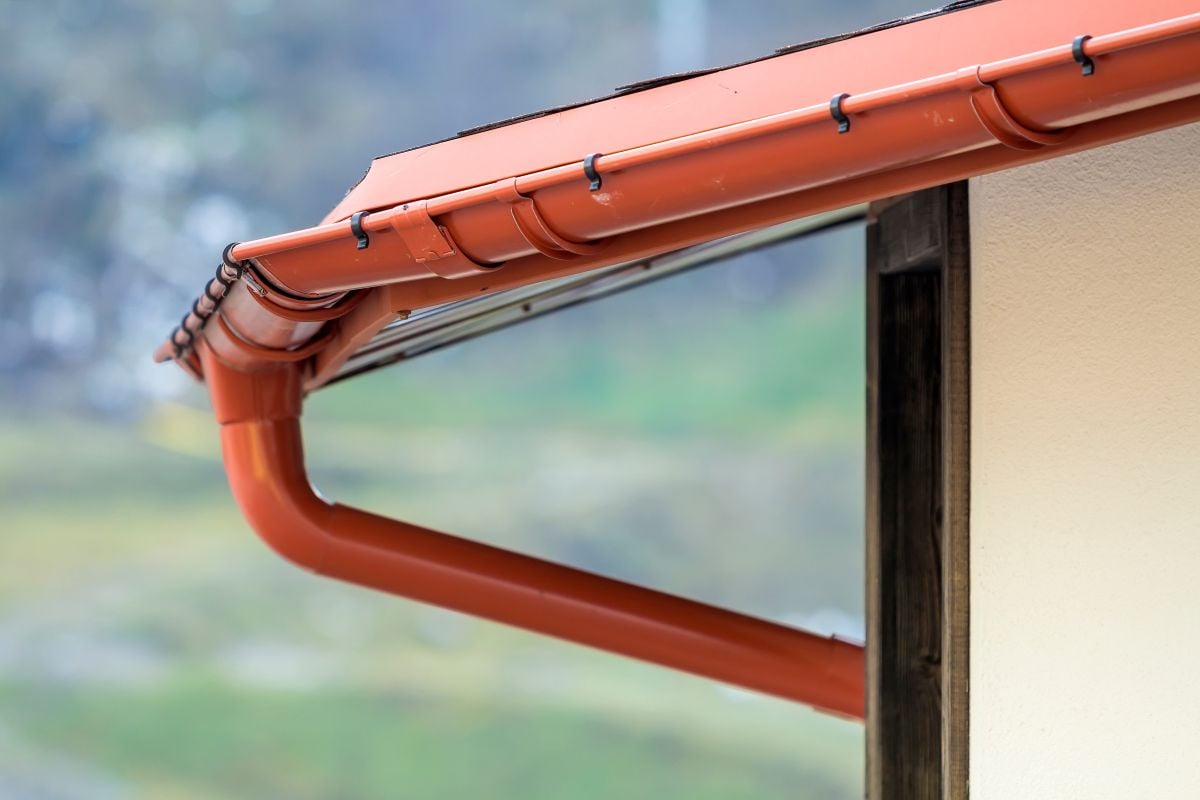
Seamless gutter installation is one of the most cost-effective exterior upgrades a homeowner can make, yet it’s routinely overlooked until water damage has already started. Gutters do quiet, unglamorous work every time it rains, managing roof drainage and directing thousands of gallons of rainwater runoff away from your foundation, siding, and landscaping. When that system fails or doesn’t exist, the consequences compound fast. If you’re weighing whether it’s time to upgrade your home’s drainage, how a custom gutter system protects your home is a good place to understand what’s at stake.
Here’s what this guide covers:
- Why seamless gutters outperform traditional sectional gutters
- The benefits that make them the most popular choice for homeowners
- What the installation process looks like from measurement to mounting
- How to choose the right material, size, and style
- Frequently asked questions homeowners ask before replacing their gutters
Seamless vs. Sectional Gutters: What’s the Difference?
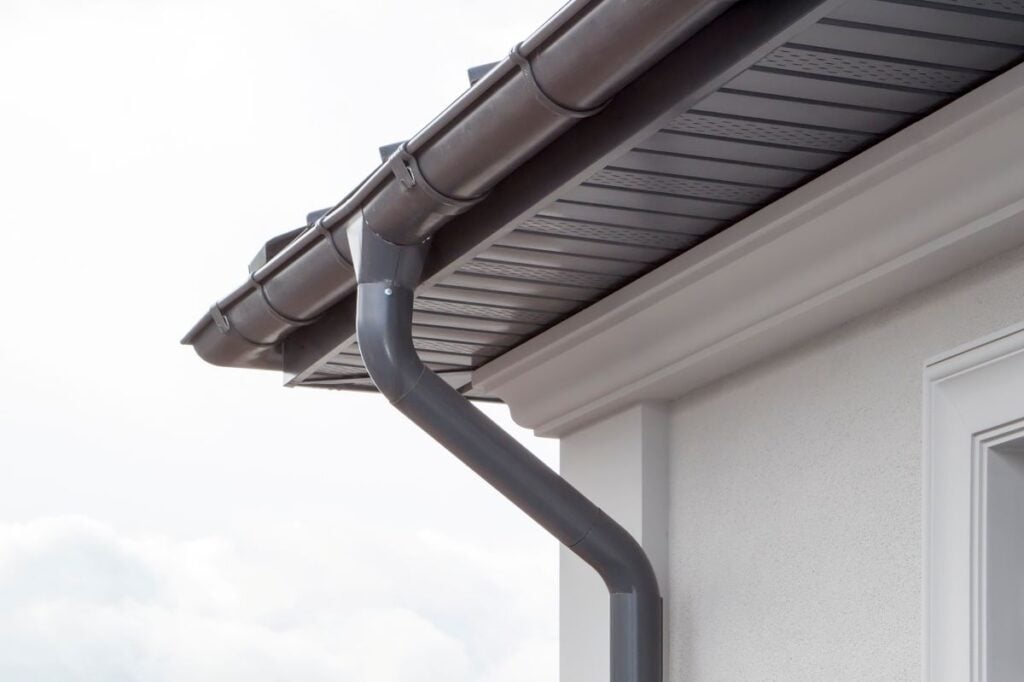
Most homes built before the 1990s have sectional gutters, which are sold in pre-cut lengths and joined together on-site with connectors and sealant. Every seam is a potential failure point. Over time, sealant dries out, joints separate, and leaky gutters develop, often in places that aren’t visible until fascia boards have already started to rot.
Seamless gutters eliminate that problem by design. They’re fabricated on-site from a continuous coil of material using a portable roll-forming machine that the installer brings to your home. The result is a single, uninterrupted channel cut to the exact length of each roofline run, with joints only where they’re structurally unavoidable — at corners and downspout outlets.
That difference matters more in Wisconsin’s climate than in most places. Freeze-thaw cycles put constant stress on seam sealants, and heavy snowmelt in spring puts peak demand on drainage systems right when aging joints are most likely to fail. Ice dams — a common winter problem for Wisconsin homeowners — are also more likely to worsen when gutters can’t drain properly.
Why Seamless Gutters Are Worth It
The benefits of seamless gutters go beyond leak prevention. Here’s what homeowners consistently point to when explaining why they chose seamless over sectional systems.
- Fewer leaks: Without seams along the run, there are dramatically fewer places for water to escape. The only joints are at corners and downspout connections, which are properly sealed and far easier to monitor than a dozen mid-run connection points.
- Lower maintenance: Clogged gutters are one of the most common sources of preventable water damage. Sectional gutter seams collect debris and create small dams that accelerate clogging. A smooth, uninterrupted channel allows water and minor debris to flow more freely toward downspouts, reducing how often cleaning is needed and making water damage prevention far easier.
- Custom fit: Because seamless gutters are formed on-site to your exact measurements, they follow the roofline precisely, leaving no gaps or awkward transitions. This also means a cleaner, more uniform appearance across the entire exterior.
- Longer lifespan: Seamless aluminum gutters typically last 20 years or more. Without the seam failures that shorten sectional systems, they hold up better through Wisconsin winters and require fewer repairs over their service life.
- Foundation and structural protection: According to FEMA, just one inch of water inside a home can cause up to $25,000 in damage, and a properly functioning gutter system is one of the most direct defenses against the water intrusion that leads to foundation problems, basement flooding, and siding deterioration.
Seamless Gutter Materials and Styles
Aluminum is by far the most popular material for seamless gutters, and for good reason. It’s lightweight, corrosion-resistant, easy to form on-site, and available in a wide range of colors. For most Wisconsin homeowners, aluminum is the right call. It performs well across temperature extremes, holds paint finishes well, and costs significantly less than premium alternatives.
Here’s how the main options compare:
| Material | Lifespan | Cost Per Linear Foot | Best For |
| Aluminum | 20+ years | $6–$12 | Most homes; best overall value |
| Steel | 20–30 years | $9–$20 | High-wind or heavy-snowload areas |
| Copper | 50–100 years | $25–$40 | Premium aesthetics, long-term builds |
| Zinc | 50–80 years | $20–$35 | Architectural projects, longevity |
Beyond material, homeowners choose between two main gutter profiles. K-style gutters have a flat back and a decorative ogee-shaped front, which lets them carry more water than their width suggests and blends well with most home exteriors. Half-round gutters have a traditional rounded profile that suits historic and craftsman-style homes. Both are available in seamless form.
Size matters too. Standard residential gutters come in 5-inch and 6-inch widths. Homes with steeper pitches, larger roof areas, or heavy tree coverage typically benefit from 6-inch gutters, which handle higher water volume without overflowing during heavy rain.
The Seamless Gutter Installation Process
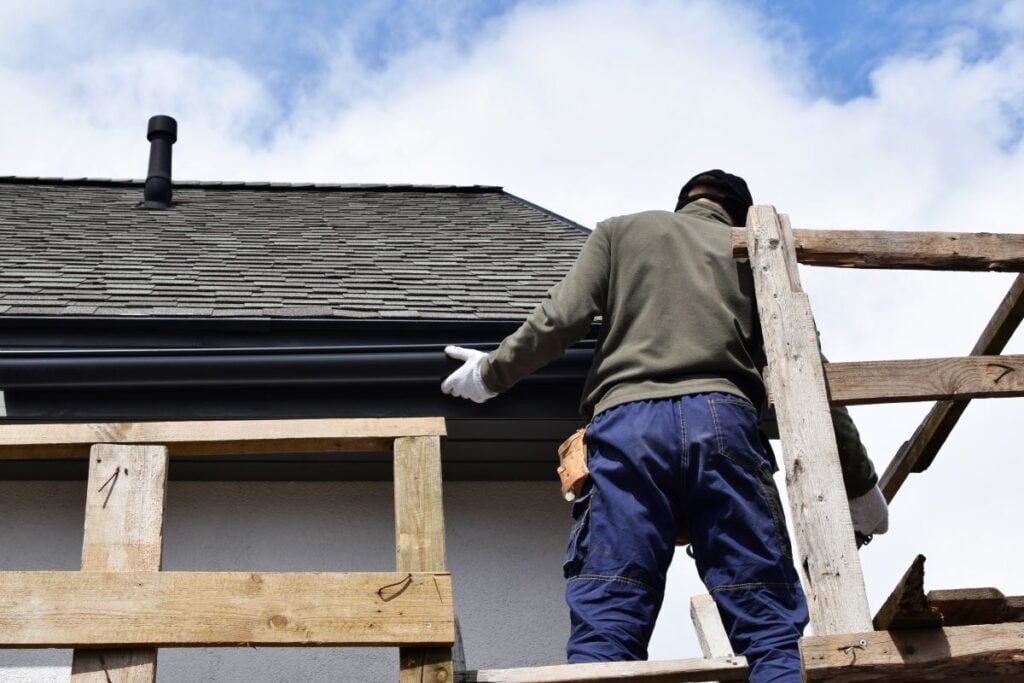
Knowing what installation actually involves helps homeowners ask better questions and set realistic expectations. Seamless gutter installation requires professional installation — it takes a specialized roll-forming machine, precise slope calculations, and correct fastening into the fascia — but most residential projects are completed in a single day.
We’re proud to serve homeowners in Verona, WI, and nearby communities with seamless gutter installation, gutter guard systems, and full exterior services.
1. Measurement and Planning
Before any material is formed, the installer measures every run along the roofline and identifies the optimal downspout locations to direct water efficiently away from the foundation. The slope of each gutter run is calculated to ensure water flows consistently toward the downspouts without pooling anywhere in the channel.
2. On-Site Fabrication
The roll-forming machine — typically mounted in a truck or trailer — feeds a flat aluminum coil through a series of rollers that shape it into the finished gutter profile. The installer cuts each piece to the exact length needed and installs end caps, sealing them completely before the gutter goes up. This is the core advantage of seamless systems: no mid-run joints, no pre-cut compromises.
3. Fascia Inspection and Prep
Before mounting, a good installer checks the fascia boards for rot, soft spots, or damage. Installing new gutters over compromised wood is a common mistake that leads to premature failure. Any fascia repairs should be completed before the new system goes up.
4. Mounting and Slope Setting
Gutters are securely fastened to the fascia using hidden hangers or spike-and-ferrule systems at regular intervals, typically every 24 to 36 inches, with closer spacing in areas that see heavy snow or ice loads. The slope is set at approximately a quarter inch of drop per 10 feet of run to keep water moving toward downspouts without pooling.
5. Downspout Installation and Discharge
Downspouts are cut, connected, and routed to discharge water at least 4 to 6 feet from the foundation. Downspout extensions, buried drain lines, or splash blocks are used depending on the site conditions. Foundation damage from misdirected runoff is one of the most expensive consequences of a poorly planned gutter system, so getting the discharge location right is as important as the gutter itself.
Common FAQs About Seamless Gutter Installation
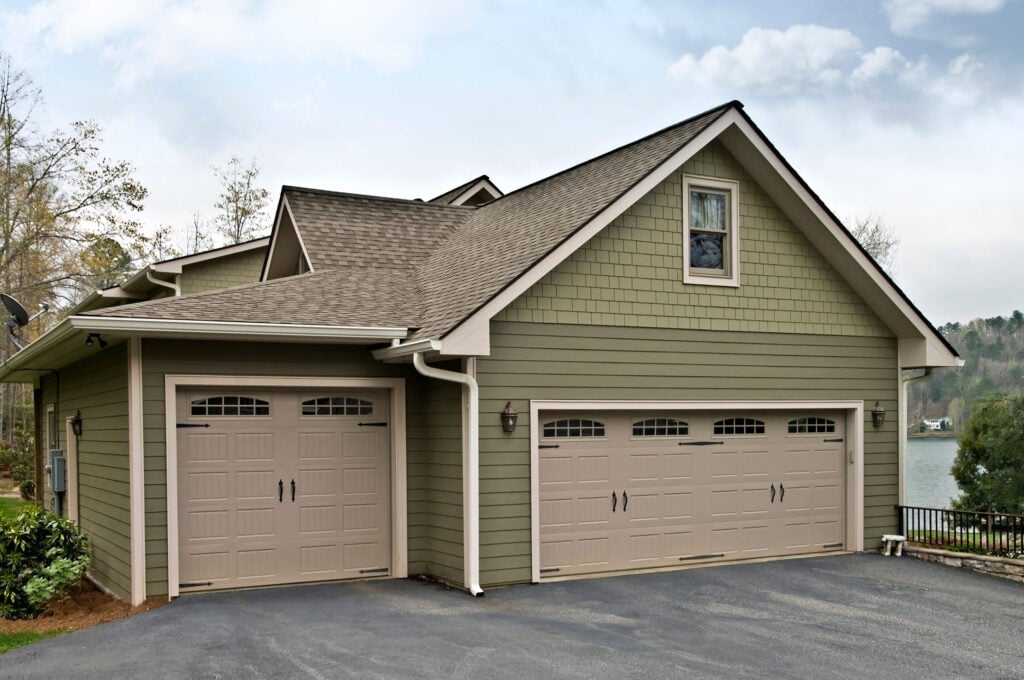
Homeowners researching seamless gutters tend to ask the same questions. Here are the most common ones, answered directly.
How much does seamless gutter installation cost?
Most homeowners pay between $1,100 and $2,500 for a full seamless gutter installation, with gutter replacement cost varying based on linear footage, material choice, home height, and roofline complexity. Aluminum systems for a typical single-story home fall in the lower range. Multi-story homes, homes with complex rooflines, or premium materials like copper push costs higher. For context, gutter repair on an aging sectional system can run $150 to $600 per incident, and those costs add up quickly on a system that keeps failing — making seamless gutters installed once a smarter long-term investment than recurring band-aid repairs. Badgerland Exteriors provides free estimates, so you’ll know the full number before committing to anything.
How long do seamless gutters last?
Aluminum seamless gutters typically last 20 years or more with basic maintenance. Keeping them clear of debris, checking hangers and end caps annually, and addressing minor issues before they become bigger ones are the habits that get the most life out of any gutter system. If your gutters are sagging, pulling away from the fascia, or showing visible cracks, those are signs a replacement conversation is worth having.
Do I need gutter guards with seamless gutters?
Gutter guards aren’t required, but they’re a popular add-on for homeowners who want to reduce how often they handle gutter cleaning. Micro-mesh guards perform best, blocking debris including pine needles while still allowing water to flow freely. For homes surrounded by mature trees, guards can meaningfully extend the time between cleanings and reduce overflow risk during heavy fall leaf drop — a real consideration for homes in the Verona area and other wooded communities around Madison.
Can seamless gutters handle Wisconsin winters?
Yes, when properly installed and sized. Seamless aluminum gutters don’t have mid-run seams that freeze and separate, which is one of the main failure points on sectional systems during Wisconsin winters. Correct slope, adequate downspout capacity, and properly positioned hangers all contribute to a system that handles snowmelt and ice without pulling away from the fascia or developing ice dams.
When is the right time to replace gutters?
The most common signs it’s time to replace rather than repair include visible rust or corrosion, gutters pulling away from the fascia along multiple sections, recurring leaks at or near seams, and water staining or rot developing on the fascia boards beneath the gutter. If you’ve been making repeat repairs on an aging sectional system, seamless replacement is often the more economical long-term choice.
Protect What’s Below Your Roofline — Badgerland Exteriors
Badgerland Exteriors has been serving homeowners across central Wisconsin as trusted gutter experts since 2009. We fabricate every gutter on-site to fit your home’s exact dimensions, available in a wide range of colors to match your exterior. Whether you need a full gutter replacement, an upgrade from a sectional system, or gutter guards added to an existing installation, our team brings the same education-first, no-pressure approach we apply to every project.
Request your free estimate from Badgerland Exteriors today and find out how a new seamless gutter system can protect your home for the next 20 years.

Let’s Get Started
Fix Your Roof the Badger Way
Got a question? Want to learn more about your options when it comes to caring for your home exterior? Our team is standing by with the information you need to start you roof replacement project today!
