
Shingle Repair: When to Fix vs. Replace & How the Process Works
10 Min Read
POSTED 13.08.2026

Shingle repair is the right answer in more situations than most homeowners expect, and the wrong answer in more situations than most contractors admit. The fix-or-replace decision is one of the most consequential calls a homeowner makes about their roof, and it’s one where having accurate information going in makes a real difference. A contractor who defaults to replacement when repair is sufficient is costing you money. A contractor who patches when replacement is needed is deferring a bill that grows while they collect yours. Knowing how to tell the difference is what this guide is about. If you want to understand how we approach roofing repairs for Wisconsin homeowners, that’s a useful place to start.
Here is what this guide covers:
- When shingle repair is the right call
- When repair is the wrong call and replacement is needed
- What professional shingle repair actually involves
- How shingle repairs are priced
- What homeowners in Wisconsin need to know about storm-related shingle damage
- Common questions about shingle repair
Why the Fix-vs-Replace Decision Matters
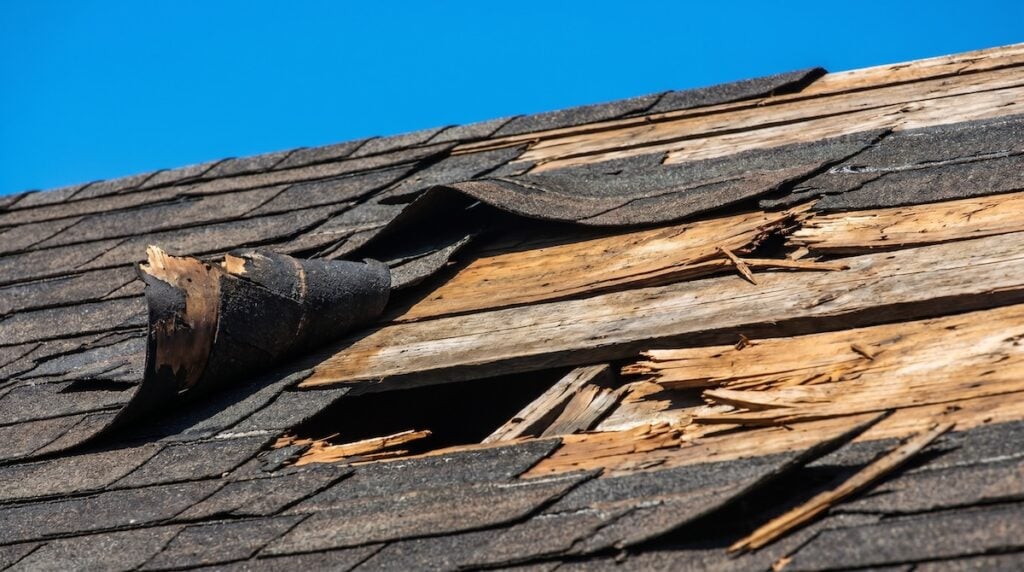
The financial stakes of this decision are real. According to Angi, roof shingle repair costs between $360 and $1,750, with most homeowners spending around $960 for a typical project — though extensive damage can push costs to $5,800 or more. That range reflects how dramatically scope affects price: a few missing shingles after a wind event is a very different job from repairing multiple areas with underlayment damage and moisture infiltration.
The repair-vs-replace question is not just about the number of damaged shingles. It’s about the condition of the roofing system underneath them: the underlayment, the decking, the flashing, and the ventilation. A contractor who evaluates only what’s visible from the ground isn’t giving you enough information to make a good decision. A thorough inspection is the starting point for an honest recommendation either way.
9 Signs Shingle Repair Is the Right Call
Repair makes sense when the problem is specific, the surrounding system is sound, and the roof is not approaching the end of its material lifespan. These are the clearest indicators that repair is the appropriate response.
1. Damage Is Limited to a Small, Defined Area
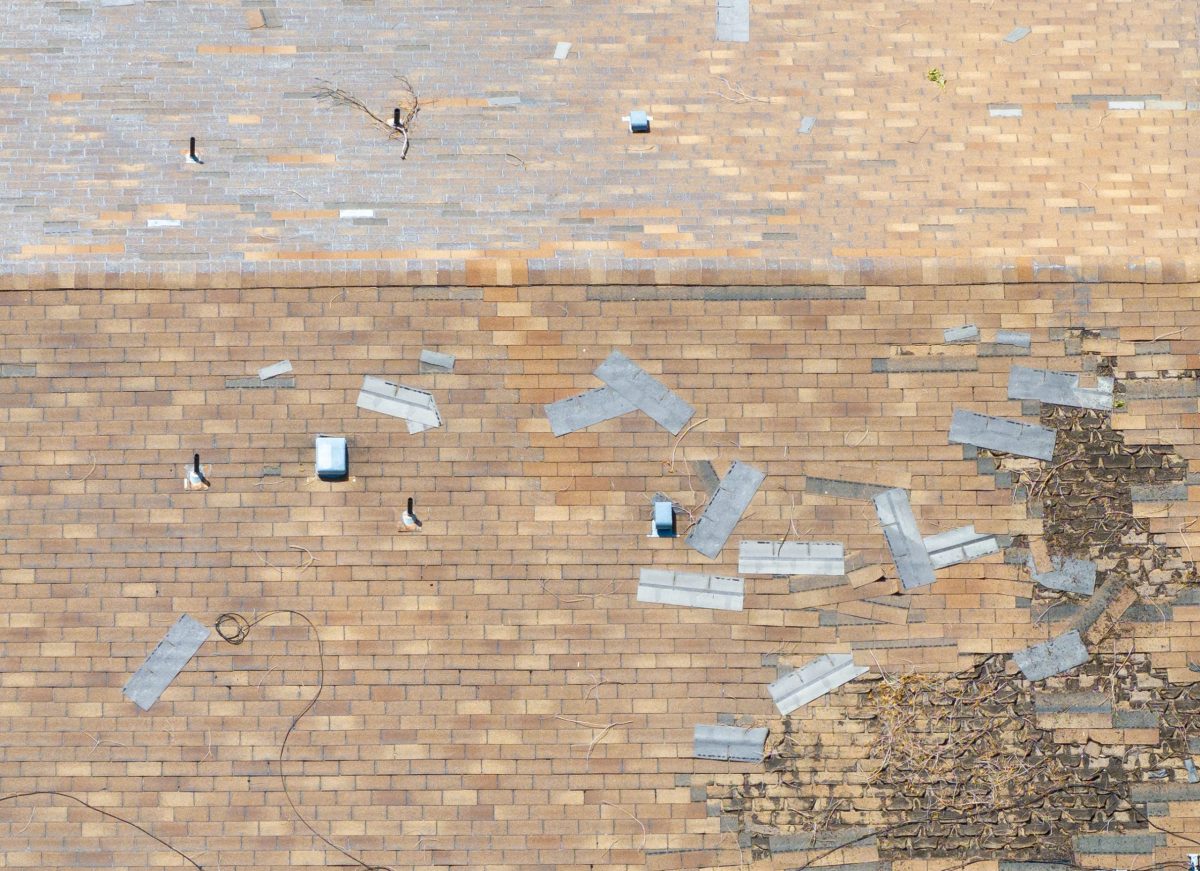
A handful of cracked shingles, curling shingles, or missing shingles affecting a section of the roof rather than the full surface is a repair candidate, not a replacement trigger. Impact damage from hail or debris that affects one slope while leaving others untouched is similarly repairable when the underlying material is intact.
- Isolated storm impact: A falling branch, ice chunk, or severe hail cell that damaged one area without compromising the broader system is a strong repair candidate.
- Wind-lifted edges: Shingles lifted at corners or tabs by a wind event can often be re-secured or replaced individually if the tabs haven’t fractured and the surrounding shingles are sound.
- A few missing shingles: Gaps left by shingles blown away in a storm expose the underlayment to weather, but if the underlayment and decking are dry and intact, targeted replacement of the missing shingles is a straightforward repair.
2. The Roof Is Relatively Young
Age matters as much as condition. A roof that is 5 to 12 years old with isolated damage almost always warrants repair rather than replacement. Most quality asphalt roof shingles carry 25 to 30-year warranties, and replacing a roof at 10 years because of localized damage would mean discarding the majority of the material’s useful life.
- Under warranty: If the roof is within the shingle manufacturer’s warranty period and damage is storm-related, both warranty coverage and insurance claims are worth exploring before committing to repair costs.
- Matching shingles available: Younger roofs are more likely to have matching shingles still in production, which matters for appearance.
3. Underlayment and Decking Are Sound
The most important factor in any shingle repair decision is what’s underneath. If the underlayment is intact, the decking is dry and structurally solid, and there’s no evidence of moisture infiltration behind the damaged shingles, repair is a reliable solution. Shingles are the outer layer of a system; if the system beneath is performing correctly, repairing or replacing the outer layer works as intended.
5 Signs You Need Replacement, Not Repair
Repair becomes the wrong answer when the problem is systemic rather than isolated. These are the clearest signals that replacement is the honest recommendation.
1. The Roof Is Approaching or Past Its Lifespan
Asphalt shingles typically last 20 to 30 years depending on material quality, installation, and climate exposure. A shingle roof that is 20 or more years old showing widespread granule loss, surface cracking, and brittleness is telling you its material lifespan is running out. Attempting to repair roof shingles on a roof in this condition is like patching one tire on a car with four worn-out tires; the underlying condition doesn’t change.
2. Damage Affects Multiple Areas or Slopes
When extensive damage appears in multiple unrelated locations across the roof, it usually indicates either age-related deterioration or an installation deficiency that affects the full system rather than a specific event. Patching multiple sections separately is expensive and doesn’t address the root cause.
3. Moisture Has Reached the Decking or Framing
Once water gets past the shingles and underlayment and into the roof decking or attic framing, roof leaks at this depth expand the repair scope well beyond shingle work. Rotted sheathing has to be replaced before new shingles go down. If moisture damage has spread significantly, the cost of a thorough repair often approaches or exceeds the cost of a full replacement that corrects everything at once.
4. Granule Loss Is Widespread
Granule loss accelerates when shingles near the end of their useful life. When granules accumulate in gutters consistently and the shingle surfaces show bare, exposed mat in multiple areas, the shingles are no longer providing adequate UV protection or waterproofing. Replacing individual shingles doesn’t solve a roof that has lost granule protection system-wide.
5. Repairs Have Been Done Before in the Same Areas
Frequent repairs in the same location are a sign that the underlying cause hasn’t been addressed. If the same section has been patched twice, a third patch is unlikely to hold longer than the previous ones. A structural problem, a flashing failure, or a drainage issue that wasn’t resolved in prior repairs is driving the recurring damage.
How Professional Shingle Repair Works
Understanding what professional roof repair involves helps homeowners evaluate whether a contractor is doing the job correctly.
A qualified contractor begins with a roof inspection that looks at both the visible shingles and the underlying system. Damaged shingles are carefully lifted using a flat pry bar without disturbing adjacent shingles. The underlayment beneath is examined; if it’s compromised, it’s patched or replaced before new shingles go down. New shingles are matched to the existing shingles in color and profile as closely as possible. Each shingle is fastened with roofing nails at the correct placement, sealed at tabs and edges with roofing cement, and integrated with the surrounding course so water flows correctly off the surface rather than into a joint.
Flashing at any nearby penetrations is inspected and re-sealed. Caulk at existing joints in the repaired area is refreshed. The completed repair should be visually integrated with the surrounding surface and watertight under the full range of weather the roof will face.
Badgerland Exteriors does not offer a warranty on repairs. That’s an honest policy; shingle repairs are targeted fixes, and their durability depends as much on the surrounding system as on the repair itself. When repair is the right call, we do it correctly. When it isn’t, we’ll tell you that too.
We’re proud to serve homeowners in Verona, WI, and nearby communities with shingle repair, roof replacement, and storm damage inspections.
What Shingle Repair Costs in Wisconsin
Most shingle repairs in the south-central Wisconsin market fall in the following ranges:
| Repair Type | Typical Cost Range |
| 1–3 missing or damaged shingles | $200–$500 |
| Small section repair (up to 10 shingles) | $400–$900 |
| Moderate area repair with underlayment work | $700–$1,500 |
| Flashing repair at chimney or vent | $300–$800 |
| Valley repair | $500–$1,200 |
| Storm damage repair (multiple areas) | $800–$2,500+ |
These figures reflect typical labor and material costs for standard architectural asphalt shingles in this market. Premium materials, steep pitches, and difficult access all push costs toward the upper end or beyond. The only way to get an accurate number for your specific situation is an on-site assessment.
Shingle Repair and Storm Damage in Wisconsin
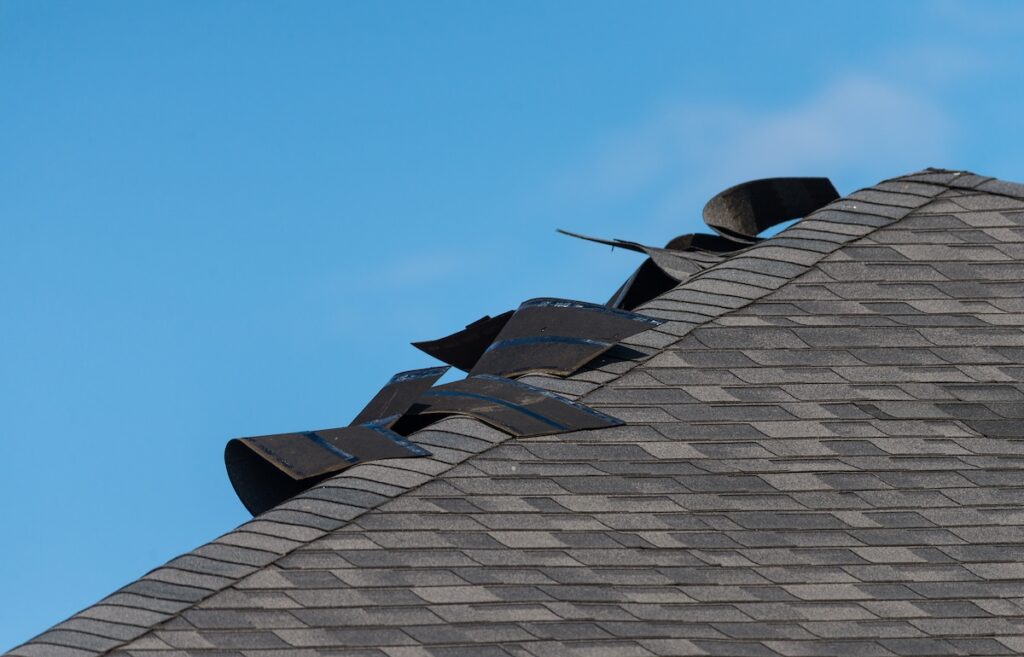
Hail, high winds, and ice dam formation create specific shingle damage patterns that Wisconsin homeowners see regularly. Knowing what storm damage looks like helps homeowners act promptly rather than letting damage develop further.
Hail impact leaves circular bruising or fractures in shingles that may not be visible from the ground. Wind damage typically lifts shingles at corners, tabs, or edges and may tear them off entirely on exposed slopes. Ice dam damage forces water under shingles at the eaves, causing lifting and separation that isn’t always apparent until interior water staining appears in late winter or spring.
Storm-related shingle damage is often covered under homeowner’s insurance policies as a sudden, covered peril. Badgerland Exteriors provides free storm damage inspections and can document damage in writing to support an insurance claim. Filing promptly matters; most policies have claim deadlines, and documented damage is easier to substantiate soon after the event.
Frequently Asked Questions About Shingle Repair
Homeowners dealing with shingle damage tend to ask the same questions. Here are direct answers.
How many damaged shingles warrant repair vs. replacement?
There’s no fixed number. The better question is whether the damage is isolated or systemic, whether the underlying materials are sound, and whether the roof’s age means replacement is imminent regardless. A few damaged shingles on a 7-year-old roof with solid decking and intact underlayment is a straightforward repair. A dozen damaged shingles on a 22-year-old roof with widespread granule loss is a different conversation.
Can shingle repair be done in winter in Wisconsin?
Yes, with care. Cold temperatures make asphalt shingles more brittle and harder to seal correctly. Experienced contractors use cold-weather adhesive products and take precautions against cracking shingles during installation. DIY repairs in cold weather are particularly risky for this reason; brittle shingles crack easily when handled and cold-applied sealants may not bond adequately until temperatures rise. Urgent repairs to prevent active water infiltration can and should be addressed year-round by a professional. Non-urgent cosmetic repairs are better scheduled for spring or fall when temperatures and conditions are optimal.
Will a shingle repair match my existing roof?
Matching depends on how old the roof is and whether the original shingle is still in production. On roofs under 5 to 7 years old, a close match is usually achievable. On older roofs with faded shingles, a perfect color match is difficult. A reputable contractor is honest about this upfront rather than presenting a visually mismatched repair as seamless.
How do I know if I have hail damage to my shingles?
Common signs include circular dark spots or bruising on shingle surfaces, granules collecting in gutters shortly after a storm, dented metal components like flashing, gutters, or downspouts, and impact marks on wood trim or siding. From the ground, hail damage is often impossible to see without binoculars or a drone. A professional inspection after a significant storm event is the most reliable way to assess whether damage occurred.
Does Badgerland Exteriors offer free estimates for shingle repairs?
Yes. Free estimates are available for shingle repair and full roof replacement. Our team can typically reach your property within 24 to 48 hours of first contact, and storm damage inspections are always free.
Don’t Let Shingle Damage Wait. Badgerland Exteriors Is Ready
Shingle damage that’s addressed promptly stays a repair. Shingle damage that’s deferred becomes a moisture problem, a structural problem, or a full replacement on an accelerated timeline. Badgerland Exteriors has been helping Verona homeowners and neighbors across central Wisconsin make the right call since 2009: repair when it makes sense, replacement when it doesn’t, and honest answers either way.
Request your free shingle repair estimate from Badgerland Exteriors today.

Let’s Get Started
Fix Your Roof the Badger Way
Got a question? Want to learn more about your options when it comes to caring for your home exterior? Our team is standing by with the information you need to start you roof replacement project today!
