Snow Guards for Metal Roofs: When You Need Them in Wisconsin
9 Min Read
POSTED 06.10.2026
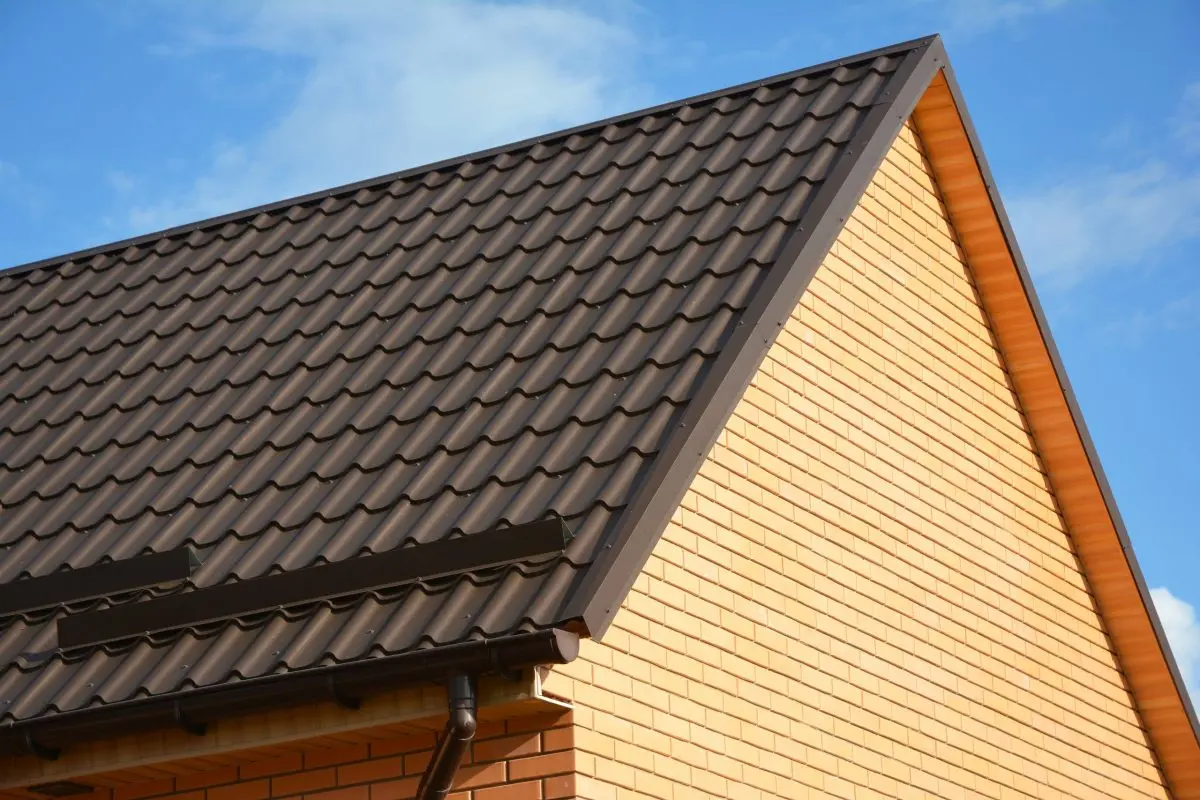
Snow guards for metal roofs are small devices installed along the roof surface that prevent accumulated snow and ice from sliding off in dangerous sheets. On a Wisconsin metal roof, they’re not always required by code, but they’re often essential for safety, property protection, and long-term roof performance. Metal roofing’s slick surface, which makes it excellent at shedding snow, is also what creates the avalanche risk that snow guards exist to control. Understanding when snow guards are necessary, what types work best in Wisconsin conditions, and where they should be placed will help you make the right call before the next major snowfall. If you’re considering a metal roof or already have one that hasn’t been evaluated for snow management, roof replacement planning from a Wisconsin contractor should include the snow guard conversation upfront.
Here is what this guide covers:
- What snow guards do and why metal roofs need them
- Wisconsin’s snow load conditions and what they mean for your roof
- 4 signs your metal roof needs snow guards
- Types of snow guards and how to choose the right one
- Where snow guards should be installed on a Wisconsin roof
- Common questions Wisconsin homeowners ask about snow guards
Why Metal Roofs Create a Unique Snow Problem
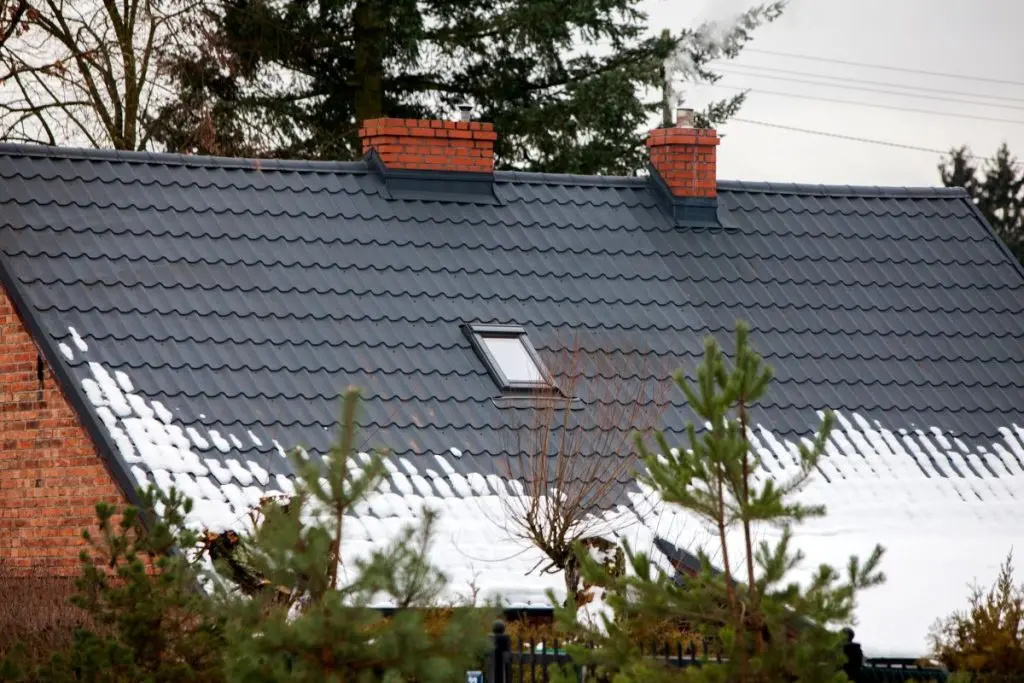
Metal roofing performs exceptionally well in Wisconsin’s climate. It handles freeze-thaw cycling and other harsh weather conditions without membrane degradation, resists ice dam formation better than asphalt, and lasts 40 to 70 years with minimal maintenance. That same low-friction surface that makes metal roofs so effective at shedding snow is also what creates the safety concern: instead of snow melting and dripping off gradually, snow accumulates until temperatures rise enough for it to release all at once, often in the form of a fast-moving sheet weighing hundreds of pounds.
According to Wisconsin Administrative Code SPS 362.1608, snow load requirements in Wisconsin address both direct loads and the potential for sliding or drifting snow between adjacent structures, with unbalanced snow loads on hip or gable roofs calculated according to specific engineering equations. Wisconsin ground snow loads range from 30 pounds per square foot in southern counties to 60 pounds per square foot or higher in the northern tier, which means the amount of snow that can accumulate on a Wisconsin metal roof before releasing is significant.
We’re proud to serve homeowners in Middleton, WI, and nearby communities with metal roofing consultations, roof replacement, and free on-site assessments.
What Snow Guards Actually Do
A properly designed snow retention system works by holding accumulated snow on the roof, allowing it to melt gradually or release in smaller, controlled amounts instead of sliding off in one dangerous mass. They serve four primary functions:
- Prevent injury: Sudden snow releases from a metal roof can seriously injure people below, particularly at entrances and walkways
- Protect property below: Landscaping, vehicles, HVAC equipment, decks, and gutters can all be damaged by sliding snow
- Reduce gutter damage: Snow sliding off unrestricted metal roofs frequently tears gutters away from fascia
- Manage runoff: Controlled snow melt reduces the freeze-thaw water flow that contributes to ice dam formation
Snow guards do not prevent snow from ever leaving the roof. They control snow movement off the roof, transforming a dangerous avalanche event into a manageable gradual release.
4 Signs Your Metal Roof Needs Snow Guards
Not every metal roof requires snow guards, but many Wisconsin metal roofs do. These are the clearest indicators that snow guards are worth installing.
1. Entrances or Walkways Below the Roof
Anywhere people regularly walk beneath a metal roof surface is a location where snow guards are essential. This includes front and back door entrances, garage entrances, walkways, patios, and any pedestrian traffic area beneath a metal roof plane. The liability and injury risk from unmanaged snow release above pedestrian areas makes snow guards a safety necessity, not an optional upgrade.
- Front and back entrances: Standard placement above every doorway
- Garage door entrances: Prevents damage to vehicles and injury to people entering/leaving
- Walkways and patios: Any pedestrian traffic area beneath the roof
- HVAC access points: Where service technicians need to work beneath the roof
2. Landscaping or Property Below the Eaves
Bushes, shrubs, ornamental trees, decks, and outdoor structures beneath a metal roof are at risk from sliding snow. Snow guards prevent the destruction of landscape investments and reduce annual replacement costs.
- Shrubs and ornamental plantings: Sliding snow can crush and kill established landscaping
- Decks and patios: Impact damage from released snow
- AC condensers and mechanical equipment: Sliding snow can damage or destroy outdoor HVAC components
- Fencing: Sliding snow can bend or break fence sections at ground level
3. Gutters Below the Roof Edge
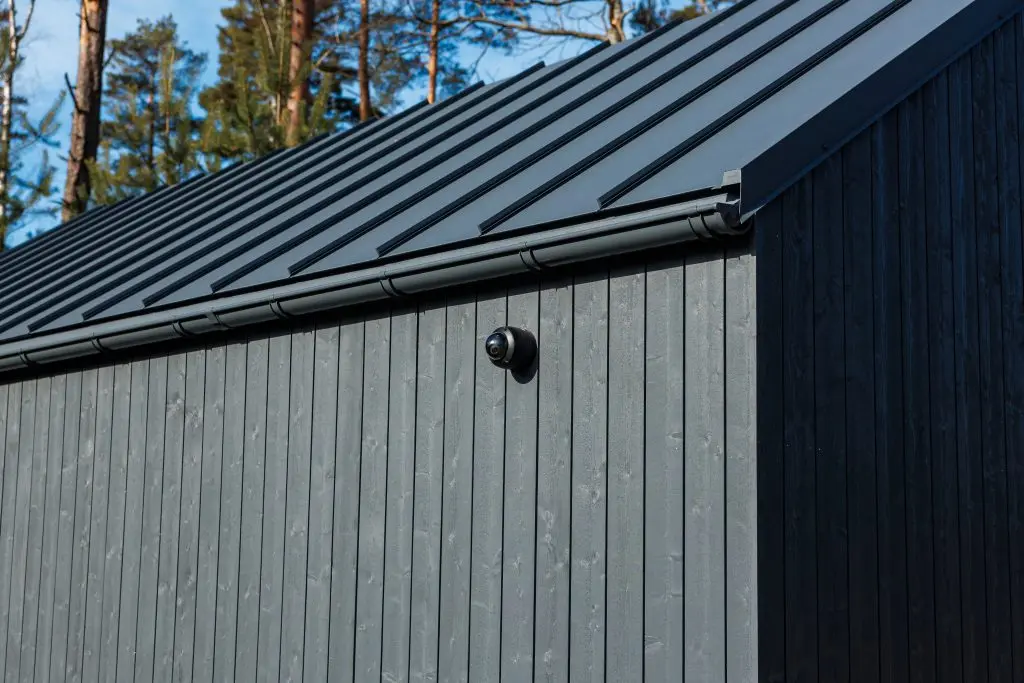
Metal roofs without snow guards frequently damage gutters. Snow sliding at full velocity strikes gutters as it releases, either tearing them from the fascia or bending them beyond repair. Snow guards prevent this by holding snow on the roof until it melts gradually.
- Gutter damage prevention: The primary benefit for many homeowners
- Downspout protection: Sliding snow can crush downspouts as it releases
- Fascia protection: Repeated gutter damage eventually damages the fascia behind it
- Cost avoidance: Snow guards typically pay for themselves within a few winters through avoided gutter repairs
4. Adjacent Lower Roofs
When a taller metal roof sheds snow onto a lower roof section, the impact can cause structural damage to the lower roof, damage shingles or membrane systems, and create excessive snow loads that exceed the lower roof’s design capacity. Snow guards on the upper roof protect the lower roof from repeated impact damage.
- Multi-level home designs: Where upper metal roof planes overhang lower roof sections
- Additions with lower rooflines: Where new construction meets existing lower roofs
- Adjoining properties: Where a taller structure could shed snow onto a neighbor’s lower roof
- Attached garage roofs: Where the main house roof sheds onto the garage below
Types of Snow Guards and How to Choose
Snow guards come in several styles, each with different applications and cost profiles. Standing seam metal roofs and exposed fastener metal roofs each have different attachment requirements, so the right choice depends on the roof panel type, snow load, and aesthetic preferences.
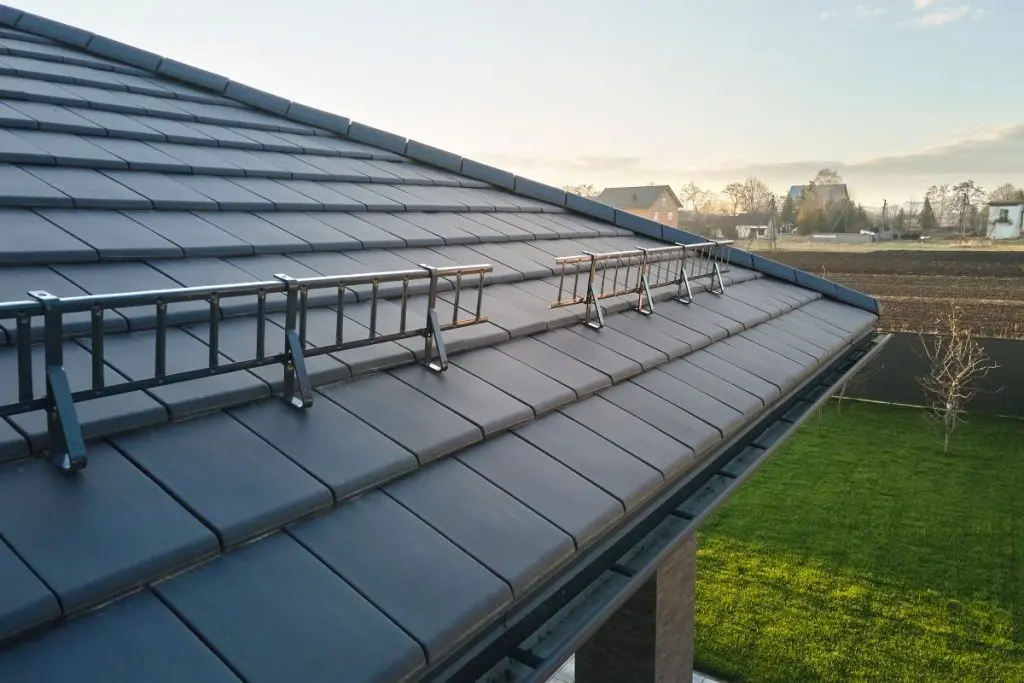
- Pad-style guards: Small individual mounts installed in patterns across the roof surface. Common on standing seam roofs and typically the most cost-effective option for residential applications.
- Rail-style guards (snow rails): Continuous horizontal bars mounted across the roof, capable of holding heavier snow loads than pad-style guards. Common in commercial applications and heavy-snow regions, often supplied by established brands like Alpine SnowGuards.
- Fence-style guards: Multiple horizontal rails stacked vertically, providing the strongest snow retention for the heaviest loads. Typically installed on commercial buildings or steep-pitch residential roofs.
- Non-penetrating clamp on snow guards: Clamp-mounted guards designed for standing seam roofs that attach without piercing the roof surface, preserving watertight integrity.
The best snow guards for most Wisconsin residential metal roofs are pad-style guards installed in an engineered pattern, which provide adequate snow retention at a reasonable cost. Heavier snow loads in northern Wisconsin or homes with unusually steep pitches may warrant rail-style systems.
Where Snow Guards Should Be Installed
Placement matters as much as type. A snow guard system with the wrong pattern or spacing provides less protection than none at all because it can concentrate snow release rather than distribute it.
- Along the eaves: The most common and important placement, holding snow at the roof edge
- In multiple rows for steep or large roofs: Distributing snow retention across the roof surface rather than concentrating it at the edge
- Above all entrances: Regardless of overall roof configuration
- Above equipment or landscaping to be protected: Targeted placement for specific protection zones
- Following manufacturer engineering: Snow guard manufacturers publish spacing charts based on snow load, roof pitch, and panel type; deviation from these specifications compromises performance
Professional installation matched to your specific roof and snow load is essential. Snow guards installed with incorrect spacing or in the wrong pattern can concentrate stress and cause both snow guard failure and roof damage.
Frequently Asked Questions About Snow Guards for Metal Roofs
Wisconsin homeowners planning metal roofing projects tend to ask the same questions about snow management. Here are direct answers.
Are snow guards required by Wisconsin building code?
Snow guards are not universally required by Wisconsin building code, but liability considerations often make them essential regardless. Any metal roof that could shed snow onto pedestrian areas, adjacent structures, or property below warrants snow guards from a liability and safety standpoint. Consulting with your municipality’s building department before installation is worthwhile.
How much do snow guards cost to install in Wisconsin?
Snow guard installation for a typical Wisconsin residential metal roof runs $500 to $2,500 depending on roof size, snow guard type, and the extent of coverage needed. Full-perimeter rail systems for heavier applications cost more. The investment typically pays back within a few winters through avoided landscape damage, gutter repairs, or liability incidents.
Can snow guards be added to an existing metal roof?
Yes. Snow guards can be retrofitted to existing metal roofs, and non-penetrating clamp-style guards are particularly well-suited for standing seam retrofits because they attach without piercing the roof. A professional installer can evaluate your specific panel type and recommend the appropriate attachment method and snow guard style.
Will snow guards prevent ice dams on my metal roof?
Not directly. Ice dams are primarily caused by heat loss through the roof deck, not by snow retention. Snow guards can reduce the freeze-thaw water flow that contributes to ice dam formation, but proper attic insulation and ventilation are the primary tools for ice dam prevention.
Does Badgerland Exteriors handle metal roofing consultations?
Badgerland Exteriors specializes in Atlas Pinnacle Pristine asphalt shingles as our primary residential roofing product, but we’re happy to discuss metal roofing options and refer to specialized metal roofing contractors when that’s the right choice for your project. Free estimates include an honest discussion of all your options.
Plan for Snow Management With Badgerland Exteriors
Metal roofing is an excellent Wisconsin roofing choice, but only when snow management is planned into the installation from the start. Whether you’re considering metal for a future project or need to evaluate an existing roof for snow guard retrofits, understanding your options is the first step. Badgerland Exteriors has been helping Middleton homeowners and their neighbors across central Wisconsin make informed roofing decisions since 2009, with free consultations, honest assessments, and no-pressure recommendations.
Request your free roof consultation from Badgerland Exteriors today.
Recent Articles
Read the Badger Blog
Let’s Get Started
Fix Your Roof the Badger Way
Got a question? Want to learn more about your options when it comes to caring for your home exterior? Our team is standing by with the information you need to start you roof replacement project today!