Types of Commercial Roofing Systems: Which One Is Right for Your Building?
10 Min Read
POSTED 17.09.2026
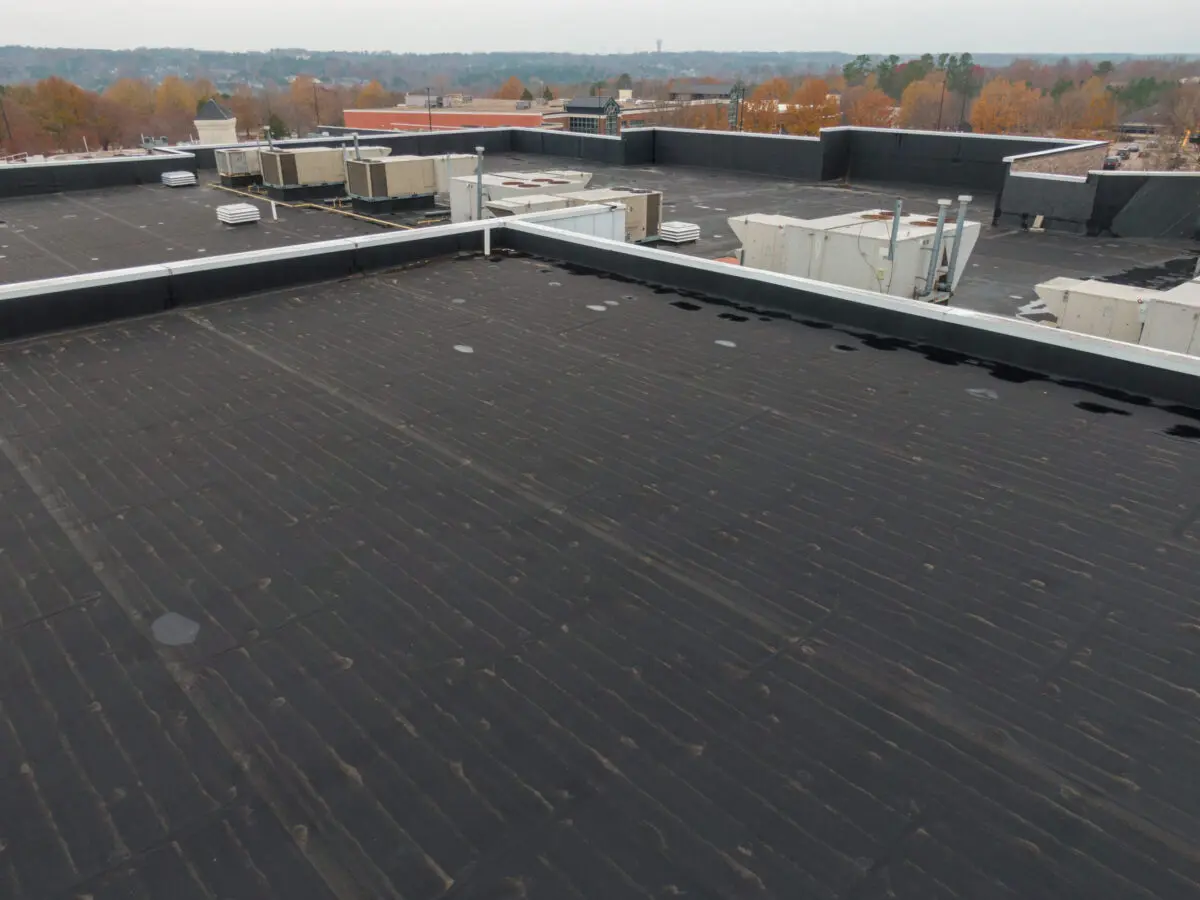
Understanding the types of commercial roofing systems before you sign a contract is one of the most valuable things a building owner or property manager can do. Commercial roofing is not a single product; it’s a category that encompasses fundamentally different materials, installation methods, lifespans, and maintenance profiles. The system that makes sense for a 20,000 square foot warehouse is not the same one that makes sense for a retail strip or a multi-family building. Choosing the right system for your building’s use, climate, and budget is a decision that pays dividends over decades. To see how Badgerland approaches commercial roofing in Wisconsin, that’s a useful starting point.
Here is what this guide covers:
- The main types of commercial roofing systems and what each is suited for
- How each system performs in Wisconsin’s climate
- Lifespan, maintenance, and cost comparisons
- How to choose the right system for your building
- Common questions building owners ask when evaluating commercial roofing systems
What Makes Commercial Roofing Different From Residential
Commercial buildings are predominantly flat or low-slope structures, specifically roofs with a pitch below 2:12. These roofs cannot use steep-slope materials like asphalt shingles because water doesn’t shed by gravity alone. They require systems specifically engineered for flat or low-slope applications that create a continuous, waterproof layer across the full surface and manage water through drains, scuppers, and designed slope.
According to Roofing Contractor magazine’s 2025 Commercial Roofing Trends Report, single-ply membranes are involved in 80 percent of commercial contractors’ work and account for an average of 28 percent of commercial roofing contractor revenue, with TPO leading at 37 percent of primary product categories, followed by PVC at 28 percent and EPDM at 24 percent. This distribution reflects not just contractor preference but what building owners are specifying when they have accurate information about their options.
We’re proud to serve commercial property owners in Middleton, WI, and nearby communities with TPO, EPDM, modified bitumen, and metal commercial roofing systems.
6 Main Types of Commercial Roofing Systems
These are the systems most commonly installed on commercial buildings in Wisconsin, with an honest assessment of where each performs best.
1. TPO (Thermoplastic Polyolefin)
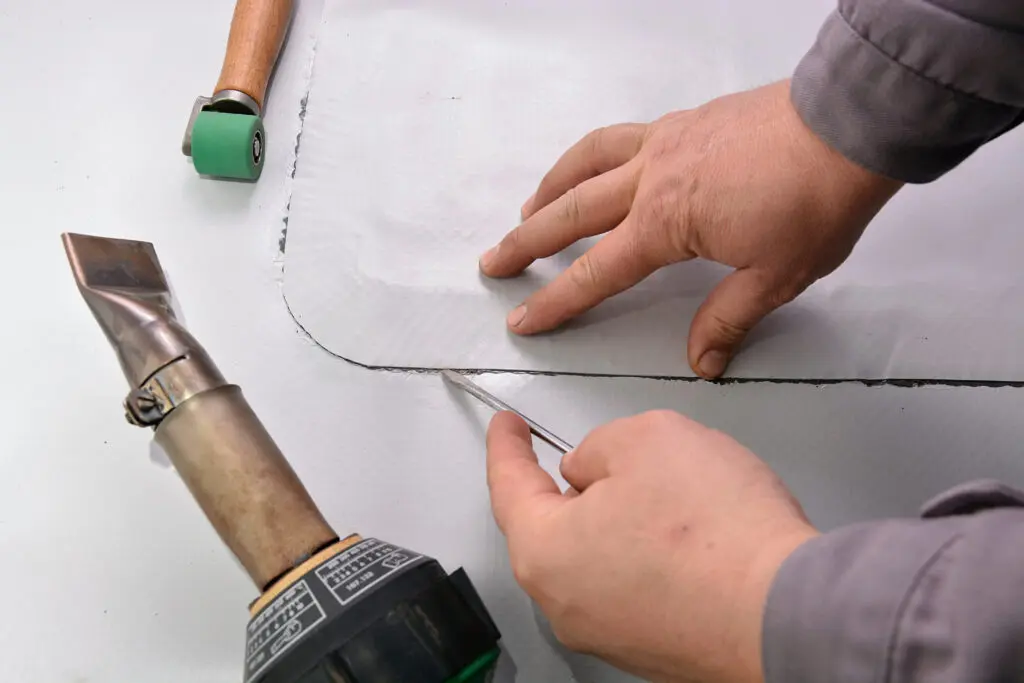
TPO is currently the most widely installed single-ply membrane in commercial roofing and among the most popular commercial roofing materials in new construction. It is a white or light-colored reflective membrane that is heat-welded at seams to create a continuous, waterproof bond. TPO’s combination of energy efficiency, competitive cost, and strong seam performance has made it the dominant choice for new commercial roof types.
- How it’s installed: Rolled across the roof deck and mechanically fastened, fully adhered, or ballasted. Seams are heat-welded using a hot-air gun, creating a bond as strong as the membrane itself when done correctly.
- Performance in Wisconsin: Remains flexible at low temperatures, handles freeze-thaw cycling well, and the reflective white surface reduces cooling loads in warm months. Heat-welded seams resist cold-weather adhesive failure better than EPDM.
- Lifespan: 15 to 30 years depending on membrane thickness, installation quality, and maintenance.
- Best for: Retail, office, warehouse, and industrial roofing requiring energy efficiency and cost-effective single-ply performance.
| TPO | |
| Installed cost per sq ft | $6–$12 |
| Lifespan | 15–30 years |
| Seam method | Heat-welded |
| Energy efficiency | High (reflective surface) |
| Wisconsin suitability | Excellent |
2. EPDM (Ethylene Propylene Diene Monomer)
EPDM is a synthetic rubber membrane and one of the most established commercial roofing materials, having been installed on commercial buildings for over 50 years. Its longevity track record is one of its primary selling points; EPDM installations from the 1970s are still in service. It is typically black, absorbs heat, and uses adhesive-bonded seams.
- How it’s installed: Large sheets installed across the roof deck, fully adhered, mechanically fastened, or ballasted with river rock. Seams bonded using contact cement and seam tape.
- Performance in Wisconsin: Durable in cold climates and handles freeze-thaw cycling well, though adhesive seams can degrade over repeated temperature extremes and require periodic maintenance. The black surface absorbs heat, increasing summer cooling loads.
- Lifespan: 20 to 35 years with proper maintenance; documented installations exceed 40 years.
- Best for: Buildings prioritizing a long track record, experienced contractor availability, and lower upfront cost in moderate debris environments.
| EPDM | |
| Installed cost per sq ft | $5–$10 |
| Lifespan | 20–35 years |
| Seam method | Adhesive bonded |
| Energy efficiency | Moderate (dark surface absorbs heat) |
| Wisconsin suitability | Good |
3. PVC (Polyvinyl Chloride)
PVC is a single-ply membrane with heat-welded seams, like TPO, but with superior chemical and fire resistance. It is commonly specified for restaurants, food processing facilities, and other buildings where chemical exposure or grease exhaust is a concern. PVC is typically more expensive than TPO but performs better in chemically hostile environments.
- How it’s installed: Rolled and heat-welded at seams using a hot-air gun, similar to TPO. Available in white and other reflective colors.
- Performance in Wisconsin: Handles cold temperatures and freeze-thaw cycling well. Superior resistance to oils, grease, and chemicals compared to TPO makes it the preferred specification where chemical exposure is a concern. In standard environments, TPO offers similar performance at a lower cost.
- Lifespan: 20 to 30 years.
- Best for: Restaurants, food processing facilities, buildings with rooftop grease exhaust, or where fire resistance is a code requirement.
| PVC | |
| Installed cost per sq ft | $7–$15 |
| Lifespan | 20–30 years |
| Seam method | Heat-welded |
| Energy efficiency | High (reflective surface) |
| Wisconsin suitability | Excellent (especially chemical environments) |
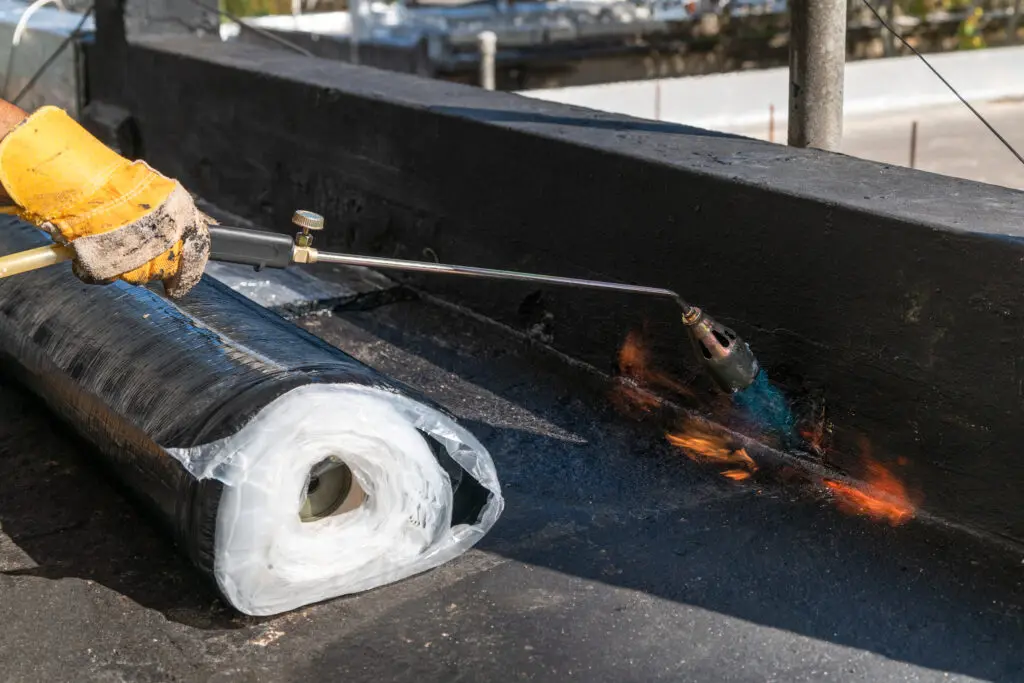
4. Modified Bitumen
Modified bitumen is an asphalt-based system installed in multiple layers, typically using torch-applied or cold-applied methods. It has redundancy built in through its layered construction and is well suited for roofs with heavy foot traffic or mechanical equipment access.
- How it’s installed: Installed in two layers (a base sheet and a cap sheet) using torch-applied heat or cold-applied adhesive. The cap sheet is typically finished with a granular surface for UV protection.
- Performance in Wisconsin: Multi-layer construction provides redundancy that single-ply systems lack. Heavier than membrane systems and requires more skilled installation. Shorter typical lifespan than well-maintained TPO or EPDM.
- Lifespan: 15 to 25 years.
- Best for: Buildings with heavy rooftop traffic, complex rooflines, or existing built-up systems being converted.
| Modified Bitumen | |
| Installed cost per sq ft | $5–$10 |
| Lifespan | 15–25 years |
| Seam method | Heat-fused or adhered |
| Energy efficiency | Moderate |
| Wisconsin suitability | Good |
5. Built-Up Roofing (BUR)
Built-up roofing is one of the oldest commercial roofing systems, consisting of alternating layers of bitumen and reinforcing fabric, topped with aggregate or a cap sheet. BUR systems have largely been replaced by single-ply membranes in new construction but remain on many existing commercial buildings.
- Performance in Wisconsin: Excellent protection through layered redundancy, though installation requires hot-applied asphalt that creates fumes and fire risk. Heavy system that requires adequate structural load capacity.
- Lifespan: 15 to 30 years.
- Best for: Re-roofing over existing BUR systems and buildings where multi-layer redundancy is the primary priority. BUR flat roofs can also support green roofs or vegetative systems when structural capacity allows.
6. Metal Roofing (Low-Slope Applications)
Standing seam metal roofing systems can be used on commercial buildings with slopes as low as 1:12. Metal provides exceptional longevity and strength, handles snow load well, and is increasingly specified for industrial roofing applications where lifespan is prioritized over upfront cost.
- Performance in Wisconsin: Performs exceptionally well. Snow slides off standing seam panels naturally, reducing structural load, and the system handles freeze-thaw cycling without membrane degradation. Expansion and contraction must be accommodated through proper clip and panel design.
- Lifespan: 40 to 70 years with proper maintenance.
- Best for: Warehouses, agricultural buildings, and industrial facilities where maximum lifespan and minimal maintenance are the priority.
| Metal (Standing Seam) | |
| Installed cost per sq ft | $10–$20+ |
| Lifespan | 40–70 years |
| Seam method | Mechanical |
| Energy efficiency | High (reflective coatings available) |
| Wisconsin suitability | Excellent |
How to Choose the Right System for Your Building
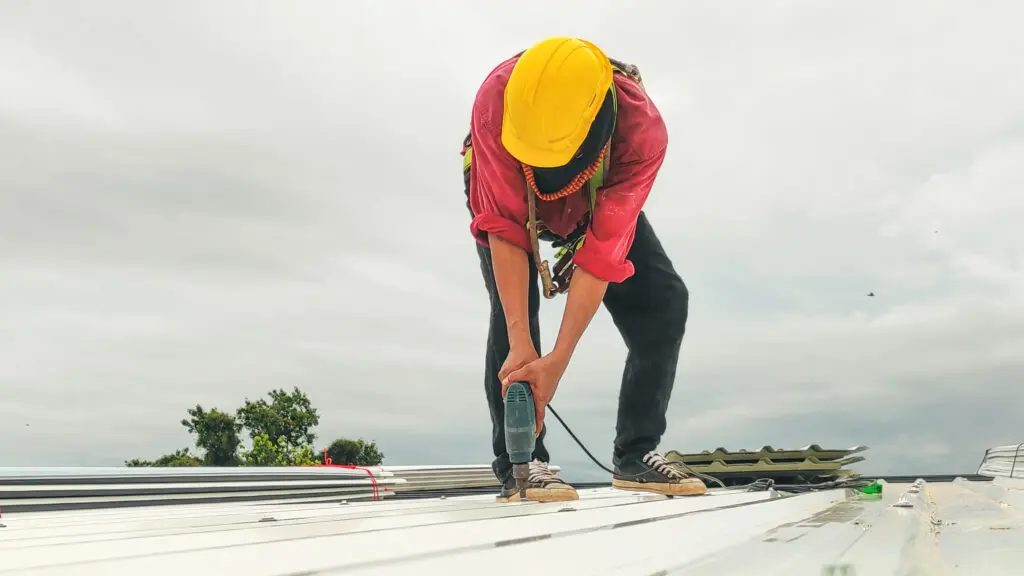
Matching the right commercial roof types to a building requires evaluating several factors that generic comparisons don’t capture.
- Roof slope: Roofs with slope below 2:12 need flat roofing systems. Roofs between 2:12 and 4:12 have additional options. Slope affects drainage design and system selection before anything else.
- Occupancy type: A restaurant with rooftop exhaust has different requirements than an office building. Chemical exposure, foot traffic frequency, and mechanical equipment density all influence the right system.
- Existing system: Re-roofing over an existing system is often possible and reduces cost, but requires assessment of the existing roof’s condition, insulation, and deck capacity.
- Energy goals: TPO and PVC white membranes reduce cooling loads. Metal with reflective coating does the same. If energy efficiency is a priority, roofing materials and system selection should reflect that upfront.
- Budget and holding period: A 25-year PVC system at $10 per square foot may cost less over a 25-year period than a 15-year modified bitumen system at $7 per square foot installed twice. Total cost of ownership is a more useful metric than installation cost alone.
Badgerland Exteriors evaluates all of these factors before recommending a system, and provides written proposals that show the reasoning behind the recommendation rather than just the number.
Frequently Asked Questions About Commercial Roofing Systems
Building owners and property managers evaluating commercial roofing options tend to ask the same questions. Here are direct answers.
Which commercial roofing system lasts the longest?
Metal roofing has the longest documented lifespan at 40 to 70 years. Among membrane systems, EPDM has the longest track record with documented installations exceeding 40 years. TPO and PVC, while newer, are showing strong performance in the 25 to 30-year range with proper maintenance.
What is the most cost-effective commercial roofing system?
TPO is generally considered the best balance of cost, performance, and energy efficiency for most Wisconsin commercial buildings. It has a lower installed cost than PVC, better seam performance than EPDM in cold climates, and a reflective surface that reduces cooling loads. For buildings where lifespan is the primary measure, metal provides the lowest cost per year of service over a 50-year window.
How do I know when to repair versus replace my commercial roof?
A commonly used guideline is that when repair costs exceed 30 percent of replacement cost, replacement is typically the better financial decision. Age relative to expected lifespan, the extent and pattern of damage, and whether the existing system is still performing structurally all factor into this analysis. Badgerland Exteriors provides honest, line-item assessments that help building owners make this decision with accurate information.
Can I install a new commercial roof over my existing one?
In many cases, yes. A new membrane or full roof replacement can be installed over an existing flat roof system if the existing roof is structurally sound, the insulation is dry, and the total assembly meets local building code requirements for weight and R-value. A professional assessment of the existing roof is required before making this determination.
Does Badgerland Exteriors install all of these commercial roofing systems?
Badgerland Exteriors installs TPO and EPDM roofing systems for commercial properties in Middleton and across central Wisconsin, along with commercial roof repair services for existing systems. Free estimates and on-site assessments are available for commercial projects.
Find the Right Commercial Roofing System With Badgerland Exteriors
The right commercial roofing system is the one that matches your building’s specific requirements, your budget, and your long-term ownership goals. Badgerland Exteriors brings the same honest, education-first approach to commercial roofing that we apply across all of our exterior services. Free commercial estimates are available and our team typically responds within 24 to 48 hours of first contact.
Get your free commercial roofing estimate from Badgerland Exteriors today.
Recent Articles
Read the Badger Blog
Let’s Get Started
Fix Your Roof the Badger Way
Got a question? Want to learn more about your options when it comes to caring for your home exterior? Our team is standing by with the information you need to start you roof replacement project today!