How to Choose a Roofing Contractor: 8 Questions to Ask Before You Hire
10 Min Read
POSTED 24.09.2026
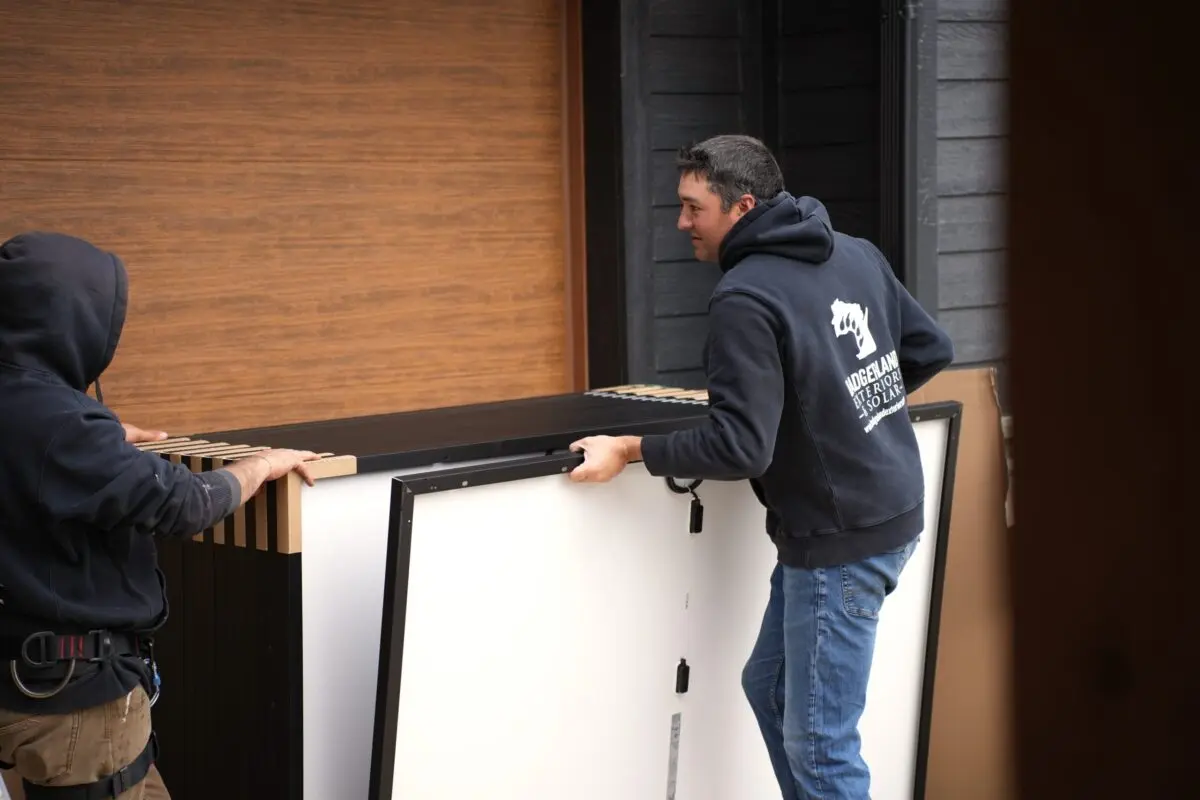
Knowing how to choose a roofing contractor is one of the most financially consequential decisions a homeowner makes. Roofing is expensive, the work is invasive, and the consequences of choosing poorly, including leaks, failed inspections, voided warranties, and disputes over work never completed correctly, can compound for years. The good news is that separating a qualified contractor from an unqualified one is not complicated if you know what to ask. These eight questions cut through the noise and help you find the right roofing contractor for your project. If you want to understand what a thorough roofing process looks like, roof replacement from a contractor who answers all of these honestly is the standard to compare against.
Here is what this guide covers:
- The 8 essential questions to ask any roofing contractor before hiring
- What good and bad answers look like for each
- Red flags that signal a contractor isn’t worth hiring
- How Badgerland Exteriors answers each of these questions
- Common questions homeowners ask when evaluating contractors
Why the Questions You Ask Matter
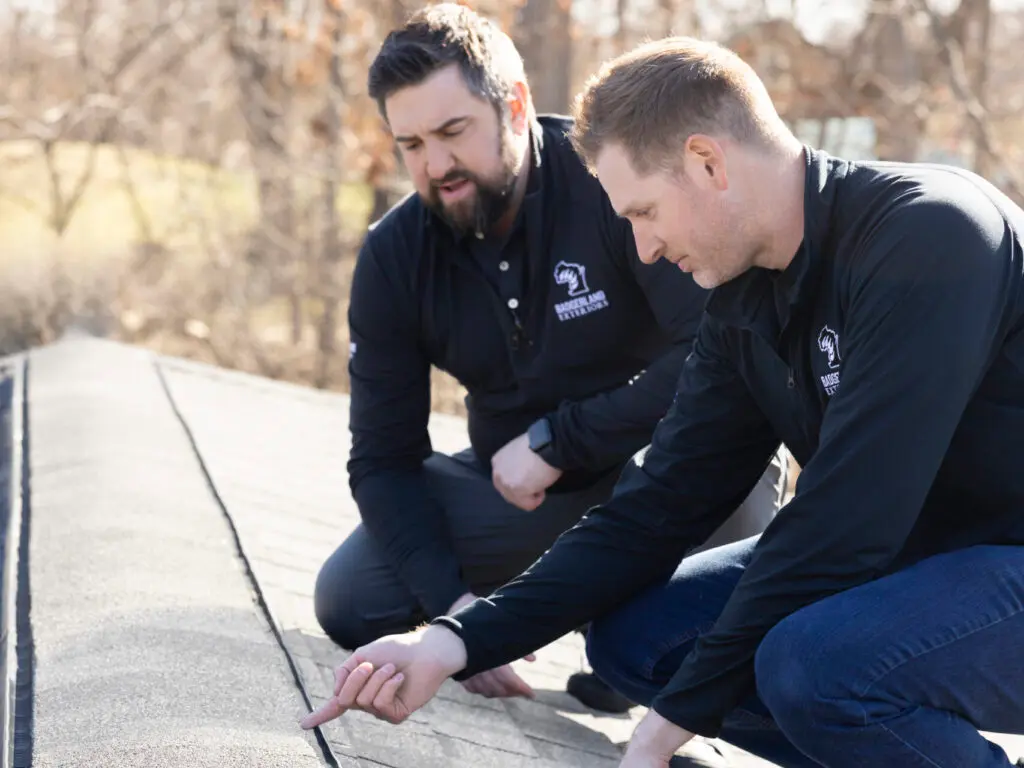
Most homeowners don’t know what separates a good contractor from a bad one until the bad one has already done the work. The time to find out is before the contract is signed, not after the crew has left.
According to the 2026 This Old House Roofing Survey of 1,000 homeowners who recently replaced their roofs, nearly 60 percent described their roof replacement project as urgent or an emergency, and choosing a trustworthy contractor was cited as a top concern by about 30 percent of respondents, together suggesting that most homeowners start the hiring process under pressure without a clear framework for evaluating who they’re hiring. Having these eight questions ready before you make the first call is how you identify a reputable roofing contractor before the contract is signed, not after.
We’re proud to serve homeowners in Verona, WI, and nearby communities with honest roofing estimates, storm damage inspections, and no-pressure consultations.
8 Questions to Ask a Roofing Contractor Before You Hire
These are the questions that separate contractors worth hiring from those worth skipping. Ask all eight. A contractor worth hiring will welcome every one of them.
1. Are You Licensed and Insured in Wisconsin?
This is the non-negotiable starting point. Wisconsin requires a Dwelling Contractor license for exterior work that requires permits. Any legitimate roofing contractor carries both general liability insurance and workers compensation insurance. Ask for the license number and insurance certificates, not just verbal confirmation, and verify them before work begins. Check the contractor’s credentials and certifications from major manufacturers such as GAF or Atlas as an additional quality signal.
- What a good answer looks like: The contractor provides a current license number and offers to send insurance certificates promptly. They may proactively mention the types of coverage they carry.
- Red flag: Reluctance to provide documentation, vague assurances, or inability to provide both general liability and workers’ compensation.
- Badgerland Exteriors answer: Licensed under Wisconsin Dwelling Contractor License 1115179. Fully insured with general liability and workers’ compensation. Certificates available on request.
2. Do You Have Local References From Similar Projects?
References from homeowners in your area who had comparable work done are the most direct evidence of real-world quality. Check recent references and reviews to evaluate customer satisfaction and reliability before committing to any contractor. Ask for references specifically from projects similar to yours, specifically full replacement rather than minor repairs, completed within the past two years. Call those references, real customers who have been through the same process, and ask about communication, timeline adherence, how unexpected issues were handled, and whether the final cost matched the estimate.
- What a good answer looks like: The contractor provides multiple local references without hesitation and encourages you to call them.
- Red flag: References who live out of the area, references only from commercial work when you need residential, or reluctance to provide contact information.
- Badgerland Exteriors answer: We have completed hundreds of roof replacements across central Wisconsin and can provide local references and examples of past work from comparable projects.
3. What Does Your Warranty Cover?
There are two warranties involved in any roof replacement: the manufacturer’s warranty covering materials, and the contractor’s workmanship warranty covering installation. They cover different things. The manufacturer warranty covers defective materials. The workmanship warranty covers installation errors. Many problems with new roofs are installation failures, not material defects, which means a manufacturer warranty alone leaves a significant gap in your insurance coverage for installation-related failures.
- What a good answer looks like: The contractor explains both warranties clearly, specifies the term and what is and isn’t covered, and provides the warranty terms in writing as part of the proposal.
- Red flag: A contractor who only mentions the manufacturer warranty, can’t explain what their workmanship warranty covers, or provides vague terms.
- Badgerland Exteriors answer: 10-year workmanship warranty on full roof replacements. No warranty on roof repairs; an honest policy that reflects the reality of targeted repairs on aging systems.
4. Who Will Be on My Roof?
Some contractors win the job and then subcontract the work to crews they don’t directly employ. This matters because the quality controls the contractor applies to their own employees may not extend to subcontracted labor. Know who is doing the work before you agree to the contract.
- What a good answer looks like: The contractor explains whether they use their own crews or subcontractors, and if subcontractors, how they vet and supervise them.
- Red flag: Evasiveness about who will actually be doing the installation, or a crew that shows up that the homeowner has never been introduced to.
- Badgerland Exteriors answer: Badgerland uses its own crews for installation work. The people on your roof are Badgerland employees.
5. Will You Pull the Required Permit?

Most Wisconsin municipalities require a permit for roof replacement. The permit triggers an inspection that confirms the work meets building code. A contractor who skips the permit is doing so either to avoid the inspection, to save time, or because they’re not properly licensed to pull permits. Any of those reasons should concern you.
- What a good answer looks like: The contractor includes permit costs in the proposal and handles the permit process on your behalf without asking you to pull it yourself.
- Red flag: A contractor who says permits aren’t necessary for roofing work, suggests you pull the permit yourself, or doesn’t include it in the proposal.
- Badgerland Exteriors answer: We pull all required permits as part of the project and include permit costs in the written proposal.
6. Can I See a Detailed Written Proposal?
A written proposal is the best protection for both parties. It should specify the shingle brand and product, underlayment type, ice and water shield coverage, drip edge, flashing details, tear-off and disposal, permit, decking repair policy, ventilation plan, and warranty terms. If a contractor provides a single total number without supporting line items, there’s no shared understanding of what the job includes.
- What a good answer looks like: A line-item written proposal that addresses every component of the roofing system and specifies roofing materials by brand and product name.
- Red flag: A verbal quote or a written total without supporting scope detail, which leaves the door open for hidden fees and scope disputes after work begins.
- Badgerland Exteriors answer: Every estimate is a detailed written proposal with line-item scope. No homeowner signs anything without knowing exactly what’s included and why.
7. How Do You Handle Unexpected Findings During Tear-Off?
Once existing shingles are removed, the condition of the decking becomes visible for the first time. Rotted sheathing, damaged rafters, and compromised decking sections must be replaced before new shingles go down, and those repairs add cost. A reputable contractor discloses this possibility upfront, documents findings before proceeding, and gets authorization before expanding scope.
- What a good answer looks like: The contractor explains their process for handling decking repairs, discloses the possibility upfront, and commits to documenting and seeking authorization before proceeding.
- Red flag: A contractor who doesn’t mention this possibility at all, or who proceeds with additional work without authorization.
- Badgerland Exteriors answer: We disclose the possibility of decking repairs in every estimate, document any findings after tear-off before proceeding, and require homeowner authorization before expanding scope. This documentation also supports any related insurance claim if storm damage is involved.
8. What Is Your Payment Schedule?
Legitimate roofing contractors don’t require full payment before work begins. A reasonable payment schedule might include a deposit at contract signing, a progress payment at a defined milestone, and final payment upon completion. Requiring 100 percent upfront is a significant red flag.
- What a good answer looks like: A defined payment schedule tied to project milestones, with the majority of payment due at or after completion.
- Red flag: Demand for full payment before any work begins, or a request for cash only.
- Badgerland Exteriors answer: We use a reasonable payment schedule tied to project milestones. We do not require full payment upfront.
Red Flags to Watch for Beyond the Questions
- Storm chasers: Contractors who appear in your neighborhood after a major weather event and pressure you to sign quickly. A legitimate local roofing company doesn’t need high-pressure tactics.
- Unusually low bids: A bid significantly below all others usually reflects scope cuts, inferior materials, or an uninsured crew rather than quality work done more efficiently. The gap costs more to fix than it saves upfront.
- No physical local address: A contractor with no verifiable local address, business history, or signs of financial stability has no local accountability. Search the business name and owner before engaging.
- Pressure to sign today: Any contractor who won’t give you time to review the proposal and compare quotes is telling you something worth listening to.
Frequently Asked Questions About Choosing a Roofing Contractor
Homeowners evaluating roofing contractors tend to ask the same questions. Here are direct answers.
How many roofing quotes should I get?
Getting multiple estimates, specifically two to three from professional contractors, is a reasonable range. Getting more than three rarely changes the outcome and can extend an already stressful process. More useful than volume is comparing what each quote actually includes: line items, materials specified, and warranty terms, rather than just totals.
Should I choose the lowest bid?
Not automatically. A lower bid may reflect scope cuts, inferior materials, or uninsured labor. Compare the written scope of each proposal, not just the number. When you review bids, a quote significantly below others warrants specific questions about what’s different in the scope.
How do I verify a Wisconsin roofing contractor’s license?
The Wisconsin Department of Safety and Professional Services maintains an online license verification portal where you can confirm that a contractor’s Dwelling Contractor license is current and valid. Search by license number or business name before signing any agreement.
Can I trust online reviews?
Check Google reviews for authentic customer experiences, but treat them as a starting point rather than a complete picture. A contractor with hundreds of reviews over several years is harder to fake than one with a few recent five-star reviews. Look for patterns in what reviewers mention, such as communication, timeline, and final cost vs. estimate, rather than just the star average.
What should I do if I’m not satisfied with the work after completion?
Start by documenting the issue in writing and contacting the contractor directly. Most legitimate contractors will address workmanship issues within their warranty period. If the contractor is unresponsive, the Wisconsin Department of Safety and Professional Services handles complaints against licensed contractors. The Better Business Bureau is another resource for documented disputes.
Hire With Confidence: Badgerland Exteriors Answers Every One of These
Badgerland Exteriors was founded on the principle that educated homeowners make better decisions, and that contractors who can answer these questions honestly don’t need high-pressure sales tactics. We’ve been helping Verona and central Wisconsin homeowners find the right roofing solution since 2009 with free estimates, free storm damage inspections, and a no-pressure approach from first contact to final payment.
Schedule your free roofing estimate from Badgerland Exteriors today.
Recent Articles
Read the Badger Blog
Let’s Get Started
Fix Your Roof the Badger Way
Got a question? Want to learn more about your options when it comes to caring for your home exterior? Our team is standing by with the information you need to start you roof replacement project today!