6 Common Wind Damage Roof Repair Issues After Strong Storms
6 Min Read
POSTED 28.04.2026
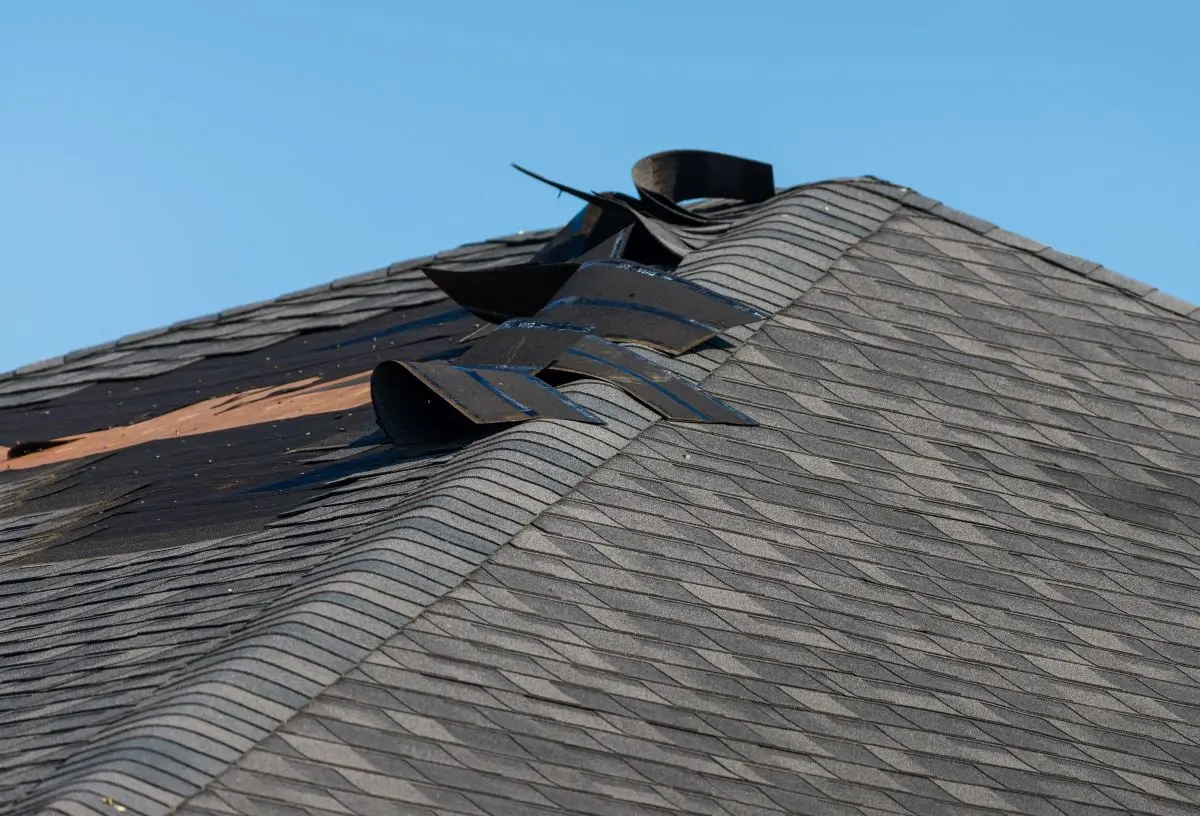
After severe weather passes, many homeowners assume their roof is fine if there are no large debris piles in the yard. However, wind damage roof repair is often necessary even when problems are not immediately visible. In Brookfield, WI, high winds during strong storm systems can lift shingles, loosen flashing, and weaken structural components without tearing the roof apart completely. Even minor roof damage can lead to leaks and costly repairs if left unaddressed.
Before dismissing storm damage, keep these important points in mind:
- Wind damage is not always obvious: Shingles can lift without falling off.
- Small issues grow quickly: Minor separation can turn into interior water damage.
- Early repairs reduce long term costs: Prompt action helps avoid larger structural problems.
We’re proud to serve homeowners in Brookfield, WI and surrounding communities with professional inspections, storm assessments, and dependable repair wind damage solutions.
How High Winds Damage a Roofing System

High winds create pressure that pulls upward on roofing materials. As gusts move across your roof, they can break adhesive seals and loosen fasteners that hold shingles in place. Even if shingles settle back down, their wind resistance is often permanently reduced.
Over time, this type of roof damage compromises the integrity of the entire roofing system. Once wind penetrates beneath a loosened shingle, it can expose underlayment and eventually affect the roof deck. Roofing professionals can identify hidden problems that may not be visible from the ground, ensuring that all damage is addressed before it leads to more significant issues.
6 Common Wind Damage Roof Repair Issues
Below are some of the most frequent problems roofing contractors see after storms involving high winds.
1. Lifted or Creased Shingles
Strong gusts often bend shingles upward, creating visible creases.
- Broken adhesive strips: Reduced resistance during future storms.
- Permanent folds: Structural weakening of roofing materials.
Lifted shingles rarely reseal properly and typically require repair wind damage services.
2. Missing Shingles
Severe wind can tear shingles away completely.
- Exposed underlayment: Increased risk of water intrusion.
- Open nail holes: Direct pathways for moisture.
Missing shingles demand prompt attention to prevent further roof damage.
3. Damaged Flashing
Flashing protects vulnerable roof transitions.
- Loose metal sections: Gaps near chimneys or vents.
- Bent flashing edges: Compromised waterproofing.
Flashing failure often leads to interior leaks if not corrected quickly.
4. Ridge Cap Displacement
Ridge caps sit at the highest point of the roof and experience intense wind pressure.
- Shifted ridge shingles: Reduced peak protection.
- Cracked ridge materials: Exposure along the roofline.
Because ridge areas are highly exposed, damage here can spread quickly.
5. Granule Loss
High winds can dislodge protective shingle granules even without hail.
- Bare asphalt spots: Reduced UV protection.
- Granule buildup in gutters: Accelerated material aging.
Granule loss shortens the lifespan of asphalt roofing materials.
6. Gutter and Edge Damage
Wind frequently affects roof edges and drainage systems.
- Detached gutter sections: Improper water diversion.
- Bent drip edge metal: Water may slip beneath shingles.
Edge damage can contribute to moisture problems around fascia boards.
What to Do After a Wind Storm
Taking the right steps after severe weather can limit long term damage. According to the Insurance Information Institute, about one in 36 insured homes has a property damage claim related to wind or hail — making it the single most common reason homeowners file a claim, which is why thorough documentation matters.
- Inspect from the ground: Look for missing shingles or visible debris.
- Check attic spaces: Watch for leaks or daylight penetration.
- Document everything carefully: Homeowners should take detailed photographs of any visible damage, including missing shingles, leaks, and structural issues, as accurate documentation is key for insurance claims.
- Contact your insurance company: Begin the insurance claim process promptly.
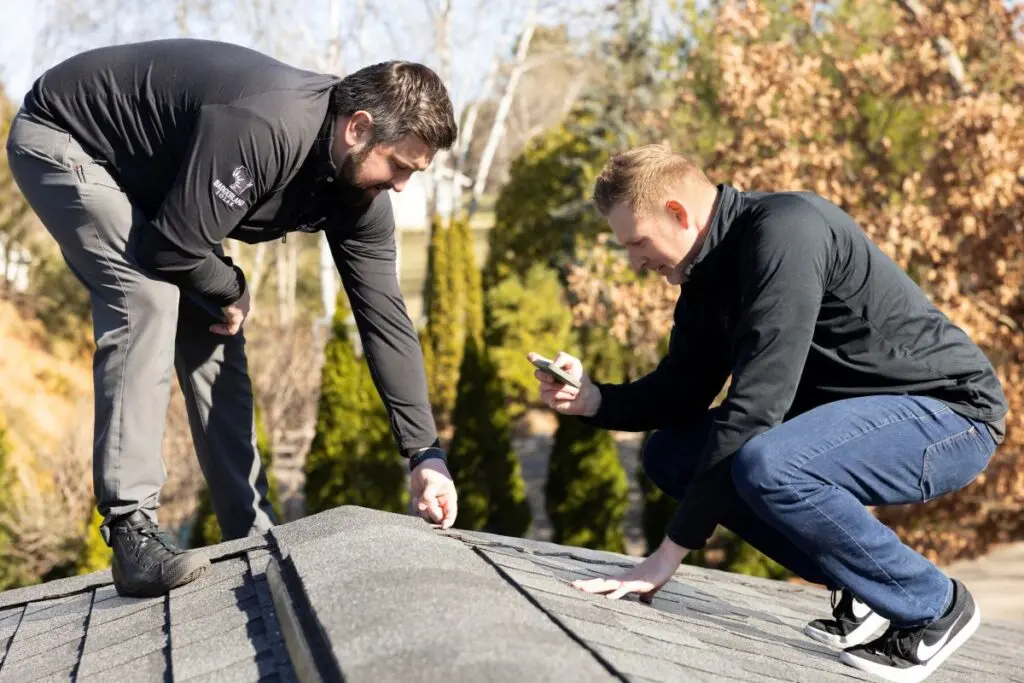
- Schedule a professional inspection: Roofing contractors can assess hidden wind damage safely.
Proper documentation and a timely insurance claim help streamline the repair process.
Preventing Wind Damage in the Future
While storms cannot be avoided, homeowners can reduce risk by taking preventative measures.
- Schedule regular roof inspections: Identify loose shingles before storm season.
- Upgrade to impact resistant shingles: Stronger roofing materials offer improved wind resistance.
- Secure flashing and ridge caps: Reinforce vulnerable transition points.
- Maintain gutters and drainage systems: Prevent water backup during storms.
- Trim nearby tree branches: Reduce risk from falling debris during high winds.
Proactive maintenance helps minimize the need for extensive repair wind damage services.
Repair or Replace After Wind Damage?
Not every storm requires a full roof replacement. The decision depends on severity, age of the roofing materials, and the extent of structural impact.
Repairs may be sufficient when:
- Damage is localized: Limited to small sections.
- Roof is relatively new: Materials remain structurally sound.
- Decking remains intact: No widespread structural compromise.
Replacement may be recommended when:
- Large sections are affected: Widespread roof damage exists.
- Roof is near end of lifespan: Aging materials vulnerable to future storms.
- Structural components are compromised: Roof deck shows significant weakness.
A professional evaluation ensures the correct solution is chosen.
Frequently Asked Questions About Wind Damage Roof Repair
Homeowners often have concerns following strong storms.
How can I tell if high winds damaged my roof?
Look for lifted, creased, or missing shingles, bent flashing, and granule buildup in gutters. A professional inspection is the safest way to confirm hidden roof damage.
Should I file an insurance claim for wind damage?
If significant damage is present, filing an insurance claim may be appropriate. Accurate documentation and a contractor inspection help support the process.
Can small wind damage turn into larger problems?
Yes. Even minor shingle lifting can allow water infiltration, leading to interior damage over time.
How soon should repairs be completed?
Repairs should be scheduled promptly to prevent worsening roof damage and escalating repair costs.
Why Homeowners Trust Badgerland Exteriors
Badgerland Exteriors provides thorough inspections and professional wind damage roof repair services designed to protect homes after severe storms. Our experienced roofing contractors evaluate shingles, flashing, ridge caps, and structural components to identify both visible and hidden roof damage. Whether you need minor roof repairs or more extensive restoration after high winds, we focus on durable solutions and dependable workmanship. Contact Badgerland Exteriors today to schedule your roof inspection in Brookfield, WI or nearby communities.
Recent Articles
Read the Badger Blog
Let’s Get Started
Fix Your Roof the Badger Way
Got a question? Want to learn more about your options when it comes to caring for your home exterior? Our team is standing by with the information you need to start you roof replacement project today!