Attic Condensation: The Hidden Winter Threat to Your Roof
9 Min Read
POSTED 26.11.2026
Attic condensation is one of the most destructive and least visible winter problems a Wisconsin home can experience. While ice dams and frozen gutters announce themselves clearly, attic condensation builds up silently through the coldest months, soaking roof sheathing, saturating insulation, and creating the perfect conditions for mold growth and premature shingle failure. By the time most homeowners notice the symptoms, significant damage has often already occurred. Understanding what causes attic condensation, how to spot it early, and how to address the underlying issues protects both your roof and your home’s air quality. If you suspect attic condensation on your home, roof ventilation services from a contractor who understands the moisture-management side of roofing is the right starting point.
Here is what this guide covers:
- What attic condensation actually is and why it matters
- The 5 warning signs of attic condensation in Wisconsin homes
- The underlying causes you need to address
- How to fix attic condensation the right way
- What happens if you ignore the problem
- Common questions Wisconsin homeowners ask about attic condensation
What Attic Condensation Is

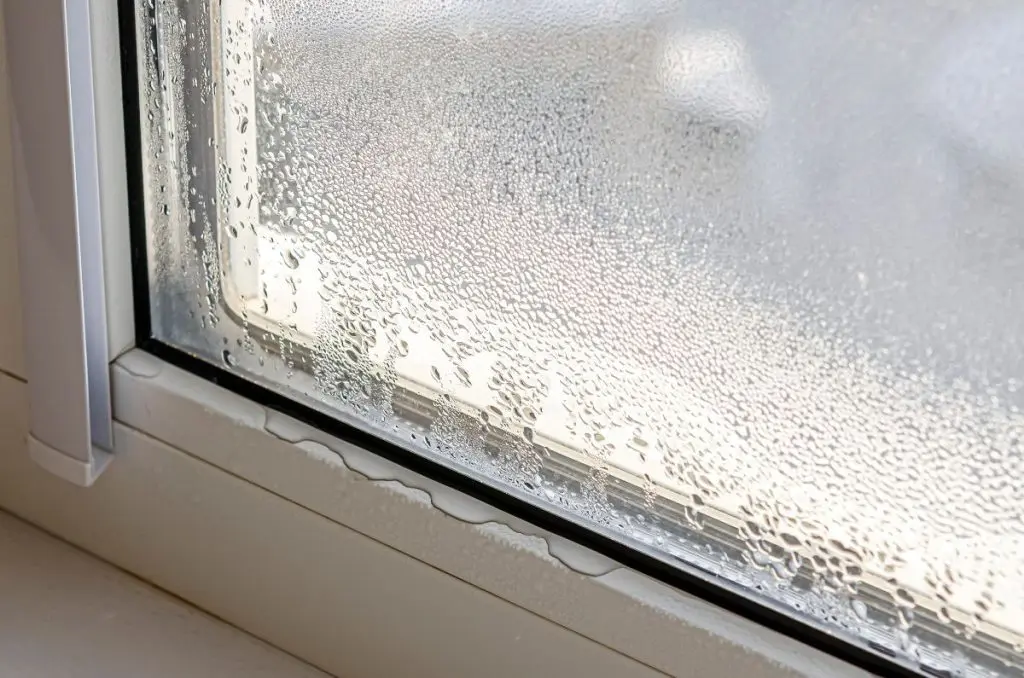
Attic condensation forms when excess moisture in warm, moist air from your living space rises into a cold attic and contacts cold surfaces like the underside of the roof deck. That attic moisture then collects on wood, insulation, and other surfaces, where it causes damage over time. The moisture in that air condenses on cold wood, insulation, or other surfaces, exactly like water beading on a cold drink glass in summer. In the dead of a Wisconsin winter, when outdoor temperatures drop well below freezing and the roof deck sits right at outdoor temperature, condensation on attic surfaces can build up night after night without your ever being aware of it.
According to the Environmental Protection Agency, keeping indoor relative humidity below 60 percent, and ideally between 30 and 50 percent, is essential for controlling moisture and condensation in the home, and condensation is often a sign that indoor humidity is too high. For Wisconsin homeowners, that guidance translates directly to attic condensation prevention: controlling the moisture that leaves your living space is the foundation of controlling what happens in your attic.
We’re proud to serve homeowners in DeForest and Windsor, WI, and nearby communities with roof inspections, ventilation assessments, storm damage evaluations, and free on-site assessments.
5 Warning Signs of Attic Condensation
Catching attic condensation early prevents the cascade of damage that develops when the problem goes unaddressed through multiple winters. These are the most reliable warning signs.
1. Frost or Water Droplets on the Roof Deck
The clearest sign of active condensation is visible frost on the underside of the roof sheathing during cold weather or water droplets after a brief thaw. Both indicate that moisture from inside the home is reaching the attic and condensing on the cold roof deck.
- Where to check: Underside of roof sheathing near the ridge and along rafters, inspect on a cold day before any thaw
- What it tells you: Warm, moist air is reaching the attic and condensing immediately on cold surfaces
- Severity indicator: The more widespread the frost, the worse the condensation problem
- Time to act: Immediate; condensation left unaddressed leads to mold within weeks
2. Dark Staining on Roof Sheathing
Dark patches on the underside of the roof deck indicate that moisture has been present long enough to begin biological growth or wood discoloration. These stains often appear in specific patterns that reveal where air is leaking from below.
- Where to check: Underside of roof sheathing, especially above bathrooms, kitchens, and laundry rooms
- What it tells you: Repeated condensation has occurred over time, likely across multiple winters
- Severity indicator: Darker and more widespread staining indicates longer-term problems
- Time to act: Soon; untreated stains often progress to mold
3. Wet, Compressed, or Discolored Insulation
Insulation that has gotten wet from condensation loses its R-value and compacts in ways that further reduce performance. Wet insulation also provides the organic material that mold needs to thrive once established.
- Where to check: Walk through the attic and look for areas of insulation that appear compressed, discolored, or visibly damp
- What it tells you: Condensation has dripped from the roof deck onto the insulation below
- Severity indicator: Large areas of wet insulation indicate chronic condensation problems
- Time to act: Quickly; wet insulation needs to be replaced after the moisture source is fixed
4. Mold or Mildew Smells in the House
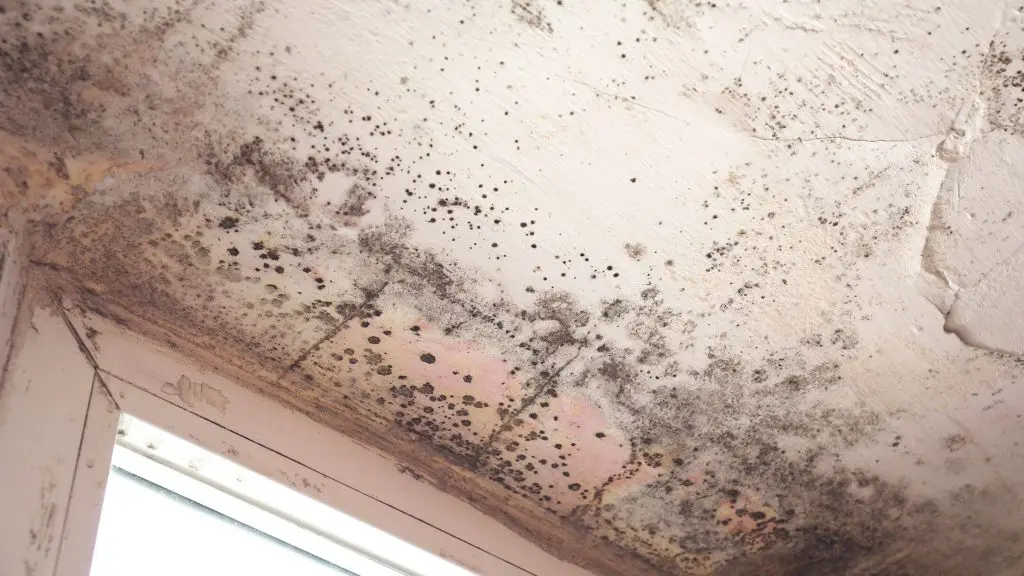
The musty smell of mold often reaches living spaces before any visible growth is apparent. This odor is a late-stage warning sign that condensation has been active long enough for biological growth to establish.
- Where to check: Upper floor rooms, especially those directly below the attic
- What it tells you: Mold growth has established somewhere in the attic
- Severity indicator: Persistent odors indicate established growth that may require professional remediation
- Time to act: Immediately; mold issues get more expensive to fix the longer they’re left
5. Interior Ceiling Stains That Aren’t From Leaks
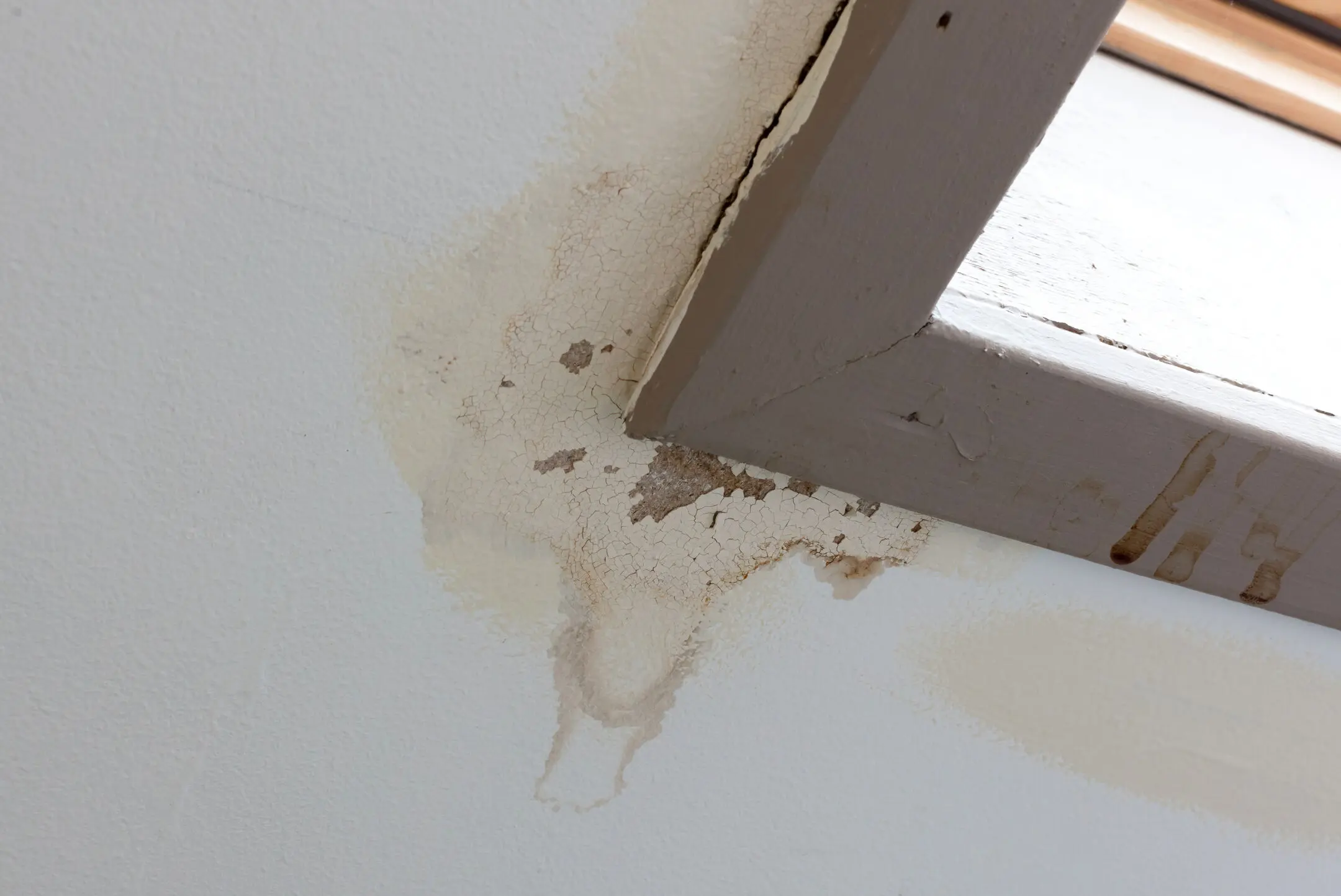
Water staining on upper floor ceilings that doesn’t correspond to roof leaks is often attic condensation that has dripped from above. These stains tend to appear in patterns across the ceiling rather than concentrated at one spot.
- Where to check: Upper floor ceilings, especially in rooms below areas with poor attic ventilation
- What it tells you: Condensation has saturated insulation and is dripping through to the ceiling
- Severity indicator: Multiple stain areas indicate widespread problems
- Time to act: Immediately; this level of staining means significant hidden damage
What Causes Attic Condensation
Identifying the root cause is essential for a lasting fix. Most Wisconsin attic condensation problems trace back to one or more of these specific issues.
- Warm indoor air leaking into the attic: Unsealed gaps around recessed lights, plumbing penetrations, electrical boxes, and attic hatches let moist air escape upward
- Bath fans and exhaust vents routed into the attic: Rather than to the outside, bath fans and other exhaust vents dumping humid air into the attic is a leading cause
- Kitchen range hoods vented improperly: Similar issue to bath fans; venting cooking moisture into the attic is a major problem
- Clothes dryers vented through the attic: Dryer exhaust contains large volumes of moisture that condense immediately in cold attics
- Inadequate attic ventilation: Without proper air circulation, moisture buildup has nowhere to go once it reaches the attic
- Indoor humidity levels above 60 percent: High humidity throughout the home provides more moisture to leak upward
- Unvented plumbing fixtures: Toilets, sinks, and other moisture sources without proper venting contribute to humidity issues
How to Fix Attic Condensation the Right Way
Addressing attic condensation requires solving the moisture problem at its source, not just treating symptoms. Here’s the proper approach.
- Air seal the attic floor first: Sealing every gap and penetration between the living space and attic acts as a vapor barrier that stops warm moist air from entering
- Verify all exhaust fans vent to the exterior: Bathroom, kitchen, and dryer exhausts must terminate outside the home, not in the attic
- Reduce indoor humidity to 30 to 50 percent: Use dehumidifiers, bathroom fans, and kitchen ventilation to control moisture at the source
- Add or verify attic ventilation: Proper ventilation with balanced soffit intake and ridge or gable exhaust lets moist air escape when it does enter the attic
- Add or upgrade attic insulation: Proper R-49 to R-60 insulation reduces heat loss that drives convective air movement from the living space
- Repair damaged roof components: Address any shingles, flashing, or ventilation issues that may be contributing
- Remove and replace damaged materials: Wet insulation and mold-affected materials need to be removed and replaced after moisture sources are fixed
What Happens if You Ignore Attic Condensation
Letting attic condensation continue through multiple winters creates a cascade of expensive damage that gets worse each year.
- Roof deck rot: Saturated sheathing loses structural integrity and may require replacement during your next roof project
- Premature shingle failure: Moisture trapped between the roof deck and shingles accelerates shingle aging from below
- Mold and mildew growth: Established mold can affect indoor air quality and require professional remediation
- Ice dam formation: The same conditions that cause condensation often drive ice dam formation
- Reduced insulation effectiveness: Wet insulation loses R-value, increasing heating bills throughout the winter
- Higher energy bills: Compromised insulation and poor attic performance reduce overall energy efficiency and increase heating costs
- Interior drywall damage: Water dripping from the attic damages ceilings and upper walls below
Frequently Asked Questions About Attic Condensation
Wisconsin homeowners dealing with attic moisture issues tend to ask the same questions. Here are direct answers.
How can I tell if my attic has condensation or a roof leak?
Condensation tends to appear widespread across the roof deck, particularly on cold days, while leaks tend to concentrate at specific points like flashing failures or damaged shingles. Both can produce ceiling staining, but condensation patterns are typically broader and less tied to specific weather events. A professional inspection can confirm the actual cause.
Is attic condensation common in Wisconsin homes?
Yes, more common than most homeowners realize. Wisconsin’s cold winters create the exact temperature differential between indoor and outdoor air that drives condensation, and many older homes have air leakage, insufficient insulation, or inadequate ventilation that contribute to the problem. A significant portion of Wisconsin homes experience some level of attic condensation during the coldest weeks.
Can I fix attic condensation myself?
Simple fixes like air sealing small gaps and ensuring bath fans vent outside are reasonable DIY projects. More complex fixes like ventilation improvements, insulation upgrades, and remediation of mold-affected materials typically require professional expertise. If you see established mold or widespread sheathing staining, professional assessment is the right starting point.
Does insurance cover attic condensation damage?
Usually not. Condensation damage is typically classified as a gradual problem rather than sudden accidental damage, which places it outside the coverage of most homeowners policies. Some policies specifically exclude damage from indoor humidity and moisture. This is one reason addressing condensation early is critical, before it creates significant structural issues.
Does Badgerland Exteriors assess attic condensation during roof inspections?
Yes. Every Badgerland roof inspection includes an assessment of attic conditions, including signs of condensation, ventilation performance, insulation quality, and any evidence of moisture problems. We provide written documentation of findings and honest recommendations about what needs to be addressed and in what order.
Protect Your Attic and Roof With Badgerland Exteriors
Attic condensation is one of the hidden threats that can quietly damage your Wisconsin home through multiple winters before anyone notices. Addressing it properly protects both your roof investment and your indoor air quality. Badgerland Exteriors has been helping DeForest and Windsor homeowners and their neighbors across central Wisconsin diagnose and address attic moisture problems since 2009, with free inspections, honest assessments, and the coordinated expertise multifamily and residential work requires.
Let’s Get Started
Fix Your Roof the Badger Way
Got a question? Want to learn more about your options when it comes to caring for your home exterior? Our team is standing by with the information you need to start you roof replacement project today!