Icicles on Your Roof? Here’s What They’re Really Telling You
9 Min Read
POSTED 25.11.2026
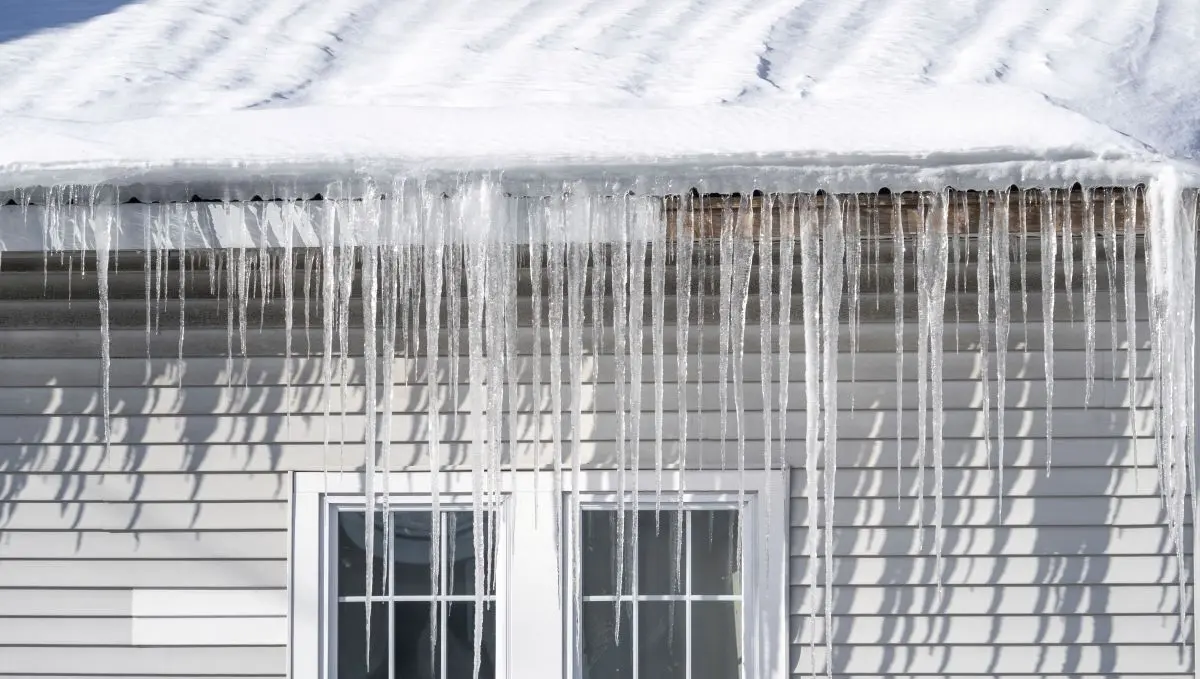
Icicles on roof eaves are one of the most common winter sights in Wisconsin, and they’re rarely just a decorative inconvenience; they’re a visible signal that something specific is happening on your home that may or may not be a problem. Small icicles on a sunny afternoon are normal and harmless. Large, thick icicles that keep growing week after week are telling you something important about your attic, your insulation, and the health of your roofing system. Understanding what icicles are communicating helps Wisconsin homeowners know when to act and when to let them melt on their own. If your icicles come with interior water staining or any signs of ice dam damage, ice dam damage assessments from a contractor who understands cold-climate roofing is the right next step.
Here is what this guide covers:
- What icicles are actually telling you about your home
- The 5 messages roof icicles are sending
- When icicles are normal (and when they’re a warning)
- How to address the underlying causes
- What not to do about icicles
- Common questions Wisconsin homeowners ask about roof icicles
What Icicles Actually Mean
Icicles form when snow on the roof melts, flows down the roof surface, and refreezes when it hits the colder eaves where there’s no heat loss from below. That simple physics tells you something specific: somewhere on your roof, snow is melting faster than the eaves can handle. Whether that’s a problem depends on how much melting is happening and where.
According to Bob Schultheis, retired University of Missouri Extension natural resource engineering specialist, unwanted icicles hanging from the roof overhang are a warning sign of ice dams, which are caused by nonuniform roof temperatures when warm air from inside the house leaks into the unheated attic and creates warm areas on the roof. That principle applies the same way in Wisconsin as it does in Missouri: the icicles are a visible symptom of an attic that’s letting too much heat escape.
We’re proud to serve homeowners in Waunakee, WI, and nearby communities with roof inspections, storm damage assessments, and free on-site evaluations.
5 Messages Your Roof Icicles Are Sending
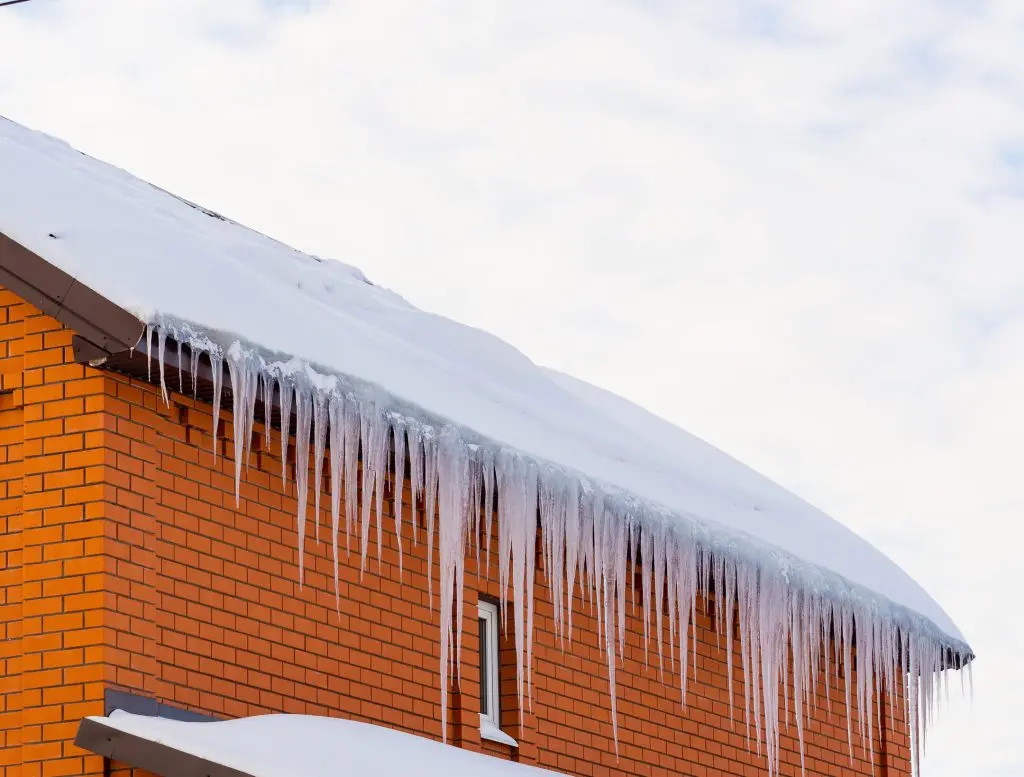
Icicles are a form of communication from your home. Reading them correctly tells you what action, if any, is warranted.
1. Your Attic Is Losing Heat
The most common message icicles send is that heat is escaping from your living space into the attic, warming the roof deck, and melting snow. This is the single biggest cause of persistent icicles on Wisconsin homes.
- Where to check: Attic insulation depth, air sealing at ceiling penetrations, attic hatch weatherstripping
- What’s the fix: Air sealing first, then adding insulation to reach R-49 to R-60 for Wisconsin’s Climate Zone 6
- Signs of this cause: Icicles grow larger each day, form on cold cloudy days, and reappear even after removal
- Why it matters: Heat loss drives both icicle formation and higher heating bills
2. Your Gutters May Be Clogged
Blocked gutters contribute to icicle formation by preventing meltwater from draining off the roof. Water pools in the gutter, freezes, and builds ice behind which more water accumulates.
- Where to check: Gutters filled with leaves, pine needles, or debris from fall
- What’s the fix: Clear gutters and downspouts before the first hard freeze each winter
- Signs of this cause: Icicles concentrated near downspouts or specific sections of gutter
- Why it matters: Clogged gutters also contribute to ice dam formation and water infiltration
3. Your Attic Ventilation Is Inadequate
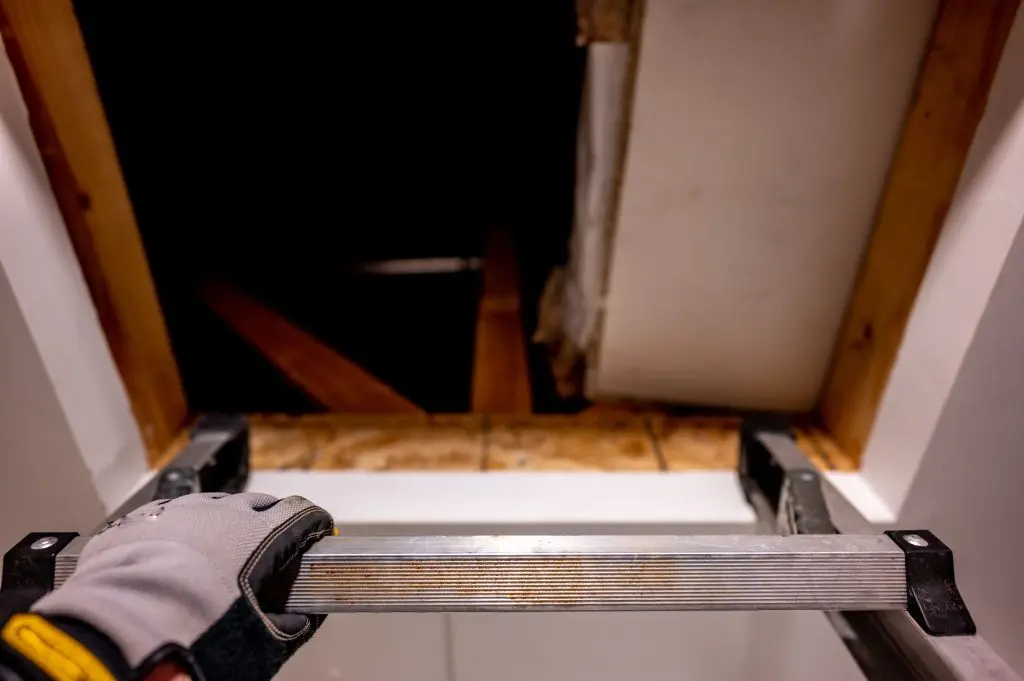
Proper attic ventilation keeps the roof deck cold by allowing outdoor air to circulate through the attic. When ventilation fails, heat gets trapped and melts snow unevenly.
- Where to check: Soffit vents blocked by insulation, ridge vents obstructed by debris
- What’s the fix: Install baffles to maintain soffit airflow, clear or add ridge or gable vents as needed
- Signs of this cause: Attic feels warm in winter, condensation on attic surfaces, inconsistent icicle patterns
- Why it matters: Ventilation works together with insulation and air sealing to prevent ice dams
4. Your Home Has Localized Heat Leaks
Icicles clustered in specific areas rather than spread evenly along the eaves often indicate localized heat leaks, like uninsulated recessed lights, chimney chase openings, or warm air from bathroom vents dumping into the attic.
- Where to check: Specific areas where icicles are worst, then map to what’s below that section of roof
- What’s the fix: Air seal the specific heat leak with appropriate caulk, spray foam, or weatherstripping
- Signs of this cause: Icicles concentrated in patterns rather than uniform across the roof edge
- Why it matters: Localized fixes often resolve persistent icicle problems that insulation upgrades alone don’t address
5. An Ice Dam May Already Be Forming
The most consequential message icicles can send is that an ice dam is already forming or has formed. Thick icicles with visible ice buildup behind them at the roof edge indicate a dam that’s actively trapping water.
- Where to check: Look at the roof edge directly above the icicles for ice buildup or ridges
- What’s the fix: Address the dam itself, then address the underlying cause of heat loss
- Signs of this cause: Icicles behind the gutter line, water staining on interior ceilings, ice ridges on the roof edge
- Why it matters: Ice dams cause interior water damage that insurance may or may not cover
When Icicles Are Normal (and When They’re a Warning)
Not every icicle demands action. Understanding the difference between normal winter icicles and warning signs saves Wisconsin homeowners time and money.
- Normal: Small icicles on sunny afternoons when temperatures rise above freezing briefly
- Normal: South-facing eaves in direct winter sunlight
- Normal: Occasional small icicles after a warm stretch melts some snow
- Warning: Large, thick icicles that keep growing week after week
- Warning: Icicles that reach from the roof edge to the ground
- Warning: Icicles clustered near entrances or walkways (safety hazard plus heat leak indicator)
- Warning: Ice buildup visible on the roof edge behind the icicles
- Warning: Icicles still growing on cloudy or cold days when the sun isn’t melting snow
- Warning: Interior water staining near the roofline or on upper floor ceilings
How to Address the Underlying Causes
Addressing icicles productively means addressing why they’re forming, not just removing them when they appear.
- Air seal first: Sealing ceiling penetrations stops warm air from escaping into the attic
- Add insulation to R-49 to R-60: Wisconsin’s Climate Zone 6 requires more insulation than most states
- Verify ventilation: Both soffit intake and ridge or gable exhaust need to work together
- Clean gutters: Clear debris before the first freeze each winter
- Address specific heat leaks: Recessed lights, attic hatches, chimney chases, and bath vents are common culprits
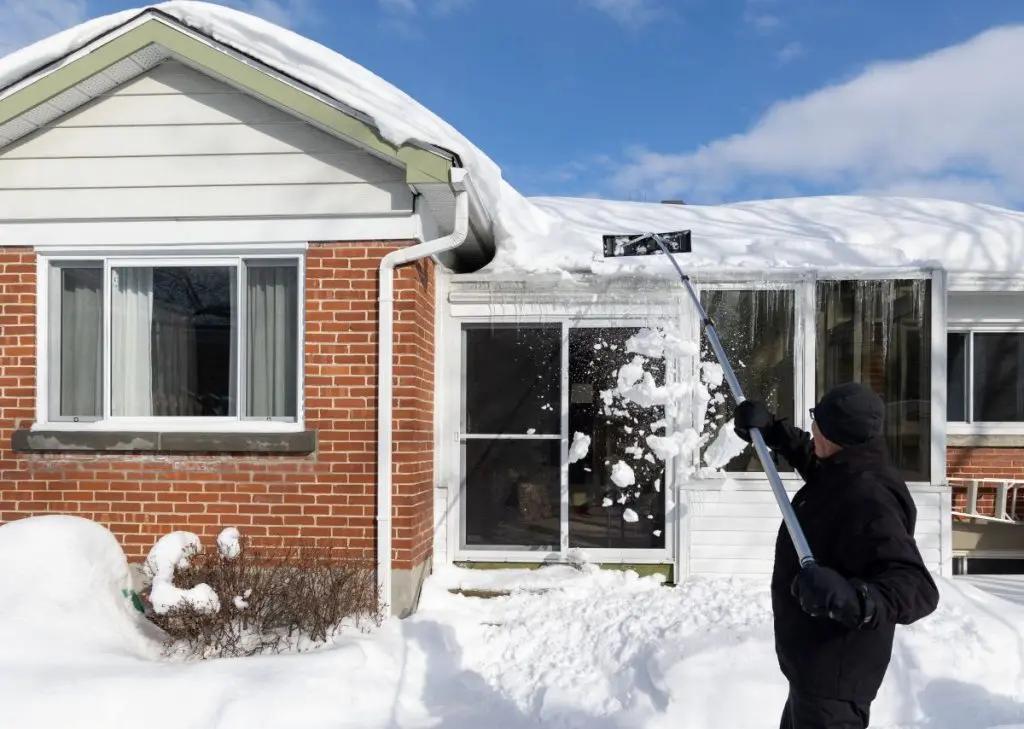
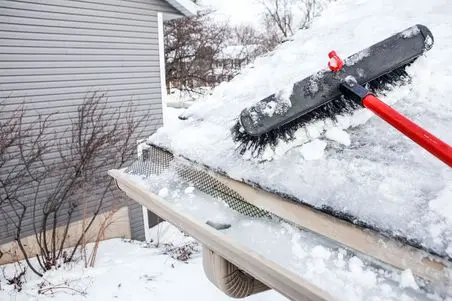
- Use a roof rake after heavy snowfall: Clearing the lower 3 to 4 feet of roof prevents ice dam formation
- Schedule professional assessment: For persistent problems or any signs of ice dam damage
What Not to Do About Icicles
Several common reactions to icicles make the problem worse. Avoid all of them.
- Don’t try to knock icicles down with hard objects: Falling ice can injure you and damage siding, windows, or gutters
- Don’t try to chip ice from the roof: This damages shingles and roofing material
- Don’t use salt or chemical de-icers on the roof: They damage shingles and gutters while rarely solving the underlying problem
- Don’t ignore large growing icicles: They indicate underlying issues that get worse through the winter
- Don’t climb on a snowy roof: Roof access in winter is among the most dangerous homeowner activities
- Don’t rely only on heat cables: They treat symptoms rather than causes
Frequently Asked Questions About Icicles on Your Roof
Wisconsin homeowners noticing icicles tend to ask the same questions. Here are direct answers.
Are all roof icicles a sign of a problem?
No. Small icicles on sunny winter days are normal and harmless. The concerning ones are large, persistent icicles that keep growing, especially on cloudy cold days or in clusters that indicate localized heat loss. Thick icicles with visible ice buildup behind them at the roof edge are the most serious warning sign.
Can I remove icicles safely myself?
Only from the ground and only with caution. Knocking icicles down with any hard object creates risks of injury and property damage. A gentle warming approach using warm water (not hot) from below can melt stubborn icicles if removal is genuinely needed. For large icicles or any ice near entrances, professional removal is safer.
Will more attic insulation stop icicles from forming?
It helps but doesn’t eliminate them entirely. Insulation slows heat conduction, but it doesn’t stop warm air from moving through unsealed gaps. Air sealing the attic floor is actually more impactful than adding insulation in many cases. The combination of both gives Wisconsin homes the strongest protection.
Does Badgerland Exteriors inspect for icicle-related problems?
Yes. Badgerland provides free roof inspections that assess attic ventilation, insulation performance, and ice dam risk factors. Our team can typically reach your property within 24 to 48 hours of first contact, with written documentation of findings and honest recommendations about what action, if any, is warranted.
How much does fixing the root cause of icicles cost in Wisconsin?
Comprehensive fixes including air sealing, insulation upgrades to R-49 to R-60, and ventilation improvements typically run $1,500 to $5,000 depending on home size and existing conditions. That’s a fraction of what ice dam damage can cost over multiple winters, and the energy savings alone usually justify the investment.
Read Your Roof’s Winter Signals With Badgerland Exteriors
Icicles are one of the most visible winter signals your home sends, and reading them correctly helps Wisconsin homeowners act on the real problems while ignoring the harmless ones. Badgerland Exteriors has been helping Waunakee homeowners and their neighbors across central Wisconsin interpret these signs and address them properly since 2009, with free assessments, honest recommendations, and no-pressure consultations.
Recent Articles
Read the Badger Blog
Let’s Get Started
Fix Your Roof the Badger Way
Got a question? Want to learn more about your options when it comes to caring for your home exterior? Our team is standing by with the information you need to start you roof replacement project today!