
Flat Roof Replacement: Costs, Materials & What to Expect
9 Min Read
POSTED 11.06.2026
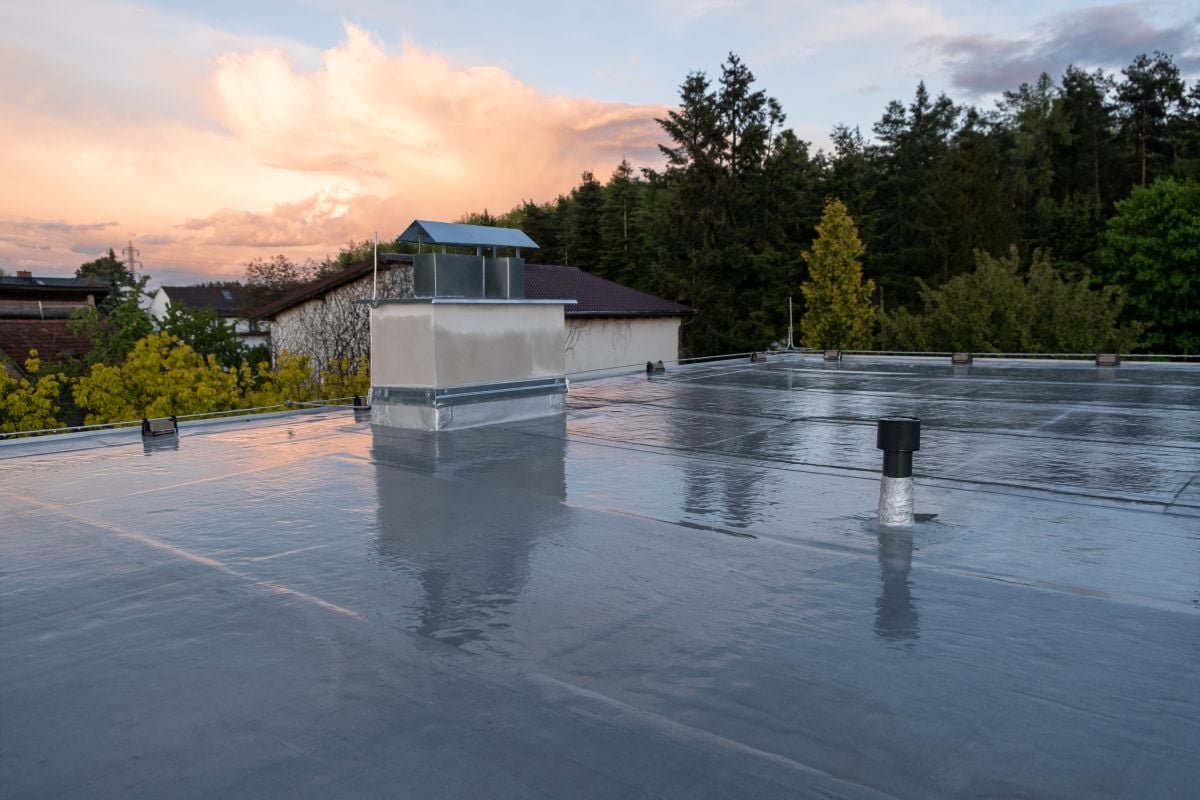
Flat roof replacement is a project most property owners will face eventually, and the earlier you understand your options, the better your outcome. Whether you’re managing a low-slope residential addition, a detached garage, or a commercial building, flat roofs behave differently than pitched roofs and require materials, installation methods, and maintenance strategies built specifically for them. If you’re starting to research your next step, understanding how flat roofing systems work before you get your first estimate puts you in a much stronger position.
Here’s what this guide covers:
- How to tell when a flat roof needs replacing rather than repairing
- The most common flat roofing materials and how they compare on cost and performance
- What drives the cost of a flat roof replacement
- What the installation process looks like from start to finish
- Frequently asked questions property owners ask most
Signs Your Flat Roof Needs to Be Replaced
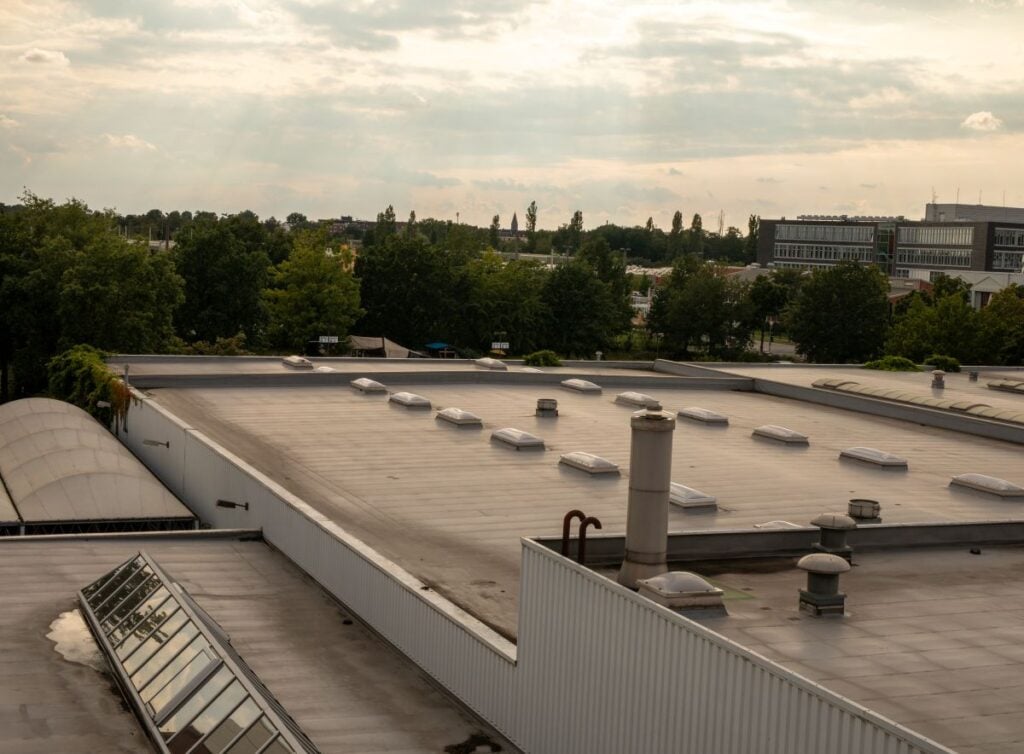
Flat roofs don’t always announce their problems loudly. By the time a visible leak shows up inside, the underlying system has often been compromised for some time. Knowing what to look for on the surface and in the attic gives you a head start on addressing issues before they compound.
- Ponding water: Standing water that remains on the roof surface beyond 48 hours is a known warning sign. According to the National Roofing Contractors Association, ponding water lasting more than 48 hours can be detrimental to the entire roof assembly, accelerating membrane breakdown and putting stress on the underlying structure.
- Membrane blistering or bubbling: Blisters form when moisture or air becomes trapped beneath the membrane. They weaken the flat roof membrane over time and, if left untreated, eventually rupture and allow water infiltration.
- Visible cracks or splitting: Flat roofing materials expand and contract with temperature changes. When the membrane can no longer flex without cracking, the system is near the end of its service life.
- Interior water stains or ceiling damage: Discoloration, soft spots, or mold on interior ceilings below a flat roof section are clear indicators that the roofing system has already been compromised.
- Frequent or recurring repairs: If the same areas keep leaking despite repeated flat roof repair work, the underlying membrane is failing and patching is no longer a cost-effective solution.
Common Flat Roofing Materials
Choosing the right material for your flat roof replacement is one of the most consequential decisions in the project. The material determines your upfront cost, your long-term maintenance needs, how well the roof performs in Wisconsin’s climate, and what warranty coverage you can obtain.
Here’s how the most common flat roofing systems compare:
| Material | Cost Per Sq. Ft. (Installed) | Lifespan | Best For |
| TPO | $5–$10 | 15–25 years | Energy efficiency, low-slope roofs |
| EPDM (Rubber) | $5–$9 | 20–30 years | Cold climates, budget-conscious installs |
| PVC | $6–$12 | 20–30 years | Chemical resistance, durability |
| Modified Bitumen | $4–$8 | 15–20 years | High-traffic roofs, multi-layer protection |
| Built-Up Roofing (BUR) | $4–$8 | 15–25 years | Commercial flat roofs, proven longevity |
Each system has trade-offs worth understanding before you commit.
TPO Roofing
TPO is currently the most widely used single-ply flat roof membrane in North America, and for good reason. It’s energy-efficient, highly reflective, and heat-welded at the seams — which creates a stronger, more watertight bond than adhesive-only systems. TPO performs well in Wisconsin’s temperature swings and holds up to UV exposure better than older membrane materials. It’s a strong default choice for most low-slope residential and commercial applications.
EPDM Roofing
EPDM rubber roofing has been a reliable choice for flat and low-slope roofs for decades. It’s flexible in cold temperatures, resistant to hail and wind, and one of the more affordable flat roofing materials on the market. EPDM seams are typically bonded with adhesive or tape rather than heat-welded, which makes seam integrity an important point to verify during installation and in future inspections.
PVC Roofing
PVC is the premium end of single-ply flat roofing. It offers excellent chemical resistance, heat-welded seams, and strong long-term durability. It carries a higher upfront cost than TPO or EPDM but is particularly well-suited to roofs near grease exhaust vents or rooftop equipment that might degrade a standard membrane.
Modified Bitumen
Modified bitumen is an asphalt-based flat roofing material reinforced with fiberglass or polyester for added strength and flexibility. It installs in multiple layers, which gives it solid redundancy against moisture intrusion and makes it a popular choice for high-foot-traffic roofs. In the Madison, WI area, modified bitumen is often used on low-slope commercial additions and garages.
What Does Flat Roof Replacement Cost?
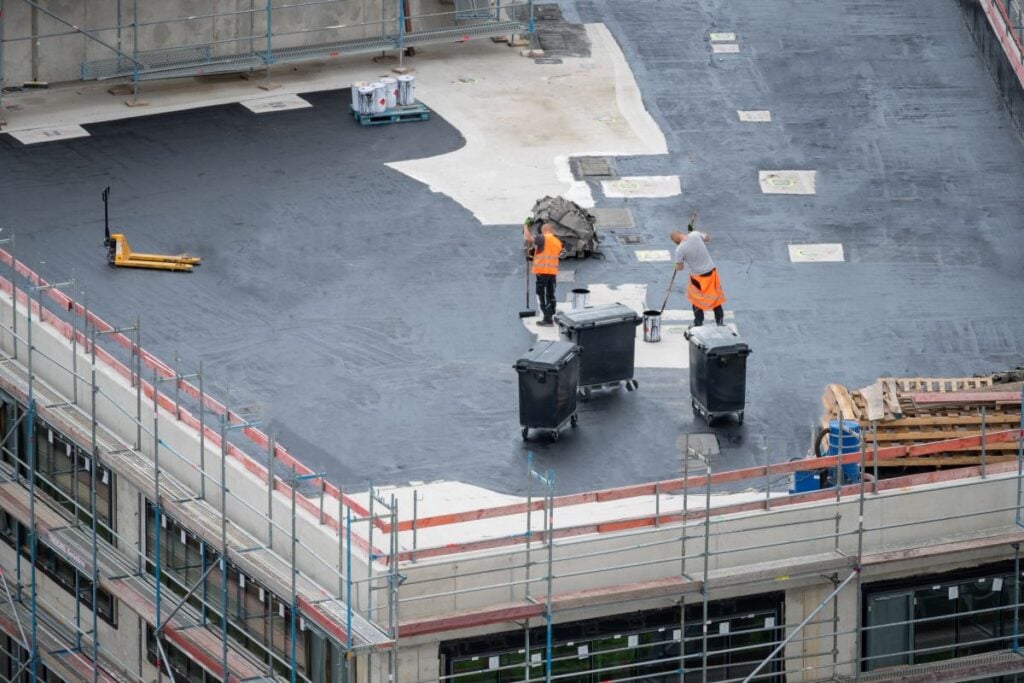
Flat roof replacement costs vary widely based on roof size, material choice, tear-off requirements, and the condition of the existing substrate. Nationally, most flat roof replacements run between $4 and $15 per square foot installed, with total project costs typically falling between $6,000 and $22,500 for an average-sized roof.
Several factors push costs up or down:
- Roof size: Flat roofs are priced per square foot, so larger surface areas mean higher total costs. That said, cost per square foot often drops slightly on larger projects as fixed costs get spread out.
- Tear-off vs. overlay: If the existing roof is in poor enough condition that it needs to be removed before the new system goes down, tear-off adds $1 to $5 per square foot to the project. Building codes in Wisconsin generally allow no more than one re-cover before a complete tear-off is required.
- Deck condition: Rotted, delaminated, or moisture-damaged roof decking must be repaired or replaced before installation, which adds both material and labor cost.
- Drainage upgrades: A flat roof replacement is often the right time to address drainage deficiencies. Adding or repositioning drains, scuppers, or tapered insulation adds cost but prevents the ponding water problems that shorten membrane life.
- Penetrations and flashing: Every vent, HVAC unit, and skylight requires custom flashing work. Roofs with many penetrations take longer and cost more to waterproof correctly.
We’re proud to serve home and business owners in Sun Prairie, WI, and nearby communities with flat roof replacement, storm damage repairs, and full roofing services.
5 Things to Expect During a Flat Roof Replacement
Knowing how the flat roof installation process unfolds helps you plan around your daily routine and ask better questions when comparing roofing contractors.
1. Initial Inspection and Assessment
Before any proposal is written, a qualified roofing contractor should inspect the existing roof surface, check moisture levels in the insulation and decking, evaluate drainage performance, and document any areas of existing damage. This inspection determines whether a tear-off is needed, identifies any deck repairs required, and informs the material recommendation that follows.
2. Proposal and Material Selection
A detailed, line-item proposal breaks out the cost of materials, labor, tear-off if required, disposal, flashing work, and warranty terms. Be cautious of any flat roofing contractor who provides a single lump-sum number without explanation. You should be able to see exactly what you’re paying for and compare proposals from multiple contractors on equal terms.
3. Tear-Off and Deck Preparation
On full replacement jobs, the old roofing system is removed down to the deck. Any damaged decking is repaired or replaced at this stage. Drains are inspected and cleared, and the surface is prepared to accept the new roofing system. This is also when tapered insulation is installed if improved drainage is part of the scope.
4. New Roof Installation
The new flat roofing system is installed according to manufacturer specifications, which is critical for warranty validation. Seams, terminations, flashings around penetrations, and edge details all require precise workmanship. Quality contractors perform checks at each phase rather than waiting for a final walkthrough.
5. Final Inspection and Documentation
At completion, the contractor should walk the roof with you, review what was installed, and provide warranty documentation, product specs, and photos of the finished work. This documentation matters for future insurance claims, warranty service, and resale.
Common FAQs About Flat Roof Replacement

Property owners researching flat roof replacement tend to ask the same questions. Here are direct answers to the most common ones.
How long does a flat roof last?
Lifespan depends heavily on material choice and maintenance. EPDM and PVC systems typically last 20 to 30 years with proper care. TPO averages 15 to 25 years. Modified bitumen and BUR systems generally run 15 to 20 years. All flat roofing materials last longer when inspected annually and maintained consistently.
Can a flat roof be repaired instead of replaced?
Yes, if the damage is limited to a specific area and the rest of the roofing system is structurally sound, targeted flat roof repair is often the right call. A reputable contractor will tell you honestly when repair makes more financial sense than full replacement. The tipping point usually comes when repairs are costing more than 30% of what replacement would, or when moisture has penetrated the insulation across a significant portion of the roof.
Is a flat roof harder to maintain than a pitched roof?
Flat roofs require more active maintenance than most pitched roofs because they rely entirely on drainage design rather than gravity to move water off the surface. Annual inspections, keeping drains clear, and addressing small issues quickly are the key habits that extend a flat roof’s useful life. Neglecting maintenance is the most common reason flat roofs fail prematurely.
Does homeowners or commercial insurance cover flat roof replacement?
Storm damage from hail, wind, or other covered weather events may qualify for a claim depending on your policy. Damage from normal wear and age typically does not. Documenting storm damage promptly with a professional inspection is important — the sooner damage is on record, the easier the claims process becomes.
What questions should I ask a flat roofing contractor?
Ask for a line-item proposal, proof of Wisconsin licensing and liability insurance, manufacturer affiliation and warranty details, and references from similar flat roof projects. A contractor who welcomes those questions and answers them thoroughly is one worth trusting.
Flat Roof Replacement Done Right — Badgerland Exteriors
Badgerland Exteriors has delivered flat and low-slope roofing services to homeowners and commercial property owners across central Wisconsin since 2009. We bring an honest, education-first approach to every project: clear answers, transparent pricing, and installation quality that holds up through Wisconsin winters and beyond. Whether you need a full flat roof replacement or want a professional opinion on whether repairs will get you a few more years, we offer free estimates and can typically reach your property within 24 to 48 hours.
Get your free estimate from Badgerland Exteriors today and find out exactly what your flat roof needs.

Let’s Get Started
Fix Your Roof the Badger Way
Got a question? Want to learn more about your options when it comes to caring for your home exterior? Our team is standing by with the information you need to start you roof replacement project today!
