
Roof Replacement Estimate Calculator: How Roofers Price Your Project
9 Min Read
POSTED 11.08.2026
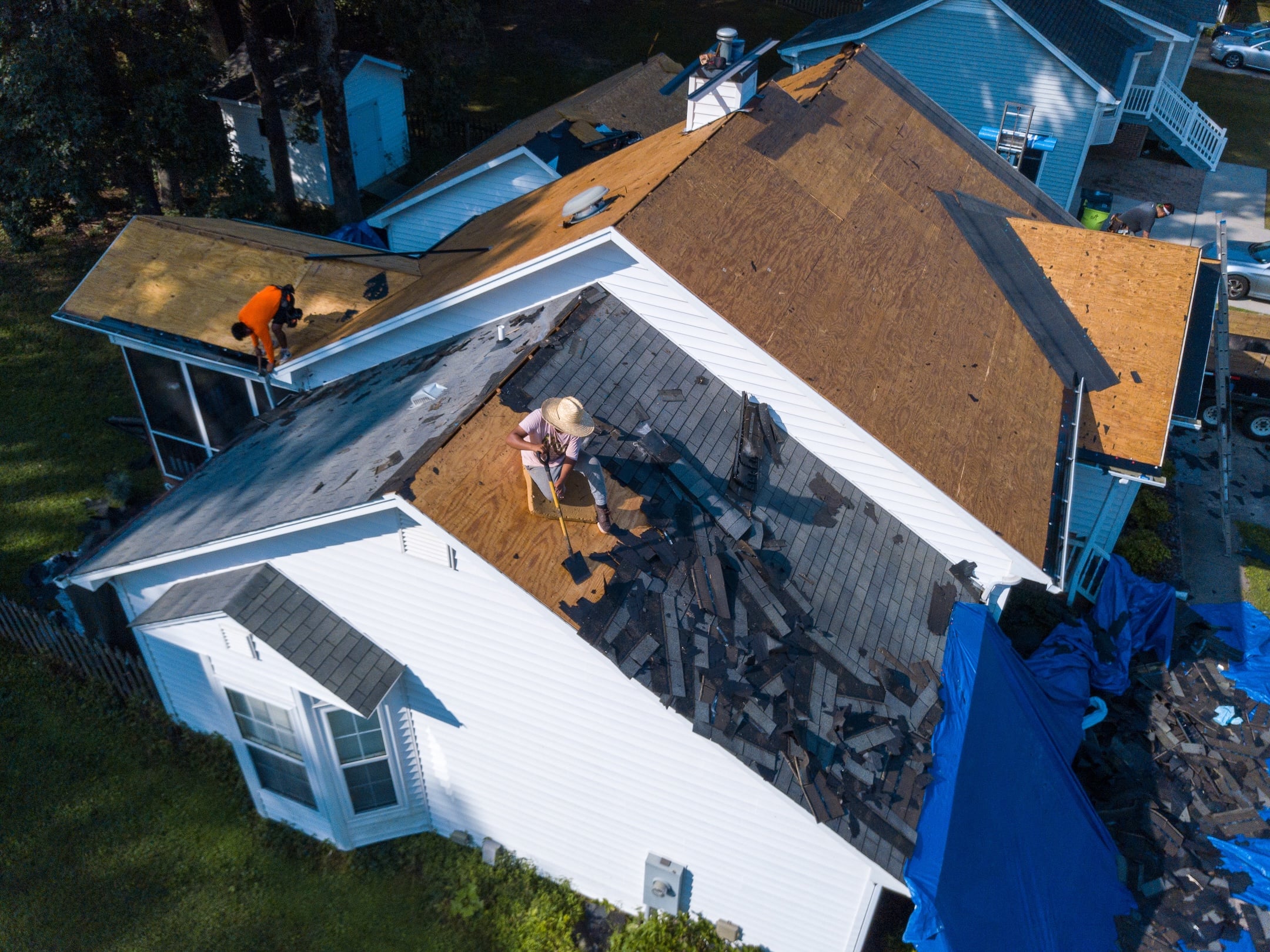
Getting a roof replacement estimate calculator online can give you a rough starting number, but it won’t tell you what your specific home actually costs to re-roof. Every estimate a professional contractor produces is built from the same core variables: roof size, material selection, pitch, complexity, and local labor rates. Understanding how those variables interact is how homeowners can evaluate a quote intelligently, avoid surprises, and know whether a contractor is being honest with them. If you want to understand what a full roof replacement involves before you start collecting quotes, that’s a useful first step.
Here is what this guide covers:
- The 3 biggest factors that determine your roof replacement cost
- How roofers calculate square footage and price per square
- What additional costs get added to a base estimate
- How to read and compare roofing quotes
- What a roof replacement costs in Wisconsin
- Common questions about roofing estimates
How Online Calculators Work: And Where They Fall Short
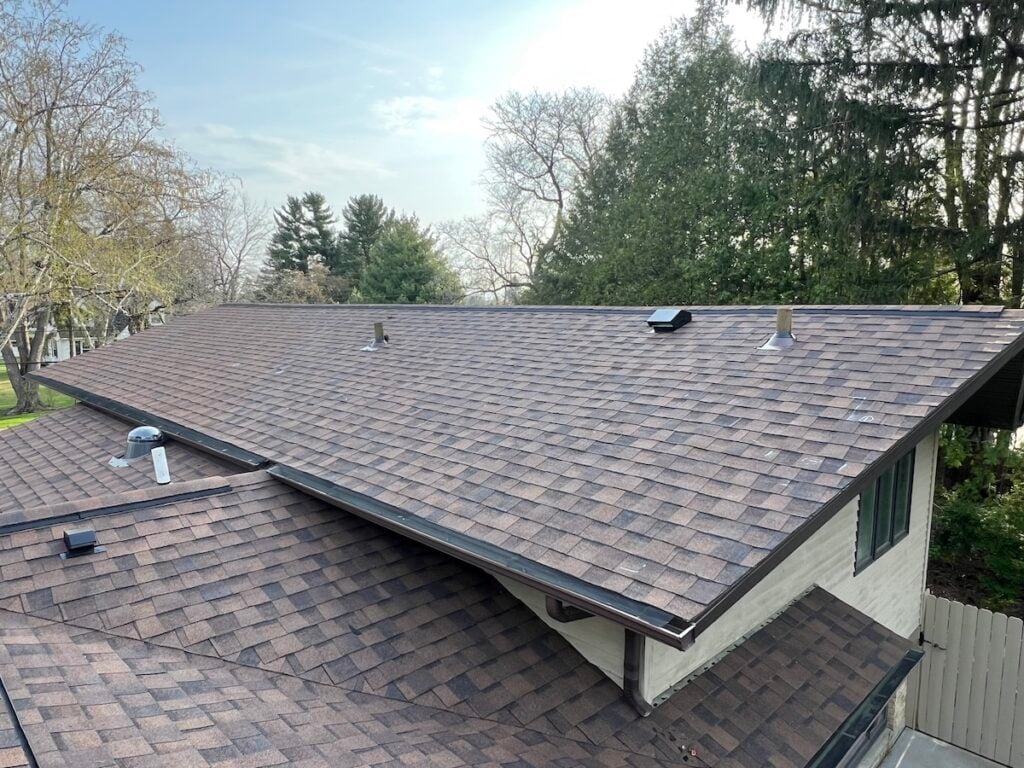
Online roof replacement calculators typically ask for your home’s square footage, zip code, and material preference, then return a range based on regional averages. They’re useful for setting a general budget expectation. The problem is that they can’t account for roof pitch, which can increase surface area by 20 to 50 percent over what a flat footprint suggests. They don’t account for the number of penetrations, valleys, or dormers. They don’t know whether your decking is sound or rotted. And they don’t know what local labor actually costs in your specific market.
According to GAF, citing the 2025 U.S. Roof Report by Verisk, the average roof replacement cost in the United States in 2025 was $17,631. That figure reflects actual project data across a wide range of home sizes and materials, and it’s a useful benchmark for Wisconsin homeowners to calibrate against online calculator outputs. Most Wisconsin homes with standard asphalt shingles will fall below that figure; larger homes, complex rooflines, or premium materials push above it.
3 Factors That Drive Your Roof Replacement Cost
Every roofing estimate is built from three primary variables. Everything else, including decking repairs, disposal fees, and permits, sits on top of these as line items.
1. Roof Size and Geometry
Roof size is the starting point of any estimate. Roofers measure in squares, where one square equals 100 square feet of roof surface area. But your roof’s surface area is not the same as your home’s footprint. Pitch multiplies the flat area significantly, and a complex roofline with multiple planes, valleys, hips, and dormers increases both material quantity and installation time.
- Measuring accurately: A professional takes actual measurements from the roof, not the home’s floor plan. Satellite measurement tools are commonly used for initial estimates but confirmed on-site.
- Pitch factor: A roof with a 12/12 pitch has approximately 41 percent more surface area than a flat footprint of the same dimensions. A 6/12 pitch adds roughly 12 percent. The steeper the pitch, the more material and the more labor.
- Waste factor: Complex rooflines with many angles and valleys generate more material waste from cutting. Contractors build a waste factor of 10 to 15 percent into material orders, sometimes higher on complicated layouts.
- Multiple planes: A simple gable roof with two planes is faster and cheaper to install than a hip roof with four planes or a roof with dormers, skylights, and intersecting ridges.
2. Material Selection
The roofing material you choose is the single largest variable in the material cost portion of an estimate. Labor cost stays relatively consistent within a region; material cost swings significantly across product tiers.
- 3-tab asphalt shingles: The lowest-cost option at roughly $4 to $5 per square foot installed. Shorter lifespan and lower wind ratings than architectural shingles.
- Architectural (dimensional) shingles: The most common choice for Wisconsin homeowners at $5 to $9 per square foot installed. Atlas Pinnacle Pristine, Badgerland’s primary shingle, falls in this category. Strong wind ratings, 30-year lifespan, and better curb appeal than 3-tab.
- Impact-resistant Class 4 shingles: 10 to 20 percent more than standard architectural shingles but can reduce insurance premiums in hail-prone areas.
- Metal roofing: $10 to $20 or more per square foot installed depending on the system. Long lifespan (40 to 70 years) but significantly higher upfront cost.
- Premium materials: Slate, clay tile, and cedar shake carry the highest material and labor costs and require specialized installation. These are rare on Wisconsin homes but worth understanding for scoping purposes.
3. Labor and Local Market Rates
Labor typically accounts for 50 to 60 percent of the total project cost. In the greater Madison and south-central Wisconsin market, labor rates reflect a skilled trades environment with experienced crews rather than the low-cost market that online calculators often use as a baseline.
- Crew size and efficiency: Larger, experienced crews complete jobs faster, but that efficiency is priced into a well-run contractor’s rate. Unusually cheap labor is often a sign of inexperience or uninsured crews.
- Tear-off and disposal: Removing and disposing of the existing roof adds labor hours and dumpster or haul-away costs. This typically runs $1,000 to $3,000 depending on layers and roof size.
- Seasonal demand: Wisconsin’s short roofing season creates demand pressure that affects contractor availability and sometimes pricing. Projects scheduled in spring and fall, when weather is reliable, are often easier to staff than mid-summer emergency replacements.
- Contractor overhead: Licensed, insured contractors with proper workers’ compensation coverage have higher overhead than uninsured crews. That overhead is the difference between a contractor who stands behind the work and one who doesn’t.
What Gets Added to a Base Estimate
A base estimate covers shingles, underlayment, and installation labor. A complete and honest estimate includes several additional line items that less thorough contractors sometimes leave out until the job is underway.
- Ice and water shield: A self-adhering membrane installed at eaves, valleys, and penetrations. Required by Wisconsin building code and by most shingle manufacturer warranties. Should be included by default, not added as an upgrade.
- Synthetic underlayment: Applied across the full deck under shingles. Better than felt paper in moisture management and durability.
- Drip edge: Metal flashing at eaves and rakes that directs water cleanly into gutters. A code requirement that some low-bid contractors skip.
- Flashing: Metal sealing at all roof penetrations, chimneys, and wall intersections. New flashing should be included in any full replacement; reusing old flashing is a shortcut that shows up as leaks later.
- Ridge cap shingles: Finish material at the peak that also manages ventilation. Should be specified in the proposal.
- Decking repairs: Rotted or damaged sheathing discovered after tear-off is billed as additional work. Reputable contractors disclose this possibility upfront and document any findings before proceeding.
- Permit fees: Most Wisconsin municipalities require a permit for roof replacement. The contractor should pull this on your behalf; if it’s not in the proposal, ask.
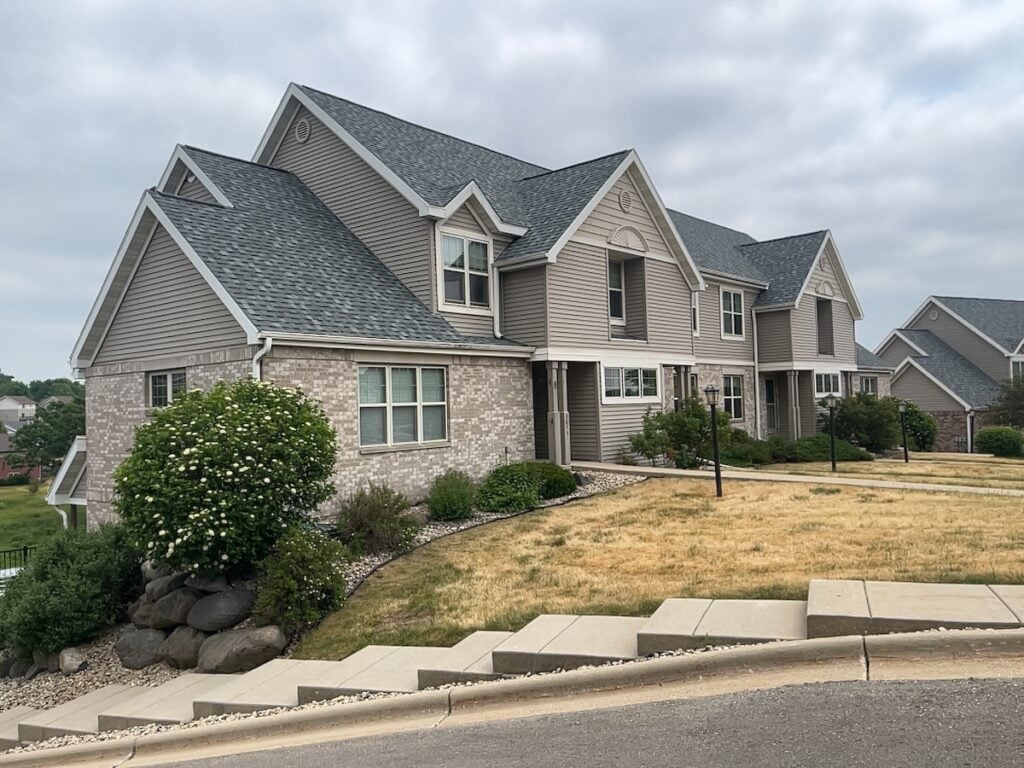
We’re proud to serve homeowners in Sun Prairie, WI, and nearby communities with roof replacement, free estimates, and storm damage inspections.
How to Read and Compare Roofing Quotes
Getting multiple quotes is standard practice, but comparing them accurately requires knowing what each one actually includes. A lower number doesn’t mean a better deal if it’s built on different scope.
When reviewing a roofing proposal, look for explicit line items covering: shingle brand and product name, underlayment type, ice and water shield coverage, drip edge, flashing details, ventilation approach, tear-off and disposal, permit, decking repair policy, warranty terms, and payment schedule. A contractor who provides all of this in writing is one who understands the job and plans to do it completely. A contractor who provides a single number is one who either hasn’t thought through the scope or is counting on adding to it later.
Badgerland Exteriors provides detailed, line-item estimates at no charge so homeowners can see exactly where every dollar is going before signing anything.
What Does a Roof Replacement Cost in Wisconsin?
For most south-central Wisconsin homes replacing an asphalt shingle roof, total cost runs between $10,000 and $18,000. Here’s how that breaks down by home size and material tier.
| Home Size | 3-Tab Asphalt | Architectural Shingles | Impact-Resistant |
| 1,200 sq ft home | $7,000–$10,000 | $9,000–$13,000 | $10,000–$15,000 |
| 1,800 sq ft home | $9,000–$13,000 | $11,000–$16,000 | $13,000–$18,000 |
| 2,400 sq ft home | $12,000–$17,000 | $14,000–$20,000 | $16,000–$23,000 |
| 3,000 sq ft home | $15,000–$21,000 | $17,000–$25,000 | $20,000–$28,000 |
These ranges reflect typical south-central Wisconsin pricing and assume a standard pitch, single layer tear-off, and no significant decking repairs. Complex rooflines, steep pitches, and multi-layer tear-offs push costs toward the upper end or beyond.
Frequently Asked Questions About Roof Replacement Estimates
Homeowners getting ready to collect quotes tend to ask the same questions. Here are direct answers.
How accurate are online roof replacement calculators?
They’re useful for setting a rough budget range, not for making financial decisions. Online tools can’t account for your roof’s actual pitch, the number of penetrations and valleys, local labor rates, or the condition of your decking. The only accurate estimate is one from a contractor who has physically measured and inspected your roof.
Why do roofing quotes vary so much between contractors?
Scope differences are the most common reason. One quote may include new drip edge, ice and water shield, and a ventilation upgrade while another includes only shingles and basic underlayment. Material quality differences also matter. Always compare line items, not just totals.
How long does a roof replacement estimate take?
A thorough on-site estimate from Badgerland Exteriors typically takes 30 to 60 minutes, including a roof inspection, measurement, and a walkthrough of the findings with the homeowner. The written proposal follows within 24 hours.
Should I get three roofing quotes?
Getting two to three quotes is a reasonable practice that helps you calibrate pricing and evaluate contractors. Be cautious of quotes that come in significantly below the others; that gap almost always reflects scope cuts, inferior materials, or an uninsured crew rather than genuine efficiency.
Does Badgerland Exteriors offer financing?
Yes. Financing is available through Acculynx for qualified homeowners. If the estimate comes in higher than you planned for, ask about current financing terms when your estimate is delivered.
Get a Detailed, Honest Estimate From Badgerland Exteriors
Understanding how roofers price a project is the best preparation for getting a fair and accurate estimate. Badgerland Exteriors has been replacing roofs for homeowners in Sun Prairie and across central Wisconsin since 2009. Our estimates are detailed, our pricing is transparent, and we back every full replacement with a 10-year workmanship warranty. Free estimates and free storm damage inspections are available with a 24 to 48 hour response window.
Get your free roof estimate from Badgerland Exteriors today.

Recent Articles
Read the Badger Blog
Let’s Get Started
Fix Your Roof the Badger Way
Got a question? Want to learn more about your options when it comes to caring for your home exterior? Our team is standing by with the information you need to start you roof replacement project today!
