Gutter Repair Services: How to Tell When It’s Time to Call a Pro
10 Min Read
POSTED 18.06.2026
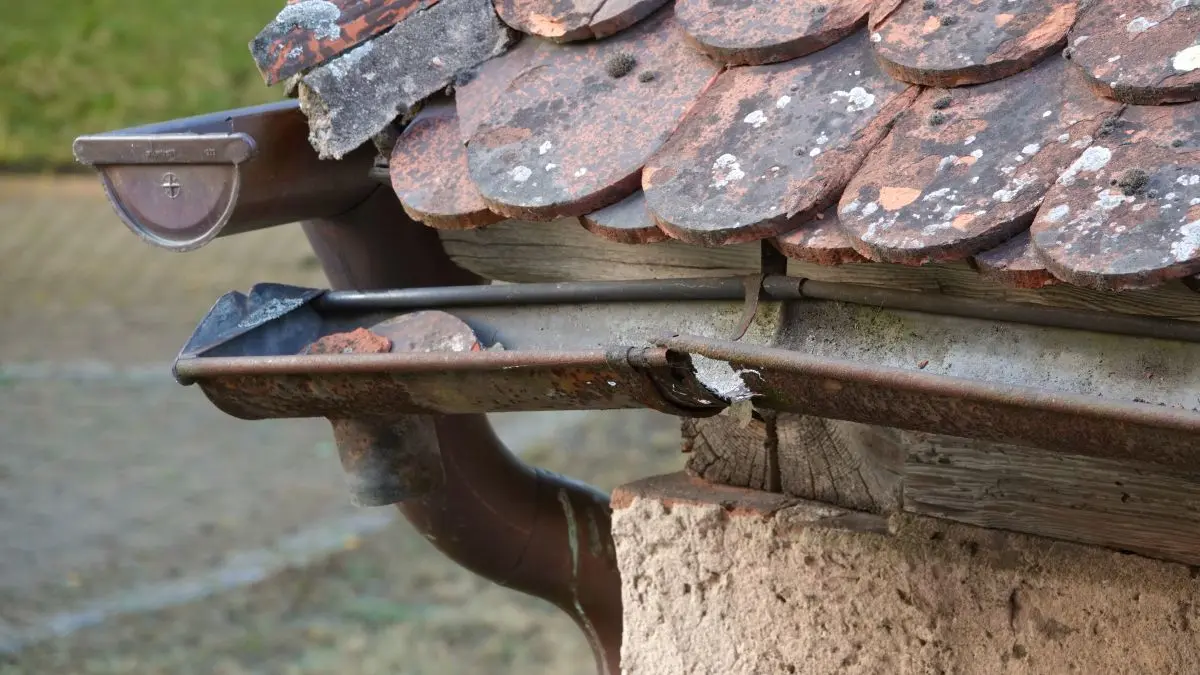
Gutter repair services exist because most gutter problems don’t announce themselves until the damage has already spread. A small leak at a seam, a section pulling away from the fascia, a downspout that drains too close to the foundation — none of these feel urgent until you’re dealing with rotted fascia boards, a flooded basement, or a cracked foundation. Catching the signs early and knowing when to call a professional is what separates a $200 fix from a $5,000 problem. If your gutters have been on your to-do list for a while, see what a proper gutter system looks like and how it protects the rest of your home.
Here’s what this guide covers:
- The most common signs your gutters need professional repair
- The difference between gutter problems you can patch and ones that require replacement
- What professional gutter repair involves and what it costs
- How Wisconsin’s climate affects gutter performance and longevity
- Frequently asked questions homeowners ask most about gutter repair
6 Signs Your Gutters Need Repair
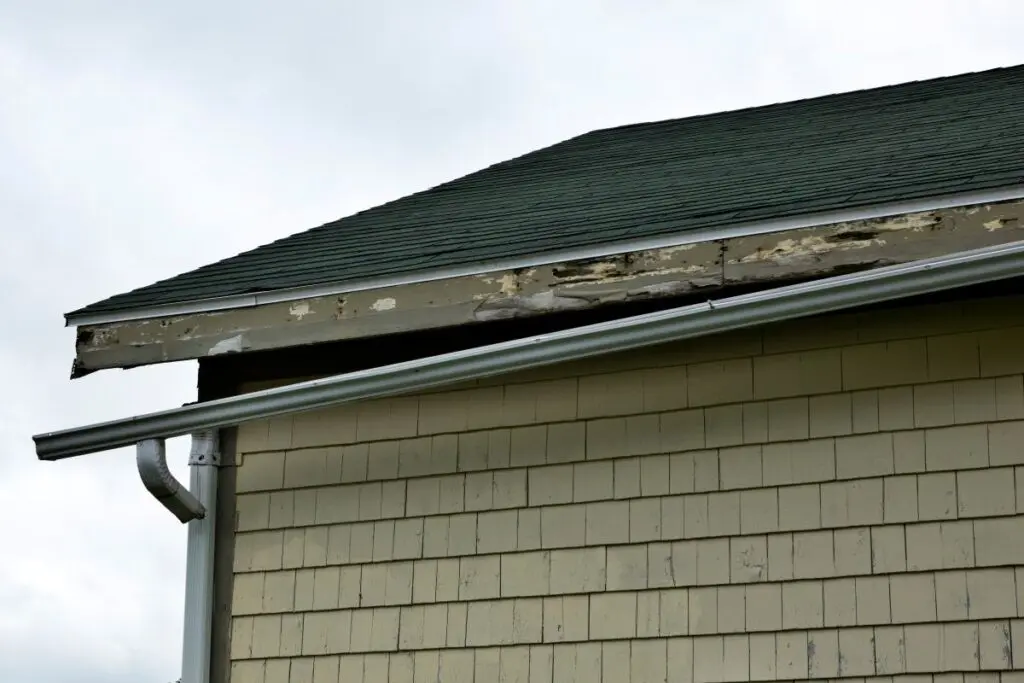
Rain gutters give off clear warning signs when they’re failing. The challenge is that most homeowners only look at their gutters closely twice a year — if that. Knowing what to look for during a quick walkround of your home can help you catch issues while they’re still manageable.
- Sagging sections: Gutters that visibly droop or bow in the middle have failed hangers, accumulated too much debris weight, or both. Sagging gutters can’t maintain the slope needed to drain water properly and will eventually pull away from the fascia entirely.
- Leaking seams: On sectional gutters, the joints between sections are the most common failure point. When sealant dries out and joints separate, water drips behind the gutter channel and runs directly down the fascia. Left unaddressed, this causes wood rot that turns a simple sealant repair into a full fascia replacement.
- Gutters pulling away from the fascia: If the gutter has separated from the roofline, hangers have failed or the fascia behind them has started to rot. This is a priority repair — a gutter that isn’t securely attached to the home isn’t controlling where water goes.
- Water pooling near the foundation: If you notice standing water or mud erosion directly below the roofline after rain, the gutters aren’t directing runoff far enough away from your home’s foundation. This can trace back to clogged downspouts, improper slope, or disconnected extensions.
- Rust or visible corrosion: Orange staining, flaking metal, or pitting on gutter surfaces indicates the protective coating has failed. Rust spreads quickly and, once it creates holes, patching becomes a temporary measure at best.
- Peeling paint or staining on exterior walls: Streaks running down siding or fascia boards below the gutter line indicate water has been overflowing or leaking for an extended period. Functional gutters reduce exterior damage to siding from rainwater — when they stop working, the siding is usually the first visible casualty.
What Gutter Repair vs. Replacement Looks Like
Not every gutter problem requires starting over. Knowing which issues respond well to repair, and which signal that replacement is overdue, helps you have a more informed conversation with a contractor and avoid either overpaying for unnecessary work or underinvesting in a system that needs to be replaced.
Gutter problems that typically respond well to repair include isolated leaks at seams or joints, one or two failed hangers, small holes or punctures that haven’t yet compromised the surrounding material, and minor slope adjustments where the gutter just needs to be reset at the correct angle. These are straightforward fixes when the overall system is structurally sound and reasonably new.
Replacement becomes the more sensible investment when multiple sections are leaking, when rust or corrosion has spread across a significant portion of the system, when the fascia behind the gutter is rotted and needs to be rebuilt anyway, or when the gutter is more than 20 years old and repair costs are approaching half of what new gutters would cost. Rain gutters can be made from aluminum, copper, or PVC, and — much like roofing materials — the choice affects both how long the system lasts and how repair-friendly it is. aluminum is the most common and easiest to work with, while PVC becomes brittle over time and copper is a premium option with a much longer service life. A qualified gutter repair contractor will give you an honest assessment of where your system falls on that spectrum.
The Real Cost of Ignoring Gutter Damage
Gutters are easy to defer. They don’t leak into the living space directly, the damage they cause builds gradually, and the repairs feel like they can wait until next season. But the downstream costs of a failing gutter system are significant.
According to the Insurance Information Institute, about one in 67 insured homes files a property damage claim related to water damage or freezing each year — making it the most frequently filed property damage claim category. While not all of that traces back to gutters, uncontrolled roof runoff is one of the most consistent contributors to the foundation issues, basement water intrusion, and fascia rot that lead homeowners to file those claims in the first place.
Routine gutter maintenance and timely repair services are among the lowest-cost interventions available for protecting the structural integrity of a home. Regular gutter cleaning prevents costly water damage and foundation erosion — and gutter cleaning costs are minimal compared to what a neglected system eventually causes. A gutter resealing or hanger replacement that costs a few hundred dollars today regularly prevents water damage repair bills that run into the thousands.
What Professional Gutter Repair Involves
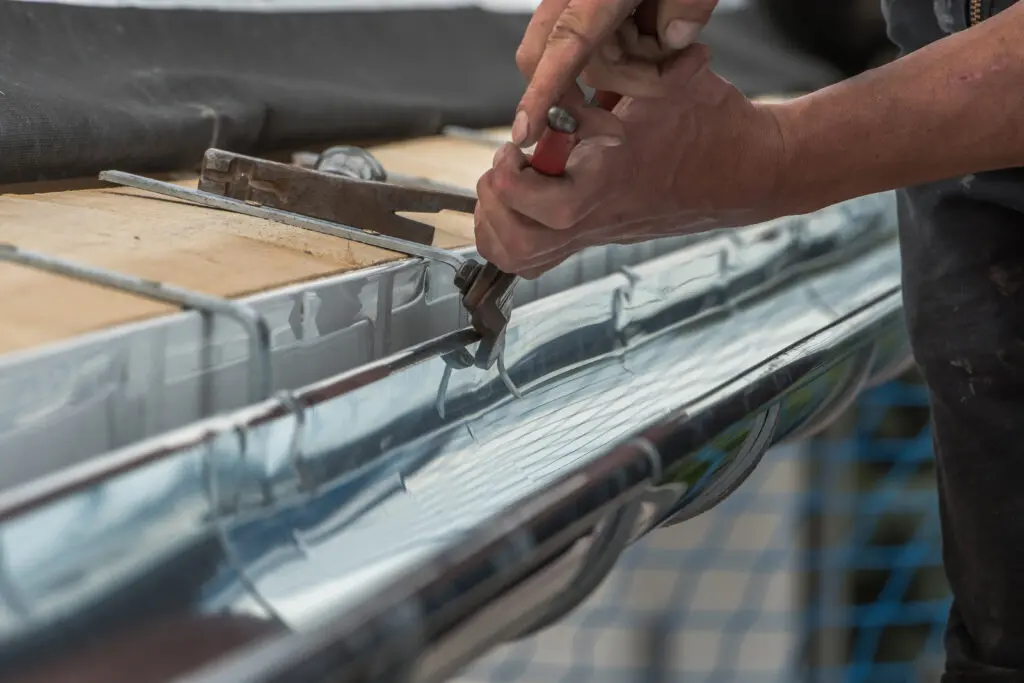
Professional gutter repair covers a wider range of work than most homeowners expect. A qualified contractor doesn’t just patch the obvious problem — they inspect the entire system to identify what’s failing, why it’s failing, and whether related components like fascia boards or downspout extensions need attention at the same time.
We’re proud to serve homeowners in Fitchburg, WI, and nearby communities with professional gutter service and repair, seamless gutter installation, and full exterior care.
Seam Resealing and Joint Repair
Leaking seams on sectional gutters are resealed using professional-grade gutter sealant, which bonds more durably and resists temperature fluctuations better than hardware store alternatives. A thorough contractor reseals all suspect joints during the same visit rather than patching only the most visible leak, since failing sealant tends to fail uniformly across a system.
Hanger Replacement and Slope Correction
Failed or loose gutter hangers are replaced and the gutter is reset to the correct pitch — typically a quarter inch of drop per 10 feet of run toward the downspout. Restoring proper slope fixes both the structural sag and the drainage problem in a single repair. In some cases where the fascia has softened behind the original hanger location, new fasteners are driven into solid wood nearby.
Downspout Repair and Rerouting
Damaged downspouts that are disconnected, crushed, or improperly routed are reconnected, straightened, or repositioned. Extensions are added where discharge is happening too close to the foundation. In some cases, underground drain lines are recommended to carry water further from the structure, particularly on properties where grading naturally channels water back toward the house.
Hole Patching and Section Replacement
Small holes from impact damage or corrosion can be patched effectively when the surrounding metal is still structurally sound. When damage is more extensive, contractors can replace individual sections of a sectional gutter system while leaving intact sections in place — a cost-effective middle ground when full gutter replacement isn’t yet warranted.
How Wisconsin’s Climate Affects Gutter Repair Needs
Wisconsin homeowners face a specific set of gutter challenges that aren’t as pronounced in milder climates. Understanding them helps you anticipate when repair needs are most likely to arise.
Freeze-thaw cycles are the primary driver of accelerated gutter wear in this region. Water that sits in a gutter overnight, freezes, and expands puts stress on seam sealants, end caps, and hanger connections. Over multiple winters, this cycle gradually defeats even quality gutter systems if they aren’t maintained. Ice dams compound the problem by forcing water back up under shingles and sometimes back behind gutters, causing the fascia rot and leak patterns that make spring the busiest season for gutter repair calls.
Heavy snow accumulation adds significant weight to gutter channels, stressing hangers and occasionally pulling sections away from the fascia in a single event. Homes with steeply pitched roofs in neighborhoods like Fitchburg with heavy tree canopy also deal with a double burden of debris and spring pollen buildup that accelerates clogging and standing water inside the gutter.
Common FAQs About Gutter Repair Services

Homeowners weighing whether to call a professional tend to ask the same questions. Here are direct answers to the most common ones.
How much does professional gutter repair cost?
Minor repairs such as seam resealing or a single hanger replacement typically run between $150 and $300. More involved work — slope correction across a longer run, section replacement, or fascia repair in conjunction with gutter work — can range from $300 to $600 or more depending on the scope. Getting a line-item estimate before work begins lets you evaluate whether repair or replacement makes more financial sense for your specific situation.
Can I repair gutters myself?
Some basic repairs are within DIY reach for confident homeowners. Resealing a single leaking joint, reattaching a loose downspout, or clearing a clogged downspout are manageable with basic tools and materials. However, slope correction, hanger replacement at height, section replacement, and any work involving fascia repairs are better handled by a professional. Errors in slope or hanger placement create new drainage problems that often don’t show up until the next heavy rain, and working at roofline height carries real safety risk.
How often should gutters be inspected?
Twice a year is the standard recommendation — once in late spring after pollen and seed season winds down, and again in early winter after leaves have finished falling. An additional inspection after any significant wind or hail event is worth the time, since storm debris and impact damage can compromise gutters quickly. In Wisconsin, the post-thaw spring inspection is especially important for catching the freeze-thaw damage that accumulated over winter.
When does gutter repair make more sense than full replacement?
Repair makes sense when the damage is isolated to one or two areas, your current gutters are relatively young, and the repair cost is well below the 50% threshold of what replacement would cost. Full gutter replacement becomes the better investment when damage is widespread, the system is approaching or past 20 years of age, or the fascia behind the gutters needs to be rebuilt anyway — at that point, installing new gutters alongside a new roof or fascia repair during the same project is the most efficient use of the work already underway. It’s also the right moment to consider installing gutter guards, which reduce long-term maintenance and extend the life of the new system.
Don’t Wait for the Damage to Find You — Badgerland Exteriors
Badgerland Exteriors is a local roofing company that has been delivering professional gutter repair services and seamless gutter installations across central Wisconsin since 2009. Our team approaches every job the same way: an honest assessment of what your system actually needs, clear pricing, and work done right the first time. We don’t upsell replacement when repair will do, and we don’t patch systems that are better off replaced. Whether you’re dealing with a specific leak or just haven’t looked at your gutters in a few years, we offer free estimates and can typically reach your property within 24 to 48 hours.
Book your free estimate with Badgerland Exteriors today before a small gutter problem becomes a much bigger one.
Let’s Get Started
Fix Your Roof the Badger Way
Got a question? Want to learn more about your options when it comes to caring for your home exterior? Our team is standing by with the information you need to start you roof replacement project today!