
Siding Repair Services: How to Know When a Patch Won’t Cut It
11 Min Read
POSTED 30.06.2026
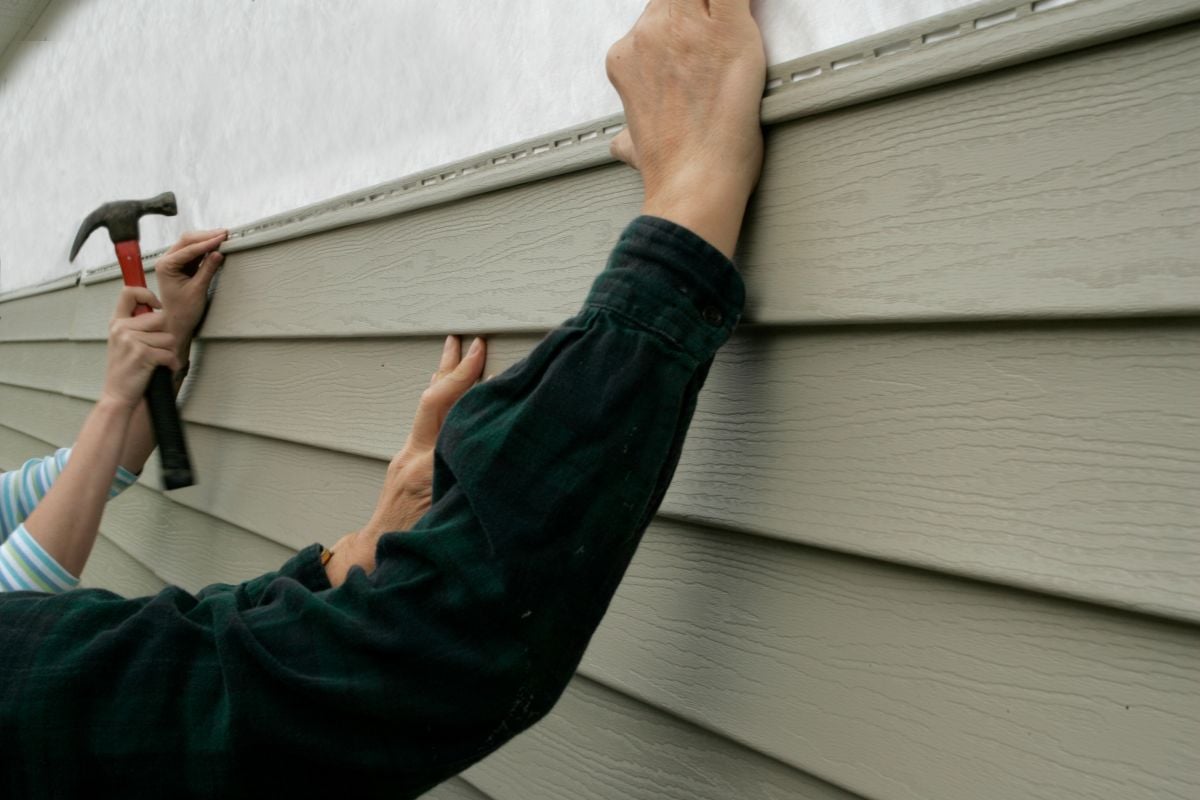
Siding repair services are one of those calls homeowners put off longer than they should. A cracked panel here, some peeling paint there. It’s easy to assume these things can wait, or that a tube of caulk and an afternoon is all it takes. Sometimes that’s true. More often, visible damaged siding is the surface signal of a deeper problem that a patch won’t solve. Knowing the difference between a repair that makes sense and one that’s just deferring a bigger bill is what this guide is about. If your siding is already showing multiple warning signs, see how Badgerland handles exterior siding projects for Wisconsin homeowners.
Here’s what this guide covers:
- Signs your siding can be repaired versus signs it needs to be replaced
- The most common siding problems in Wisconsin and what causes them
- What professional siding repair actually involves
- How to choose the right siding contractor
- Frequently asked questions homeowners ask before calling a pro
5 Signs Siding Repair Makes Sense
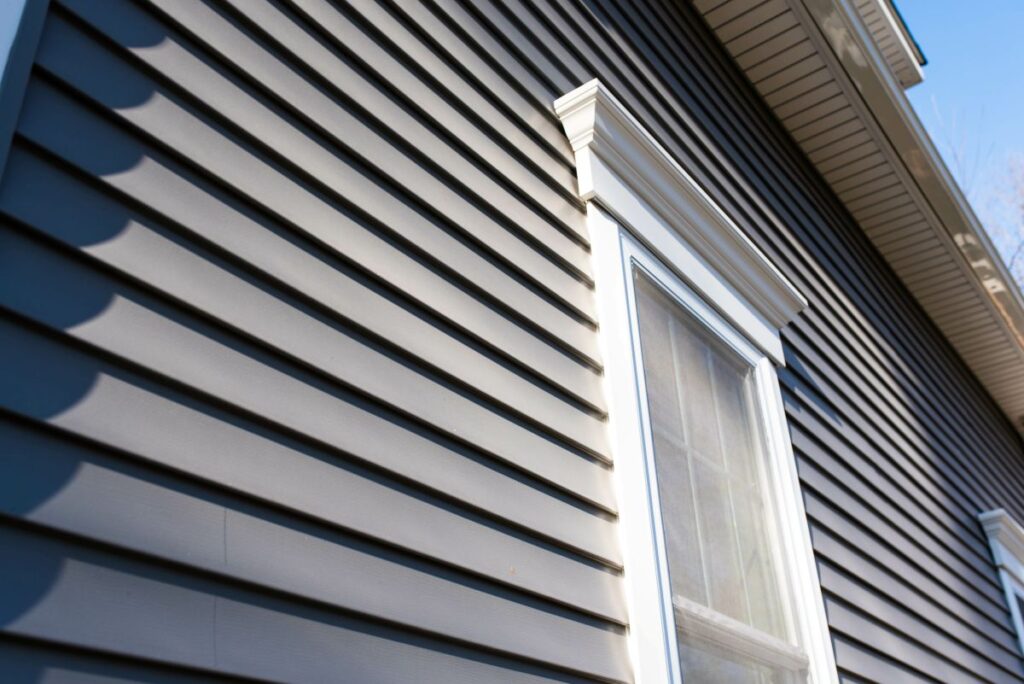
Not every siding problem requires tearing off the whole exterior. Repair is the right call when damage is genuinely isolated, the surrounding material is structurally sound, and the underlying wall assembly hasn’t been compromised. Here’s what that looks like in practice.
- A single cracked or broken panel: Impact damage from hail, debris, or a stray baseball that affects one or two panels, with no evidence of moisture getting behind the siding, is a straightforward repair candidate.
- Loose or popped fasteners: Siding that has pulled away from the wall at a small section due to fastener failure can often be reattached without touching the rest of the system.
- Minor caulk failure at trim joints: Gaps at window surrounds, corner boards, or door trim that are small and haven’t yet allowed water behind the wall can be recaulked effectively.
- Small areas of surface rot on wood siding: Wood siding offers a timeless, natural aesthetic, but it does require attention when rot appears. If rot is limited to the surface of a single board and hasn’t penetrated to the sheathing, targeted replacement of that board is a viable repair.
- Isolated fading or cosmetic damage: Paint touch-ups and surface cleaning address appearance without requiring structural work, provided the siding itself is otherwise performing.
The key word across all of these is “isolated.” Once damage becomes widespread, affecting multiple panels, recurring in the same areas, or showing signs that moisture has worked into the wall cavity, and the calculus shifts.
Signs a Patch Won’t Cut It
The harder conversation is recognizing when repair has run its course. Homeowners sometimes spend years patching siding that was telling them something more fundamental was wrong. These are the signals that warrant a more honest look at the scope of work needed.
- Soft or spongy panels: Press firmly on your siding, especially near the ground, around windows, and at corner transitions. Soft, spongy, or crumbling material means moisture has already penetrated behind the surface layer and begun working on the sheathing or framing beneath.
- Recurring damage in the same locations: If you’ve repaired the same sections more than once, the underlying cause hasn’t been addressed. Repairs that keep failing are usually masking a flashing problem, a housewrap failure, or a drainage issue that a patch can’t fix.
- Warping or buckling across multiple panels: Some movement is normal as siding expands and contracts with temperature. When it’s pronounced and affects large sections, it often signals that the siding has exceeded its effective lifespan or was installed incorrectly over a surface that has since developed moisture problems.
- Interior signs of water intrusion: Peeling paint on interior walls near windows, water stains on drywall, or mold appearing on the inside surface of exterior walls all suggest moisture is getting past the siding and into the wall assembly.
- Mold or mildew that keeps coming back: Surface mold can sometimes be cleaned. Recurring mold growth particularly in panel seams, signals trapped moisture that won’t resolve until the siding is removed, the underlying problem is addressed, and new material is installed correctly.
- Energy bills rising unexpectedly: Failing siding loses its insulating value and allows air infiltration, reducing your home’s energy efficiency. Siding repair can lower energy bills by sealing gaps and restoring the thermal barrier your exterior is supposed to provide. If your heating and cooling costs have crept up without an obvious explanation, the exterior envelope may be the culprit.
According to the EPA, it is important to dry water-damaged areas within 24 to 48 hours to prevent mold growth, and moisture trapped inside exterior walls is one of the most persistent drivers of structural damage and indoor air quality problems. When siding fails and allows moisture into the wall cavity, the window for a simple repair closes quickly.
Common Siding Problems in Wisconsin
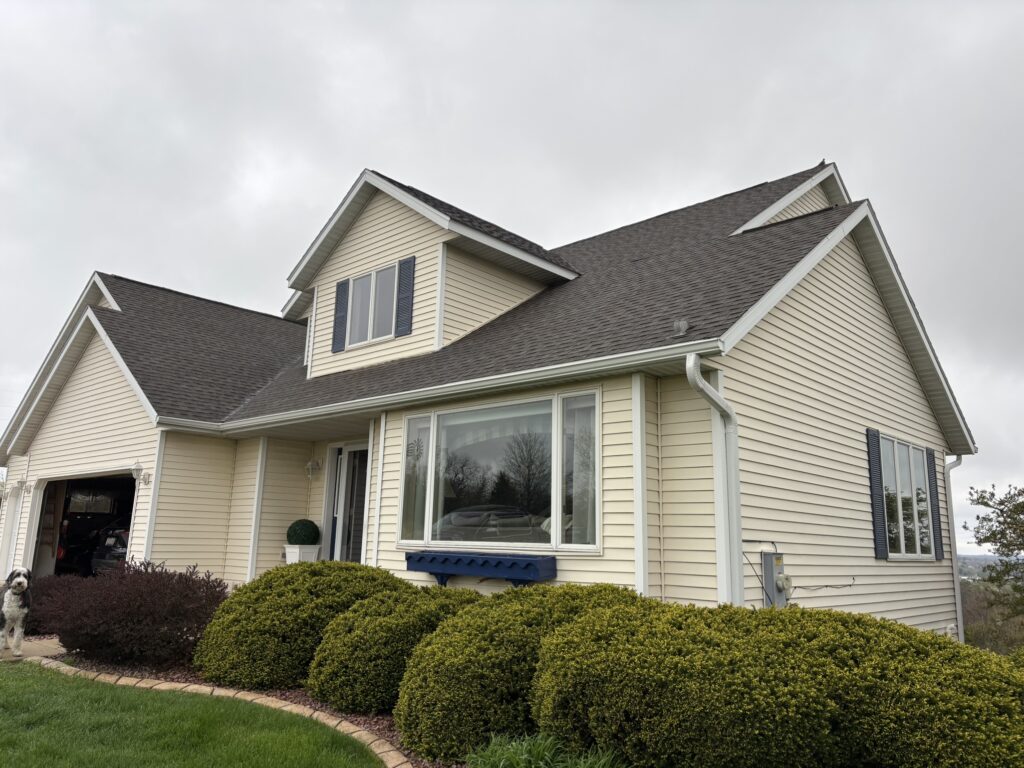
Wisconsin’s climate puts siding through a specific and demanding cycle every year. Understanding the regional failure patterns helps you recognize what you’re looking at when damage appears.
- Freeze-thaw cycling: This is the primary driver of siding deterioration in this region. Water that gets behind siding even small amounts of it freezes, expands, and forces joints apart. Over multiple winters, this gradually defeats caulk seals, loosens fasteners, and creates pathways for increasing amounts of moisture. By the time the damage is visible from the outside, it’s often been developing beneath the surface for a season or more.
- Hail impact: Even moderate hail events that don’t make the news leave dents and fractures in vinyl panels and can crack fiber cement. These impact points may not leak immediately but create stress fractures that accelerate moisture infiltration over the following seasons.
- Wind-driven rain: Wind pushes water into places gravity alone wouldn’t reach, up under overlapping panels, through fastener holes, and around imperfect trim joints. Homes with west or southwest exposures in the McFarland and Madison area often show accelerated wear on those faces due to prevailing storm directions.
- Ice damming at the roofline: Ice dams don’t just affect shingles. When ice backs up against the fascia and siding at the eaves, water can work behind the siding at the top of the wall. This damage often goes unnoticed until the siding is physically removed.
We’re proud to serve homeowners in McFarland, WI, and nearby communities with professional siding repair services, full siding replacement, and complete exterior care.
4 Steps: What Professional Siding Repair Involves
Professional siding repair goes beyond swapping out damaged panels. A qualified siding contractor identifies not just what failed but why it failed, and makes sure the repair addresses both.
1. Damage Assessment and Moisture Testing
Before any material is touched, a thorough inspection evaluates the extent of visible damage and checks for signs of moisture penetration behind the affected area. Tapping panels to identify hollow spots, checking for soft sheathing through existing gaps, and examining the interior wall surface near the damaged exterior all inform the scope and help develop a repair plan before any material is ordered or removed. Skipping this step and simply replacing the visible damaged panel is one of the most common mistakes in siding repair. It looks fixed but leaves the underlying problem in place.
2. Panel Replacement and Color Matching
Damaged sections are removed, the wall assembly behind them is inspected and dried if needed, and new panels are cut and installed. Vinyl siding repair is straightforward when panels are in production. Vinyl siding is affordable and low maintenance, which is part of why it’s one of the most common materials we work with. Fiber cement siding mimics wood, stone, or stucco and requires careful matching during repairs to maintain a consistent appearance. On older homes, color matching is sometimes a challenge, particularly with vinyl siding that has faded over years of UV exposure. A good contractor is honest about this upfront rather than presenting a color-mismatched repair as a seamless fix.
3. Flashing and Caulk Restoration
All joints, penetrations, and trim intersections in and around the repaired area are recaulked or reflashed as needed. This is the step that separates a repair that lasts from one that fails again in the next Wisconsin winter. Flashing failures around windows and doors are one of the most common sources of recurring siding damage, and they’re almost always addressed at the repair stage if a contractor is doing the job right.
4. Addressing the Root Cause
If the damage traces back to a structural problem, such as failed housewrap, improper flashing installation, or inadequate overlap at transitions, a good contractor addresses that before closing up the wall. Siding repair that doesn’t fix what caused the failure in the first place is just a delayed version of the same conversation.
What to Look for in a Siding Contractor
The quality of siding repair depends heavily on who does it. Here’s what to look for when evaluating contractors.
- Licensing and insurance: Wisconsin requires contractor licensing, and any legitimate siding contractor carries both general liability and workers’ compensation coverage. Ask for certificates before work begins.
- A willingness to inspect before quoting: A trustworthy contractor won’t price the job without looking at what’s behind the existing material. If someone gives you a number over the phone without seeing the wall, that’s a red flag.
- Experience with your siding material: Vinyl, fiber cement, LP SmartSide, and wood siding all require different repair techniques. Ask specifically about experience with your home’s material.
- References from comparable projects: Ask for homeowners who’ve had similar repairs done, not just large replacement jobs. A contractor who handles repairs with the same care as full replacements is one worth trusting.
Common FAQs About Siding Repair Services
Homeowners evaluating siding repair tend to ask the same questions. Here are direct answers to the most common ones.
How much does siding repair cost?
Minor repairs, such as a single panel replacement, recaulking a small section, or reattaching loose siding, typically run between $200 and $600. More involved repairs involving multiple panels, moisture remediation, or flashing work can range from $600 to $2,000 or more depending on scope. The only reliable way to get an accurate number is a professional on-site assessment. Badgerland Exteriors offers free estimates, so you’ll know the full picture before committing to anything.
Can siding be repaired in winter?
Some repairs can be completed in winter with the right materials and conditions. Caulk application requires temperatures above freezing to adhere properly, and vinyl siding becomes brittle in extreme cold and must be handled carefully to avoid cracking during installation. Urgent repairs to prevent active water infiltration can and should be addressed year-round. Non-urgent cosmetic repairs are better scheduled for spring or fall when conditions are optimal.
How do I know if damage is from a storm?
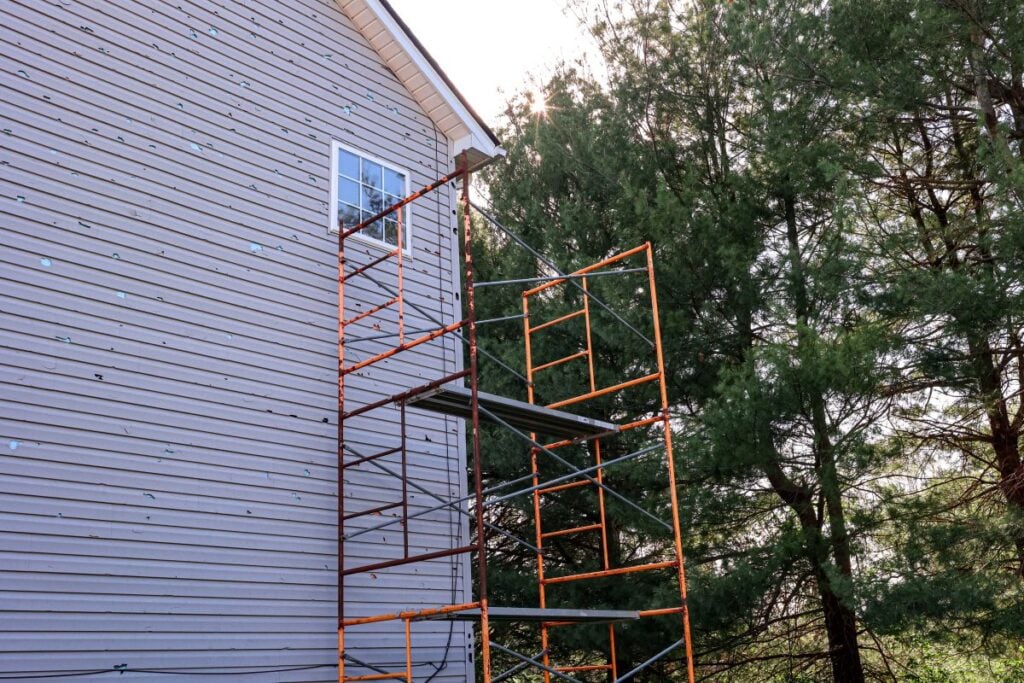
Storm-related siding damage from hail, wind, or falling debris often has distinct characteristics: dents in vinyl, fractures in fiber cement at consistent angles and sizes, or impact marks clustered on one face of the house. If you suspect storm damage, having a professional inspect and document the damage promptly is important. Insurance claims require documentation, and waiting too long can make it difficult to distinguish storm damage from wear.
When should I replace instead of repair siding?
The most reliable indicators that new siding installation is the better investment include widespread moisture damage affecting the wall sheathing, siding that is approaching or past its expected lifespan, recurring repairs in the same areas, and situations where the total cost of repairs would approach or exceed a significant portion of full replacement cost. When siding installation is needed at that scale, it also allows the contractor to inspect and repair the underlying wall assembly, something targeted repairs can’t fully address. A qualified contractor will tell you honestly which side of that line your siding falls on.
Siding Problems Don’t Wait. Badgerland Exteriors Can Help
Badgerland Exteriors has been handling siding repair and full siding replacement for homeowners across central Wisconsin since 2009. Professional siding repair enhances curb appeal and property value, and we bring the same education-first, no-pressure approach to siding that we apply to roofing and gutters: honest assessments, transparent pricing, and work that addresses the actual cause of the problem rather than just covering it up. We offer free estimates and can typically reach your property within 24 to 48 hours of your first contact.
Request your free siding estimate from Badgerland Exteriors today and find out what your home’s exterior actually needs.

Recent Articles
Read the Badger Blog
Let’s Get Started
Fix Your Roof the Badger Way
Got a question? Want to learn more about your options when it comes to caring for your home exterior? Our team is standing by with the information you need to start you roof replacement project today!
