Is TPO Roofing Water Resistant In Verona, WI? (What To Know)
8 Min Read
POSTED 02.06.2026
Yes, TPO roofing is water resistant. When properly installed, a TPO membrane creates a continuous, waterproof surface across flat and low-slope roofs that effectively handles rain, snowmelt, standing water, and the freeze-thaw cycles that Verona, WI commercial properties face every year. The key phrase is “properly installed” , TPO’s water resistance depends heavily on seam quality and installation technique, not just the material itself.
Badgerland Exteriors installs TPO roofing for commercial properties in Verona and across Dane County. To learn more about our commercial roofing services, or to schedule a free estimate, reach out and our team can typically be on site within 24 to 48 hours.
Here is what this guide covers:
- How TPO roofing achieves its water resistance
- Why installation quality determines real-world performance
- How TPO holds up in Wisconsin’s climate specifically
- What to watch for when evaluating a TPO installation
- Common questions about TPO roofing in the Verona area
How TPO Creates a Waterproof Surface
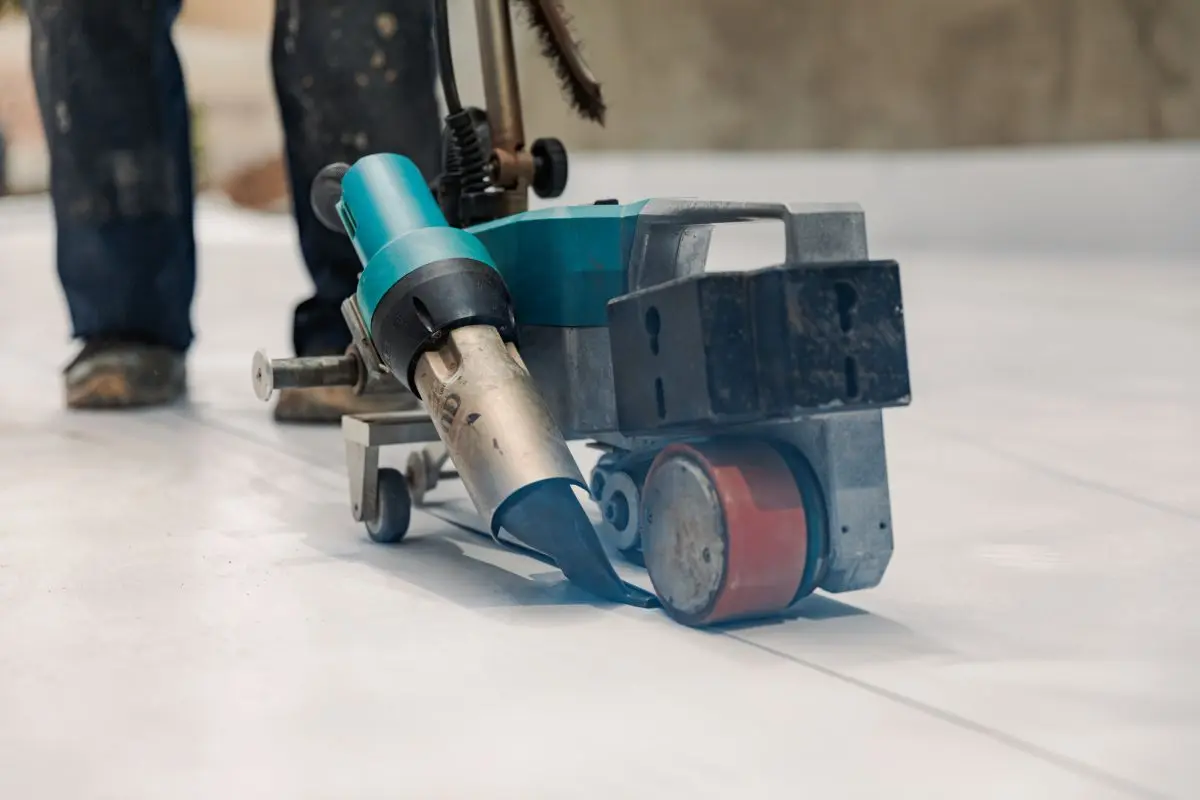
TPO stands for thermoplastic polyolefin , a single-ply roofing membrane engineered for flat and low-slope commercial roofs. The TPO roofing system is installed in large sheets across the roof deck and fused together at the seams using a hot-air welding process. That welded seam is what makes the difference.
According to the National Roofing Contractors Association, TPO now accounts for approximately 40 percent of new commercial roofing applications in the United States, making it the most widely specified commercial membrane roofing system. Its adoption reflects its track record for water resistance, energy performance, and cost effectiveness across a wide range of climates.
A properly welded TPO seam is often stronger than the membrane itself, creating a bond that doesn’t allow water infiltration at the joint. This is the key advantage over older systems that relied on adhesives or mechanical fasteners at seam points, which can degrade over time.
The result is a roof surface that:
- Sheds water consistently across low-slope surfaces with proper drainage
- Resists pooling and standing water better than many alternative systems
- Maintains its waterproof properties through repeated freeze-thaw cycling
- Handles heavy snow loads and spring snowmelt without allowing water infiltration
- Performs without cracking or splitting under Wisconsin’s temperature extremes
4 Installation Errors That Compromise TPO Water Resistance
TPO’s water resistance is only as good as the installation behind it. The roofing material itself is engineered to be waterproof, but most real-world TPO failures trace back to seam welds that weren’t executed correctly, not to the membrane material failing on its own.
Common installation errors that compromise water resistance include:
- Improper seam welding: Seams that are welded at the wrong temperature or speed don’t fully fuse, leaving weak points where water can work its way in over time.
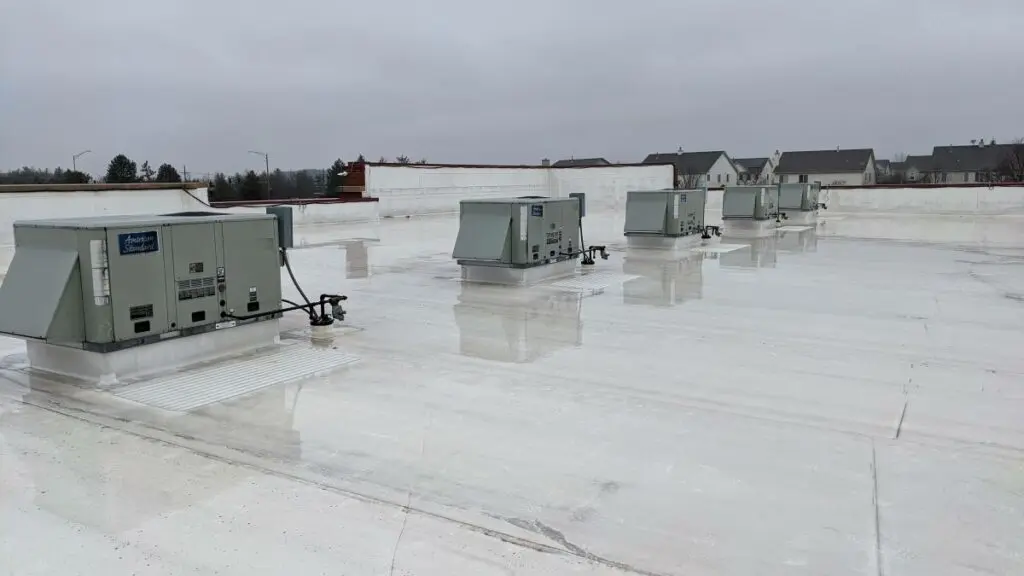
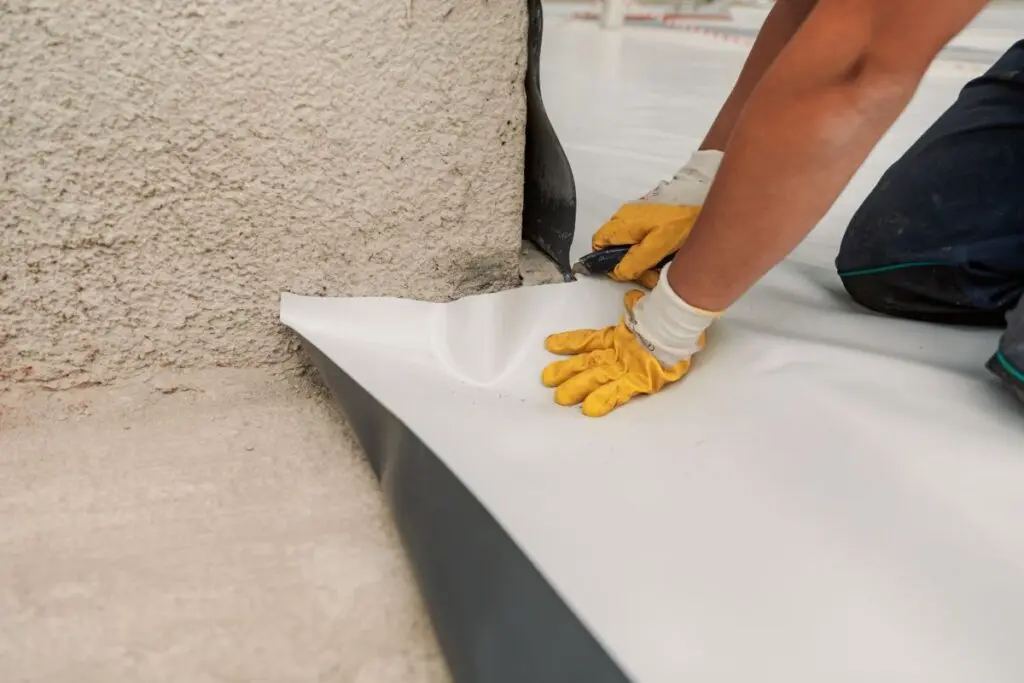
- Inadequate flashing at penetrations: Every pipe, vent, HVAC unit, or drain that penetrates the roof surface is a potential water entry point if not properly flashed and sealed.
- Poor drainage design: TPO handles water well, but ponding water that sits longer than 48 hours accelerates membrane degradation and can void manufacturer warranties.
- Membrane punctures: Rooftop foot traffic, mechanical equipment installation, and debris can puncture the membrane at vulnerable points if not addressed during or after installation.
This is why the commercial roofing contractor you choose matters as much as the material specification itself. A qualified contractor performs seam testing, ensures proper drainage slope, and addresses all penetrations before the job is complete.
How TPO Performs in Verona, WI’s Climate
Wisconsin’s harsh weather conditions put roofing systems through a specific and demanding cycle. Verona properties see heavy snow accumulation, ice dam formation, spring flooding, summer hail, and extreme temperature swings from below zero to the 90s within the same calendar year. TPO handles this climate well for several reasons.
The membrane’s thermoplastic composition means it remains flexible through cold temperatures rather than becoming brittle and cracking. Unlike EPDM, which uses adhesive-bonded seams that can lose adhesion through freeze-thaw movement, TPO’s heat-welded seams maintain their bond through temperature cycling. The white reflective surface makes the system energy efficient, improving energy efficiency and reducing cooling costs during Wisconsin’s warm months by reflecting solar heat rather than absorbing it.
When flat roof repair is needed after a Wisconsin winter, TPO is also relatively straightforward to patch and restore without replacing the entire system, which keeps maintenance costs down for commercial property owners in Verona.
We’re proud to serve commercial and residential property owners in Verona, WI, and nearby communities with TPO roofing, commercial roof repair, and full exterior services.
One specific consideration for Verona properties is ice dam management. TPO roofs on commercial buildings need adequate drainage slope so snowmelt exits the roof rather than pooling and refreezing at edges. A qualified installer accounts for this during the design phase.
What to Look for in a TPO Installation
If you are evaluating an existing TPO roof or comparing proposals for a new installation, here are the things that indicate a quality job.
- Seam integrity: Seams should be consistently fused with no visible gaps, bubbles, or separations. A qualified inspector can probe seams to check weld quality.
- Proper slope and drainage: Water should drain off the roof surface within 48 hours of precipitation. Persistent ponding water is a sign of inadequate slope or drainage design and a leading cause of early membrane failure.
- Flashing condition: Check all areas where the membrane meets walls, curbs, penetrations, and edges. Flashing failures are the most common source of roof leaks in otherwise sound TPO systems.
- TPO membrane thickness: Thicker membranes (60 mil vs. 45 mil) provide better puncture resistance and longer service life, especially on roofs with rooftop equipment or regular maintenance access. Insulation thickness beneath the membrane also affects overall system performance and energy efficiency, so both should be specified together.
- Manufacturer warranty registration: Quality TPO installations come with manufacturer-backed warranties that require proper installation by a qualified contractor. Ask whether the installation is covered.
Frequently Asked Questions About TPO Roofing in Verona, WI
Verona property owners considering TPO tend to ask the same questions. Here are direct answers.
Is TPO roofing fully waterproof or just water resistant?
When properly installed with heat-welded seams and correct flashing, TPO functions as a fully waterproof membrane, not just water resistant. The membrane itself does not allow water to pass through. Failures that occur are almost always at seams, penetrations, or edges rather than through the membrane field.
How long does TPO roofing last in Wisconsin?
A well-installed TPO roof in Wisconsin typically lasts 15 to 25 years before roof replacement becomes necessary, depending on membrane thickness, maintenance frequency, and exposure to rooftop traffic and equipment. Thicker membranes with regular maintenance programs tend to reach the higher end of that range.
Can TPO handle Wisconsin winters?
Yes. TPO remains flexible through cold temperatures, which is an important advantage in Wisconsin’s climate. The heat-welded seams do not rely on adhesives that can lose bond strength in freezing conditions. That said, proper drainage design is critical to prevent ponding water from freezing and stressing the membrane at edges and penetrations.
Does TPO require maintenance?
Yes. All commercial roofing systems benefit from a regular maintenance program, and TPO is no exception. For commercial property owners in Verona, that means periodic inspections of seams and flashings, clearing debris from drains, and addressing any punctures or damage before they expand. Catching small problems early is far less expensive than allowing them to develop into significant roof leaks.
How does TPO compare to EPDM for a flat roof in Verona?
Both are viable options for Wisconsin flat roofs. TPO’s heat-welded seams generally provide more reliable long-term water resistance than EPDM’s adhesive seams, which can weaken over time through freeze-thaw movement. TPO also offers better energy performance due to its reflective surface and reduces labor costs compared to some alternatives because of its lighter weight and faster installation process. EPDM has a longer track record in the market, but TPO has become the dominant choice for new commercial installations because of its overall performance profile. For building owners weighing both options, the decision often comes down to budget, roof size, and how long the property will be held.
Talk to a Commercial Roofing Contractor in Verona
TPO is a sound choice for flat and low-slope commercial roofs in Verona, but its performance depends on the contractor who installs it. Badgerland Exteriors works with commercial property owners across Dane County to specify, install, and maintain TPO systems that hold up through Wisconsin’s full seasonal range.
Schedule your free commercial roofing estimate with Badgerland Exteriors today.
Let’s Get Started
Fix Your Roof the Badger Way
Got a question? Want to learn more about your options when it comes to caring for your home exterior? Our team is standing by with the information you need to start you roof replacement project today!