Roof Maintenance Checklist: What to Inspect Every Season to Avoid Costly Repairs
10 Min Read
POSTED 22.09.2026
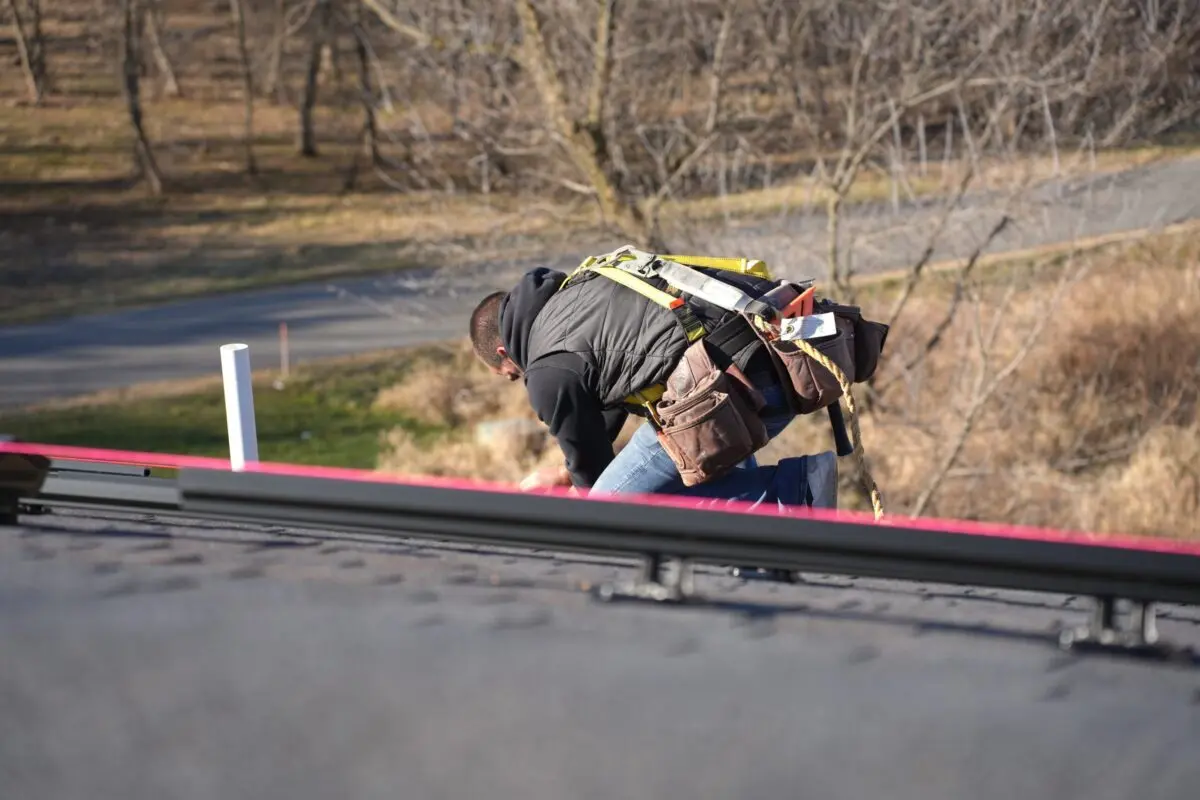
A roof maintenance checklist is one of the most effective tools a homeowner can use to protect the single largest component of their home’s envelope. Most roof failures don’t happen all at once; they develop over seasons of minor deterioration that goes unnoticed until a stain appears on the ceiling or a shingle lands in the yard. A systematic seasonal inspection catches those problems while they’re still small and inexpensive. For Wisconsin homeowners, seasonal maintenance is particularly important because each season creates distinct stresses on the roofing system. If you’d rather have a professional do the inspection, free roof inspections are available for storm-related assessments.
Here is what this guide covers:
- Why seasonal roof maintenance matters for Wisconsin homes
- What to check each season and why
- Interior warning signs homeowners often miss
- When to call a professional versus handle it yourself
- Common questions about roof maintenance
Why Proactive Maintenance Pays Off

The financial case for regular roof maintenance is straightforward. According to the National Roof Certification and Inspection Association, preventative maintenance is always cheaper than reactive repairs, and property owners who ignore roofs until minor problems result in expensive damage are the ones who pay the most over a roof’s lifespan. Industry data consistently supports this: proactive maintenance costs roughly 14 cents per square foot annually compared to 25 cents per square foot for reactive repairs, with roof lifespan extending significantly when semi-annual inspections and upkeep are followed consistently. That’s a nearly two-thirds difference in cost per square foot and eight additional years of service from the same roofing system, which is a compelling argument for a twice-yearly walk-around.
In Wisconsin specifically, the cost of inaction compounds quickly. Ice dam damage from one winter can mean moisture infiltration that goes undetected until spring, by which time it has compromised insulation, begun rotting sheathing, and potentially introduced mold into the attic. Catching the conditions that lead to ice dam formation in a fall inspection prevents all of that.
We’re proud to serve homeowners in Madison, WI, and nearby communities with roof inspections, storm damage assessments, and full roof replacement services.
5 Things to Check Every Season
Some roof maintenance items apply year-round, regardless of season. These should be checked at every inspection before moving into season-specific items.
1. Gutters and Downspouts
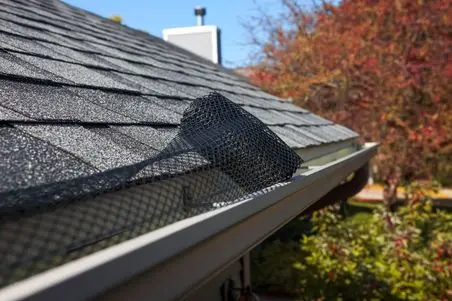
Gutters that can’t drain properly back water up at the eaves, where it can work under the roofing system at the drip edge and contribute to ice dam formation in winter. Check that gutters are attached firmly, pitched correctly toward downspouts, and free of debris. Confirm downspouts extend far enough from the foundation to direct water away from the home.
- Check: Debris accumulation, sag or separation from fascia, downspout extensions, and splash blocks.
- Act fast when: Water is pooling at the foundation or gutters are visibly pulling away from the fascia board.
2. Shingles
A ground-level inspection with binoculars is sufficient for most shingle assessment. Look for lifting, curling, cracking, or missing shingles. Check for granule loss by examining what accumulates in gutters during rain events.
- Check: Missing, broken, or visibly lifted shingles; patches of granule loss; shingles that appear lighter in color due to surface wear.
- Act fast when: Multiple shingles are missing across different areas or you see exposed underlayment.
3. Flashing
Flashing at chimneys, skylights, vents, pipe boots, and wall transitions is the most common source of leaks on roofs that are otherwise in reasonable condition. Inspect from the ground or from a secure ladder without getting on the roof.
- Check: Lifted or separated flashing, visible rust, caulk that has pulled away from transition points, gaps between flashing and adjacent surfaces.
- Act fast when: Any flashing shows visible separation or gaps, particularly around chimneys or plumbing vents.
4. Attic Interior
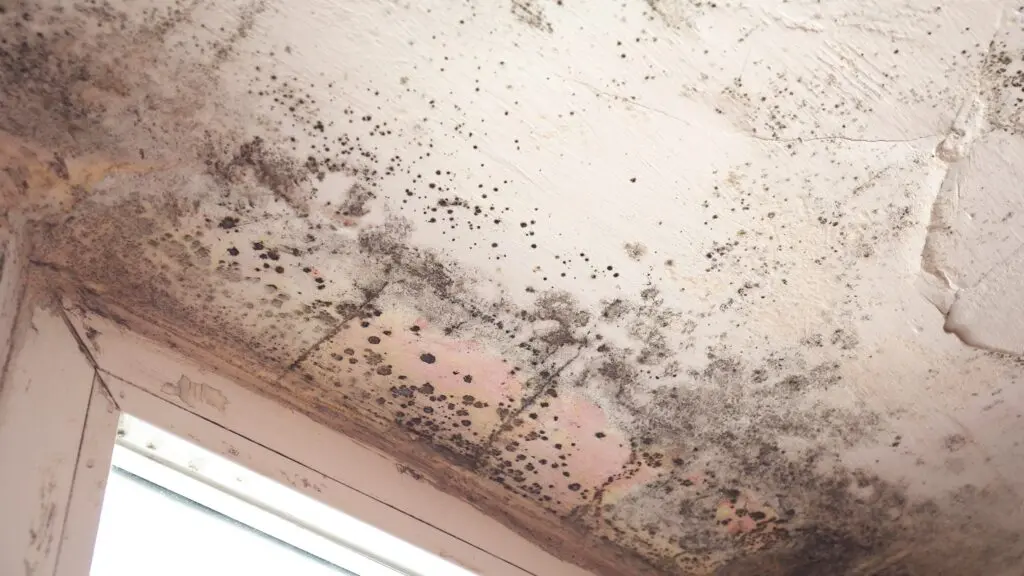
The attic tells you what the exterior can’t. Moisture staining on the underside of sheathing, wet or compressed insulation, visible daylight through the deck, and mold on framing members are all signs of active or past water infiltration.
- Check: Staining on decking, wet insulation, proper ventilation (clear soffit channels and ridge vent), any daylight visible through the roof deck.
- Act fast when: Active moisture, mold, or daylight is present; these are urgent conditions.
5. Attic Ventilation
Inadequate ventilation causes heat and moisture buildup that accelerates shingle degradation from the inside out and creates the conditions that lead to ice dam formation in winter. Check that ridge vents and soffit vents are clear and unobstructed.
- Check: Soffit baffles are in place and not blocked by insulation; ridge vent is intact and not covered or clogged; attic feels noticeably cooler than the living space below on a hot day.
Spring Checklist: Post-Winter Assessment
Spring is the most important inspection window in Wisconsin. A full winter of freeze-thaw cycling, ice dam formation, and heavy snow load can damage a roof in ways that don’t become visible until temperatures rise and ice melts.
- Ice dam aftermath: Check the eaves and lower slopes for lifted shingles, damaged flashing, or sheathing soft spots that indicate water infiltrated under the ice dam over winter.
- Shingle condition after freeze-thaw: Shingles that were already brittle going into winter often crack through repeated expansion and contraction. Spring is when this damage becomes apparent.
- Pipe boot inspection: Rubber pipe boots around plumbing vents contract in cold weather and can crack. Spring is the most common time these failures become visible as leaks during rain.
- Gutter reattachment: Winter ice can pull gutters away from fascia or bend hangers. Check that all gutter sections are properly attached and pitched.
- Debris clearance: Clear any branches, leaves, or organic material that accumulated on the roof surface over winter. Organic material retains moisture and accelerates shingle deterioration.
Summer Checklist: Heat and Storm Season Prep
Summer in Wisconsin brings hail, high winds, and UV exposure. The summer checklist focuses on storm-readiness and managing the effects of heat on the roofing system.
- Post-storm inspection: After any significant hail event or high-wind storm, inspect gutters and metal components for impact dents, which are the most visible ground-level indicator of hail contact. A professional inspection is the only reliable way to assess shingle-level hail damage.
- Attic temperature check: An attic that is significantly hotter than outside air temperature on a summer day indicates inadequate ventilation. This accelerates shingle aging from the inside and drives up cooling costs.
- Tree branch clearance: Branches touching or overhanging the roof surface create abrasion damage and provide a pathway for pests and moss. Summer is the best time to address overhanging branches before fall leaf drop adds debris load.
- Moss and algae treatment: If moss or algae appeared in spring, treat before it spreads further. Moss that goes unaddressed through summer and fall will be well-established by the following spring.
Fall Checklist: Pre-Winter Preparation
The fall inspection is the most consequential in Wisconsin because what you miss now becomes an ice dam or moisture problem by February.
- Full gutter cleaning: The most important fall maintenance task. All leaf fall should be cleared from gutters and downspouts before the first hard freeze. A single blocked drain under ice is a recurring leak through the winter.
- Flashing inspection and caulking: Check all transition points and re-caulk where caulk has cracked or pulled away. This is the last chance to address flashing gaps before they’re concealed by snow and ice.
- Ventilation confirmation: Confirm that ridge vents and soffit vents are clear before winter. Proper ventilation keeps the attic cold, which is what prevents ice dams.
- Shingle condition before snow load: Note the condition of any areas with visible wear. These are the most likely failure points under winter snow load and ice weight.
- Trim overhanging branches: Branches under snow load can contact and damage the roof surface. Fall trimming prevents this before the first significant snow event.
Winter Checklist: Snow and Ice Management
Most homeowners shouldn’t be on a snow-covered roof, and that’s the right instinct. Winter maintenance is primarily about monitoring from inside and addressing ice dam conditions before they worsen.
- Monitor attic temperature: In cold weather, the attic should be close to exterior temperature, not significantly warmer. A warm attic in winter means heat is escaping through the roof deck, which is the primary driver of ice dam formation.
- Ice dam monitoring: Visible icicles at the eaves aren’t necessarily a sign of ice dam damage, but large, continuous ice formations at the roofline combined with interior water staining are. Monitor interior ceilings in the rooms below the eaves through the winter.
- Snow load assessment: Wisconsin’s snow load can be significant in heavy years. If snow accumulation is substantial, a roof rake used from the ground to clear the lowest few feet of the roof reduces ice dam risk without requiring anyone to climb.
- Post-storm assessment after ice events: Following freezing rain or significant ice events, check for ice accumulation in gutters and at roof edges. Clearing ice from gutter openings prevents the block that forces water back under shingles.
When to Call a Professional
Ground-level inspections catch a lot, but not everything. Call a professional roofing contractor for:
- Any suspected damage after a hail or wind event: Shingle-level hail damage is usually invisible from the ground.
- Interior signs of moisture infiltration: Ceiling staining, wet attic insulation, or visible mold warrant immediate professional assessment.
- Roofs over 15 years old: Annual professional inspection catches age-related deterioration that homeowners consistently underestimate.
- Before buying or selling a home: A professional roof inspection provides documentation that protects both parties.
- Anytime you’re not confident about what you’re seeing: A free estimate from Badgerland Exteriors includes an honest assessment of what the roof actually needs.
Frequently Asked Questions About Roof Maintenance

Homeowners keeping up with seasonal maintenance tend to ask the same questions. Here are direct answers.
How often should I have my roof professionally inspected?
Twice per year is the standard recommendation for most Wisconsin homes: spring and fall. Homes with roofs over 15 years old benefit from annual professional inspections in addition to the homeowner’s seasonal checks. Any significant storm event warrants an additional inspection regardless of schedule.
Can I inspect my own roof?
Ground-level and attic inspections are things most homeowners can do safely without getting on the roof. Visual inspection from the ground using binoculars, combined with an attic check after rain events, catches the majority of developing problems. Getting on the roof requires proper safety equipment and technique, and is better left to professionals for most homeowners.
What is the most commonly missed maintenance item?
Attic ventilation is consistently the most overlooked component of roof maintenance. Homeowners focus on shingles and gutters but rarely check whether soffit and ridge vents are performing correctly. Poor ventilation silently accelerates shingle aging, contributes to ice dam formation, and raises energy bills, all without any visible exterior sign until significant damage has already occurred.
Does regular maintenance void my shingle warranty?
No; regular maintenance is typically required to keep manufacturer warranties valid. Most shingle warranties specify that the roof must be properly maintained and that ventilation must meet minimum standards. Neglecting maintenance can void warranty coverage, not trigger it.
How much does a professional roof inspection cost?
Professional inspections typically run between $150 and $400 depending on roof size and complexity. Badgerland Exteriors provides free estimates that include a roof condition assessment, and storm damage inspections are always free.
Stay Ahead of Costly Repairs: Badgerland Exteriors
A consistent seasonal maintenance routine is the single most cost-effective investment a Wisconsin homeowner can make in their roofing system. Badgerland Exteriors has been helping Madison homeowners and their neighbors across central Wisconsin keep roofs performing since 2009. Free estimates, free storm damage inspections, and honest assessments come standard.
Request your free roof assessment from Badgerland Exteriors today.
Recent Articles
Read the Badger Blog
Let’s Get Started
Fix Your Roof the Badger Way
Got a question? Want to learn more about your options when it comes to caring for your home exterior? Our team is standing by with the information you need to start you roof replacement project today!