
Roof Storm Damage Repair: What to Do Immediately After Severe Weather
10 Min Read
POSTED 03.09.2026
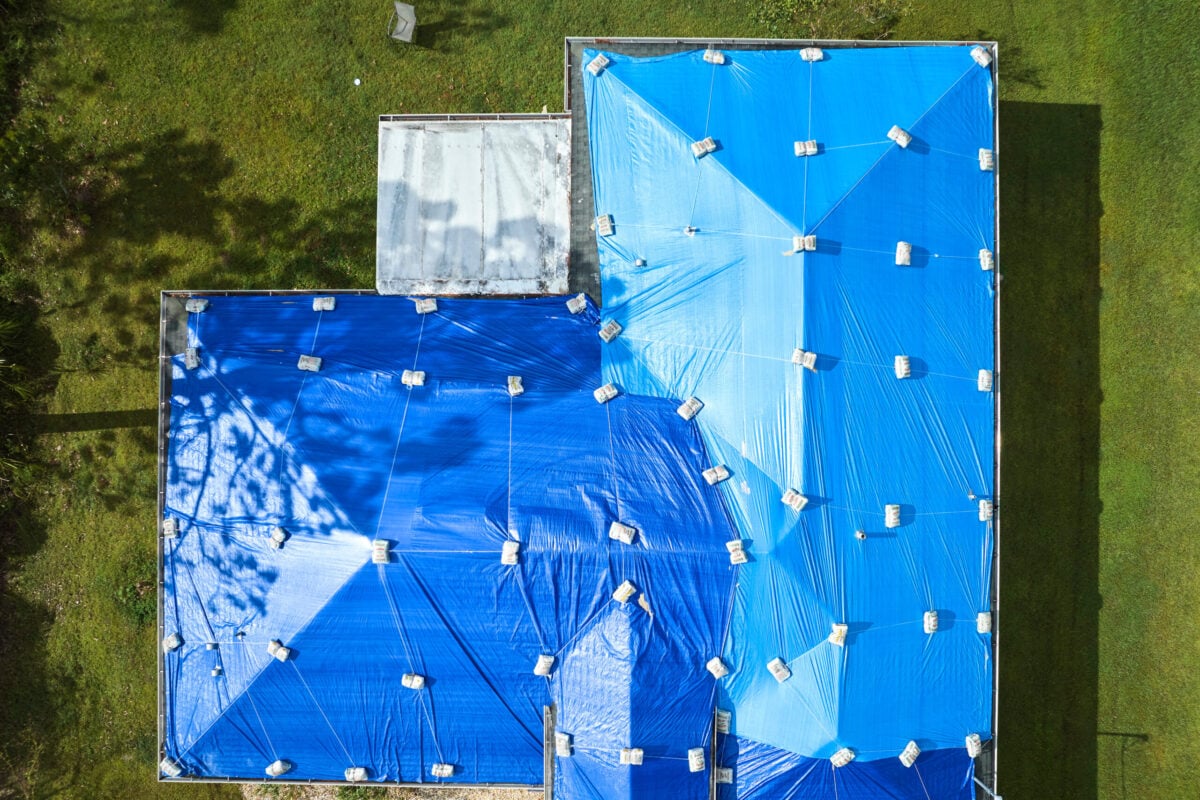
Roof storm damage repair starts the moment severe weather clears; not next week, not after the weekend. The decisions you make in the first 24 to 48 hours after a hail storm, high-wind event, or major ice damage directly affect how much additional damage occurs, whether your insurance claim holds up, and what your final out-of-pocket cost ends up being. Most homeowners lose money after storm damage not because of bad luck but because they didn’t know what to do or in what order. This guide walks through exactly that. If your home has been through a storm and you suspect damage, storm damage inspections are free at Badgerland Exteriors.
Here is what this guide covers:
- The immediate steps to take after severe weather
- How to safely document storm damage
- What to expect from an insurance claim
- How to find the right contractor for storm repairs
- What the repair process involves
- Common questions Wisconsin homeowners ask after storm events
Why the First 48 Hours Matter

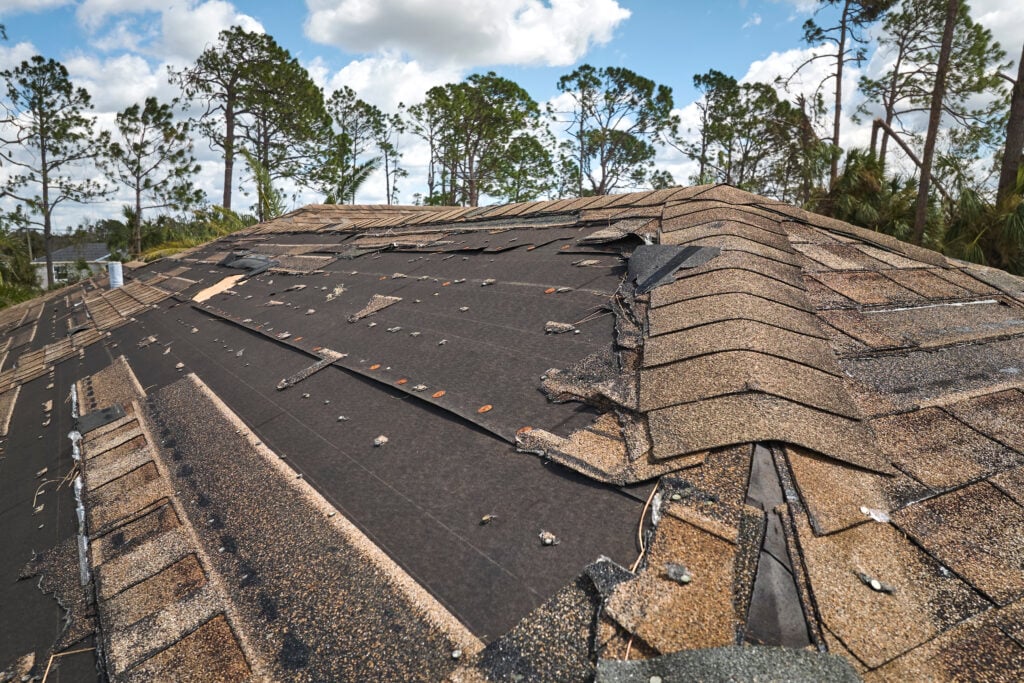
The roof damage that exists immediately after a storm is not the damage you’ll be dealing with six months later if you don’t act. Missing shingles expose the underlayment and decking to every subsequent rain event. Lifted flashing creates a pathway for water that wasn’t there before the storm. A small puncture from hail or debris becomes an active leak the next time it rains.
According to Verisk’s 2026 U.S. Roof Report, roofs in moderate to poor condition show roughly 60 percent higher loss costs than roofs in good or excellent condition, and damage that goes unaddressed accelerates the deterioration that puts a roof in that category. Acting fast is not about panic; it’s about protecting what you have.
We’re proud to serve homeowners in DeForest and Windsor, WI, and nearby communities with storm damage inspections, emergency repairs, and full roof replacement services.
7 Steps to Take Immediately After Roof Storm Damage
Following these steps in order protects your home, protects your insurance claim, and puts you in the best possible position when a contractor arrives.
1. Stay Safe First: Don’t Get on the Roof
The first and most important step is the one homeowners most commonly skip: do not get on the roof. Wet roofs are slippery. Storm-damaged roofs may have compromised structural areas that aren’t visible from the surface. Wind events can leave loose materials that shift underfoot. Inspect from the ground with binoculars if needed, or use a drone if you have one. Leave the roof itself to licensed professionals.
- Check inside first: Walk through the attic and upper floors looking for water staining, active drips, or wet insulation. Interior evidence tells you whether the roof has been breached.
- Check around the perimeter: Granules washed into gutters and downspouts, missing shingles on the ground, dented gutters and metal flashing, and impact marks on wood trim are all ground-level indicators of damage.
2. Document Everything Before Touching Anything
Before you tarp, move debris, or make any repairs, photograph and video everything you can see, inside and outside. Time-stamped documentation created immediately after the storm is the most valuable evidence for an insurance claim.
- Photograph all visible exterior damage: Missing shingles, damaged flashing, dented gutters, broken fascia, impact marks on siding or trim.
- Photograph interior water damage: Staining on ceiling drywall, wet insulation in the attic, water marks on walls near the roofline.
- Note the storm date: Pull a weather record for your address. Badgerland Exteriors can provide storm documentation at no charge.
3. Prevent Further Damage With Emergency Tarping
If the roof is actively exposed from missing shingles, damaged flashing, or a visible breach, temporary tarping prevents additional water infiltration until permanent repairs can be made. Tarping a damaged roof can prevent further water damage and is generally reimbursable under homeowners insurance as a reasonable emergency measure.
- Use heavy-duty polyethylene tarps secured over the ridge and weighted or fastened at the edges.
- Document the pre-tarp condition thoroughly before covering anything.
- Contact Badgerland Exteriors for emergency tarping assistance if you can’t safely do it yourself.
4. Contact Your Insurance Company
Once you have documentation in hand, notify your insurance company of the storm event and your intent to file a claim. Do not wait. Most policies have claim filing windows, and delaying can give the insurer grounds to question whether damage came from the specific storm event.
- Report the event, not a damage assessment: You don’t need to know the full scope yet; just notify the insurer of the storm date and your initial observations.
- Get a claim number: This starts the official claim process and creates a paper trail.
- Ask about your deductible and coverage type: Replacement cost value policies pay the full cost of a new roof; actual cash value policies depreciate the payout based on roof age. Understanding which you have affects your financial planning.
5. Get a Professional Inspection Before the Adjuster Arrives
This is the step most homeowners skip and most regret. Having a licensed roofing contractor inspect and document your storm damage in writing before the insurance adjuster arrives gives you an independent record of the full scope. Adjusters work for the insurer. A contractor’s written assessment gives you documentation to support a complete claim.
- Badgerland Exteriors provides free storm damage inspections with written findings.
- A professional inspection identifies damage that isn’t visible from the ground, including hail bruising on shingles, seam lifting on metal components, and subtle flashing damage the adjuster might miss.
- The contractor’s report can be shared with the adjuster during their visit.
6. Be Present During the Adjuster Visit
Don’t leave the adjuster to inspect alone. Being present allows you to walk them through the damage you and your contractor identified, share the written inspection report, and ask questions about how they are documenting each item. Homeowners who are absent during adjuster visits consistently receive lower initial settlement offers than those who are present and prepared.
- Have your contractor’s written assessment ready to share.
- Know your policy’s deductible and coverage type before the adjuster arrives.
- Don’t accept the initial estimate on the spot; you have the right to review it and request a supplement if the scope was missed.
7. Schedule Permanent Repairs Promptly
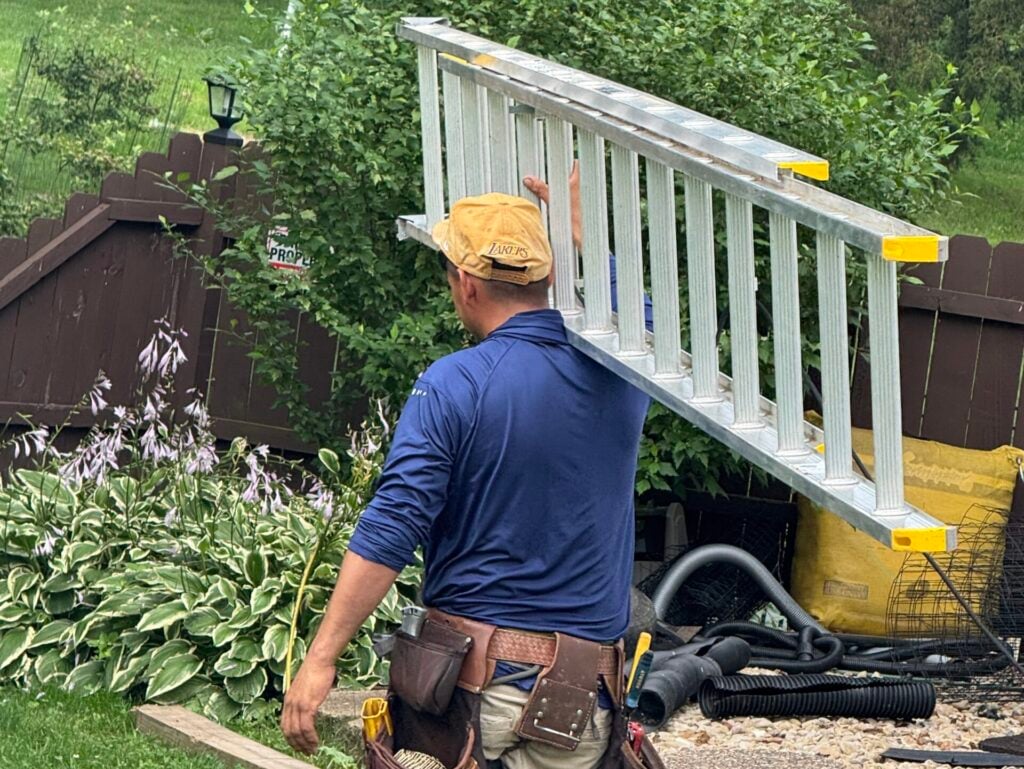
Once the claim is approved and you’ve selected a contractor, schedule repairs as soon as the contractor’s schedule allows. Waiting extends the period during which temporary measures are all that stand between your home and the next weather event. Most storm damage repairs in Wisconsin are completed within 4 to 8 weeks of first contact with Badgerland Exteriors, weather permitting.
- Confirm the contractor is pulling the required permit before work begins.
- Get a written proposal that details materials, scope, warranty, and payment terms before signing anything.
- Keep all documentation from the inspection, adjuster visit, repair estimate, and completed work for your records.
What Storm Damage Repair Typically Involves
The scope of storm damage repair depends entirely on what the storm did and what the inspection reveals. Common repair types following Wisconsin storm events include:
- Missing shingle replacement: Wind events that lift or remove shingles leave the underlayment exposed. Replacement involves matching the existing shingle as closely as possible, reinstalling with correct fastener placement, and sealing at all edges and tabs.
- Flashing repair or replacement: Hail and wind damage to metal flashing at chimneys, vents, valleys, and wall transitions is one of the most common storm repairs and one of the most important to address promptly.
- Gutter repair or replacement: Hail frequently dents gutters, downspouts, and fascia-mounted components. Damaged gutters affect drainage performance and may be covered under the same storm claim as roof damage.
- Decking repair: When storms expose or compromise the roof deck, damaged sheathing must be replaced before new shingles go down.
- Full roof replacement: When storm damage is widespread, affecting most of the surface, compromising the underlayment, or combining with a roof already nearing end of life, full replacement is the correct scope. Insurance settlements for significant hail or wind damage frequently cover most or all of a full replacement.
What to Look for in a Storm Damage Contractor
Not every contractor who shows up after a storm is worth hiring. Storm chasing crews from out of state descend on communities after major weather events and often disappear before warranty issues arise.
- Local contractor with a verifiable history: A contractor who has been operating in Dane County for years is accountable to the community in a way that a traveling crew is not.
- Licensed and insured: Wisconsin Dwelling Contractor license plus current general liability and workers’ compensation.
- Experience with insurance claims: A contractor who has worked with adjusters before understands how to document, communicate, and supplement claims effectively.
- No payment in full upfront: Legitimate contractors do not require full payment before any work is completed.
- Written proposal before work begins: Scope, materials, timeline, warranty, and payment schedule in writing before a single nail is pulled.
Frequently Asked Questions About Roof Storm Damage Repair
Wisconsin homeowners dealing with storm damage tend to ask the same questions. Here are direct answers.
How do I know if my roof has hail damage?
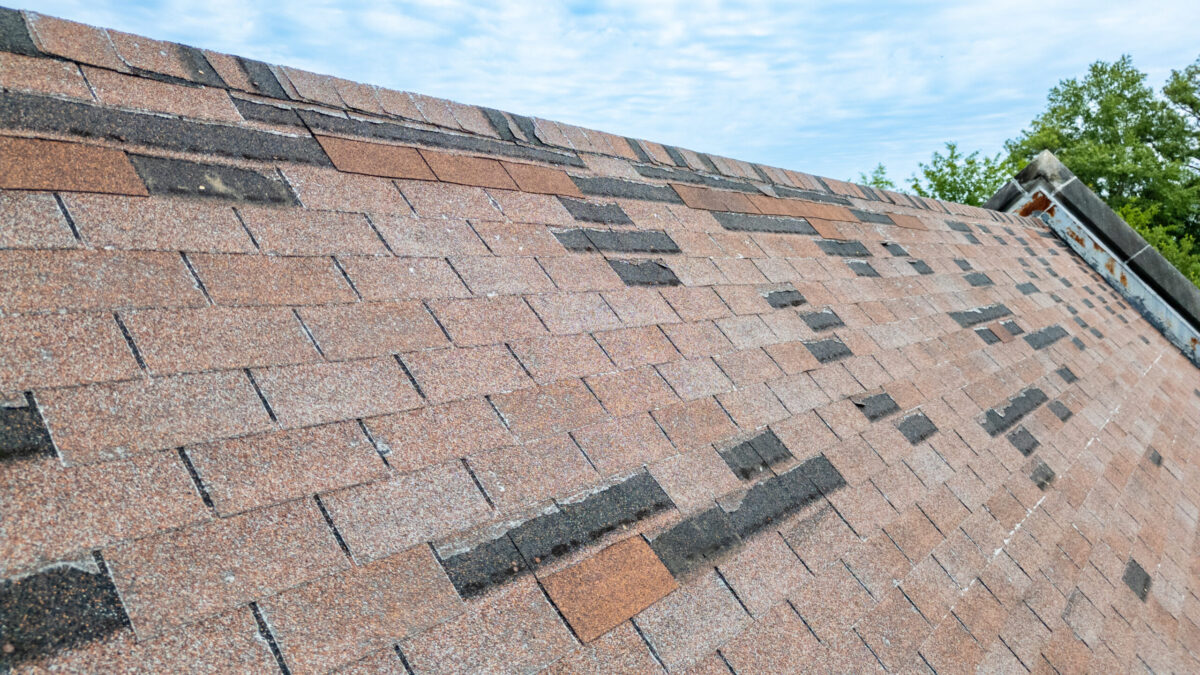
Hail damage on asphalt shingles typically appears as circular dark spots or soft spots where the granule surface has been fractured by impact. From the ground, it’s often invisible. Metal components such as gutters, downspouts, flashing, and AC condenser fins are more visible indicators. Denting on these surfaces after a hail event is a reliable signal that the roof also took impact. A professional inspection is the only way to accurately assess the full extent.
Does homeowners insurance cover storm roof damage?
Standard homeowners policies typically cover sudden storm damage from hail, wind, and falling debris as covered perils. They do not cover gradual deterioration or lack of maintenance. Deductibles vary, and some policies apply a separate wind and hail deductible that is higher than the standard deductible. Review your declarations page or contact your insurer directly before assuming coverage.
How long do I have to file a storm damage claim?
Most standard homeowners policies allow one year from the date of loss to file a claim, though this varies by insurer and policy. Filing promptly is always better; the further from the storm event, the harder it is to document that damage came from that specific event rather than normal wear.
Can I do my own temporary repairs after a storm?
Minor measures like tarping an exposed area or clearing debris from drains are generally acceptable and don’t affect your claim. Performing permanent repairs before the adjuster has documented the damage can complicate your claim. Document everything before and after any temporary measures you take.
How long does storm damage roof repair take in Wisconsin?
Most targeted storm repairs are completed in one day. Full roof replacements following storm damage typically take one to two days for a standard home. Badgerland Exteriors responds to storm damage inquiries within 24 to 48 hours and can typically schedule work within 4 to 8 weeks of first contact, depending on demand following major storm events.
Act Fast: Badgerland Exteriors Is Ready When You Need Us
Storm damage doesn’t wait, and neither should your response. Badgerland Exteriors has been helping DeForest, Windsor, and central Wisconsin homeowners navigate storm damage from first inspection through completed repairs since 2009. Free storm damage inspections, written documentation, insurance claim support, and a 10-year workmanship warranty on full replacements come standard.
Contact Badgerland Exteriors for your free storm damage inspection today.

Recent Articles
Read the Badger Blog
Let’s Get Started
Fix Your Roof the Badger Way
Got a question? Want to learn more about your options when it comes to caring for your home exterior? Our team is standing by with the information you need to start you roof replacement project today!
