Commercial Roof Repair Services: How to Choose the Right Provider for Your Building
10 Min Read
POSTED 10.09.2026
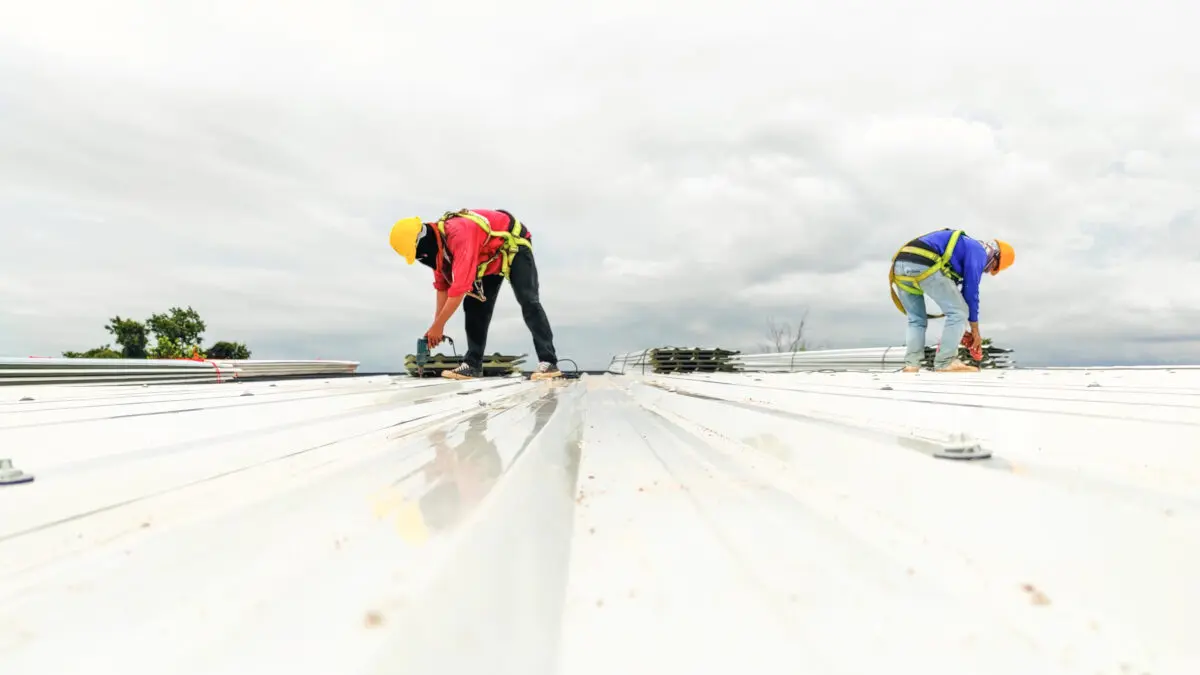
Commercial roof repair services are not all created equal. A flat or low-slope commercial roof is a more complex system than a residential shingle roof; it spans larger surface areas, integrates with HVAC equipment, skylights, drains, and penetrations, and operates under continuous exposure that demands more from both the materials and the installer. When something goes wrong, the contractor you choose determines not just whether the repair holds, but whether the underlying cause is actually addressed. Choosing wrong costs more than the repair itself. The difference between professional roofing services and a contractor without the right commercial background shows up in the quality and longevity of the repair. If you manage a commercial property and want to understand what thorough commercial roofing looks like, commercial roofing in Wisconsin is a good starting point.
Here is what this guide covers:
- What separates a qualified commercial roofing provider from one that isn’t
- The most important credentials and questions to ask before hiring
- Common commercial roof repair types and what they involve
- How commercial roof repair is priced
- What property managers and building owners should know about ongoing maintenance
- Common questions about choosing a commercial roof repair provider
Why Commercial Roof Repair Requires a Specialist
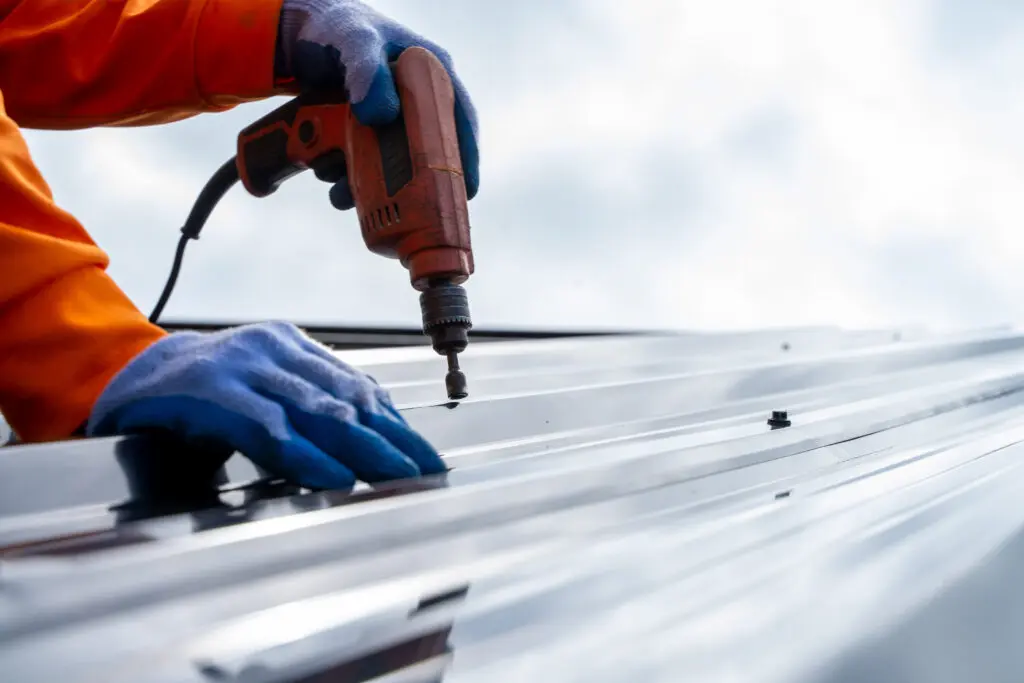
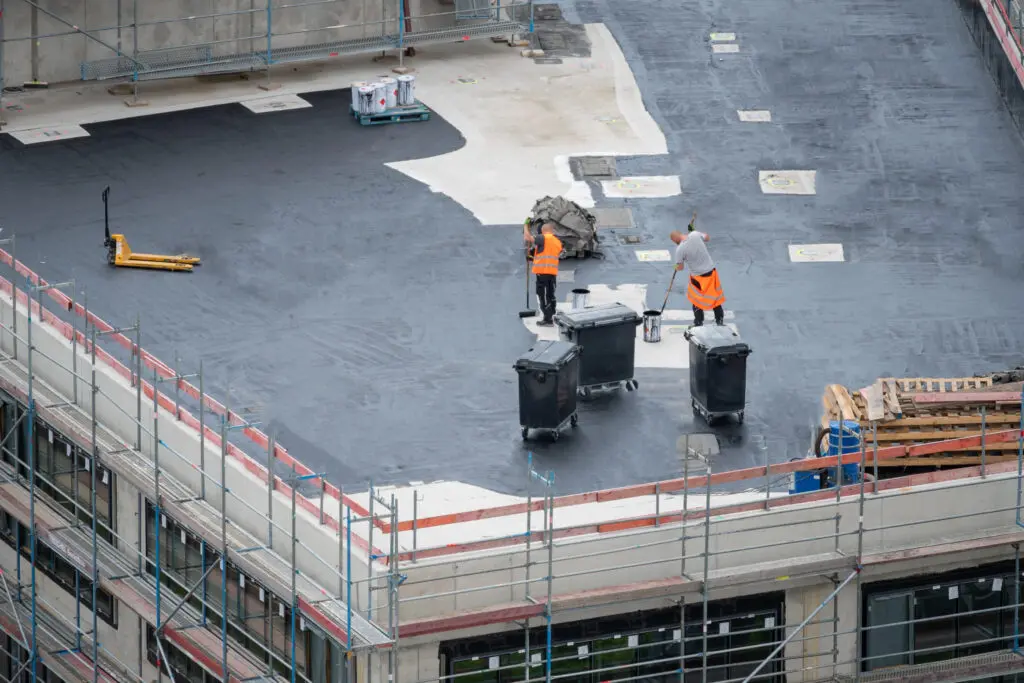
Residential roofers and commercial roofers work with fundamentally different systems. Residential roofing is almost entirely steep-slope asphalt shingles. Commercial work involves single-ply membranes like TPO and EPDM, modified bitumen, built-up roofing, metal systems, and hybrid assemblies, each with distinct repair techniques, materials, and failure modes. A contractor who does excellent residential work may have no relevant experience with a commercial TPO system, and the repair will reflect that.
According to IBISWorld, the roofing contractors industry in the United States is projected to reach $76.4 billion in revenue in 2025, driven in significant part by growing demand for commercial repair and maintenance services. That scale reflects the complexity of the commercial market and the significant financial stakes for building owners who choose the wrong provider.
We’re proud to serve commercial property owners in Sun Prairie, WI, and nearby communities with flat roof repair, commercial roofing inspections, and full system replacement.
8 Things to Look for in a Commercial Roof Repair Provider
These are the factors that reliably separate qualified commercial roofing contractors from those who aren’t equipped for the work.
1. Commercial-Specific Experience
Ask specifically about experience with your commercial roofing needs and your roof system: TPO, EPDM, modified bitumen, built-up roofing, or metal. Years in business means little if those years were spent on residential shingles. A qualified commercial contractor can describe the repair process for your specific membrane, name the materials they use, and explain how they approach seam failures versus punctures versus flashing failures on your system type.
- What to ask: “What commercial membrane systems have you worked with in the last two years, and can you walk me through how you approach a seam failure on TPO?”
- Red flag: A contractor who answers vaguely or pivots to residential experience.
2. Manufacturer Certifications
Many single-ply membrane manufacturers, including GAF, Carlisle, Firestone, and Versico, offer certification programs that require contractors to meet installation standards and complete formal training. Certified technicians have access to enhanced warranty coverage that non-certified contractors cannot offer, and their work is held to a higher installation standard.
- Manufacturer certifications aren’t required for every repair, but they signal a contractor who takes the work seriously enough to invest in formal training.
- Ask whether the contractor is certified for your specific membrane system and what warranty terms their certification unlocks.
3. Commercial General Liability Insurance and Workers’ Compensation
A commercial roof repair job involves workers at height on a larger structure, often with rooftop HVAC equipment and other hazards. Any legitimate commercial roofing contractor carries general liability coverage appropriate for commercial work and current workers’ compensation. Ask for certificates of both and verify they are current before allowing work to begin.
- Minimum coverage: $1 million per occurrence general liability is a common threshold for commercial work. Some property managers require more.
- Workers’ compensation is non-negotiable: If a worker is injured on your property and the contractor lacks coverage, the liability exposure falls to the property owner.
4. A Written Scope of Work Before Any Work Begins
Commercial roof repairs can expand in scope once the roof is opened up, including decking damage discovered after membrane removal, wet insulation requiring replacement, and additional flashing work at adjacent penetrations. A qualified contractor provides a written scope before work begins, documents any additional findings before proceeding with additional work, and gets authorization before expanding scope.
- What to require: A line-item written proposal covering materials, repair method, warranty on the completed work, timeline, and payment schedule.
- What to watch for: Contractors who resist putting scope in writing or who begin work before a written agreement is in place.
5. Experience With Your Roof’s Age and Condition
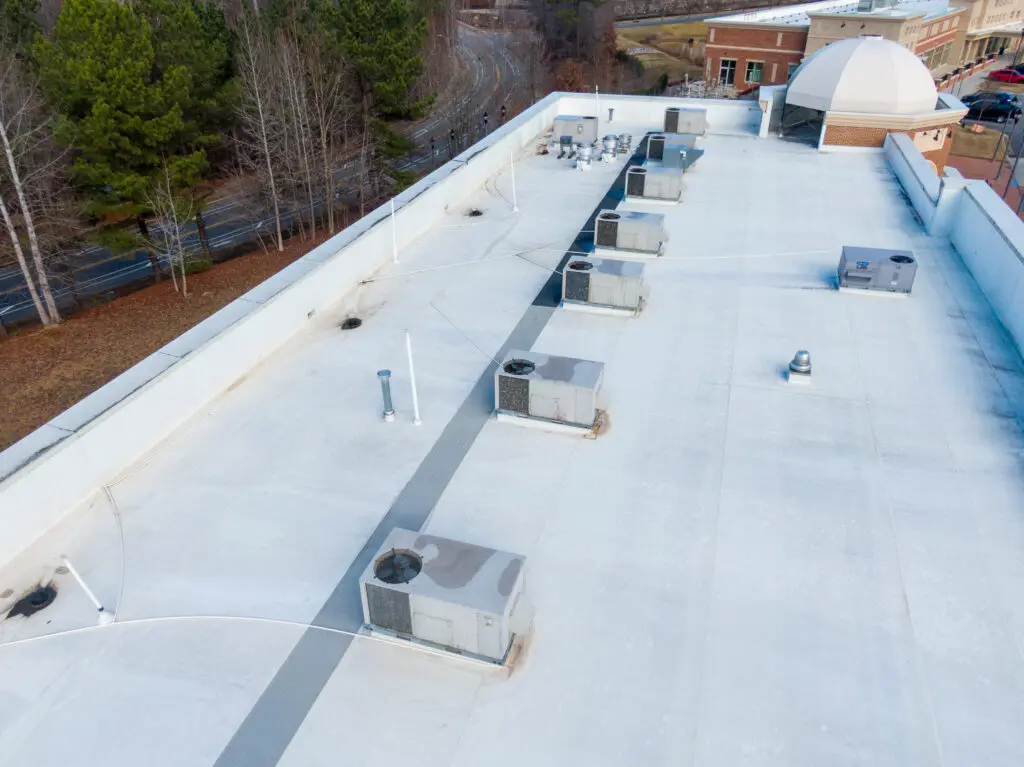
A roof that is 15 years old and beginning to fail presents different repair considerations than a 5-year-old roof with localized damage. An experienced commercial contractor assesses the roof’s remaining useful life as part of any repair evaluation and provides honest guidance about whether repair or replacement is the better investment at your roof’s current stage.
- The 30 percent rule: Many commercial roofing professionals use a general guideline that when the cost of needed repairs exceeds 30 percent of replacement cost, replacement is typically the more financially sound decision for the long-term structural integrity of the building.
- A contractor who recommends repair when replacement is warranted, or replacement when repair is sufficient, is not acting in your interest.
6. Documented Local References
Ask for references from commercial property owners or managers who have had comparable work done, including similar roof systems and building types, within the past two years. Call those references and ask specifically about how the contractor handled scope changes, how the job site was managed, and whether any warranty claims were needed after completion.
- Local expertise matters here; references from residential projects are not relevant to commercial work quality.
- A contractor who cannot provide local commercial references within the past two years is one you should look at more carefully before engaging.
7. Emergency Response Capability
Commercial roofs often fail at the worst possible times: mid-winter after an ice event, during a heavy rain season, or immediately before a tenant audit. A commercial roofing provider with genuine emergency response capability can reach your property quickly, perform emergency tarping or temporary patching, and follow with a permanent repair on an expedited schedule.
- Ask directly: “What is your typical response time for an emergency commercial roof call, and can you provide temporary protection while waiting for a permanent repair?”
- Badgerland Exteriors typically responds to commercial inquiries within 24 to 48 hours and can assess and address emergency situations promptly.
8. Clear Warranty Terms on Completed Work
Commercial roof repairs should come with a workmanship warranty that covers the specific repair performed. Understand exactly what the warranty covers, for how long, and what voids it. A warranty that doesn’t cover the actual repair type performed is not worth the paper it’s on.
- Material vs. workmanship: Manufacturer warranties cover materials. Workmanship warranties cover the installation. Both matter; don’t accept only one.
- Document the repair: Quality professional service means a completed repair is documented in writing, including materials used, area covered, and warranty terms, so you have a clear record for future reference.
Common Commercial Roof Repair Types and What They Cost
Commercial roof repair pricing varies based on the membrane system, the scope of damage, and what was discovered beneath the surface. These are the most common repair types in the south-central Wisconsin commercial market.
| Repair Type | Typical Cost Range |
| Drain cleaning and minor ponding correction | $300–$800 |
| Small TPO or EPDM membrane patch | $400–$1,000 |
| Seam repair on single-ply system | $500–$1,500 |
| Flashing repair at single penetration | $400–$900 |
| HVAC curb flashing replacement | $600–$1,500 |
| Blister or bubble repair | $400–$800 |
| Moderate area repair with deck assessment | $1,500–$4,000 |
| Large area re-membrane or coating application | $4,000–$15,000+ |
These ranges reflect typical costs for accessible single-story commercial structures. Multi-story buildings, limited staging access, roof-mounted equipment density, and deck damage all push costs upward. A professional on-site assessment is the only accurate basis for budgeting a specific project.
What Property Managers Should Know About Commercial Roof Maintenance
The most expensive commercial roof repairs are almost always the result of deferred maintenance. Problems that a twice-yearly inspection would have caught as $500 repairs become $5,000 repairs when left unaddressed across two or three seasons.
A proactive maintenance program for a commercial roof includes:
- Scheduled inspections: After Wisconsin’s winters and before the heavy rain season are the two most important inspection windows. Spring and fall are the standard cadence. Spring inspections catch ice dam damage, membrane stress from freeze-thaw cycling, and drain issues. Fall inspections prepare the system for winter loading.
- Drain and scupper clearing: Commercial roof drains need to be clear of debris before every heavy precipitation season. A blocked drain is the most common and most preventable cause of ponding water damage.
- Penetration and flashing checks: Every HVAC unit, vent, conduit, and skylight is a potential failure point. Periodic checks of seals, caulk, and flashing at these points, verified against the manufacturer’s specifications for your membrane system, catch failures before they become leaks.
- Documentation: Keeping a written record of every inspection, repair, and observed condition helps track the roof’s aging and supports insurance claims when needed.
Badgerland Exteriors offers commercial roof inspections as a standalone service for property managers who want an independent assessment of their building’s roof condition.
Frequently Asked Questions About Commercial Roof Repair Services
Property managers and building owners evaluating commercial roof repair providers tend to ask the same questions. Here are direct answers.
How do I know if my commercial roof needs repair or replacement?
The key factors are the roof’s age relative to its expected lifespan, the extent and pattern of damage, and the cost of repairs relative to replacement cost. A roof within the first half of its expected lifespan with isolated damage is a strong repair candidate. A roof past 75 percent of its expected lifespan with recurring issues across multiple areas is more likely a replacement candidate. An honest contractor will give you this analysis upfront.
Does commercial roof repair require permits in Wisconsin?
Minor repairs typically do not require a permit. More significant work, such as re-membraneing a large area, structural repairs, or drainage system modifications, may require a permit from the local municipality. Badgerland Exteriors confirms permit requirements for every commercial project before work begins and handles the permit process when required.
How long does a commercial roof repair take?
Most standard commercial flat roof repairs are completed in one day. Larger repairs involving significant membrane area, wet insulation removal and replacement, or complex flashing work may take two to three days. Emergency repairs to stop active water infiltration are addressed within 24 to 48 hours of first contact.
Can I stay operational during a commercial roof repair?
In most cases, yes. Commercial roof repairs are performed on the exterior of the building, and most businesses can remain operational during the work. Interior disruption is limited to noise and potential access restrictions for areas directly below the repair zone. Your contractor should discuss any operational impacts before work begins.
How do I document a commercial roof repair for insurance purposes?
Request a written report from your contractor after every repair that includes the date of service, location and scope of the repair, materials used, cause of damage if determinable, and warranty terms. Photographs of pre-repair and post-repair conditions are also valuable. Badgerland Exteriors provides written documentation as standard on every commercial project.
Work With a Commercial Roofing Provider Who Gets It Right
Choosing the right commercial roof repair provider protects your building, your tenants, and your investment. Badgerland Exteriors brings the same honest, education-first approach to commercial roofing that we apply to every service we offer. Free estimates, free commercial inspections, written proposals, and transparent pricing are standard on every project.
Schedule your free commercial roof assessment from Badgerland Exteriors today.
Recent Articles
Read the Badger Blog
Let’s Get Started
Fix Your Roof the Badger Way
Got a question? Want to learn more about your options when it comes to caring for your home exterior? Our team is standing by with the information you need to start you roof replacement project today!